In Depth
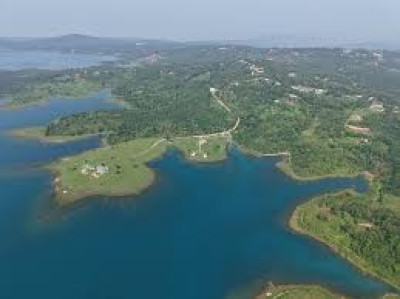
The lake and its surrounding landscape are associated with the Hajong Tortoise Lake Biodiversity Heritage Site, which covers approximately 526.78 hectares, including a core lake area of about 3.43 hectares. The site is located around 21 to 22 km from Maibang and lies in a relatively remote forest environment, away from the busy tourist centres of Assam.
Location and Natural Setting
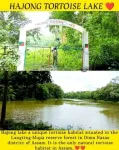
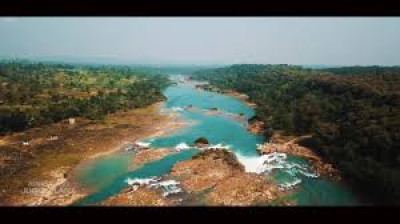
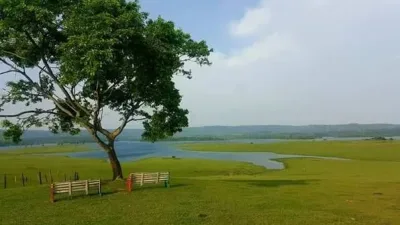
Hajong Lake is situated in Dima Hasao district, formerly known as North Cachar Hills, in the hill region of southern Assam. It lies within the Langting Mupa Reserve Forest and near the remote Hajong village.
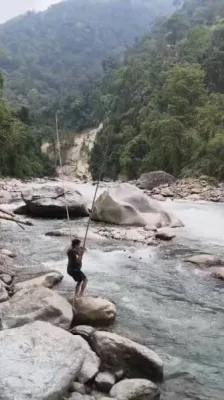
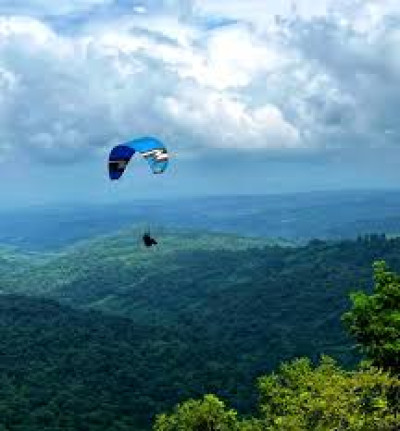
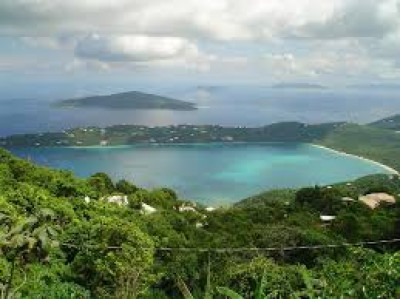
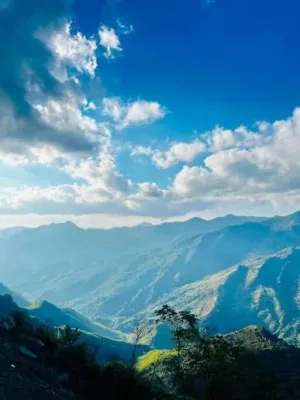
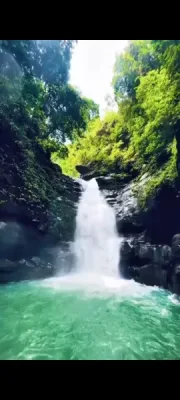
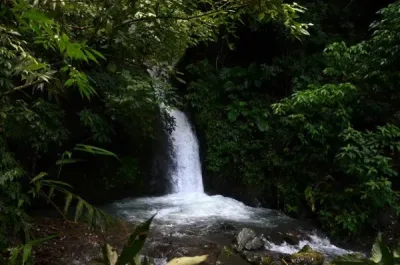
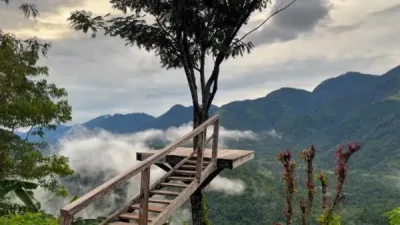
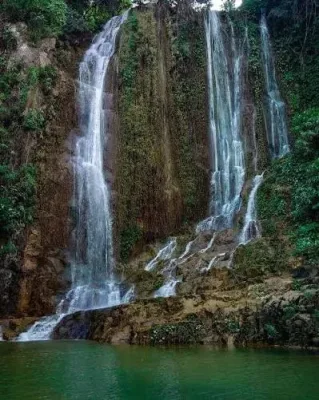
The surrounding landscape consists of forest-covered hills, natural vegetation, quiet water bodies and a rich variety of wildlife. The relatively undisturbed environment has helped preserve the ecological importance of the lake and its surrounding habitat.
The area is positioned at an elevation of approximately 1,627 to 1,677 feet, giving it a pleasant hill-country setting. Its distance from major urban centres also contributes to its peaceful and relatively uncommercialised character.
Hajong Lake - The Famous Tortoise Habitat of Assam
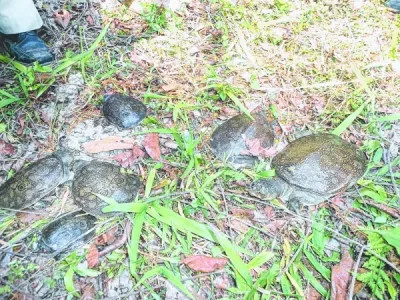
The most important attraction of Hajong Lake is its rare turtle and tortoise population. The lake is particularly associated with hill terrapins and several species of freshwater turtles, making it an important wildlife habitat in Assam.
Different references have reported around seven to ten rare turtle and tortoise species in the wider Hajong area. Species associated with the habitat include rare hill terrapins as well as freshwater turtles such as the black softshell turtle and Indian peacock softshell.
Because these species face increasing pressure from habitat loss and other environmental threats, the lake has significance beyond tourism. It represents an important natural habitat where conservation and community involvement are closely connected.
Hajong Tortoise Lake Biodiversity Heritage Site
Hajong Lake has been recognised for its ecological importance as the Hajong Tortoise Lake Biodiversity Heritage Site. The larger heritage area extends well beyond the visible water body and protects the surrounding natural ecosystem.
The biodiversity heritage designation highlights the importance of conserving the lake, forest habitat and species found in the area. It also gives Hajong Lake importance as a destination for environmental education, wildlife observation and responsible nature tourism.
Rich Biodiversity Around Hajong Lake
The forest surrounding Hajong Lake supports a wide range of plants, birds, reptiles and mammals. The larger Langting Mupa Reserve Forest provides an important habitat for wildlife of the Dima Hasao hill region.
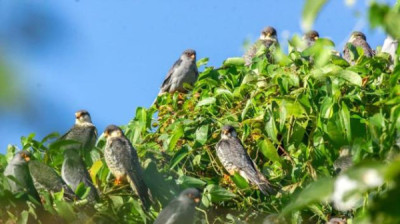
Wildlife associated with the surrounding landscape includes species such as the western hoolock gibbon, Chinese pangolin, clouded leopard and sambar deer. The area is also known for diverse birdlife, with species such as whistling teal and wreathed hornbill mentioned among the birds found in the wider habitat.
Wildlife sightings are naturally unpredictable, particularly for rare and elusive animals. Visitors should therefore treat Hajong primarily as a conservation and nature destination rather than expecting guaranteed animal sightings.
Cultural and Spiritual Importance
Hajong Lake is also connected with the traditional beliefs of indigenous communities living in the surrounding area. Local traditions associate the turtles and terrapins with ancestral and spiritual significance, encouraging residents to protect these animals and their habitat.
This relationship between local communities and wildlife is an important part of the conservation story of Hajong Lake. The protection of the turtles is not only an environmental concern but also reflects the cultural values associated with the lake.
Hajong Lake Tortoise Festival
The Hajong Lake Tortoise Festival is an important conservation-oriented event associated with the destination. The festival is organised to create awareness about the rare turtle and tortoise species found in the area and the need to protect their natural habitat.
The event also provides an opportunity to highlight the relationship between local communities, biodiversity and conservation. Visitors interested in experiencing the festival should check the latest local announcements because event dates and arrangements can vary.
Things to See and Do at Hajong Lake
Wildlife and Nature Observation
The primary activity at Hajong is observing the natural environment and learning about its turtle and tortoise habitat. Visitors may explore the lake surroundings while looking for birds, reptiles and other wildlife.
Nature Photography
The lake, forest vegetation and surrounding hills provide opportunities for landscape and wildlife photography. Visitors should maintain a safe distance from animals and avoid disturbing the habitat while taking photographs.
Birdwatching
The combination of wetland and forest makes the area interesting for birdwatchers. Visitors may encounter different resident and seasonal birds depending on the time of year.
Nature Walks
Exploring the surroundings on foot can provide a closer experience of the forest ecosystem. However, visitors should remain on appropriate paths and follow instructions from local authorities or forest personnel.
Eco-Tourism and Conservation Learning
Hajong is particularly suitable for travellers interested in biodiversity, conservation and lesser-known destinations. A visit can provide an opportunity to understand how local communities and protected natural habitats contribute to wildlife conservation.
Local Culture and Village Experience
The nearby Hajong village and surrounding communities provide an opportunity to learn about traditional lifestyles and cultural practices of the hill region. Visitors should approach local customs respectfully and seek permission before photographing people or private spaces.
How to Reach Hajong Lake from Guwahati?
By Air: The most convenient air route from Guwahati is to travel towards Dima Hasao by road after reaching the nearest suitable airport for the journey. Since Hajong Lake is located in a remote forest area, the final part of the journey requires road travel.
By Train: Rail travel can be considered up to important railway stations serving Dima Hasao and the Maibang area. Maibang is one of the useful access points for reaching Hajong Lake, which is approximately 21 to 22 km away according to the supplied references.
By Road: From Guwahati, travellers can travel towards Nagaon and continue towards the Dima Hasao hill region. The route generally involves travelling through the road network towards Maibang and then continuing towards Hajong.
From Haflong, visitors can arrange a suitable local vehicle for the onward journey. The final road conditions can vary because Hajong is located in a remote forest area. During or after heavy rainfall, roads may become difficult to navigate.
Because Hajong Lake is inside a forest environment, visitors should plan transportation in advance rather than depending entirely on frequent public transport services.
Best Time to Visit Hajong Lake
October to February is generally a favourable period for visiting Hajong Lake because of the more comfortable weather and better conditions for nature and wildlife observation. March to May can also be considered for travellers interested in exploring the area during the warmer months.
The monsoon period from June to September can bring heavy rainfall and difficult road conditions. Forest roads may become muddy or challenging during this period, so visitors should check local conditions before travelling.
Where to Stay Near Hajong Lake?
Hajong Lake is a remote destination and does not have the same range of accommodation facilities available in major tourist towns. Visitors can consider staying in Maibang or Haflong and making Hajong Lake a day-trip destination.
Haflong provides more accommodation choices and can be used as a convenient base for exploring other attractions in Dima Hasao. Maibang is another practical option because of its closer location to Hajong Lake.
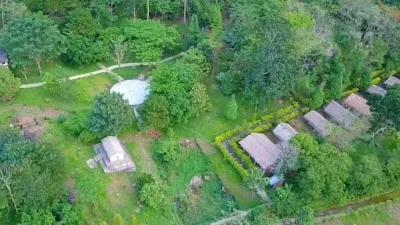
Visitors interested in staying closer to the destination should confirm the availability of local homestays or community-based accommodation before travelling. It is advisable to arrange food, transport and accommodation in advance because facilities around the lake are limited.
Travel Tips for Hajong Lake
Carry sufficient drinking water, food and essential medicines because commercial facilities are limited near the lake.
Wear comfortable footwear suitable for forest and uneven terrain.
Avoid loud noise, littering and activities that could disturb turtles, birds or other wildlife.
Do not feed, capture or touch turtles and other wild animals.
Follow instructions issued by forest personnel and local authorities.
Carry a charged mobile phone and, where possible, alternative communication arrangements because network coverage may be inconsistent.
During the rainy season, check road conditions before starting the journey.
Photography should be carried out responsibly without disturbing wildlife or local residents.
Why Visit Hajong Lake, Dima Hasao?
Hajong Lake offers a different kind of tourism experience in Assam. Instead of large tourist infrastructure or crowded sightseeing areas, it provides an opportunity to explore a relatively quiet natural environment with exceptional ecological importance.
Its rare hill terrapins, freshwater turtles, forest surroundings, birdlife and cultural traditions make it one of the distinctive nature destinations of Dima Hasao. The recognition of the Hajong Tortoise Lake Biodiversity Heritage Site further highlights the need to protect this landscape for future generations.
For travellers interested in wildlife, biodiversity, photography, conservation and offbeat destinations, Hajong Lake is an important place to explore in Assam.
Quick Info About Hajong Lake, Dima Hasao
| Information | Details |
|---|---|
| Tourist Place | Hajong Lake |
| District | Dima Hasao, Assam |
| Location | Langting Mupa Reserve Forest |
| Nearest Major Town | Maibang |
| Approx. Distance from Maibang | 21-22 km |
| Main Attraction | Rare turtles and hill terrapins |
| Protected Status | Hajong Tortoise Lake Biodiversity Heritage Site |
| Area of Heritage Site | Approximately 526.78 hectares |
| Core Lake Area | Approximately 3.43 hectares |
| Elevation | Approximately 1,627-1,677 feet |
| Best For | Wildlife, biodiversity, photography and nature tourism |
| Famous Event | Hajong Lake Tortoise Festival |
| Recommended Season | October to February |
| Nearest Base Towns | Maibang and Haflong |
| District | Dima Hasao |
| State | Assam |
FAQs About Hajong Lake, Dima Hasao
- Where is Hajong Lake located?
Hajong Lake is located in Dima Hasao district of Assam, within the Langting Mupa Reserve Forest near Hajong village.
- Why is Hajong Lake famous?
Hajong Lake is famous for its rare hill terrapins and freshwater turtles. It is also recognised for its ecological importance as the Hajong Tortoise Lake Biodiversity Heritage Site.
- How far is Hajong Lake from Maibang?
Hajong Lake is approximately 21 to 22 km from Maibang according to the supplied reference information.
- What animals can be found around Hajong Lake?
The Hajong area is associated with rare turtles and hill terrapins, while the surrounding forest supports wildlife such as hoolock gibbons, Chinese pangolins, clouded leopards, sambar deer and various bird species.
- Is Hajong Lake a Biodiversity Heritage Site?
Yes. The area is recognised as the Hajong Tortoise Lake Biodiversity Heritage Site because of its important turtle and tortoise habitat and wider ecological value.
- What is the best time to visit Hajong Lake?
October to February is generally considered a favourable period for visiting Hajong Lake. March to May can also be suitable, while heavy monsoon conditions may make forest roads difficult.
- What is the Hajong Lake Tortoise Festival?
The Hajong Lake Tortoise Festival is a conservation-focused event intended to create awareness about the area's rare turtles and tortoises and encourage protection of their habitat.
- Can tourists see turtles at Hajong Lake?
Visitors may have an opportunity to observe turtles and hill terrapins, but wildlife sightings cannot be guaranteed. Visitors should maintain a safe distance and avoid disturbing the animals.
- How can I reach Hajong Lake from Guwahati?
Travellers can reach the Dima Hasao hill region by road and continue towards Maibang and Hajong. Another option is to travel by train towards suitable railway stations in Dima Hasao and arrange local road transport for the final journey.
- Where should I stay when visiting Hajong Lake?
Because accommodation facilities around Hajong Lake are limited, visitors can stay in Maibang or Haflong and travel to Hajong Lake as a day trip. Local accommodation should be confirmed in advance if visitors wish to stay closer to the destination.