In Depth
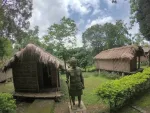
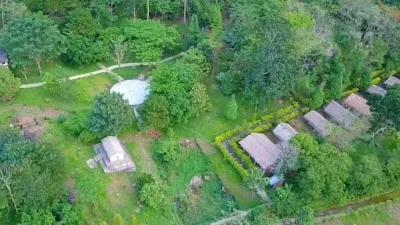
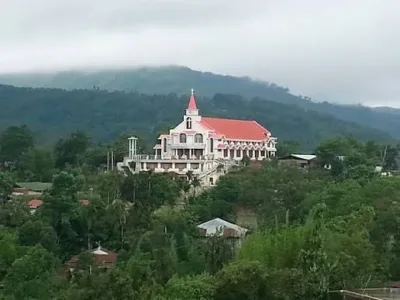
The village lies in a hilly environment surrounded by forests, green slopes, valleys and agricultural landscapes. Its relatively isolated location has helped preserve many aspects of traditional Zeme Naga community life. For visitors, Hangrum offers a combination of history, tribal heritage, nature and slow village travel.
Location and Geography of Hangrum
Hangrum is located in the Dima Hasao district, formerly known as North Cachar Hills, under the Mahur area. The village is situated within the hill country of southern Assam and forms part of a culturally significant Zeme Naga region.
Hangrum is positioned roughly 92 km from Haflong according to one set of village-level references, while other travel references give a longer road distance depending on the route and starting point. It is also situated around 25 km from Laisong, another important Zeme Naga settlement in the region.
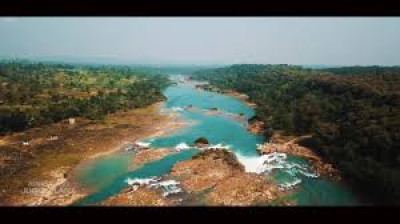
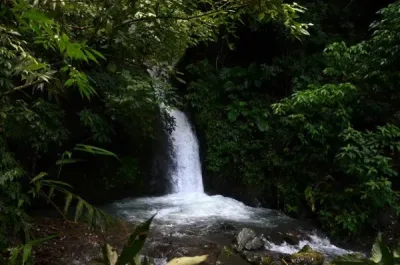
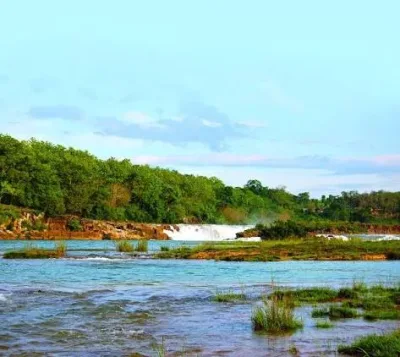
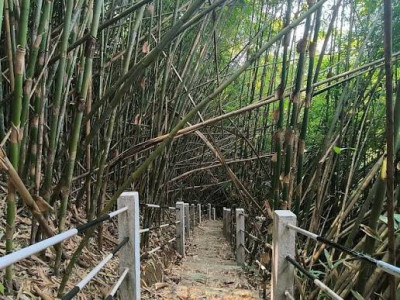
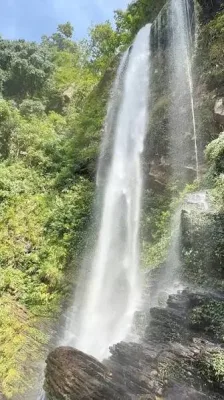
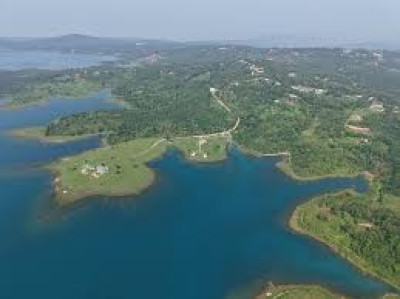
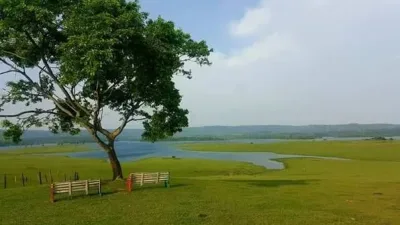
The surrounding terrain consists of forested hills, green ridges, valleys and cultivated slopes. During and after the monsoon, the landscape becomes particularly lush, while the cooler months offer clearer mountain views and more comfortable conditions for outdoor exploration.
History and Heritage of Hangrum
Hangrum has a significant place in the history of the Zeme Naga community. It is regarded as one of the older Zeme Naga settlements in the region and continues to retain strong connections with traditional community life.
The historical importance of Hangrum is particularly associated with the events of 1932, when the village and surrounding hills became connected with the Zeliangrong resistance against British colonial rule.
The Battle of Hangrum
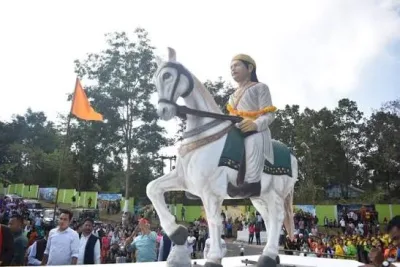
The Battle of Hangrum took place in March 1932 during the Zeliangrong uprising against British authority. The movement was associated with Rani Gaidinliu, who became an important figure in the resistance and is respectfully remembered in the region as Ranima.
According to local historical accounts, fighting occurred around Hangrum between 16 and 18 March 1932. Several Jeme fighters lost their lives during the conflict. A local memorial commemorates seven fighters associated with the battle.
The historical memory of this event remains an important part of Hangrum's identity. The village is also locally associated with the name "Ranima's camp", reflecting its connection with the resistance movement.
For visitors interested in Northeast India's freedom movement and indigenous resistance to colonial rule, Hangrum offers an opportunity to explore history within the actual landscape where these events are remembered.
Martyrs' Memorial at Hangrum
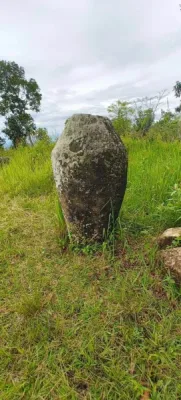
A martyrs' column in Hangrum commemorates the Zeme Naga fighters who died during the 1932 conflict. The memorial is an important historical site for the local community and provides a physical connection to the village's wartime and resistance history.
Local commemorations and cultural programmes have helped keep the memory of these individuals alive. Visitors should approach the memorial respectfully because it represents an important part of the community's historical heritage.
Zeme Naga Culture in Hangrum
Zeme Naga culture is central to the identity of Hangrum. The village is part of a wider cultural landscape extending across parts of Dima Hasao and neighbouring areas.
Traditional community practices, indigenous knowledge, agricultural activities, music, clothing and social customs remain important elements of local life. Visitors may have opportunities to interact with residents and learn about the community's traditions, depending on local arrangements.
Hangrum should be experienced as a living village rather than simply as a sightseeing attraction. Respectful interaction with residents can offer a deeper understanding of the area's cultural heritage.
Traditional Hangseuki
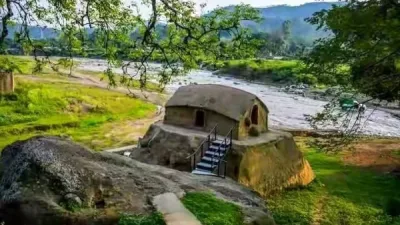
Hangseuki is an important traditional institution associated with Zeme Naga society. Hangrum is reported to have several traditional Hangseuki, which have historically functioned as community spaces and places associated with young members of the community.
These structures are significant because they represent traditional methods of cultural learning, social interaction and transmission of community values. Laisong, located nearby, is also particularly well known for its Hangseuki and can be included in a wider Zeme Naga cultural journey.
Visitors should always seek local permission before entering community spaces or photographing traditional structures and cultural activities.
Jhum Cultivation and Village Life
Agriculture has traditionally played an important role in the livelihood of Zeme Naga communities. Jhum, or shifting cultivation, has influenced the agricultural calendar and daily life in the hill villages.
The cultivation cycle is closely connected with the surrounding landscape and changes throughout the year. Visitors travelling through Hangrum may observe cultivated slopes and other elements of rural life that reflect the relationship between the community and its natural environment.
This agricultural heritage is an important part of understanding Hangrum beyond its scenic appearance.
Natural Beauty of Hangrum
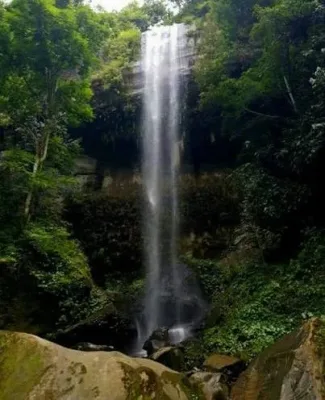
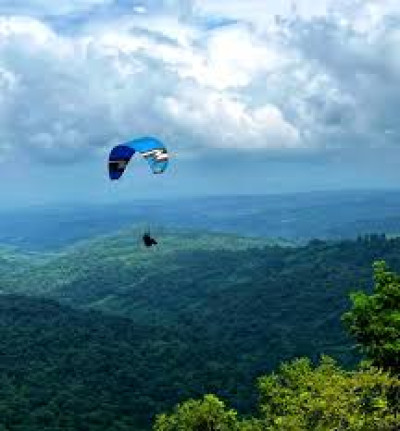
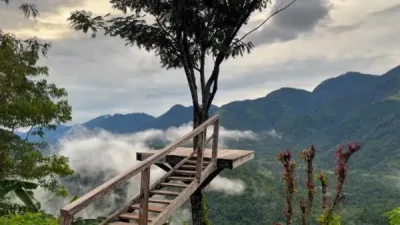
The natural surroundings are among Hangrum's strongest attractions. The village is set among green hills and forested terrain, creating wide views across the surrounding landscape.
Unlike developed hill stations, Hangrum has limited commercial tourism infrastructure. There are no heavily developed viewpoints or large entertainment facilities. Instead, the appeal comes from the quiet environment, mountain scenery, forests, agricultural slopes and traditional settlement.
The relatively low level of tourism also makes Hangrum suitable for travellers interested in peaceful destinations and slow travel.
What to See in Hangrum?
The main attractions in Hangrum combine history, culture and nature.
The martyrs' memorial is an important place to learn about the 1932 Battle of Hangrum and the area's connection with the Zeliangrong resistance movement.
The traditional Hangseuki provide an insight into Zeme Naga community institutions and cultural heritage.
The surrounding hills, forested slopes and valleys are ideal for landscape photography and nature walks.
The village itself is worth exploring at a relaxed pace, allowing visitors to observe traditional life, agricultural activities and the local environment.
Nearby Laisong can also be visited as part of the same cultural circuit because of its importance as a major Zeme Naga settlement.
Things to Do in Hangrum
Explore Hangrum village and its surrounding hills.
Visit the local martyrs' memorial and learn about the history of the 1932 Battle of Hangrum.
Learn about Rani Gaidinliu and the Zeliangrong resistance movement.
Explore traditional Zeme Naga cultural spaces with local permission.
Learn about Hangseuki and traditional community practices.
Walk through the village and surrounding natural landscapes.
Observe agricultural activities and learn about jhum cultivation.
Enjoy mountain views and nature photography.
Interact respectfully with local residents and learn about Zeme Naga traditions.
Combine Hangrum with Laisong and other destinations in Dima Hasao.
Hangrum as an Emerging Eco-Tourism Destination
Hangrum is gradually receiving attention as an offbeat eco-tourism destination in Dima Hasao. Its combination of natural scenery, indigenous culture and historical significance gives it considerable potential for responsible tourism.
The village is different from established tourist destinations because its tourism infrastructure remains limited. This makes sustainable and community-sensitive travel particularly important.
Visitors can contribute positively by supporting local accommodation where available, using local services, avoiding littering and respecting village customs. The objective should be to experience the destination without disturbing the community's everyday life.
How to Reach Hangrum from Guwahati?
The journey to Hangrum from Guwahati involves travelling through the hill areas of Dima Hasao. Haflong is the most practical major base for planning the journey.
By Road from Guwahati: Guwahati is approximately 300-320 km from Haflong by road depending on the route. The journey can take around 8-10 hours or longer depending on traffic, weather and road conditions. From Haflong, travellers need to continue towards Mahur and then onward towards Laisong and Hangrum.
By Train from Guwahati: Travellers can take a train towards Haflong. Haflong is connected to the railway network through the Lumding-Badarpur route. After reaching Haflong, a local private vehicle or other locally available transport can be arranged for the onward mountain journey.
Haflong to Hangrum: The road distance cited by different references varies according to the route. Some sources place Hangrum around 92 km from Haflong, while travel guides describe a longer journey when approaching through the Laisong route. The route via Mahur and Laisong involves hilly roads, and actual travel time depends heavily on road conditions.
Laisong to Hangrum: Laisong and Hangrum are approximately 25 km apart according to the supplied references. The final section is a remote mountain road, so visitors should confirm current conditions with local drivers before travelling.
Because this is a remote destination, a private vehicle with a driver familiar with the area is generally the most practical option.
Where to Stay in Hangrum?
Hangrum is a remote Zeme Naga village, so visitors should not expect the type of standard commercial hotels commonly found in larger towns. Accommodation in and around the village is mainly community-based, with local homestays and village-arranged lodging offering a more authentic way to experience the area's culture and lifestyle.
Local Village Homestays in Hangrum and Laisong
A village homestay in Hangrum or nearby Laisong can be one of the best options for travellers who want to experience Zeme Naga culture more closely. Laisong, located around 25 km from Hangrum according to the supplied references, is another important Zeme Naga settlement and can also be used as an accommodation base.
These homestays are generally simple and locally managed. Guests may stay in rooms within traditional or modern family homes and can experience locally prepared food, village life and aspects of Zeme Naga customs. Facilities may be basic, so travellers should confirm the available amenities, meals, electricity and other requirements before finalising their stay.
Notun Leikul Eco-Tourism Village
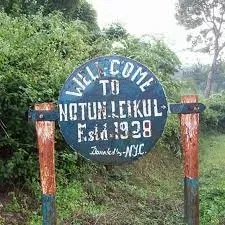
Travellers exploring the wider Dima Hasao region can also consider Notun Leikul Eco-Tourism Village, which is located around 18 km from Haflong according to the supplied reference material. The village has community-based homestay facilities and can be considered by visitors looking for a more organised rural accommodation experience.
The supplied references mention local coordination through Luna Singson at +91 99546 40488 and indicate rates starting at around Rs. 500 per day. Because contact numbers, availability and accommodation rates can change, visitors should verify the latest details before making arrangements.
Haflong Town as a Base for Hangrum
For travellers who prefer more comfortable accommodation, Haflong is generally the most practical base for visiting Hangrum. Since Hangrum is located deep in the Dima Hasao hills and accommodation facilities within the village are limited, visitors can stay in Haflong and arrange a private vehicle for the journey to Hangrum.
Accommodation options in Haflong include hotels, guest houses and homestays. The supplied references mention Landmark Hotel Haflong, Elite Hotel and Nothao Lodge among the hotel and lodge options. S.W. Hading Guest House is another option mentioned near the "I Love Dima Hasao" viewpoint. Visitors can also look for local homestays such as Hamsmaidi Homestay and Nohmajang Homestay.
Availability, prices and facilities can change, particularly during peak travel periods, so accommodation should be confirmed before beginning the journey into the interior areas of Dima Hasao.
Crucial Travel Advice for Accommodation
Online accommodation booking facilities are very limited for Hangrum itself. Travellers planning to stay inside the village should therefore make arrangements in advance through the Dima Hasao Tourism Department, local tourism authorities or trusted local contacts.
Local officials or village representatives may be able to connect visitors with a suitable village host or homestay. This is particularly important if travellers require traditional meals, overnight accommodation or assistance with local transportation.
Since Hangrum is an emerging offbeat destination rather than a fully developed commercial tourist centre, visitors should be prepared for basic facilities and should confirm the availability of electricity, water, food, mobile connectivity and other essential amenities before travelling.
Staying in a village homestay can provide a much deeper cultural experience, while staying in Haflong offers greater convenience and access to standard accommodation facilities. The best choice depends on whether the priority is cultural immersion or comfort and convenience.
Best Time to Visit Hangrum
October to March is generally a suitable period for visiting Hangrum. The weather during the cooler months is more comfortable for long road journeys, village exploration and nature walks.
The post-monsoon period can provide especially attractive green landscapes, while winter generally offers clearer skies and pleasant daytime temperatures.
The monsoon season can make the surrounding hills extremely green, but heavy rainfall may affect mountain roads and increase the possibility of landslides. Travellers planning a monsoon journey should obtain current road information before departure.
Travel Tips for Hangrum
Plan the journey in advance because Hangrum is a remote destination.
Carry sufficient cash, food, drinking water and essential medicines.
Do not depend completely on mobile connectivity or digital payment facilities.
Check road and weather conditions before leaving Haflong.
Use a vehicle and driver familiar with the mountain route.
Ask permission before entering traditional community spaces.
Respect local customs and avoid disturbing village activities.
Do not photograph people, ceremonies or private spaces without permission.
Avoid littering and carry waste back with you where disposal facilities are unavailable.
Keep additional travel time because mountain roads can make journeys slower than expected.
Why Visit Hangrum, Dima Hasao?
Hangrum offers a rare combination of history, indigenous culture and natural beauty. The village's association with the 1932 Battle of Hangrum and Rani Gaidinliu gives it historical importance, while its Zeme Naga heritage provides an opportunity to learn about one of the indigenous cultures of Northeast India.
Its green hills, forests and remote setting add a strong natural appeal. For travellers looking beyond conventional tourist destinations, Hangrum provides a quieter experience centred on village life, cultural heritage and the landscape of Dima Hasao.
A visit to Hangrum can also be combined with Laisong, making it possible to explore two culturally important Zeme Naga settlements during the same journey.
Hangrum Quick Info
| Information | Details |
|---|---|
| Tourist Place | Hangrum |
| District | Dima Hasao |
| State | Assam |
| Region | Northeast India |
| Area | Mahur area, Dima Hasao |
| Community | Zeme Naga |
| Known For | Zeme Naga culture, history, hills and eco-tourism |
| Historical Event | Battle of Hangrum, 1932 |
| Historical Figure | Rani Gaidinliu |
| Major Memorial | Martyrs' column |
| Nearest Major Town | Haflong |
| Nearby Cultural Village | Laisong |
| Approx. Distance from Laisong | About 25 km |
| Approx. Distance from Haflong | Varies by route; references cite around 92 km and longer road routes |
| Main Transport | Road |
| Accommodation | Limited in Hangrum; Haflong has more options |
| Best Time to Visit | October to March |
| Best For | History, tribal culture, nature, photography and offbeat tourism |
FAQs About Hangrum
- Where is Hangrum located?
Hangrum is a remote Zeme Naga village in the Dima Hasao district of Assam, situated in the Mahur area of the hill district.
- What is Hangrum famous for?
Hangrum is famous for its Zeme Naga cultural heritage, scenic mountain landscape and historical connection with the 1932 Battle of Hangrum during the Zeliangrong resistance.
- What happened in the Battle of Hangrum?
The Battle of Hangrum took place in March 1932 during the Zeliangrong resistance against British colonial rule. Several Jeme fighters died during the conflict, and a local memorial commemorates the martyrs.
- What is the connection between Rani Gaidinliu and Hangrum?
Rani Gaidinliu was an important leader associated with the Zeliangrong resistance movement. Hangrum is historically connected with the movement and is locally remembered as "Ranima's camp".
- What community lives in Hangrum?
Hangrum is primarily associated with the Zeme Naga community, whose cultural traditions and community practices form an important part of the village's identity.
- What is Hangseuki?
Hangseuki is a traditional Zeme Naga community institution historically associated with young members of the community. It played a role in cultural learning, social interaction and preservation of traditional values.
- How far is Hangrum from Laisong?
Hangrum is approximately 25 km from Laisong according to the supplied travel references. The actual journey time depends on road conditions and weather.
- How can I reach Hangrum from Guwahati?
The practical route is to travel from Guwahati to Haflong by road or train and then continue by road through Mahur and Laisong towards Hangrum.
- Where should I stay when visiting Hangrum?
Accommodation within Hangrum is limited. Haflong is generally the more convenient base because it offers more hotels, guest houses and homestays.
- What is the best time to visit Hangrum, Dima Hasao?
October to March is generally a suitable period to visit Hangrum because the weather is more comfortable for travelling through the hills and exploring the village.