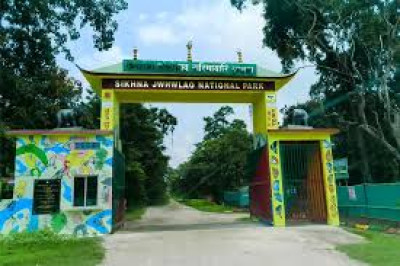
In Depth
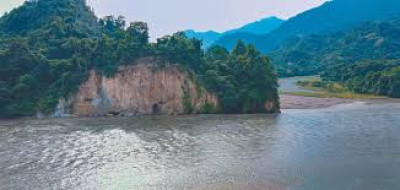
The name Ultapani literally means 'Reverse Water', referring to the unique flow of the river inside the forest that moves from west to east, which is opposite to the usual river flow pattern of the northern Brahmaputra plains. This natural phenomenon makes the forest geographically and environmentally significant.
Biodiversity and Wildlife
Ultapani Reserve Forest is widely regarded as a biodiversity hotspot of western Assam. The forest type is a rare combination of semi-evergreen and moist deciduous vegetation, creating ideal habitats for diverse species of flora and fauna.
One of the biggest attractions of Ultapani is its rich butterfly population. The forest is often described as a butterfly paradise, where visitors can witness hundreds of colourful butterflies gathered along forest trails and water puddles. It is also a natural habitat of the endangered Golden Langur, one of the most iconic primates of Assam.
Other notable wildlife includes the Great Pied Hornbill, several species of orchids, reptiles, amphibians, and countless insects. The presence of medicinal plants, fruit-bearing trees, and timber species adds to the ecological value of the forest.
Cultural and Historical Significance
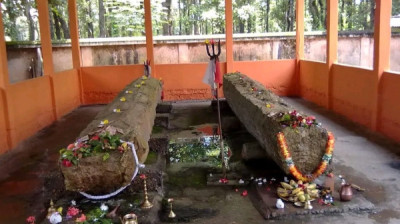
Ultapani holds spiritual and cultural importance among the local Bodo and Bhutanese communities. Traditionally, the forest was referred to as Gonghar Lam, meaning 'the path of the monk'. According to local legends, Guru Padmasambhava once passed through these forests while traveling towards Bhutan. Remnants of ancient pathways can still be found deep inside the forest, adding a mystical charm to the region.
The area lies close to the Indo-Bhutan border and was historically used as a transit route between India and Bhutan. Today, Ultapani reflects a harmonious coexistence of nature, culture, and traditional lifestyles.
Best Time to Visit Ultapani Reserve Forest
The ideal time to visit Ultapani Reserve Forest is from October to April, when the weather remains pleasant and forest trails are accessible. Winter months are perfect for birdwatching and butterfly sightings, while spring enhances the forest with blooming flowers and orchids.
The monsoon season from June to September should be avoided due to heavy rainfall, slippery roads, and restricted forest access.
How to Reach Ultapani Reserve Forest
Where to Stay Near Ultapani
There are no luxury resorts inside Ultapani Reserve Forest. However, visitors can find comfortable accommodation options in Kokrajhar town, including budget hotels, guest houses, and government lodges.
Eco-tourism enthusiasts may also explore forest rest houses or community-based homestays near the forest area, subject to prior permission from forest authorities.
Why Visit Ultapani Reserve Forest
Ultapani is ideal for nature lovers, wildlife photographers, butterfly researchers, and travelers seeking offbeat destinations. Its untouched forest trails, rare wildlife sightings, and peaceful surroundings make it a hidden gem of Assam tourism.
QUICK INFO TABLE: Ultapani Reserve Forest, Assam
| Attribute | Details |
|---|---|
| Name | Ultapani Reserve Forest |
| Location | Kokrajhar District, Assam |
| Forest Division | Haltugaon Forest Division |
| Biosphere | Manas Biosphere Landscape |
| Distance from Kokrajhar | Approx. 55 km |
| Meaning of Name | Reverse Water |
| Forest Type | Semi-evergreen and moist deciduous |
| Famous For | Butterflies, Golden Langur, Great Pied Hornbill |
| Best Time to Visit | October to April |
| Nearest Railway Station | Kokrajhar Railway Station |
| Nearest Airport | Guwahati International Airport |
| Entry Permission | Required from Forest Department |
| Ideal For | Nature lovers, wildlife photographers, eco tourists |
FAQs on Ultapani Reserve Forest
1. Where is Ultapani Reserve Forest located?
Ultapani Reserve Forest is located in Kokrajhar district of Assam under the Haltugaon Forest Division and forms part of the Manas Biosphere landscape near the Indo-Bhutan border.
2. Why is Ultapani Reserve Forest famous?
Ultapani is famous for its rich biodiversity, large butterfly population, Golden Langur habitat, orchids, and the unique river system where water flows in a reverse direction.
3. What does Ultapani mean?
The word Ultapani means 'Reverse Water', referring to the river inside the forest that flows from west to east, unlike most rivers in the region.
4. Which animals can be seen in Ultapani Reserve Forest?
The forest is home to Golden Langur, Great Pied Hornbill, butterflies, reptiles, amphibians, and various bird species.
5. Is Ultapani Reserve Forest part of Manas National Park?
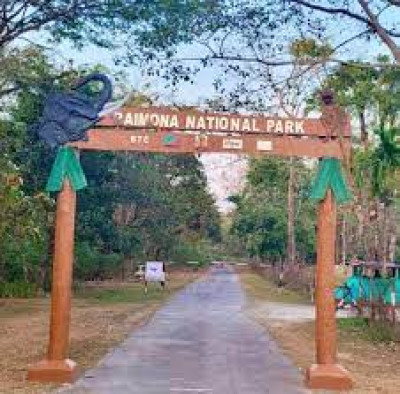
Ultapani is not inside Manas National Park but forms an important ecological part of the larger Manas Biosphere Reserve landscape.
6. What is the best time to visit Ultapani Reserve Forest?
The best time to visit is between October and April when the weather is pleasant and forest trails remain accessible.
7. How can tourists reach Ultapani Reserve Forest from Guwahati?
From Guwahati, travelers can reach Kokrajhar by train or road and then travel approximately 55 km by road to Ultapani.
8. Are there hotels or resorts near Ultapani Reserve Forest?
There are no resorts inside the forest. Accommodation options are available in Kokrajhar town including hotels, guest houses, and government lodges.
9. Is prior permission required to visit Ultapani Reserve Forest?
Yes, visitors may require permission from the local forest department, especially for research, photography, or guided forest entry.
10. Is Ultapani Reserve Forest suitable for family trips?
Yes, Ultapani is suitable for families interested in nature, education, and eco tourism, provided safety guidelines are followed.