In Depth
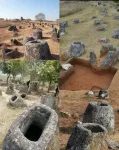
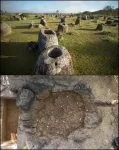
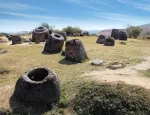
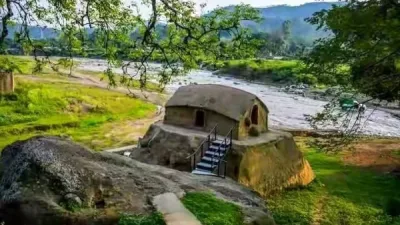
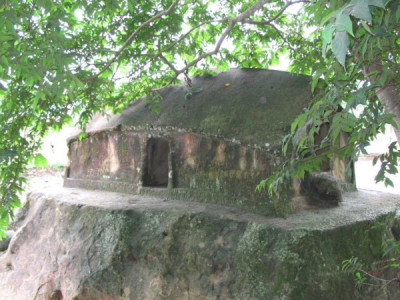
The most remarkable feature of Khobak is its collection of large stone jars, locally associated with the name Lungzubel. These unusual stone vessels are carved from rock and occur in different shapes and sizes. Their purpose remains an important subject of archaeological interest. Earlier researchers proposed that some of the jars may have been connected with funerary practices, while local traditions associate them with older cultural practices and the storage of rice beer. Because the site has not been completely investigated or scientifically dated, several questions surrounding its origin and original use remain open.
The Khobak stone jar site was documented by British administrators and researchers J.H. Hutton and J.P. Mills during the early 20th century. Their work brought attention to the unusual stone jars found across parts of the North Cachar Hills, now known as Dima Hasao. The jars have also attracted comparisons with megalithic stone jars found in parts of Southeast Asia, particularly the famous Plain of Jars region of Laos. These similarities have encouraged further interest in the cultural connections and ancient traditions of the wider region.
An additional megalithic area near the historic stone jar site has revealed several varieties of stone structures. Archaeological investigations have identified features including menhirs, dolmens, stone circles, cylindrical stones and other carefully shaped or decorated sandstone structures. Some discoveries of iron objects and unfinished stone pieces have also added to the archaeological importance of the location. The presence of unfinished objects has led researchers to consider whether some activities associated with stone working may have taken place in the area.
Khobak is also significant from a cultural perspective. Local traditions connect the megalithic landscape with the heritage and practices of the Biate community. The site therefore represents more than an archaeological curiosity; it forms part of the cultural history of the hill communities of Dima Hasao.
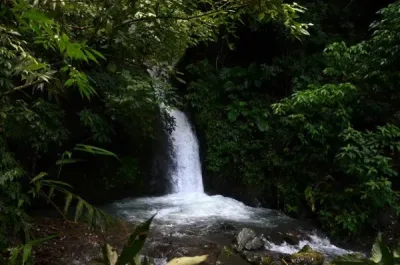
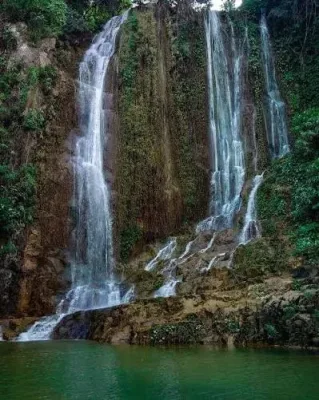
For visitors, reaching Khobak offers an opportunity to combine heritage exploration with the natural beauty of the Dima Hasao hills. The remote setting, surrounding forests, mountain terrain and traditional village environment make the journey different from visiting conventional tourist attractions.
Khobak Archaeological Site is particularly suitable for travellers interested in archaeology, history, anthropology, indigenous culture and lesser-known destinations of Assam. Visitors should treat the stone structures as protected heritage, avoid climbing or touching fragile archaeological remains, and follow local guidance while exploring the area. As research and documentation of the site continue, Khobak remains an important and fascinating part of Assam's ancient archaeological landscape.