In Depth
The village is particularly known for its community-based approach to eco-tourism. Instead of treating tourism only as a commercial activity, the local community has been involved in managing tourism-related activities and using the benefits for village development. This makes Samparidisa an interesting destination for travellers looking for responsible tourism, indigenous culture, nature experiences and lesser-known places in Assam.
Community-Based Eco-tourism
Samparidisa became associated with community-based eco-tourism through the Village Eco-Tourism Committee, or VETC. The committee works at the village level and involves local households in managing tourism activities.
The eco-tourism initiative at Samparidisa was formally launched on September 25, 2016, with trekking activities to the nearby Bendao Baiglai Waterfall. The initiative was developed with community participation and aimed to create an additional source of income while encouraging conservation and responsible tourism.
The village's approach also highlights the importance of keeping the surroundings clean. Samparidisa has promoted a plastic-free tourism environment and encourages visitors to respect the village, its natural resources and local customs.
Dimasa Culture and Village Life
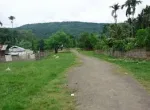
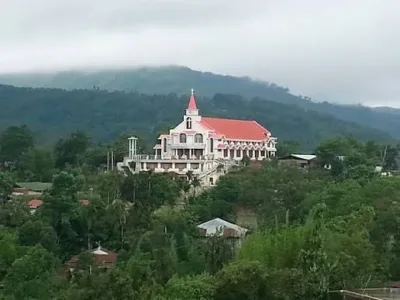
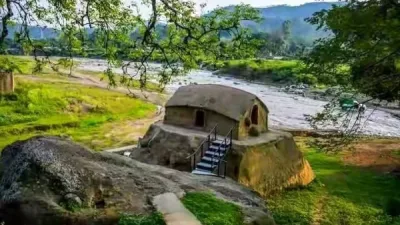
One of the main reasons to visit Samparidisa is the opportunity to experience the traditional environment of a Dimasa village. The destination offers a more personal experience than conventional sightseeing locations because visitors can observe village life, local traditions, food practices and the surrounding agricultural landscape.
The community-run nature of tourism also creates opportunities for visitors to interact with local residents and understand the cultural character of Dima Hasao.
Travellers should remember that Samparidisa is a living village rather than a conventional commercial tourist attraction. Visitors are therefore expected to respect local privacy, traditions, property and community rules.
Bendao Baiglai Waterfall
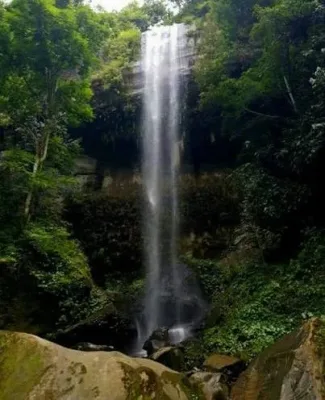
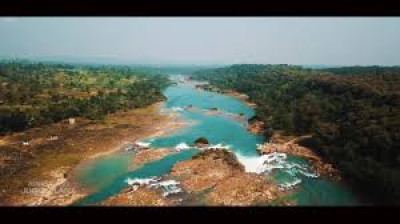
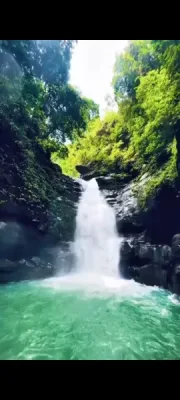
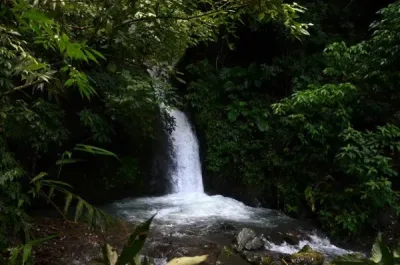
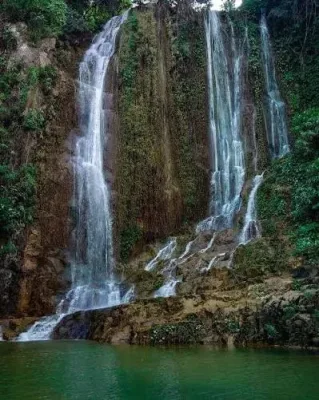
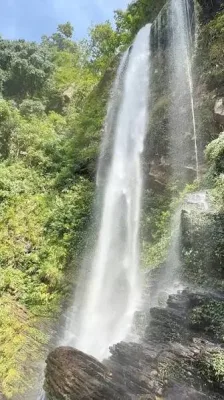
Bendao Baiglai Waterfall is the principal natural attraction associated with Samparidisa. The waterfall is located approximately 3 km from the village and can be reached through a forest trail.
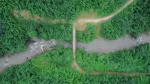
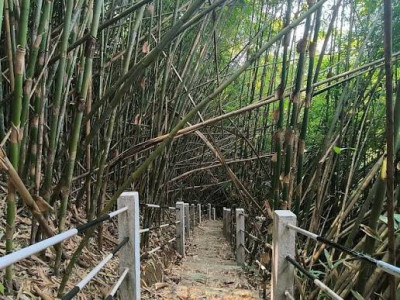
The journey to the waterfall is part of the experience. The trail passes through green forest, bamboo vegetation and areas associated with traditional cultivation. The approximately 3 km trek can be physically demanding in some sections, particularly during wet weather, so visitors should wear suitable footwear and carry sufficient drinking water.
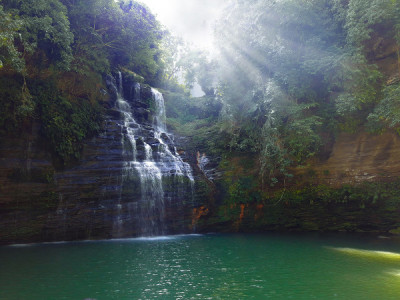
The waterfall is known for its multi-tiered cascade and natural pools surrounded by forest. According to local folklore, the name Bendao Baiglai is associated with a story involving two sisters. The local interpretation of the name is often connected with the idea of "two sisters" and "jumping", although visitors should regard this as part of local oral tradition.
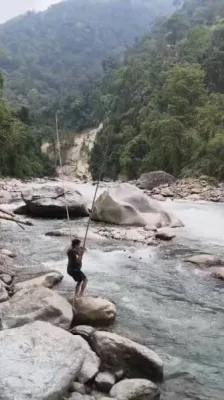
The waterfall is especially attractive during and shortly after the monsoon when water flow increases and the surrounding vegetation becomes lush. However, the same period can make the trail slippery and river crossings or rocky sections more hazardous.
Nature, Forest and Landscape
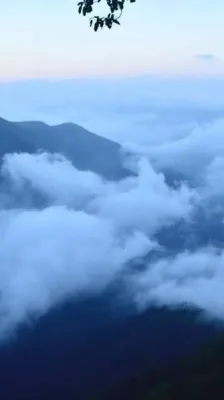
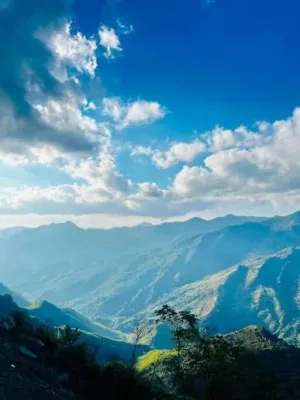
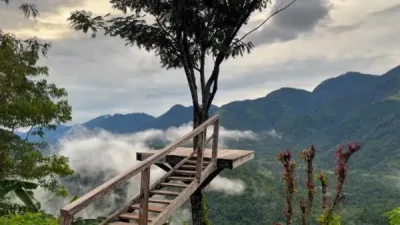
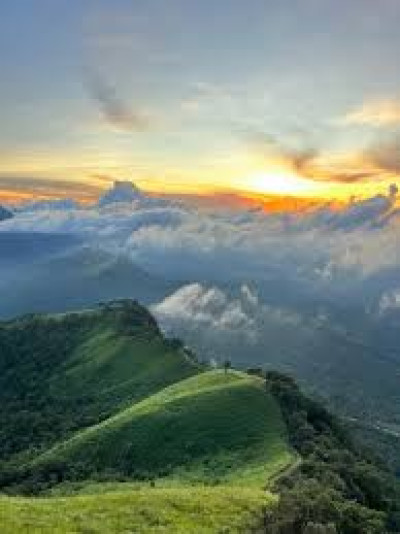
Samparidisa is surrounded by the characteristic hilly landscape of Dima Hasao. Forest trails, bamboo groves, green slopes and agricultural areas create a natural setting for walking and photography.
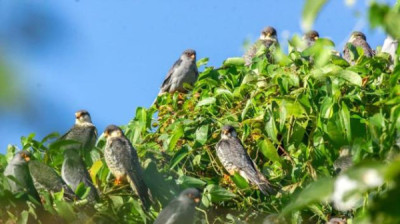
The area can also be interesting for people interested in birds, butterflies and native vegetation. Wildlife sightings are not guaranteed, but the relatively natural surroundings make the village and its trails suitable for quiet nature observation.
Photography is another popular activity. Visitors can capture village landscapes, traditional surroundings, bamboo groves, forest paths, hills and seasonal scenery. Photographers and videographers should always respect the privacy of local residents and follow any restrictions established by the village committee.
Things to Do at Samparidisa Eco-tourism Village
A visit to Samparidisa can include several experiences depending on the season and local arrangements:
- Trek to Bendao Baiglai Waterfall
- Explore traditional Dimasa village surroundings
- Experience local village life and hospitality
- Taste locally prepared traditional food where available
- Walk through forest and bamboo trails
- Explore nearby jhum cultivation areas
- Enjoy bird and butterfly watching
- Photograph hills, forests and village landscapes
- Stay in a community-supported homestay where available
- Learn about community-based and sustainable tourism
Best Time to Visit Samparidisa
The ideal time depends on what type of experience you want.
July to September is particularly attractive for visitors who want to see Bendao Baiglai Waterfall with stronger water flow and lush green surroundings. However, monsoon trekking requires additional caution because trails can become muddy and slippery.
October to April generally provides more comfortable conditions for village exploration, photography and outdoor activities. The weather is usually more suitable for trekking and road travel compared with the peak monsoon period.
Before travelling during heavy rainfall, visitors should confirm the condition of the road and waterfall trail with local contacts.
How to Reach Samparidisa Eco-tourism Village from Guwahati?
By Road from Guwahati: Guwahati is the main starting point for many travellers visiting Dima Hasao. Haflong is approximately 320-340 km from Guwahati by road, depending on the route. From Guwahati, travellers can drive towards Nagaon, Lanka and the hill areas leading to Haflong.
After reaching Haflong, Samparidisa is approximately 12-16 km away. The final journey can take around 30-45 minutes depending on the condition of the road and the mode of transportation.
By Road from Haflong: Private cars, motorcycles and reserved auto-rickshaws can be used to reach Samparidisa from Haflong. Shared or reserved local auto-rickshaws may also be available from Lower Haflong.
Older local information mentions fares of around Rs.60 per person for shared auto-rickshaw travel, but fares can change. Visitors should confirm the current fare before travelling.
The road conditions on some sections may be challenging, particularly around the Longkok-Jorai stretch. Small vehicles, motorcycles and other suitable vehicles may be able to reach the village depending on current road conditions.
By Train: New Haflong Railway Station is the most useful railway connection for travellers intending to visit Samparidisa. From the railway station, visitors can continue towards Haflong and then arrange local transport to the village.
By Air: Travellers arriving by air can use Lokpriya Gopinath Bordoloi International Airport in Guwahati or Silchar Airport and continue by road towards Haflong. Guwahati generally offers more extensive transport connections, while Silchar can be useful depending on the travel route.
Where to Stay at Samparidisa Eco-tourism Village?
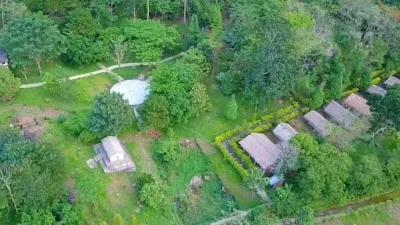
Visitors who want a deeper cultural experience can enquire about community-operated homestay arrangements in Samparidisa. Facilities in village homestays may be simpler than hotels in larger towns, but staying locally can provide a closer experience of Dimasa village life and local hospitality.
Another practical option is to stay in Haflong, which has a wider selection of hotels, guest houses and homestays. Haflong can also serve as a convenient base for exploring other attractions in Dima Hasao.
Travellers should confirm accommodation availability before visiting, particularly during weekends, holidays and periods when the Bendao Baiglai Waterfall receives more visitors.
Whom to Contact
For visiting Samparidisa and trekking to Bendao Baiglai Waterfall, visitors should contact the Samparidisa Village Eco-tourism Committee or a local village representative before starting the journey.
Available contact numbers associated with Samparidisa Eco-tourism are:
Note*: These contact numbers have been collected from available tourism references. Please verify their authenticity and current availability before contacting them.
Visitors should also enquire about current road conditions, waterfall access, guide availability, entry charges, accommodation and weather-related restrictions.
Entry Fee and Guide Charges
Historical information from the Samparidisa Village Eco-tourism Committee indicates that visitors to the Bendao Baiglai Waterfall conservation area may be required to register with the village committee and pay an entry fee.
Previously published rates included approximately Rs.30 for local and domestic visitors using smartphones and Rs.50 for foreign visitors. Separate charges were also listed for cameras and commercial videography.
A guide charge of approximately Rs.300 per guide for a round trip to the waterfall has also been mentioned in earlier guidelines.
Because these rates may have changed, visitors should confirm the current entry fee, guide charge and photography rules with the local committee before travelling.
Rules and Responsible Tourism
Samparidisa follows a community-oriented approach to tourism, so visitors are expected to cooperate with the local eco-tourism committee.
Visitors should register before proceeding towards the Bendao Baiglai conservation area and should use a local guide when required. The guide is important not only for navigation but also for understanding local rules and staying safe on the forest trail.
The village promotes a clean and plastic-conscious environment. Travellers should avoid littering and should use designated waste bins where provided.
Alcohol and intoxicating substances should not be taken into the waterfall conservation area. Visitors should not cook or leave food waste in restricted areas close to the waterfall.
Do not write, paint or carve names on trees, rocks, signs or other natural features. Avoid disturbing plants, animals and local residents.
The purpose of these guidelines is to protect the environment and ensure that tourism contributes positively to the community.
Safety Tips
The trek to Bendao Baiglai Waterfall requires reasonable physical fitness. Carry drinking water, wear shoes with good grip and avoid unnecessary risks on wet rocks.
During the monsoon, rainfall can quickly change trail and waterfall conditions. Avoid entering the water when the current is strong and follow instructions from local guides or authorities.
Children and inexperienced trekkers should remain under supervision, especially near steep sections, slippery rocks and water bodies.
Visitors should also avoid travelling to remote sections alone. Inform the village committee before beginning the waterfall trek and follow the designated route.
Why Visit Samparidisa Eco-tourism Village?
Samparidisa offers a combination of natural scenery, indigenous culture and community-based tourism that is relatively different from conventional tourist destinations in Assam.
The village provides an opportunity to explore Dimasa traditions while supporting a tourism model in which local residents participate in managing visitor activities. The nearby Bendao Baiglai Waterfall adds an adventurous element through its forest trek, while the surrounding hills and village landscapes make the destination attractive to photographers and nature lovers.
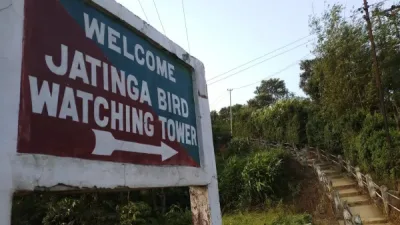
For travellers exploring Dima Hasao, Samparidisa can be included in a wider itinerary covering Haflong, Jatinga, Maibang, Umrangso and other natural and cultural attractions of the district.
QUICK INFO ABOUT Samparidisa Eco-tourism Village:
| Information | Details |
|---|---|
| Tourist Place | Samparidisa Eco-tourism Village |
| Location | Samparidisa, Dima Hasao, Assam |
| District | Dima Hasao |
| Nearest Major Town | Haflong |
| Approx. Distance from Haflong | 12-16 km |
| Approx. Travel Time from Haflong | 30-45 minutes |
| Main Community | Dimasa |
| Main Attraction | Community-based eco-tourism and Bendao Baiglai Waterfall |
| Waterfall Distance from Village | Approx. 3 km |
| Waterfall Trek | Approx. 3 km |
| Best Time | October to April for comfortable travel; July to September for stronger waterfall flow |
| Main Activities | Trekking, sightseeing, photography, village experience, nature walks |
| Accommodation | Community homestays and accommodation in Haflong |
| Nearest Railway Station | New Haflong Railway Station |
| Guwahati Distance to Haflong | Approx. 320-340 km |
| Local Transport | Car, bike and auto-rickshaw, subject to availability |
| Eco-tourism Committee | Samparidisa Village Eco-tourism Committee |
| Contact | +91 9127366148, +91 9401504573 |
| Guide Fee | Historical reference: approx. Rs.300 per round trip |
| Entry Fee | Historical rates available; verify current charges locally |
| Tourism Type | Community-based and eco-tourism |
| Special Feature | Plastic-conscious village and Dimasa cultural experience |
FAQs About Samparidisa Eco-tourism Village
- Where is Samparidisa Eco-tourism Village located?
Samparidisa Eco-tourism Village is located in the Dima Hasao district of Assam, approximately 12 to 16 km from Haflong.
- Why is Samparidisa Eco-tourism Village famous?
Samparidisa is known for its community-based eco-tourism, Dimasa culture, clean village environment, natural surroundings and the nearby Bendao Baiglai Waterfall.
- How far is Samparidisa from Haflong?
Samparidisa is approximately 12 to 16 km from Haflong. Depending on road conditions and the type of vehicle used, the journey can take around 30 to 45 minutes.
- How can I reach Samparidisa from Guwahati?
Travellers can drive from Guwahati towards Haflong and then continue approximately 12 to 16 km from Haflong to Samparidisa. A private car or hired vehicle is generally more convenient for the complete journey.
- What is the main attraction near Samparidisa Eco-tourism Village?
Bendao Baiglai Waterfall is the main natural attraction near Samparidisa. It is approximately 3 km from the village and requires a forest trek to reach.
- How long is the trek to Bendao Baiglai Waterfall?
The trek from Samparidisa village to Bendao Baiglai Waterfall is approximately 3 km. The trail passes through forested areas, bamboo vegetation and hilly terrain.
- What is the best time to visit Samparidisa?
October to April is generally suitable for comfortable sightseeing and trekking. July to September can be attractive for visitors who want to see the waterfall with stronger water flow, although monsoon conditions can make the trail slippery.
- Can I stay at Samparidisa Eco-tourism Village?
Visitors can enquire about community-operated homestays in Samparidisa. Haflong is another practical option for accommodation and offers a wider choice of hotels, guest houses and homestays.
- Do I need a guide to visit Bendao Baiglai Waterfall?
Visitors should contact the Samparidisa Village Eco-tourism Committee before proceeding to the waterfall and follow the current local rules regarding guides and registration. A local guide is recommended for the forest trek.
- What activities can I do at Samparidisa Eco-tourism Village?
Popular activities include trekking to Bendao Baiglai Waterfall, nature walks, photography, bird and butterfly watching, experiencing Dimasa village life, tasting local food and staying in community-supported homestays where available.