In Depth
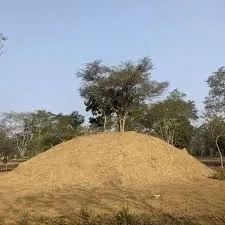
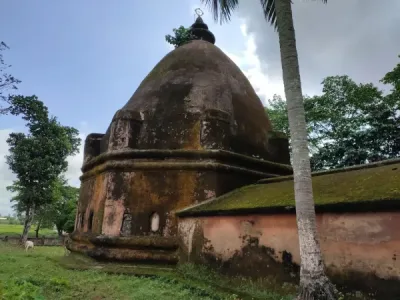
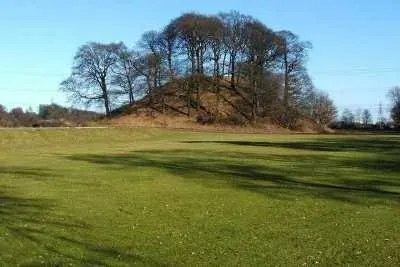
The principal maidams at Barbarua are traditionally associated with Bura Dihingia Barbarua, also known as Alon Dihingia Borborua, and his son Deka Dihingia Barbarua. Both held the important Barbarua position in the Ahom administration, an influential office connected with military, executive and judicial responsibilities. Smaller burial mounds at the site are also associated with other officials and soldiers.
Maidams are an important part of Ahom heritage and represent a distinctive form of funerary architecture. Their mound-like and vaulted structures reflect the customs, engineering skills and social traditions of the Ahom period. The site therefore provides an opportunity to learn about the administrative history and burial practices of one of Assam's most influential historical kingdoms.
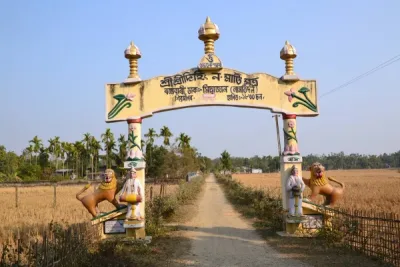
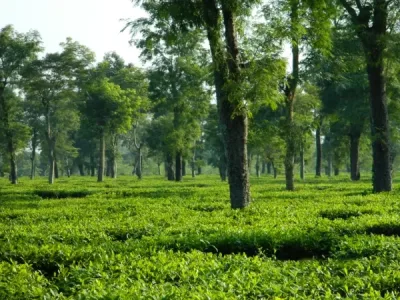
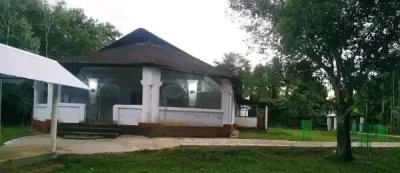
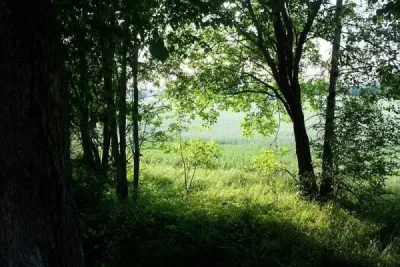
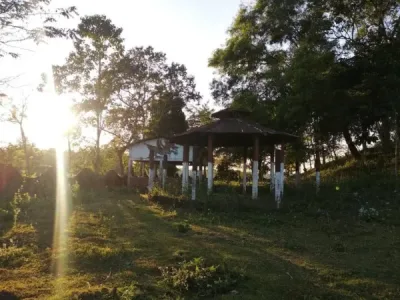
Today, Barbarua Maidam remains an open green area used by local residents for walking, jogging, sports and community activities while retaining its historical importance. The site can be visited during daylight hours, and there is generally no entry fee. October to April is a comfortable period to explore the location because of the pleasant weather. Visitors travelling from Dibrugarh can easily reach Barbarua Maidam by road using buses, taxis or auto-rickshaws along NH-37.