In Depth
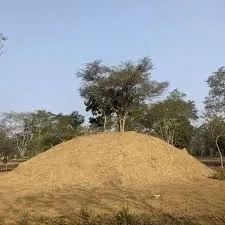
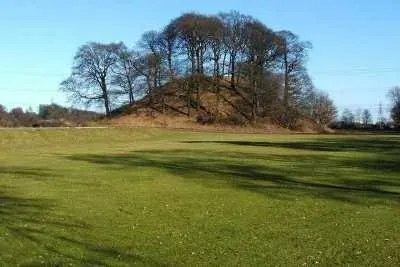
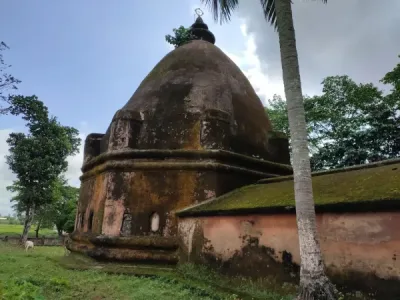
Tipam is historically associated with the arrival of Chaolung Sukapha and his followers in Assam in 1228 AD after crossing the Patkai Hills. The Tipam region formed an important early settlement area for the Ahoms before the kingdom's political centre later shifted towards Charaideo. The surrounding Tipam Deosali Hills and nearby historical remains provide an opportunity to understand the early stages of Ahom history in Assam.
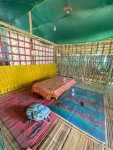
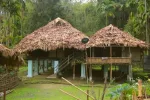
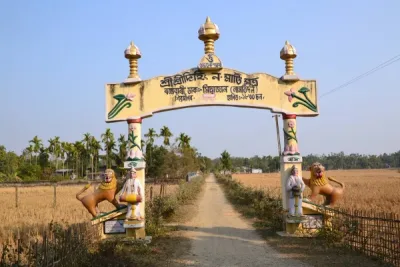
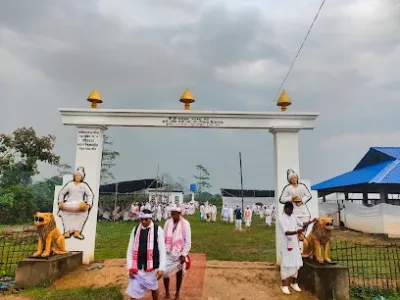
One of the most interesting aspects of Tipam is its Tai Phake heritage. The Tai Phake community has maintained its distinctive language, Buddhist traditions, traditional lifestyle, architecture, clothing and food practices over generations. A visit to Tipam Phake village offers travellers a chance to experience this living cultural heritage in a peaceful rural setting rather than simply viewing it as a historical attraction.
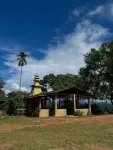
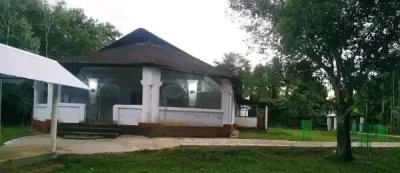
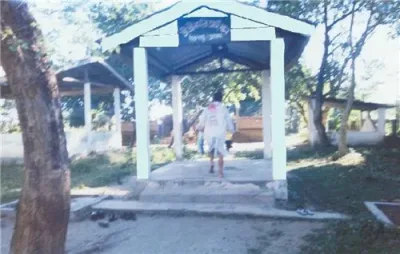
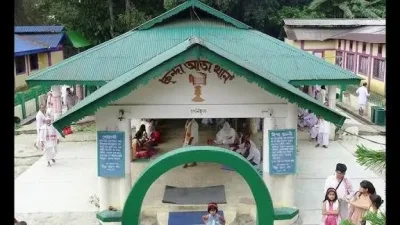
The traditional Buddhist monastery at Tipam is another important attraction. Established in the 19th century, the monastery reflects the Buddhist faith and architectural traditions of the Tai Phake people. Visitors can observe the peaceful monastic environment, traditional structures and religious practices while learning more about the community's cultural heritage. Travellers should maintain appropriate behaviour and follow local customs when visiting religious places.
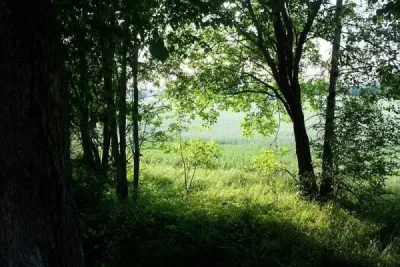
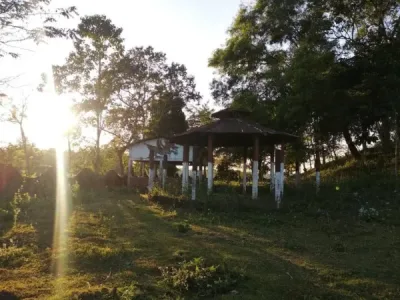
Tipam Deosali is also known for its elevated landscape and historical importance. The hill area provides scenic views of the surrounding countryside, including forests, tea gardens and river landscapes. The route towards the hilltop can involve a considerable climb, making it more suitable for visitors who are comfortable walking or trekking. The combination of greenery, fresh air and panoramic scenery makes the area attractive to nature lovers and photographers.
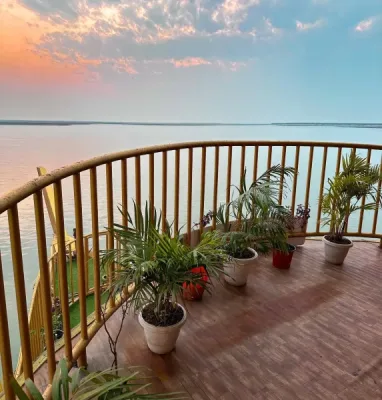
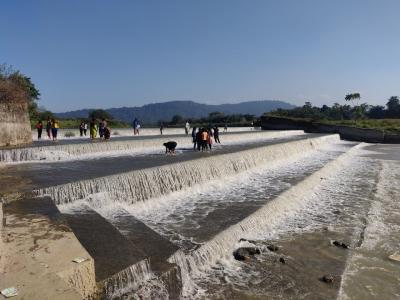
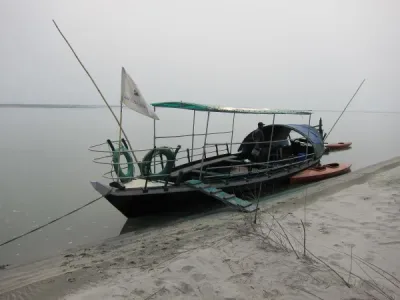
The Dihing or Burhi Dihing river landscape adds another dimension to a visit to Tipam. The riverside surroundings and nearby rural areas offer opportunities for peaceful walks, photography, bird watching and enjoying Assam's natural environment. The wider region is also close to the Dehing Patkai landscape, one of Upper Assam's important forest regions.
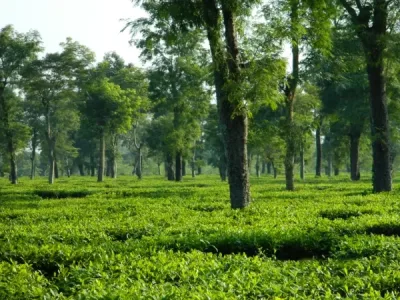
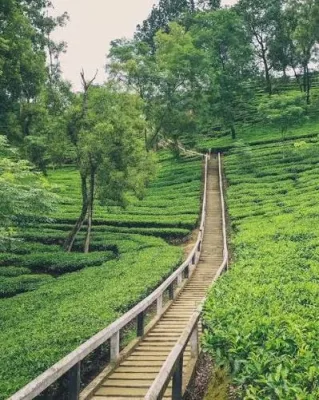
Tipam's connection with Assam's tea-growing region further contributes to its appeal. Tea gardens, green countryside and forested areas create a characteristic Upper Assam landscape around the village. Visitors interested in photography, history, culture and slow travel can combine these experiences while exploring the area.
The village is located approximately 18 km from Naharkatia and around 58 km from Dibrugarh town, making Naharkatia an important access point for travellers. Dibrugarh Airport is the nearest major airport, while railway and road connections through Naharkatia provide additional travel options.
For accommodation, visitors can look for homestays, eco-friendly community accommodation and hotels in and around Naharkatia and nearby towns. Traditional village-based accommodation may also be available depending on local arrangements and availability. Travellers interested in experiencing Tai Phake culture more closely should confirm accommodation and visiting arrangements with local community representatives before travelling.
The best time to explore Tipam is generally during the cooler and drier months, when outdoor sightseeing and hill visits are more comfortable. The monsoon season can bring heavy rainfall and slippery conditions, so visitors planning to explore the hills or rural roads should check local weather and road conditions beforehand.
Tipam Village is more than a scenic destination. Its importance comes from the way history, indigenous culture, Buddhism, rivers, hills and tea-growing landscapes exist together in one region. For anyone exploring historical places in Dibrugarh or looking for cultural tourist destinations in Assam, Tipam offers a distinctive experience connected to the early Ahom period and the living heritage of the Tai Phake community.
How to Reach Tipam Village from Guwahati?
By Air: The quickest option from Guwahati is to take a flight to Dibrugarh Airport. From the airport, travellers can hire a private taxi or arrange local transportation towards Naharkatia and Tipam. The airport-to-Tipam journey should be planned in advance because local transport availability may vary.
By Train: Travellers can take a train from Guwahati towards Dibrugarh or Naharkatia, depending on the available service. From the nearest suitable railway station, local taxis, shared vehicles or other road transport can be used to continue towards Tipam.
By Road: Tipam can also be reached by road from Guwahati through Upper Assam. Travellers can travel towards Dibrugarh and Naharkatia and then continue towards Tipam. Because travel times can vary significantly with traffic, weather and road conditions, checking the current route before departure is recommended.
Where to Stay Near Tipam Village?
Accommodation options around Tipam may include community-based stays, homestays and simple eco-friendly accommodation. Visitors can also consider hotels and guesthouses in Naharkatia or Dibrugarh if they prefer more conventional facilities.
If the purpose of the visit is to experience Tai Phake culture, a locally operated homestay or community accommodation can provide a more meaningful experience. Availability should be confirmed before travelling, particularly during festivals and holiday periods.
Important Visitor Tips
- Respect Buddhist religious places and local customs.
- Dress appropriately when entering monasteries or religious sites.
- Ask permission before photographing local residents, religious ceremonies or private properties.
- Carry drinking water when exploring the hill areas.
- Wear suitable footwear if visiting Tipam Deosali or walking on rural trails.
- Check weather conditions during the monsoon season.
- Avoid littering and help preserve the village's natural and cultural environment.
- Confirm local accommodation and transport before travelling from outside Dibrugarh district.
Quick Info About Tipam Village, Dibrugarh
| Information | Details |
|---|---|
| Tourist Place | Tipam Village |
| Also Known As | Tipam Phake, Tipam Fakial |
| District | Dibrugarh |
| Region | Upper Assam |
| Nearest Major Town | Naharkatia |
| Distance from Naharkatia | Approximately 18 km |
| Distance from Dibrugarh | Approximately 58 km |
| Nearest Airport | Dibrugarh Airport |
| Main Community | Tai Phake |
| Religion and Heritage | Theravada Buddhist tradition |
| Historical Association | Early Ahom settlement and Chaolung Sukapha |
| Major Attraction | Tipam Deosali Hills |
| Cultural Attraction | Tai Phake village and Buddhist monastery |
| Nearby Natural Features | Hills, tea gardens and Dihing/Burhi Dihing river landscape |
| Best For | History, culture, nature, photography and heritage tourism |
| Recommended Season | October to April, subject to local weather |
| Accommodation | Homestays, eco-stays and hotels in the surrounding area |
| Nearest Access Point | Naharkatia |
| Suitable Activities | Sightseeing, cultural exploration, photography, nature walks and light trekking |
FAQs About Tipam Village, Dibrugarh
1. Where is Tipam Village located?
Tipam Village is located in the Naharkatia area of Dibrugarh district in Upper Assam. It is known for its historical association with the early Ahom kingdom and the cultural heritage of the Tai Phake community.
2. Why is Tipam Village famous?
Tipam is famous for its connection with the early history of the Ahom kingdom, Tai Phake culture, Buddhist heritage, Tipam Deosali Hills, scenic surroundings and nearby tea gardens and river landscapes.
3. What is the historical importance of Tipam?
Tipam is associated with the arrival of Chaolung Sukapha and his followers in Assam in 1228 AD after crossing the Patkai Hills. The region became an important early settlement area of the Ahoms before their political centre moved elsewhere.
4. Who are the Tai Phake people of Tipam?
The Tai Phake are a Tai-speaking ethnic community with a distinctive cultural and Buddhist heritage. The community has preserved its language, traditions, architecture, cuisine and religious practices in Tipam and other parts of Upper Assam.
5. What can tourists see in Tipam Village?
Visitors can explore the Tai Phake village, Buddhist monastery, Tipam Deosali area, surrounding hills, tea gardens, river landscapes and places associated with the early history of the Ahoms.
6. How far is Tipam Village from Naharkatia?
Tipam Village is approximately 18 km from Naharkatia. Naharkatia is one of the main access points for visitors travelling to Tipam.
7. How far is Tipam from Dibrugarh?
Tipam is approximately 58 km from Dibrugarh town, although the actual travel distance and time can vary depending on the selected route and road conditions.
8. What is the best time to visit Tipam Village?
The cooler and relatively dry months are generally more comfortable for exploring Tipam, especially for outdoor activities and visiting the hill areas. During the monsoon, visitors should be careful because of heavy rainfall and potentially slippery roads and trails.
9. How can I reach Tipam Village from Guwahati?
From Guwahati, travellers can reach Dibrugarh by air, train or road and then continue towards Naharkatia. From Naharkatia, local taxis, shared vehicles or other local transport can be used to reach Tipam. Travellers should check current transport schedules and road conditions before starting the journey.
10. Whom should I contact before visiting Tipam Village?
For visiting community-managed sites, monasteries or village-based accommodation, it is advisable to contact the local village representatives, monastery authorities or accommodation provider in advance. This can help visitors understand local customs, visiting hours, accommodation availability and any restrictions applicable during festivals or religious occasions.