In Depth
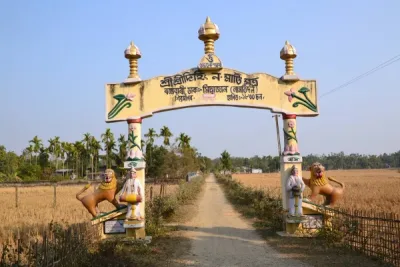
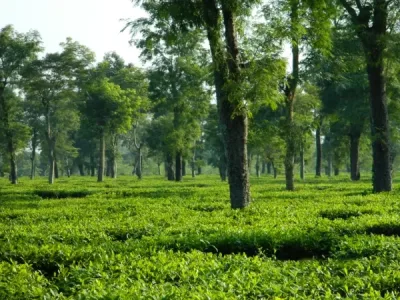
The village offers a combination of spirituality, traditional lifestyle, riverside scenery and cultural heritage. Visitors can explore the monastery complex, observe traditional raised houses, learn about Tai Phake customs and enjoy the quiet natural surroundings away from the busy tourist centres of Assam.
History of Namphake Village
The Tai Phake people are one of the Tai communities that migrated into Northeast India over different periods from areas associated with present-day Myanmar and Southeast Asia. Historical accounts connect the community's ancestral roots with the wider Tai cultural region, including areas of present-day Yunnan in China. The Tai Phake community eventually established settlements in Assam and developed a distinct cultural identity while maintaining strong Buddhist traditions.
Namphake developed as an important Tai Phake settlement around the 19th century. The community's close connection with Theravada Buddhism is reflected in the village monastery, religious practices and annual festivals. The settlement has continued to preserve many traditional elements despite gradual changes in modern lifestyle.
Namphake Buddhist Monastery
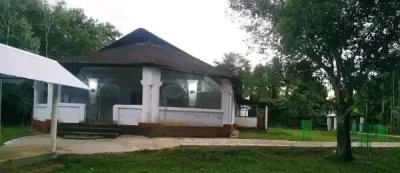
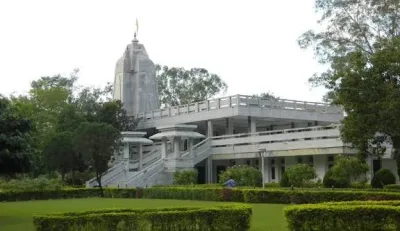
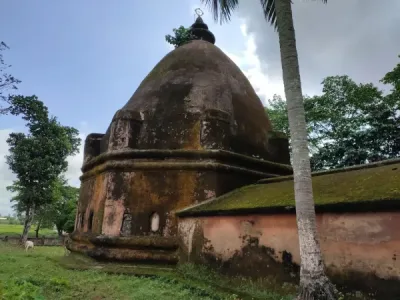
The Namphake Buddhist Monastery is the main attraction of the village and an important centre of Theravada Buddhist tradition in Assam. Established around 1850, the monastery attracts visitors interested in Buddhist culture, Tai Phake heritage and the religious history of Upper Assam.
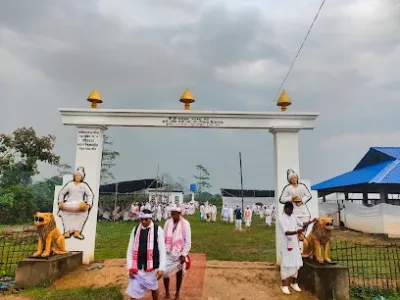
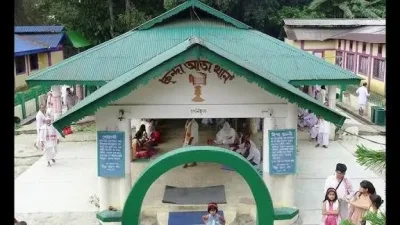
The monastery complex contains a Buddha image, religious objects, traditional architectural features and the sacred Mucalinda Tank. Visitors can also see a pagoda-style structure, an Ashokan Pillar replica and a sacred Puthi tree associated with Buddhist tradition. Traditional manuscripts and cultural materials connected with the Tai Phake community add to the historical importance of the site.
The monastery is not simply a tourist attraction; it continues to function as a place of worship and community life. Visitors should therefore maintain silence where appropriate, dress modestly and follow local instructions while exploring the complex.
Tai Phake Culture and Traditional Lifestyle
Namphake Village is particularly important because the Tai Phake community continues to maintain many elements of its traditional identity. The community has its own language and cultural practices, while Assamese is also used for communication with people outside the community.
Traditional raised houses, commonly associated with the chang ghar style of Northeast India, can be found in the village. These structures reflect the need to adapt residential architecture to the local environment, including seasonal water conditions.
Food, clothing, religious customs and festivals are important parts of Tai Phake life. Traditional practices associated with Buddhist observances continue to connect everyday community life with the monastery. Visitors interested in cultural tourism can gain a deeper understanding of Assam's ethnic diversity by spending time in the village and interacting respectfully with local residents.
What to See at Namphake Village?
Namphake Village has several attractions within and around the settlement.
Namphake Buddhist Monastery is the principal attraction and the spiritual centre of the Tai Phake community.
Important attractions inside the monastery include: Mucalinda Tank (Nong Mung Chiringta) – A sacred water tank, Ashoka Pillar, Pagodas (Cong Moo), Dhamma Cheti (repository of ancient Buddhist manuscripts), Kyang Fra (Buddhist statue chamber), Puthi Tree – grown from a branch of the original Bodhi Tree at Bodhgaya, Buddhist relics, scrolls, artefacts & manuscripts, The monastery serves as a meditation centre, attracting monks and visitors seeking peace and spiritual reflection.
Mucalinda Tank is an important feature within the monastery complex and is associated with Buddhist tradition.
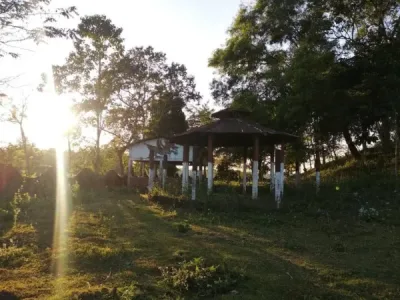
Traditional Tai Phake Houses provide an opportunity to observe the distinctive architecture and settlement pattern of the community.
Pagoda and Ashokan Pillar Replica add to the Buddhist character and visual appeal of the monastery complex.
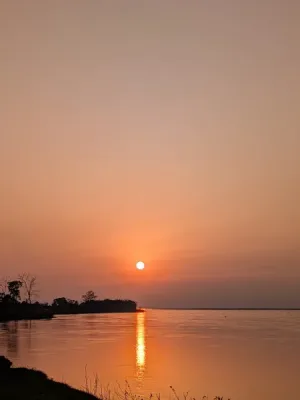
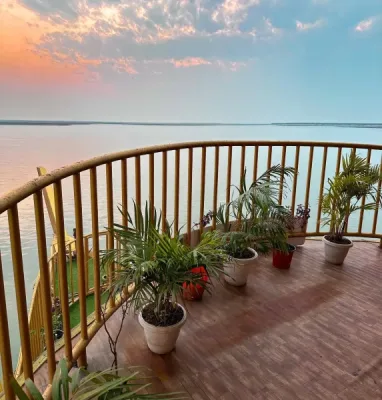
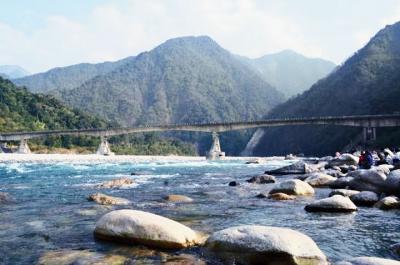
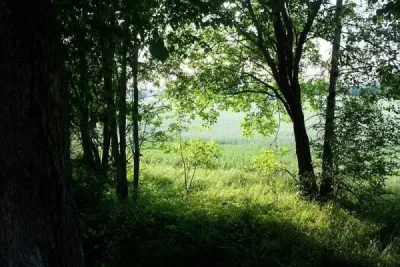
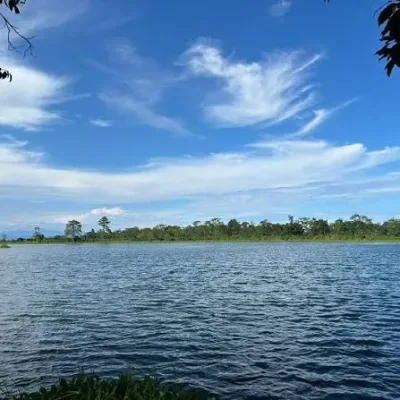
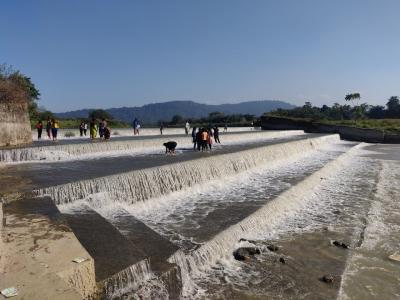
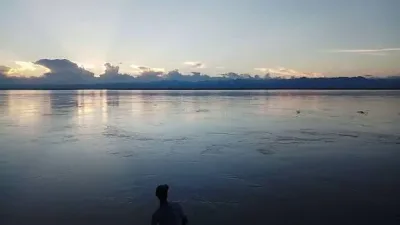
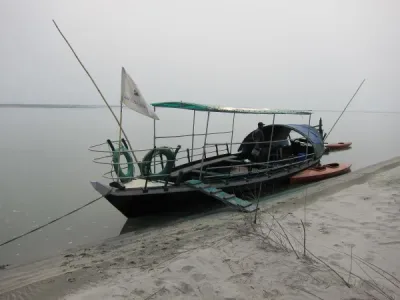
Burhi Dihing River flows near the village and creates a calm natural setting, particularly suitable for enjoying the landscape and photographing the surrounding scenery.
Tai Phake Culture and Cuisine allow visitors to learn about local customs, traditional clothing and community food practices.
Festivals of Namphake Village
Religious and cultural festivals are an important part of life in Namphake. Poi-Nen-Chi is among the significant Buddhist occasions associated with the Tai Phake community and is generally observed with religious activities and community participation. Sangken, a traditional Tai festival connected with the Buddhist New Year, is also observed by Tai communities.
Major Tai-Phake festivals celebrated in Namphake include:
Poi-Nen-Chi (March – to honour Lord Buddha)
Poi-Nun-Hok (May – Birth anniversary of Buddha)
Poi Sang Ken (April – water festival similar to Songkran)
Poi Ok Wa, Poi Kanta, Poi Jayanti, Poi Kham Chang and many more
During these festivals, the village comes alive with traditional dance, chanting, rituals, and communal feasts. Festival dates and public activities can vary from year to year. Visitors planning a trip specifically for a festival should confirm the schedule locally before travelling.
Culture & Lifestyle of the Tai-Phake People
The Tai-Phake community follows the Theravada sect of Buddhism mixed with ancient animistic rituals. Their traditional attire includes:
Faa – colourful garments for men, Nangwat – breast wrap dress for married women, Faa Fouk – white embroidered cloth for young girls, Faa Ho – ceremonial turbans for elders
The villagers speak a Tai dialect close to Thai, making the language mutually understandable to Thai visitors. The Princess of Thailand visited Namphake in 2009, strengthening cultural ties between the communities.
Things to Do in Namphake Village
A visit to Namphake can include several simple and meaningful experiences. Visitors can explore the Buddhist monastery, walk through the village, observe traditional houses, learn about Tai Phake culture, enjoy the Burhi Dihing riverside landscape and take photographs of the natural and cultural surroundings.
The village is better suited to slow cultural exploration than to a packed sightseeing itinerary. Spending a few hours allows visitors to appreciate the peaceful environment and understand the relationship between the community, monastery and surrounding landscape.
How to Reach Namphake Village from Guwahati?
By Air: The easiest way to travel from Guwahati to Namphake Village is to take a flight from Lokpriya Gopinath Bordoloi International Airport in Guwahati to Dibrugarh Airport, also known as Mohanbari Airport. From Dibrugarh Airport, visitors can continue by taxi or private vehicle towards Naharkatia and Namphake Village.
By Train: Visitors can take a train from Guwahati to Dibrugarh or Naharkatia, depending on the available service and preferred route. Naharkatia Railway Station is one of the nearest railway access points to Namphake Village. Local taxis and other road transport can be used for the final journey.
By Road: Namphake can also be reached by road from Guwahati through Upper Assam. Travellers can proceed towards Dibrugarh and Naharkatia before continuing to the village. The final approach is a local road journey and travel time can vary according to traffic, weather and road conditions.
How to Reach Namphake Village from Dibrugarh?
Namphake Village is located near Naharkatia and can be reached from Dibrugarh by road. Visitors can hire a taxi or use a private vehicle and travel towards Naharkatia before continuing to Namphake. The exact distance and travel time may vary depending on the route and starting point.
Where to Stay at Namphake Village?
Visitors looking for an immersive cultural experience can look for local homestays and community-based accommodation in and around Namphake. Such stays may provide an opportunity to experience the local environment and traditional lifestyle more closely.
Basic accommodation options may also be available near the monastery or within the surrounding area, subject to local arrangements and availability. For more conventional hotels and guest houses, travellers can consider Naharkatia, Duliajan or Dibrugarh.
If you intend to stay at any community accommodation or monastery-associated facility, it is advisable to confirm availability and rules in advance rather than relying on walk-in accommodation.
Visitors can stay in the nearby eco-tourism options and resorts:
1) Tai-Phakey Eco Tourism Camp (Tipam Phakey Village)
Cottages with 10–16 bed capacity, Includes meals (breakfast & lunch)
River picnic, swimming, bird watching, trekking, Cultural tours & library
Price: ₹1700 per cottage per day (Approx)
Contact: +91 9577322997 / 8486843784
2) Eco-resorts near Burhi Dihing River
Several nature camps and river-view resorts near Dehing Patkai National Park offer accommodation for travellers visiting Namphake.
Whom to Contact for a Visit to Namphake Village?
For information about visiting the monastery, local cultural activities and community-related arrangements, visitors should first check with the Namphake Buddhist Monastery or its management/community representatives.
For official tourism-related information, travellers can also contact the Assam Tourism or relevant local administration. If accommodation, restricted areas or any special permission is involved, visitors should confirm the current requirements before travelling.
To plan a visit to Namphake Village, you can contact the Namphakey Buddhist Temple Management Committee or coordinate through officialsThe Namphakey Buddhist Temple Management Committee can be reached at +(91)-9435139688.
Local Guidance: For organized tours, transport, and homestay arrangements, regional operators like the Finderbridge travel team can be contacted at +91 8133804220.
Best Time to Visit Namphake Village
October to March is generally a comfortable period for visiting Namphake Village because the weather is more suitable for sightseeing and outdoor exploration. The winter and early spring months are particularly pleasant for walking around the village and visiting the monastery.
Visitors interested in Buddhist and cultural festivals may plan their trip around the relevant festival dates, but festival schedules should be confirmed locally before making travel arrangements.
Why Namphake Village is Important?
Namphake Village is significant because it represents one of Assam's distinctive Tai cultural communities and demonstrates how cultural traditions have continued alongside the wider social development of the state. The Buddhist monastery, traditional houses, language, food, festivals and religious practices together create a cultural landscape that is different from many other tourist destinations in Assam.
For travellers interested in Buddhist heritage, ethnic communities, traditional architecture, Assam's history and peaceful rural destinations, Namphake provides a valuable cultural experience near Dibrugarh.
What is Namphake Village and Tai Phake Village, Are They the Same?
Namphake Village and Tai Phake Village are related terms, but they do not mean exactly the same thing. Namphake Village refers to a specific and well-known Tai Phake settlement near Naharkatia in Dibrugarh district, Assam, located close to the Burhi Dihing River. It is recognised for its historic Namphake Buddhist Monastery and its continuing Tai Phake cultural traditions. The village is home to a significant Tai Phake population and is regarded as one of the most prominent Tai Phake settlements in Assam.
On the other hand, "Tai Phake village" is a broader term that can refer to different settlements where members of the Tai Phake community live. Apart from Namphake, Tai Phake settlements can be found in different parts of Assam and neighbouring Arunachal Pradesh, including places such as Tipamphake and Borphake.
Therefore, Namphake Village is a particular place, while Tai Phake village can be used as a general description for settlements inhabited by the Tai Phake people. For travellers searching for the famous Tai Phake cultural destination near Dibrugarh, Namphake Village is the specific location associated with the historic Buddhist monastery and traditional community life.
Namphake: A Lesser-Known Cultural Treasure of Assam
Namphake Village offers a peaceful opportunity to experience the living heritage of the Tai Phake community. The residents have preserved many aspects of their traditional identity, including their language, Buddhist customs, festivals, food and social practices. Many members of the community are bilingual, using the Tai Phake language within the community and Assamese for communication with people outside it. Traditional writing and cultural practices also form an important part of their heritage.
The Namphake Buddhist Monastery remains at the centre of religious life in the village and is one of the most significant Buddhist institutions associated with the Tai Phake community in Assam. Daily life in Namphake reflects a close connection between Buddhism and community traditions. One traditional practice involves offering the first portion of food to the monks at the monastery, reflecting the community's respect for Buddhist teachings and monastic life.
The cultural experience at Namphake extends beyond the monastery. Visitors can observe traditional ways of living, learn about Tai Phake customs, experience aspects of local cuisine and explore the village environment beside the Burhi Dihing River. The community has made considerable efforts to preserve its distinctive heritage while adapting to modern life.
For travellers interested in ethnic heritage, Buddhist culture, traditional communities and lesser-known destinations in Assam, Namphake provides an opportunity to experience a different side of Upper Assam. Its combination of history, spirituality, traditional lifestyle and natural surroundings makes it a valuable cultural destination near Dibrugarh.
Visitor Tips for Namphake Village
Namphake is a living community and a religious destination, so visitors should respect local customs and avoid disturbing residents during daily activities or religious ceremonies. Modest clothing is recommended when entering the monastery. Photography should be done only where permitted, particularly inside religious areas.
The village is best explored at a relaxed pace. Visitors should keep the surroundings clean, avoid littering and follow instructions from monastery or community representatives.
Quick Info About Namphake Village
| Information | Details |
|---|---|
| Tourist Place | Namphake Village |
| Location | Near Naharkatia, Dibrugarh district, Assam |
| Famous For | Tai Phake culture, Buddhist monastery and traditional village life |
| Main Attraction | Namphake Buddhist Monastery |
| Monastery Established | Around 1850 |
| River | Burhi Dihing River |
| Community | Tai Phake |
| Religion | Theravada Buddhism |
| Nearest Railway Station | Naharkatia Railway Station |
| Nearest Airport | Dibrugarh Airport (Mohanbari) |
| Best Time to Visit | October to March |
| Major Festival | Poi-Nen-Chi and other Tai Buddhist festivals |
| Accommodation | Homestays and nearby hotels/guest houses |
| Ideal For | Cultural tourism, Buddhist heritage, photography and peaceful sightseeing |
FAQs About Namphake Village
- Where is Namphake Village located?
Namphake Village is located near Naharkatia in Dibrugarh district of Assam, close to the Burhi Dihing River.
- What is Namphake Village famous for?
Namphake Village is famous for the Tai Phake community, its Buddhist heritage, the Namphake Buddhist Monastery, traditional houses and peaceful riverside surroundings.
- What is the Namphake Buddhist Monastery?
The Namphake Buddhist Monastery is a historic Theravada Buddhist monastery established around 1850. It is an important religious and cultural centre of the Tai Phake community.
- Is Namphake Village the same as a Tai Phake village?
Namphake Village is a specific Tai Phake settlement. The term Tai Phake village can also be used more generally for settlements inhabited by the Tai Phake community.
- What can I see at Namphake Village?
Visitors can see the Namphake Buddhist Monastery, Buddha image, Mucalinda Tank, pagoda-style structures, Ashokan Pillar replica, traditional houses and the nearby Burhi Dihing River.
- How can I reach Namphake Village from Guwahati?
From Guwahati, visitors can travel to Dibrugarh by air, train or road and then continue towards Naharkatia by road. Namphake Village is located near Naharkatia.
- What is the best time to visit Namphake Village?
October to March is generally a comfortable period to visit Namphake Village. Visitors interested in festivals should check the current festival dates before travelling.
- Where can I stay near Namphake Village?
Visitors can look for local homestays and community accommodation around Namphake. Hotels and guest houses are also available in nearby Naharkatia, Duliajan and Dibrugarh.
- Do I need permission to visit Namphake Buddhist Monastery?
A normal cultural visit may not require a special permit, but monastery rules, restricted areas, photography permissions and accommodation arrangements can change. Visitors should confirm current requirements locally before visiting.
- Whom should I contact before visiting Namphake Village?
For monastery visits, cultural activities or local arrangements, visitors should contact the Namphake Buddhist Monastery or its management/community representatives. Official tourism information can also be obtained through Assam Tourism or the relevant local administration.