In Depth
The roots of Dinjoy Satra are connected with Aniruddhadeva, a prominent spiritual preceptor of the post-Sankardeva period. The institution was originally established at Bisnubalikakunshi village near North Lakhimpur. Historical disturbances, including the Moamoria rebellion and later Burmese invasions, affected the satra and led to its relocation at different stages. It was subsequently moved to Khutiaputa before eventually becoming established at its present location in the Dinjan area near Chabua.
Dinjoy Satra is particularly respected for maintaining traditional Vaishnavite practices and religious discipline. Daily prayers, devotional activities and community gatherings form an important part of life at the satra. The institution also represents the broader Assamese satra tradition, in which spirituality and social and cultural activities have historically developed together.
The teachings associated with Aniruddhadeva are also remembered for their emphasis on social inclusiveness. The Mayamara tradition attracted people from different social and community backgrounds, contributing to a broader sense of equality and participation in religious life.
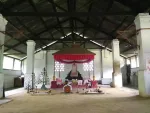
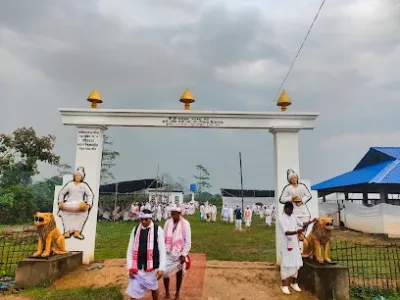
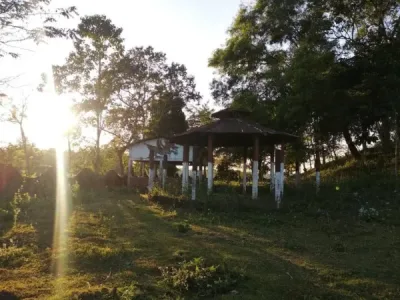
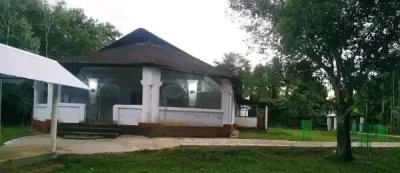
Visitors to Dinjoy Satra can observe traditional Assamese religious architecture, particularly the Namghar and other elements associated with the satra institution. The peaceful surroundings provide an atmosphere suitable for reflection and learning about Assam's Vaishnavite heritage. Religious ceremonies, community activities and seasonal festivals can offer visitors a deeper understanding of local customs when they coincide with a visit.
For travellers exploring Dibrugarh and nearby Chabua, Dinjoy Satra is a worthwhile destination for discovering the spiritual and cultural history of Upper Assam. The satra is not simply a place of worship; it represents a continuing cultural tradition that connects religion, community life and Assamese heritage.
History of Dinjoy Satra, Dibrugarh
The history of Dinjoy Satra is closely connected with Sri Sri Aniruddhadeva, an important spiritual figure of the post-Sankardeva era and a principal preceptor associated with the Mayamara tradition.
The satra was initially established at Bisnubalikakunshi village near North Lakhimpur. Over time, political and social disturbances affected the institution. The Moamoria rebellion created considerable disruption, and later Burmese invasions further disturbed the region. These events contributed to the movement of the religious institution from its earlier location.
The satra was subsequently associated with Khutiaputa before being established at its present location in Dinjan near Chabua. Today, Dinjoy Satra continues to preserve traditional Vaishnavite practices and serves as a centre for religious activities and Assamese cultural heritage.
An important aspect of its historical legacy is the inclusive social philosophy associated with Aniruddhadeva. The tradition welcomed people from different communities and social backgrounds, helping religion become closely connected with wider community life.
What to See at Dinjoy Satra, Dibrugarh?
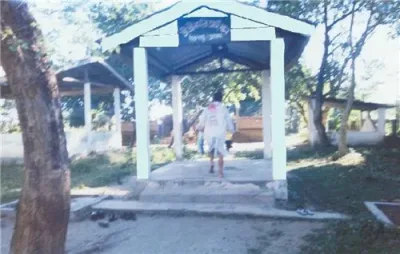
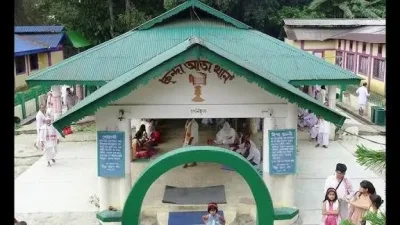
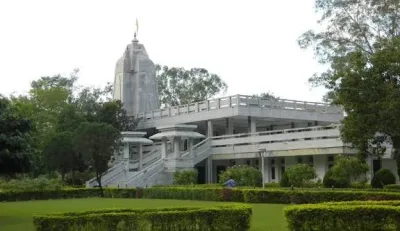
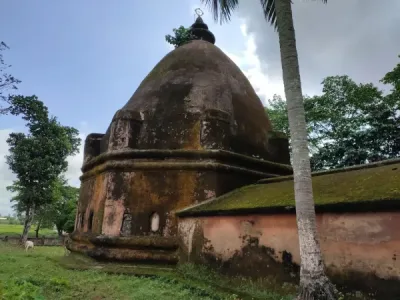
Visitors can explore the traditional religious environment of the satra and observe the Namghar, an important institution in Assamese Vaishnavite culture. The architecture and layout provide an insight into the way religious and community activities are organized within a satra.
The peaceful surroundings make Dinjoy Satra suitable for visitors interested in spiritual tourism, Assamese culture and history. Depending on the time of the visit, travellers may also witness prayers, devotional activities and community gatherings.
Festivals and special religious occasions can provide a more vibrant experience, as devotees gather for worship and cultural activities. Visitors should maintain the sanctity of the religious premises and follow local customs while exploring the site.
How to Reach Dinjoy Satra from Guwahati?
Dinjoy Satra is located approximately 5 km north of Chabua in Dibrugarh district.
By Air: Visitors travelling from Guwahati can take a flight to Dibrugarh Airport, also known as Mohanbari Airport. From the airport, taxis and other local transport can be used to travel towards Dibrugarh and Chabua before continuing to Dinjoy Satra.
By Train: Dibrugarh Railway Station and Dibrugarh Town Railway Station are the main railway stations serving the Dibrugarh area. From the railway station, visitors can hire a taxi or use local transport towards Chabua and then travel approximately 5 km further to Dinjoy Satra.
By Road: Dibrugarh and Chabua are connected by road. Visitors can travel from Dibrugarh towards Chabua by bus, shared vehicle or taxi. From Chabua township, local transport can be used to reach the satra.
For travellers starting from Guwahati, Dibrugarh can be reached by road, rail or air, followed by local transportation to Chabua and Dinjoy Satra.
Where to Stay Near Dinjoy Satra?
There are limited accommodation facilities directly at Dinjoy Satra. Visitors generally prefer staying in Chabua or Dibrugarh, where hotels, guesthouses and other accommodation options are more readily available.
Chabua is a convenient option for travellers who want to stay closer to the satra. Dibrugarh provides a wider choice of hotels, restaurants, transport services and other tourist facilities.
Visitors planning to travel during major religious festivals or holidays should arrange accommodation in advance.
Quick Info About Dinjoy Satra
| Information | Details |
|---|---|
| Name | Dinjoy Satra |
| Location | Dinjan, near Chabua, Dibrugarh, Assam |
| District | Dibrugarh |
| Distance from Chabua | About 5 km |
| Religious Tradition | Vaishnavism |
| Associated Tradition | Mayamara tradition |
| Founder / Preceptor | Sri Sri Aniruddhadeva |
| Original Location | Bisnubalikakunshi village near North Lakhimpur |
| Present Importance | Religious and cultural centre |
| Main Feature | Traditional Namghar and satra environment |
| Activities | Prayers, devotional practices and community gatherings |
| Best Time to Visit | October to March |
| Entry Fee | No regular entry fee |
| Suitable For | Spiritual tourism, culture, history and heritage |
| Nearest Major Airport | Dibrugarh Airport |
| Nearest Major City | Dibrugarh |
FAQs About Dinjoy Satra
1. Where is Dinjoy Satra located?
Dinjoy Satra is located in the Dinjan area near Chabua in Dibrugarh district of Assam, approximately 5 km north of Chabua township.
2. What is Dinjoy Satra famous for?
Dinjoy Satra is famous for its Vaishnavite religious traditions, association with Aniruddhadeva and its importance in preserving Assamese spiritual and cultural heritage.
3. Who founded Dinjoy Satra?
Dinjoy Satra is associated with Sri Sri Aniruddhadeva, an important spiritual preceptor of the post-Sankardeva period and the Mayamara tradition.
4. What religion is followed at Dinjoy Satra?
Dinjoy Satra follows the Vaishnavite tradition and is known for maintaining traditional devotional practices and religious discipline.
5. How far is Dinjoy Satra from Chabua?
Dinjoy Satra is approximately 5 km north of Chabua township in Dibrugarh district.
6. How far is Dinjoy Satra from Dibrugarh?
The satra is located in the Chabua area of Dibrugarh district. Visitors can travel from Dibrugarh to Chabua and then continue by local transport to the satra.
7. How can I reach Dinjoy Satra from Guwahati?
Visitors from Guwahati can travel to Dibrugarh by flight, train or road and then take a taxi or local transport towards Chabua. From Chabua, Dinjoy Satra is about 5 km away.
8. Is there an entry fee for Dinjoy Satra?
There is generally no regular entry fee for visiting Dinjoy Satra. Visitors should respect the religious nature of the institution and follow any local instructions.
9. What can I see at Dinjoy Satra?
Visitors can experience the traditional satra environment, observe the Namghar and learn about Vaishnavite religious practices, Assamese culture and the history associated with Aniruddhadeva.
10. What is the best time to visit Dinjoy Satra?
October to March is generally a comfortable period for visiting because of the pleasant weather. Visitors interested in religious events can also plan their trip around important festivals after confirming the local schedule.