Tourist Destination

Dibrugarh Tea Garden Journey - Explore The Tea City Of India

Dibrugarh Tea Garden Journey offers visitors an opportunity to explore the beautiful tea-growing landscape of Upper Assam and experience the natural and cultural character of the region. Located beside the Brahmaputra and Dibru river systems, Dibrugarh is widely known as the Tea City of India because of its long association with Assam's tea industry and its extensive tea estates.
Plan · Experience · Share
Dibrugarh Tea Garden Journey tourist place in Assam

Bookmark this page for quick access to travel details, galleries, and related destinations across Assam.

In Depth

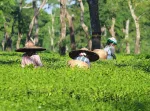
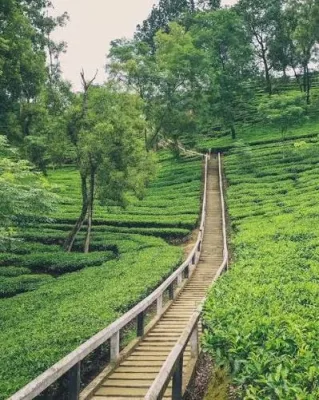
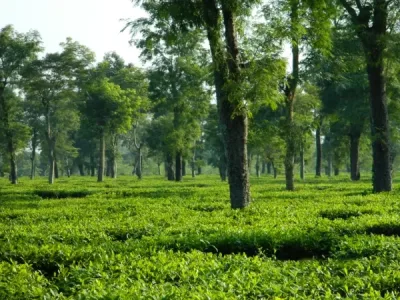
The journey through Dibrugarh's tea gardens takes travelers across endless stretches of neatly planted tea bushes, green pathways and peaceful plantation landscapes. Several tea estates in and around Dibrugarh have a history connected with the development of Assam's tea industry during the colonial period. The gardens provide a wonderful setting for photography, nature walks and learning about the journey of tea from plantation to cup.

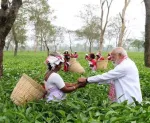
One of the most interesting experiences is observing tea workers carefully plucking fresh leaves from the bushes. Depending on the estate and permission available, visitors may also get an opportunity to understand how freshly harvested leaves are processed in a tea factory. The manufacturing process can include stages such as withering, rolling, oxidation, drying and grading before the finished tea reaches consumers. Tea-tasting experiences can further introduce visitors to the distinctive aroma, strength and flavour of Assam tea.

Popular tea-growing areas around Dibrugarh include Mancotta, Jalannagar, Chabua, Dikom, Halmari, Manohari, Joonktollee, Jamirah and Achbam. Each estate has its own character, landscape and history. Some historic plantations also feature old colonial-style bungalows and peaceful surroundings, although access to individual estates depends on their visitor policies and prior permission.

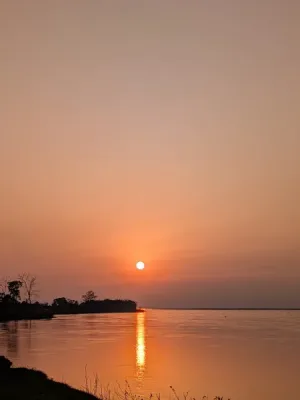
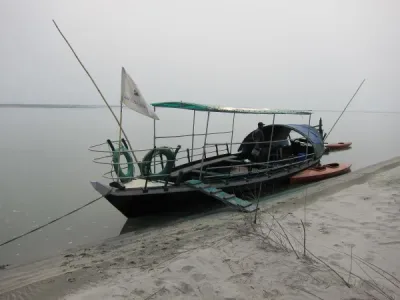
A tea garden visit can also be combined with other attractions around Dibrugarh. Travelers may explore the Brahmaputra river landscape, visit nearby historical and cultural sites, or plan excursions towards Dibru-Saikhowa National Park and the Jeypore rainforest region. The combination of tea plantations, wildlife, rivers and traditional Assamese culture makes Dibrugarh an attractive destination for travelers interested in nature and heritage.

The period from October to March is generally considered comfortable for exploring the tea-growing countryside because of the pleasant weather. Early mornings can be particularly attractive for photography, when soft light, mist and fresh greenery create a peaceful plantation atmosphere. Visitors should remember that many tea gardens are working commercial properties, so entry, photography, factory visits and guided tours may require prior permission from the estate management.

For travelers coming from Guwahati, Dibrugarh can be reached by air, train and road. Dibrugarh Airport provides air connectivity, while Dibrugarh railway stations connect the city with several major destinations in Assam and other parts of India. Regular road transportation is also available. Once in Dibrugarh, visitors can use taxis or local transportation to reach different tea-growing areas.

Dibrugarh Tea Garden Journey is more than a sightseeing experience. It provides a closer look at one of Assam's most important agricultural traditions while allowing visitors to enjoy peaceful green landscapes, local culture and the distinctive atmosphere of the tea country.

FAQs About Dibrugarh Tea Garden Journey
1. Why is Dibrugarh called the Tea City of India?
Dibrugarh is popularly known as the Tea City of India because of its extensive tea-growing areas and long-standing connection with Assam's tea industry.

2. What can I see during a Dibrugarh tea garden journey?
Visitors can see expansive tea plantations, tea bushes, plantation landscapes and, where permission is available, tea processing facilities and heritage structures.

3. What is the best time to visit Dibrugarh tea gardens?
October to March is generally a comfortable period for exploring the tea gardens because the weather is relatively pleasant.

4. Can tourists visit tea factories in Dibrugarh?
Some tea estates may allow factory visits, but permission from the estate management is usually required.

5. Can I take photographs inside Dibrugarh tea gardens?
Photography may be possible in permitted areas, but visitors should confirm the rules with the individual tea estate before taking photographs.

6. How far are the tea gardens from Dibrugarh city?
Several tea gardens are located around and outside Dibrugarh city, with travel distances varying according to the particular estate.

7. How can I reach Dibrugarh tea gardens from Guwahati?
You can travel from Guwahati to Dibrugarh by air, train or road and then use a local taxi or other transport to reach the selected tea garden.

8. Are Dibrugarh tea gardens open to tourists?
Some tea estates welcome visitors while others are private working plantations. It is best to obtain permission before visiting a specific estate.

9. Is Dibrugarh suitable for tea tourism?
Yes. Its large number of tea estates, plantation landscapes, tea-making traditions and connection with Assam's tea heritage make it an important destination for tea tourism.

10. What other places can I visit along with Dibrugarh tea gardens?
Depending on your itinerary, you can combine a tea garden visit with attractions around the Brahmaputra, historical sites, cultural destinations, Dibru-Saikhowa National Park and the Jeypore rainforest region.

Map and videos for Dibrugarh Tea Garden Journey - Explore The Tea City Of India

Location & Map

Find Dibrugarh Tea Garden Journey - Explore The Tea City Of India on the map and open directions in Google Maps for your trip planning.

Coordinates: 27.512043, 95.044436 Open in Google Maps

Videos

Watch featured clips and reels about Dibrugarh Tea Garden Journey - Explore The Tea City Of India from YouTube, Instagram, and other sources.