In Depth
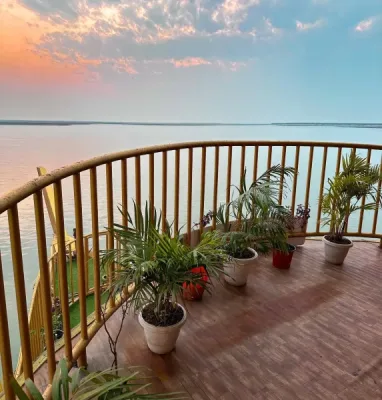
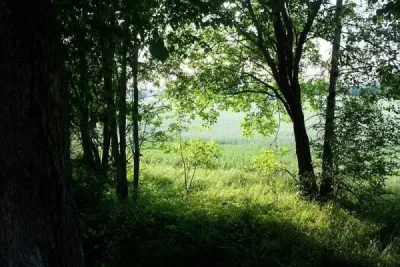
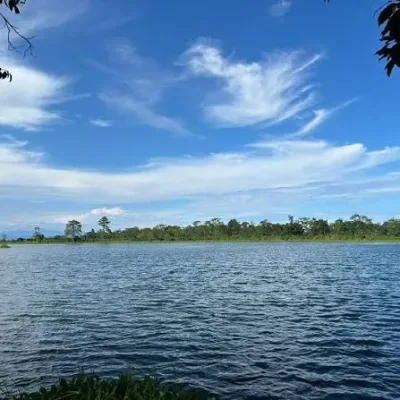
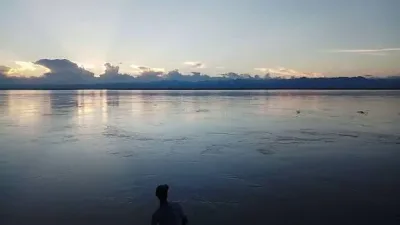
The wetland is situated within the floodplain landscape influenced by the Burhi Dihing River and is believed to have developed as an oxbow lake following changes in the river's course. The area includes a large waterbody, marshlands, grassland and forest patches, creating habitats for birds, aquatic species, butterflies, reptiles and other wildlife.
Sasoni Merbil is particularly attractive for travellers who want to explore a quieter side of Upper Assam. Instead of being a conventional urban tourist attraction, the destination combines nature, local culture, traditional communities and responsible tourism.
Geography and Natural Landscape
Merbil is a large wetland landscape covering roughly 1,550 bighas according to the supplied reference information. Its waterbody, surrounding vegetation and island-like land formations give the area a distinctive appearance.
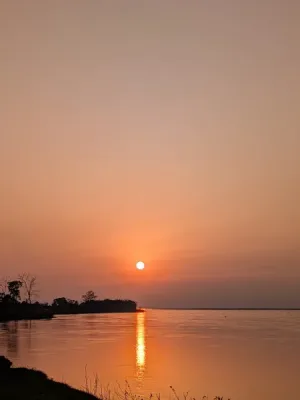
The wetland is closely associated with the floodplain environment of the Burhi Dihing River. Seasonal changes in rainfall and water levels influence the appearance of the landscape and the availability of aquatic habitats.
The combination of water, grassland, woodland and marshy areas supports a diverse ecosystem. During the winter season, the wetland becomes especially attractive to birdwatchers because migratory birds arrive in the region.
Why Sasoni Merbil is Called the Island of Silence?
Sasoni Merbil is popularly described as the "Island of Silence" because of its calm surroundings and relatively peaceful natural environment. The large wetland, quiet waterways, open landscape and surrounding vegetation create a setting that feels distant from busy urban areas.
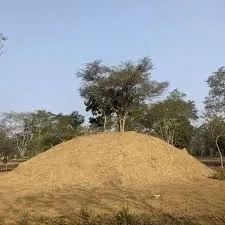
The term also reflects the area's cultural and geographical character, where an island-like landmass associated with Bareghar Satra is surrounded by the wetland. Local traditions and folklore have further contributed to the identity of Merbil.
History and Cultural Heritage
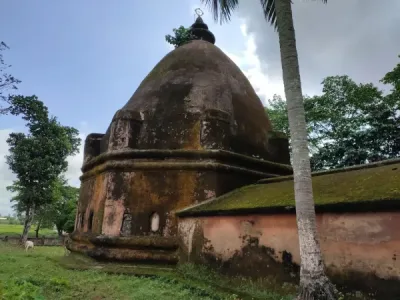
The cultural history of Sasoni Merbil is closely connected with the nearby Bareghar Satra, locally associated with Gosaiveti. The wetland and surrounding settlements have developed their own traditions and stories over generations.
The area is also surrounded by communities with distinctive cultural identities. Visitors can learn about the traditions of communities such as the Tai Phake and Sonowal Kachari people through respectful interaction and visits to nearby villages.
Sasoni Merbil therefore represents more than a natural attraction. Its importance comes from the combination of wetland ecology, local traditions, religious heritage and community life.
Legend of Jalkonwar at Sasoni Merbil
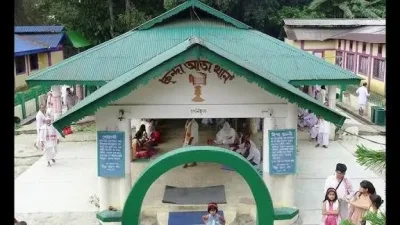
One of the most distinctive cultural stories associated with Merbil is the legend of Jalkonwar, a mythical water deity also known in local narratives as Kalika, and Dwiti, the daughter of Sri Sri Ram Dev Gosain, the head of Bareghar Satra.
According to local folklore, a severe flood once affected the region surrounding the satra and nearby settlements. As the water continued to rise, the people faced a serious threat. The story says that Jalkonwar appeared in the dreams of Ram Dev Gosain and declared that the flood would not subside until a promise involving his daughter Dwiti was fulfilled.
The legend describes a symbolic marriage between Dwiti and Jalkonwar. She was brought to the satra in bridal attire and, according to the traditional narrative, was eventually offered to the waters. After this event, the floodwaters are believed to have receded.
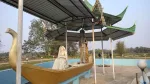
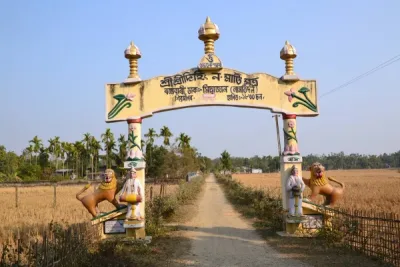
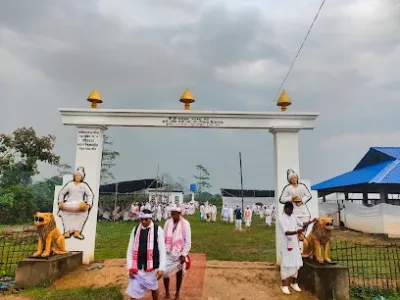
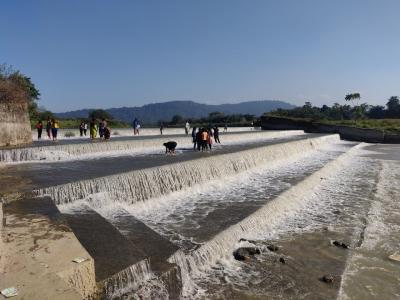
Local tradition connects this story with the formation and naming of different features around Merbil, including sandy pathways and water outlets. A representation of Jalkonwar and Dwiti is displayed at the eco-tourism site, allowing visitors to learn about this important part of the area's folklore.
The legend is a traditional cultural narrative and should be understood as part of the local heritage and oral storytelling associated with Sasoni Merbil.
Biodiversity of Sasoni Merbil
Sasoni Merbil is regarded as an important biodiversity area in Upper Assam. The wetland and its surrounding habitats provide shelter and feeding grounds for a wide range of birds, aquatic animals, reptiles, butterflies and other species.
The supplied reference information notes the presence of more than 200 bird species, including migratory birds that visit during winter. Species mentioned in the references include mallard, gadwall, ferruginous duck, white-winged wood duck and lesser adjutant.
The wider ecosystem also supports fish, freshwater turtles, snakes, butterflies and various mammals. The vegetation includes numerous plant species, orchids and medicinal plants. The references also mention Komal Saul, a traditional form of soft rice associated with the region.
For birdwatchers and nature photographers, the winter season can provide particularly good opportunities to observe the wetland's birdlife.
What to See at Sasoni Merbil Eco Tourism Park?
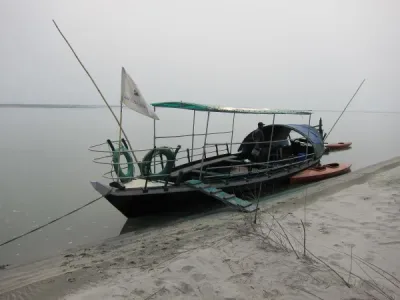
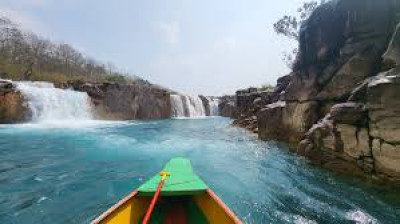
The main attraction is the expansive Merbil wetland and its peaceful natural landscape. Visitors can explore the waterbody by boat, observe birds and enjoy the surrounding greenery.
Other points of interest include the Jalkonwar and Dwiti cultural representation, nearby forest and wetland habitats, sandy pathways, village landscapes and the cultural environment surrounding Bareghar Satra.
Visitors can also explore nearby communities such as the Tai Phake and Sonowal Kachari villages to learn about local traditions, architecture, food and everyday life.
Things to Do at Sasoni Merbil Eco Tourism Park
Boating is one of the main recreational activities at Sasoni Merbil and provides an opportunity to experience the wetland from the water.
Birdwatching is another major attraction, particularly during the winter months when migratory birds arrive.
Nature walks and jungle trekking allow visitors to explore parts of the surrounding landscape and observe local vegetation and wildlife.
Visitors can also enjoy photography, peaceful picnics and cultural exploration. Depending on current arrangements, activities such as jeep safari and visits to nearby traditional villages may also be available.
Local and Traditional Food
The eco-tourism project promotes an opportunity to experience local food and traditional Assamese cuisine. Visitors may find ethnic dishes and locally prepared food associated with nearby communities, subject to availability.
Trying local food can add a cultural dimension to the visit, particularly for travellers interested in understanding the connection between Assam's food traditions and rural communities.
Eco-Tourism and Community Participation
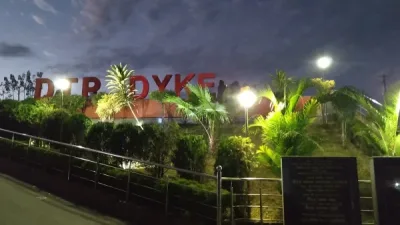
Sasoni Merbil has developed as a community-oriented eco-tourism destination where conservation and local livelihoods are closely connected. Tourism infrastructure has been introduced to allow visitors to experience the wetland while supporting the surrounding communities.
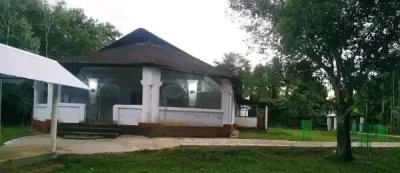
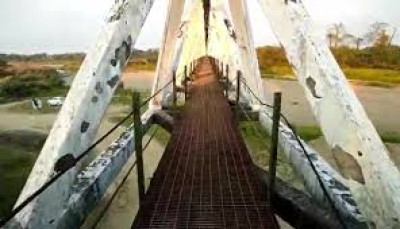
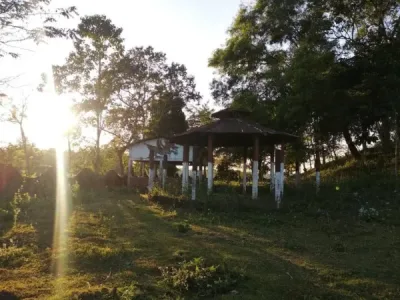
Facilities mentioned in the supplied references include boating arrangements, nature trails, cottages and birdwatching areas. Community participation is important for maintaining the destination and encouraging visitors to appreciate the wetland responsibly.
Conservation remains important because wetlands are sensitive ecosystems. Pollution, habitat disturbance and uncontrolled tourism can affect wildlife and water quality. Visitors should therefore follow local rules and avoid activities that could damage the environment.
How to Reach Sasoni Merbil Eco Tourism Park from Guwahati?
By Air: The most convenient option from Guwahati is to fly from Lokpriya Gopinath Bordoloi International Airport to Dibrugarh Airport, also known as Mohanbari Airport. From Dibrugarh Airport, visitors can continue by taxi or private vehicle towards Naharkatia and Sasoni Merbil.
By Train: Visitors can travel by train from Guwahati towards Naharkatia or Dibrugarh. Naharkatia Railway Station is one of the nearest railway stations to Sasoni Merbil according to the supplied reference information. From the station, the remaining journey can be completed by local taxi or other road transport.
By Road: Sasoni Merbil can be reached by road from Guwahati through Upper Assam. Travellers can proceed towards Dibrugarh and then continue towards Naharkatia and Sasoni. Road connectivity from nearby towns such as Dibrugarh, Naharkatia and Duliajan provides access to the eco-tourism project.
The supplied references mention that Sasoni Merbil is approximately 70 km from Dibrugarh Airport and around 8-13 km from Naharkatia Railway Station, although the exact distance can vary depending on the route and access point.
Where to Stay at Sasoni Merbil Eco Tourism Park?
Visitors can consider staying in the eco-cottages developed within the Sasoni Merbil Eco Tourism Project, subject to availability and current booking arrangements. Local homestays and paying guest facilities may also provide a more community-based experience.
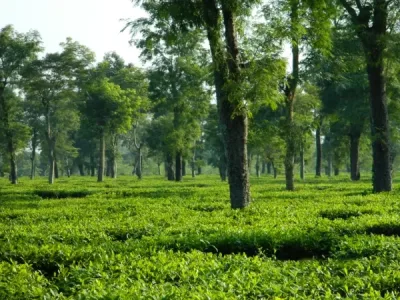
Other accommodation options are available in nearby towns such as Naharkatia, Duliajan and Dibrugarh. The supplied references also mention the OIL Guest House, Forest Inspection Bungalow at Jaypur and tea garden guest houses as possible accommodation options, subject to eligibility, permission and availability.
Whom to Contact for a Visit to Sasoni Merbil?
For information about visiting the eco-tourism project, cottage accommodation, boating and local facilities, visitors can contact the Sasoni Merbil Eco Tourism Project management or local community coordinators.
The supplied reference information lists the contact number +91 94352 02154 for enquiries relating to the project, accommodation and local arrangements. Visitors should verify the current contact details before travelling because local management and booking arrangements can change.
For any forest-related activity or access requiring official permission, visitors should also confirm requirements with the relevant Forest Department office.
Best Time to Visit Sasoni Merbil
Mid-November to February is generally considered a favourable period for visiting Sasoni Merbil. The weather is comfortable for outdoor activities and winter also brings migratory birds to the wetland, making this season particularly appealing for birdwatching.
The monsoon can transform the wetland landscape and increase water levels, but heavy rainfall may affect road conditions and outdoor activities. Visitors should check local weather and access conditions before travelling during the rainy season.
Visitor Tips for Sasoni Merbil
Sasoni Merbil is an ecologically sensitive wetland, so visitors should avoid littering and carry all waste back with them. Plastic waste, food packaging and other rubbish should not be left around the waterbody or trails.
Visitors should follow instructions from local management and guides, particularly while boating or entering natural areas. Wildlife should be observed from a safe distance and should never be disturbed or fed.
Photography is encouraged where permitted, but visitors should respect local religious sites, communities and private property. Comfortable footwear is recommended for nature walks and outdoor exploration.
Quick Info About Sasoni Merbil Eco Tourism Park
| Information | Details |
|---|---|
| Tourist Place | Sasoni Merbil Eco Tourism Park |
| Alternative Spelling | Sasoni Merbeel |
| Location | Sasoni, Nahorkatia Revenue Circle, Dibrugarh district, Assam |
| Popular Name | Island of Silence |
| Type | Wetland and eco-tourism destination |
| Approximate Wetland Area | Around 1,550 bighas |
| Ecosystem | Oxbow lake, wetland, marshland, grassland and forest patches |
| Nearby River | Burhi Dihing River |
| Main Attractions | Wetland, biodiversity, boating, birdwatching and local culture |
| Bird Diversity | More than 200 species mentioned in supplied references |
| Main Activities | Boating, birdwatching, nature walks, trekking, photography and village visits |
| Nearest Airport | Dibrugarh Airport (Mohanbari) |
| Nearest Railway Station | Naharkatia Railway Station |
| Best Time to Visit | Mid-November to February |
| Accommodation | Eco-cottages, homestays and nearby hotels/guest houses |
| Ideal For | Nature lovers, birdwatchers, photographers and cultural travellers |
FAQs about Sasoni Merbil Eco Tourism Park
- Where is Sasoni Merbil Eco Tourism Park located?
Sasoni Merbil Eco Tourism Park is located at Sasoni under Nahorkatia Revenue Circle in Dibrugarh district, Assam, within the floodplain landscape influenced by the Burhi Dihing River.
- Why is Sasoni Merbil called the Island of Silence?
Sasoni Merbil is popularly called the Island of Silence because of its peaceful wetland environment, quiet waterways and relatively undisturbed natural surroundings.
- What is Sasoni Merbil famous for?
Sasoni Merbil is famous for its wetland ecosystem, biodiversity, migratory birds, boating, natural scenery, local culture and the legend of Jalkonwar.
- Is Sasoni Merbil a natural wetland?
Yes. The supplied references describe Merbil as a naturally formed wetland believed to have developed as an oxbow lake following changes in the course of the Burhi Dihing River.
- What can I do at Sasoni Merbil Eco Tourism Park?
Visitors can enjoy boating, birdwatching, nature walks, jungle trekking, photography, picnics and cultural visits to nearby communities, depending on current local arrangements.
- What is the best time to visit Sasoni Merbil?
Mid-November to February is generally a good period to visit because of pleasant weather and the presence of migratory birds in the wetland.
- How can I reach Sasoni Merbil from Guwahati?
From Guwahati, you can travel by flight, train or road towards Dibrugarh or Naharkatia and then continue by road to Sasoni Merbil. Dibrugarh Airport is the nearest major airport mentioned in the supplied information.
- Where can I stay near Sasoni Merbil Eco Tourism Park?
Visitors may find eco-cottages, homestays and paying guest facilities around the project area. Hotels and guest houses are also available in Naharkatia, Duliajan and Dibrugarh.
- What is the legend of Jalkonwar at Sasoni Merbil?
The legend of Jalkonwar is a local folk story involving the water deity Jalkonwar and Dwiti, the daughter of the head priest of Bareghar Satra. The story is traditionally associated with the flooding and cultural history of the Merbil area.
- Whom should I contact before visiting Sasoni Merbil Eco Tourism Park?
For information about the eco-tourism project, accommodation, boating and local facilities, visitors can contact the Sasoni Merbil project management or local community coordinators. The supplied reference lists +91 94352 02154, but current contact details should be verified before travel.