In Depth
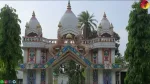
The site is particularly significant because it is traditionally associated with the 16th-century marriage of Koch general Bir Chilarai, also known as Shukladhwaj, and Bhubaneswari Devi, a relative of Srimanta Sankardeva. Following the marriage, Srimanta Sankardeva established the satra to encourage and spread Vaishnavite and Satriya traditions in the region, with support from Koch King Naranarayan.
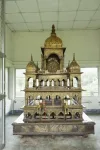
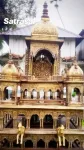
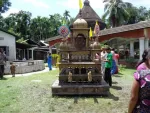
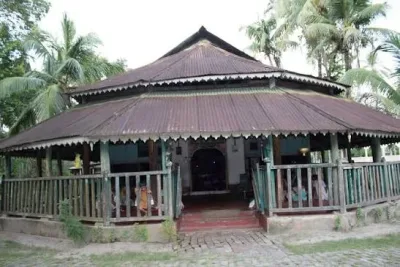
One of the most important heritage objects preserved at Ramraikuti Satra is its centuries-old bell-metal or brass chariot. The chariot is traditionally associated with the period of Srimanta Sankardeva and is said to have been donated by Maharaja Naranarayan. An Akshoy Banti, or continuously maintained sacred lamp, and a traditional Bharal house are among the other notable features connected with the satra.
The monastery observes important religious occasions including Rathyatra, Doliyatra, Beshma Sankranti and Janmashtami. Special observances are also held on the birth and death anniversaries of Srimanta Sankardeva. An annual Hari-kirtan programme extending over 22 days is another important religious event.
Ramraikuti Satra therefore offers visitors an opportunity to explore Assam's Vaishnavite heritage, Koch-era history and traditional religious culture in a historically important border-region setting.