In Depth
Majuli is particularly important in Assamese history because of its association with the religious and cultural movement led by Srimanta Sankardev and his disciple Madhavdev. Its Satras, traditional performances, village life and craft communities attract travellers interested in understanding Assam beyond its cities and wildlife destinations.
History and Formation of Majuli Island
Majuli developed through the changing courses of the Brahmaputra and its tributaries over many centuries. The river carries large quantities of sand and silt from the Himalayas. As water channels shift, sediment is deposited in some areas while strong currents erode others. These natural processes gradually shaped the floodplains, wetlands and landmass that form the present island.
A major change in the Brahmaputra's channel system, often associated with severe flooding and river-course shifts around the 18th century, contributed to the formation of Majuli as a distinct river island. Its landscape has continued to change through erosion, flooding and sediment deposition.
Majuli was once considerably larger than it is today. Its exact area varies between published sources and changes with river conditions, so fixed figures should be treated cautiously. The island has faced substantial erosion over the years, making riverbank protection and the preservation of its settlements important local concerns.
Administrative and Geographical Importance
Majuli lies in the middle reaches of the Brahmaputra, with the main river channel along its southern side and connected waterways and tributaries forming boundaries elsewhere. It became a separate district of Assam in 2016, gaining recognition as India's first island district.
Majuli has also been included on UNESCO's Tentative List, reflecting its cultural and historical significance. The island's identity is closely linked to its river environment, wetlands, agricultural land and traditional settlements. Its geography makes ferry transport an essential part of everyday life and visitor travel.
Famous Satras of Majuli
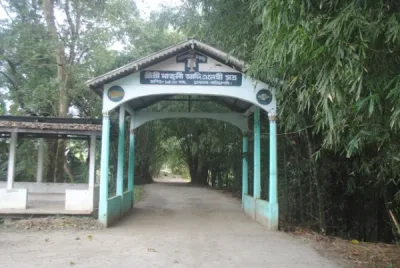
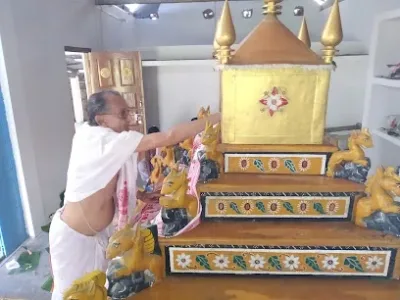
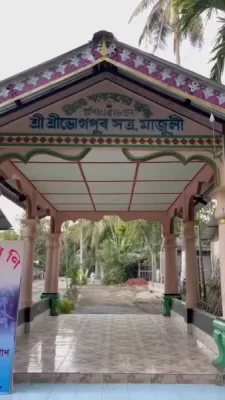
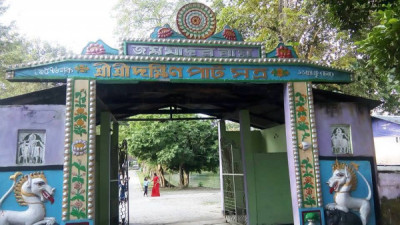
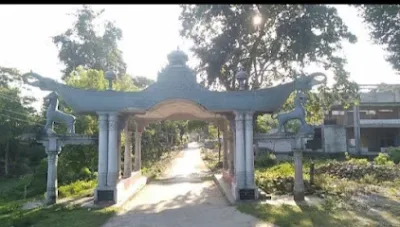
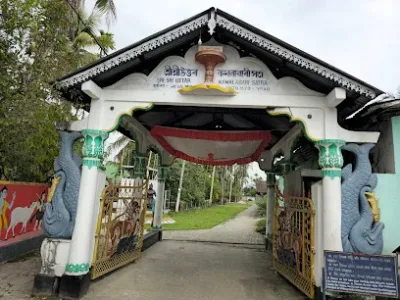
The Satras are among Majuli's most important attractions. These Neo-Vaishnavite monasteries developed as centres of worship, education, literature, music, dance and traditional theatre. Many continue to preserve practices that have shaped Assamese culture for generations.
Auniati Satra: Known for its religious heritage, traditional performances and collection of historical objects, Auniati Satra is one of Majuli's significant Vaishnavite institutions.
Dakhinpat Satra: This historic monastery is associated with Raas celebrations, devotional traditions and the preservation of manuscripts and religious practices.
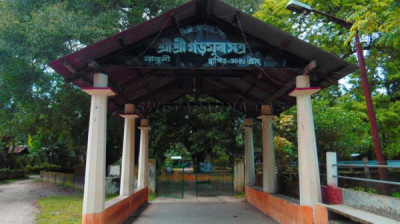
Garamur Satra: A prominent cultural and religious institution, Garamur Satra is known for its historical connections with Ahom patronage and traditional Raas performances.
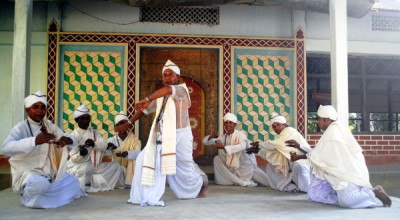
Kamalabari Satra: Kamalabari has a strong reputation for its contribution to Sattriya dance, music, literature and classical learning.
Bengenaati Satra: This institution is associated with the preservation of traditional religious and cultural objects and the history of the Vaishnavite movement.
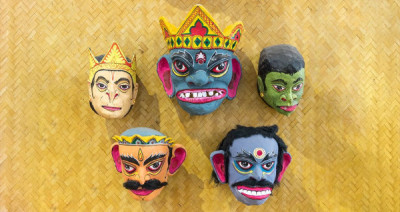
Samaguri Satra: Samaguri is especially famous for its traditional mask-making craft, with artisans creating masks used in Assamese devotional theatre.
The number and location of active Satras have changed over time, partly because of river erosion and relocation. Visitors should check local access arrangements before planning visits to individual institutions.
Culture, Festivals and Traditional Communities
Majuli is home to several communities, including the Mishing, Deori and Sonowal Kachari people, alongside other Assamese residents. Their languages, festivals, food, clothing, houses and traditional occupations contribute to the island's cultural diversity.
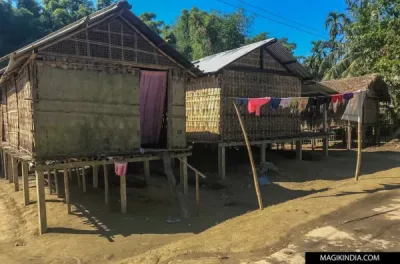
The Mishing community is particularly known for its distinctive stilt houses, locally called chang ghar, and handloom traditions. Ali Ai Ligang, the Mishing agricultural festival, is an important celebration that reflects the community's relationship with farming and the natural environment.
Raas Mahotsav is one of Majuli's best-known cultural events. Held around the autumn festival season, it presents episodes from the life of Lord Krishna through devotional theatre, music and dance. Visitors can also learn about Sattriya performances, Borgeet, Gayan-Bayan and Ankiya Bhaona, all of which are closely connected with the island's Satra tradition.
Traditional Crafts and Village Experiences
Majuli's craft heritage is another major reason to visit. At Samaguri, skilled artisans create traditional masks using materials such as bamboo, clay, cloth and natural elements. These masks represent characters from religious stories and are used in Bhaona performances.
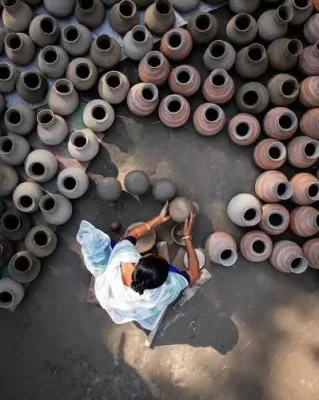
Salmora is known for its pottery traditions, including distinctive hand-shaped pottery techniques. Local artisans also practise handloom weaving, producing traditional Assamese textiles and garments, including Mekhela Chador and fabrics made from Eri and Muga silk.
Visitors can explore Mishing villages to see chang ghar architecture, weaving practices and everyday rural life. Respect residents' privacy and ask permission before entering homes or photographing people.
What to See and Experience in Majuli
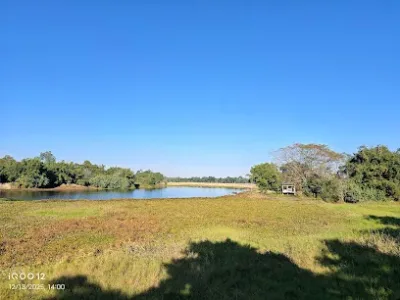
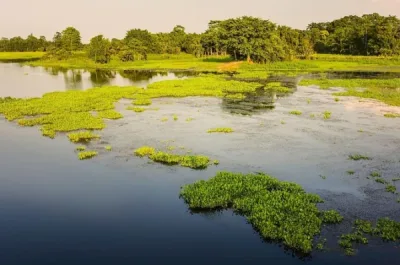
A Majuli visit can include exploring historic Satras, observing traditional arts, visiting craft villages and enjoying the island's natural surroundings. The Brahmaputra riverbanks, wetlands and chaporis offer open landscapes and opportunities to watch changing river scenery.
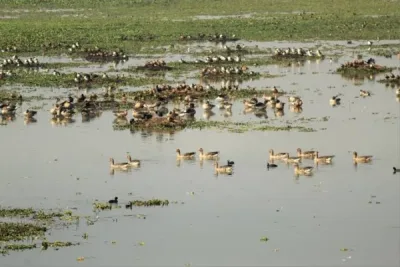
During the cooler months, wetlands and riverine habitats attract migratory birds. October to February is generally a rewarding period for birdwatching, although sightings depend on local conditions. Sunset views along accessible riverbanks can also be memorable.
Visitors interested in local food can explore traditional Assamese and Mishing dishes at local homes, eateries and homestays. Ask about ingredients and preparation according to personal dietary preferences.
Best Time to Visit Majuli
October to March is generally the most comfortable season for exploring Majuli. November is especially popular because of Raas Mahotsav, while the winter months are suitable for village visits, sightseeing and birdwatching. The monsoon season brings heavy rain, high water levels and possible changes to ferry operations, so travel requires additional planning.
How to Reach Majuli from Guwahati
Majuli does not have an airport or railway station. Most visitors travel first to Jorhat and then cross the Brahmaputra by ferry from Nimati Ghat.
By Air: Jorhat Airport (JRH) is a convenient regional airport. From the airport, hire a taxi or use local transport to reach Nimati Ghat. Lilabari Airport near North Lakhimpur is another regional option, but check onward road connections before choosing it.
By Train: Travel to Jorhat Town Railway Station or Mariani Junction. From either station, continue by taxi or shared vehicle to Nimati Ghat.
By Road from Guwahati: The road journey from Guwahati to Jorhat generally takes around 7–9 hours, depending on traffic and road conditions. Buses, shared vehicles and private taxis are available. Jorhat is also accessible by road from other Assam destinations such as Kaziranga, Sivasagar and Dibrugarh.
By Ferry: From Nimati Ghat, board a ferry to an operating terminal on Majuli, commonly Kamalabari Ghat or Aphalamukh. The crossing may take approximately 45 minutes to 1.5 hours, depending on the service and river conditions. Ferry fares and schedules can change, so confirm current details locally and reach the ghat early. Services generally operate during daylight hours.
Local Transport: Taxis, shared vehicles, auto-rickshaws and other local transport options can be used to visit Satras, villages and accommodation areas. Arrange transport in advance if you plan to explore several locations in one day.
Where to Stay in Majuli
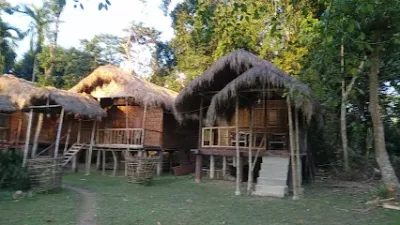
Accommodation in Majuli includes bamboo cottages, eco-camps, homestays, guest houses, resorts and a limited number of Satra-associated guest facilities. Many properties are located around Kamalabari, Garamur, Chitadar Chuk and Doria Gaon. Options range from simple village accommodation to cottages with more modern facilities.
Some Satras may offer basic guest accommodation, but this is not available at every institution. Contact the individual Satra before assuming that rooms can be booked. During Raas Mahotsav and the winter tourist season, advance reservations are advisable.
Whom to Contact for a Visit
For local tour arrangements, accommodation enquiries and general travel assistance, visitors can contact Visit Majuli at +91 92095 10723 or bookings@visitmajuli.com. Majuli Tourism is listed at +91 94356 57282. Majuli River Island / Jungle Ideas Tourism can be contacted at +91 70868 73676 or WhatsApp +91 60016 85490, and by email at jungleideastourism@gmail.com. For Assam Tourism log-hut enquiries in Majuli, the supplied reference lists +91 98548 58353.
Contact details and ferry arrangements may change. Confirm availability, current prices and operating schedules before travelling.
Travel Tips for Visitors
Carry sufficient cash, as digital payment facilities may not be available everywhere. Check ferry timings before leaving Jorhat and allow extra time for transfers. Wear comfortable clothing and footwear for village visits, and dress respectfully inside religious institutions. Ask permission before photographing residents, monks or religious spaces.
Majuli is a living cultural landscape as well as a tourist destination. Travelling responsibly, supporting local artisans and respecting community customs help preserve the island's distinctive heritage for future generations.
Quick Information Table
Information | Details |
|---|---|
Destination | Majuli |
State | Assam, India |
District | Majuli |
Destination Type | River island |
River | Brahmaputra |
Administrative Status | District since 2016 |
Known For | Satras, Sattriya dance, mask-making, pottery and Mishing culture |
Famous Satras | Auniati, Dakhinpat, Garamur, Kamalabari, Bengenaati and Samaguri |
Famous Craft Villages | Samaguri and Salmora |
Major Communities | Mishing, Deori and Sonowal Kachari |
Major Festival | Raas Mahotsav |
Other Festival | Ali Ai Ligang |
Best Time to Visit | October to March |
Best Season for Birdwatching | October to February |
Nearest Airport | Jorhat Airport |
Nearest Railway Stations | Jorhat Town and Mariani Junction |
Main Ferry Access | Nimati Ghat, Jorhat |
Ferry Destinations | Kamalabari Ghat / Aphalamukh, depending on service |
Accommodation | Resorts, bamboo cottages, homestays, guest houses and select Satra guest facilities |
Main Tourism Contact | +91 92095 10723 |
Where to Stay in Majuli – Accommodation Directory
The following accommodation names, addresses and phone numbers are taken from your supplied references. I have retained the contact numbers, including alternative numbers where the same property appears more than once. These are directory details, not independently verified current listings. Please confirm availability, rates and exact locations before publishing them as confirmed accommodation providers.
Resorts, Bamboo Cottages and Eco Camps
Accommodation | Address | Phone / Contact |
|---|---|---|
Dekasang Resort | Sitadar Chuk, near River Luit, Garmur Chariali, Majuli, Assam 785104 | +91 9854715435, +91 8134074656, +91 8724994315; alternate number supplied: +91 84748 38295 |
Prashaati Tourist Complex | NLK Road, near Kamalabari Ferry Ghat, Kamalabari Satra, Bhogpur Satra, Majuli, Assam 785106 | +91 3775-2730901, +91 9854858353, +91 9435734138, +91 9401094734 |
Ygdrasill Bamboo Cottage | Jengraimukh Road, Doria Gaon, Majuli, Assam 785104 | +91 8876707326 |
Resort Sunrise Majuli | Borun Chitadar Chuk Sunapur, Bukura, Majuli, Assam 787052 | +91 8811987272 |
Mahabahu Bamboo Cottage | KB Road, Pohar Dia, near Kamalabari Satra, Majuli, Assam 785106 | +91 7578057332, +91 6000746273 |
Ayang Okum River Bank Bamboo Cottage | Sitadar Chuk, near River Luit, Chariali, Garmur, Kaibortta Gaon, Majuli, Assam 785104 | +91 9435546455 |
Majuli Pushpa Bilash (Bamboo Resort) | Near Uttar Kamalabari Satra, Garamur Phutuki Chapori, Majuli, Assam 785106 | +91 7576080881, +91 6001684768 |
Enchanting Majuli Resort | Near Veterinary Field, Garamur Chariali / Natun Kulamora Chapori, Majuli, Assam 785104 | +91 943506217, +91 7002438179 |
Mepo Okum Eco Camp | Kaibortta Gaon, Majuli, Assam 785104 | +91 9435203165, +91 8011209038, +91 9862345965 |
Jonki Panoi Bamboo Cottages by WCH | Dhapak Chari, Upper Katoni, near Kamalabari Satra, Majuli, Assam 785106 | +91 7399888822 |
SIANG The Island Resort | Chitadar Chuk, Garamur, Majuli, Assam 785104 | +91 6901518823 |
River Wind Cottage | DC Court Road, Garamur Phutuki Chapori, Monika Pathar, Majuli, Assam 785104 | +91 9435203024 |
Ruwad: Okum Bamboo Cottages | Chitadar Chuk, Garamur Phutuki Chapori, Majuli, Assam 785104 | +91 93946 96559 |
Shantikunj Bamboo Cottage | Garamur Saru Satra, opposite Veterinary Sub-centre, Garamur Chariali, Majuli, Assam 785104 | +91 98643 48113 |
Homestays, Guest Houses and Lodges
Accommodation | Address | Phone / Contact |
|---|---|---|
Okegiga Homes | Chitadar Chuk, Garamur Phutuki Chapori, Majuli, Assam 785104 | +91 8822390306; alternate formatting supplied: +91 88223 90306 |
La Maison de Ananda | Natun Kulamora Chapori N.C., Majuli, Assam 785104 | +91 9957186356 |
Sukanya Home Stay | Kamalabari, Majuli, Assam 785104 | +91 9101829796 |
Dutta Guest House | Kamalabari, Majuli, Assam 785104 | +91 9435292582 |
Niribili Home Stay / Niribili Homestay | Kamalabari Chariali, Uttar Kamalabari Satra Road, near Kamalabari CHC Campus Road, Majuli, Assam 785106 | +91 9864165280, +91 9435788736, +91 6001047487 |
Seuj Bilas | Kamalabari, Majuli, Assam 785104 | +91 9435734138 |
Jyoti Home Bamboo Garden Lodge / Jyoti Bamboo Garden Homestay | Kulamora Chapori N.C., near Namghar, Garamur Saru Satra, Majuli, Assam 785104 | +91 9435657282 |
Risong Family Guest House | Garamur Chariali, near Garmur Satra, Natun Kulamora Chapori N.C., Majuli, Assam 785104 | +91 9957186356 |
Hotel Srimanta Sankardev, Majuli | NLK Road, Garmur, Majuli, Assam 785104 | +91 9435570844, +91 8099032340, +91 7905985108 |
Rupali Tant Ghar and Homestay | Tourism Tiniali, Auniati Road, Kamalabari Chariali, Doria Gaon, Majuli, Assam 785106 | +91 9101829796, +91 9435656888 |
Apun Majuli Guest House | Majuli College Road, Kamalabari Satra, Kamalabari Chariali, Majuli, Assam 785106 | +91 9864777937; another supplied listing did not provide a number |
Maa Sumthira Lodge | Garamur Satra Road, Natun Kulamora Chapori N.C., Majuli, Assam 785104 | +91 9365774128 |
Uttar Kamalabari Satra Guest House | Garamur Phutuki Chapori, Majuli, Assam 785106 | +91 9954984797 |
Ratul Homestay | 2 No. Phutuki, Garamur, Kamalabari, Majuli, Assam 785106 | +91 9435546252, +91 9365153707 |
Dharitry Homestay Majuli | Doria Gaon, Majuli, Assam 785106 | +91 9394125107, +91 9864534329 |
Sugandhalok Homestay | Upper Katoni, near NLK Road, Majuli, Assam 785106 | +91 9435614417 |
Trishna Homestay | Upper Katoni Road, near Natun, near Water Supply, Kamalabari Satra, Majuli, Assam 785106 | +91 9864701250, +91 9365620873 |
Tourism and Travel Contacts
Organisation / Service | Contact Details |
|---|---|
Visit Majuli | +91 92095 10723; bookings@visitmajuli.com |
Majuli Tourism | +91 94356 57282 |
Majuli River Island / Jungle Ideas Tourism | +91 70868 73676; WhatsApp: +91 60016 85490; jungleideastourism@gmail.com |
Assam Tourism – Log Hut Enquiries | +91 98548 58353 |
FAQs
1. Where is Majuli located in Assam?
Majuli is a river island situated in the Brahmaputra River in Assam, northeastern India. It is accessible by ferry from Nimati Ghat near Jorhat.
2. Why is Majuli famous?
Majuli is famous for its historic Satras, Neo-Vaishnavite culture, Sattriya classical dance, traditional mask-making, pottery, Mishing villages and the annual Raas Mahotsav.
3. How can I reach Majuli from Guwahati?
You can travel from Guwahati to Jorhat by road, train or flight. From Jorhat, reach Nimati Ghat and take a ferry across the Brahmaputra to Majuli. Local taxis and shared vehicles are available for sightseeing.
4. What are the best places to visit in Majuli?
Some of the popular attractions include Auniati Satra, Dakhinpat Satra, Garamur Satra, Kamalabari Satra, Bengenaati Satra, Samaguri Satra, Salmora Pottery Village and traditional Mishing villages.
5. What is the best time to visit Majuli?
October to March is generally the best period to visit Majuli. November is particularly popular because of Raas Mahotsav, while October to February is also a good period for exploring wetlands and watching migratory birds.
6. How was Majuli Island formed?
Majuli developed through changes in the Brahmaputra River's course, sediment deposition and riverbank erosion over many centuries. These natural processes created the island's distinctive river channels, wetlands and floodplains.
7. Which festivals are celebrated in Majuli?
Raas Mahotsav is one of Majuli's most famous festivals. Ali Ai Ligang, celebrated by the Mishing community, is another important cultural event. Religious observances and celebrations also take place at different Satras throughout the year.
8. Can tourists stay in Majuli?
Yes. Majuli has bamboo cottages, eco-resorts, homestays, guest houses and some Satra-associated accommodation. Popular areas for accommodation include Kamalabari, Garamur, Chitadar Chuk and Doria Gaon. Advance booking is recommended during festivals.
9. How many days are enough to explore Majuli?
Two to three days are generally suitable for visiting major Satras, exploring traditional villages, discovering local crafts and enjoying the island's river landscapes. Visitors interested in cultural performances or a slower village experience may prefer a longer stay.
10. Is Majuli included in UNESCO's World Heritage List?
Majuli has been included on UNESCO's Tentative List, recognising its cultural and historical significance. Tentative List inclusion is not the same as being officially inscribed as a UNESCO World Heritage Site.