In Depth
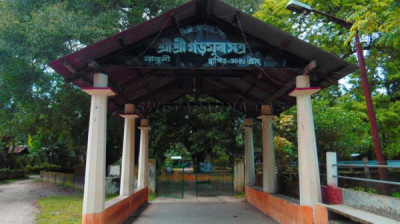
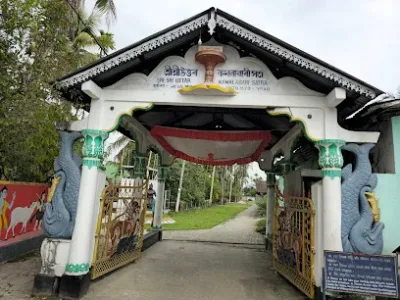
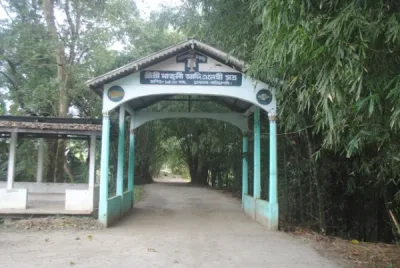
The Satra is an important part of Majuli's religious and cultural heritage. Unlike monasteries that follow a strictly celibate lifestyle, Adi Alengi Satra follows the Grihasti tradition, allowing the Satradhikar and resident devotees to lead family lives. It is also associated with the Purush Samhati tradition of Assamese Vaishnavism.
History and Religious Significance
Adi Alengi Satra traces its spiritual roots to the Neo-Vaishnavite movement initiated by Srimanta Sankardev and further developed by Sri Madhavdev. Historical accounts identify Sri Sri Bapu Krishnadeva as its founder and 1616 as the year of establishment.
The institution is traditionally regarded as the first Satra to carry the Alengi name. Other institutions bearing the Alengi name subsequently developed in different areas. Its history reflects the spread of Vaishnavite teachings and devotional practices across the Brahmaputra Valley.
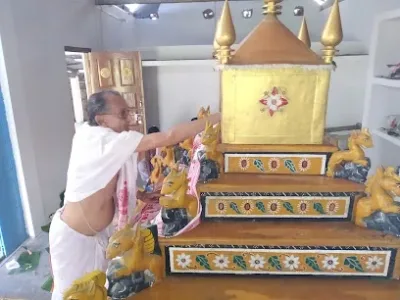
The Satra follows the Purush Samhati tradition and is known for its Grihasti system. In this arrangement, religious responsibilities and family life exist together, distinguishing it from Udasin Satras, where resident monks generally observe celibacy. Worship and devotional activities are central to the institution, with Sri Sri Shyam Rai associated with its religious traditions.
Grihasti Tradition and Religious Practices
One of the distinctive features of Adi Alengi Satra is its Grihasti way of life. The Satradhikar and devotees can maintain family relationships while participating in the religious and administrative activities of the institution. This tradition reflects one of the different organisational and spiritual paths that developed within Assam's Satra system.
Regular devotional observances include prayers, naam-kirtan and other forms of worship. These activities bring together devotees through collective singing and the recitation of religious compositions. The Satra continues to represent the devotional principles of the Neo-Vaishnavite movement.
Sattriya Sangeet and Cultural Heritage
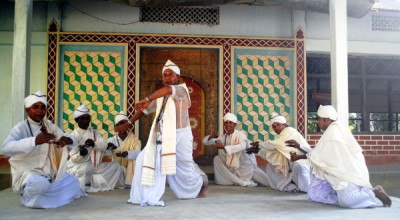
Adi Alengi Satra has a notable association with Sattriya Sangeet, the devotional music tradition that developed within Assam's Vaishnavite institutions. An institution dedicated to promoting Sattriya Sangeet is reported to have been established here in 1968, helping preserve and share traditional musical practices.
Its devotional repertoire includes Sankirtan, Utha Naam, Tini Kirtan, Gayan-Bayan, Bairagi Naam, Ghosha Kirtan, Aihokolor Naam and Jurioar Kirtan. Gayan-Bayan combines traditional singing with instrumental accompaniment, including the use of drums and cymbals. These performances are important expressions of Assamese religious music and community participation.
The cultural traditions of the Satra are especially visible during important religious occasions, when devotional singing and musical presentations form part of the celebrations.
Festivals Celebrated at Adi Alengi Satra
Festivals provide an opportunity to experience the devotional and musical traditions of Adi Alengi Satra. Janmashtami, which celebrates the birth of Lord Krishna, is an important religious occasion. The Assamese month of Bhadra is particularly significant for Vaishnavite observances.
Raas celebrations are another major event associated with the Satra and the wider Majuli region. Utha Naam and large ensembles of Bhortaals, or traditional large cymbals, contribute to the devotional atmosphere during these occasions. Visitors may also encounter Sankirtan and other traditional performances during festival periods.
Festival dates follow the religious calendar and can vary each year. Visitors planning their journey around a particular celebration should confirm the programme locally.
What to See and Experience at Adi Alengi Satra
A visit to Adi Alengi Satra offers an opportunity to understand a distinctive part of Majuli's religious history. Visitors can explore the monastery's surroundings, learn about the Grihasti tradition and observe the devotional practices followed by its community, subject to permission and the daily schedule.
The Satra's association with Sattriya Sangeet makes it particularly interesting for people who want to learn about Assamese devotional music. If a prayer session or cultural programme is taking place, visitors may be able to experience traditional singing and musical performances.
Alengi Lake is another geographical feature associated with the Satra's name and history. The surrounding village landscape provides a glimpse of rural life on Majuli. Visitors should respect the religious environment and seek permission before entering restricted areas or photographing ceremonies.
How to Reach Adi Alengi Satra from Guwahati
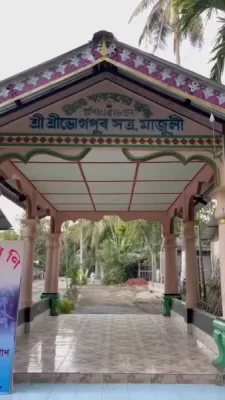
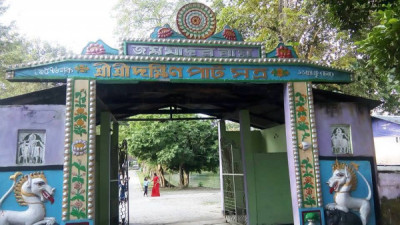
Adi Alengi Satra is situated in the Alengi Gaon and Balichapori area of Majuli. Travellers from Guwahati can approach Majuli through Jorhat and Nimati Ghat, or explore the northern-bank route through North Lakhimpur and Dhakuakhana, depending on road and ferry availability.
By Air: Jorhat Airport (Rowriah) is a convenient option for travellers approaching through Jorhat. Lilabari Airport near North Lakhimpur may also be considered for the northern-bank route. From either airport, continue by road and use the appropriate ferry connection to reach the Satra area.
By Train: Travel from Guwahati to Jorhat Town or another suitable railway station in the Jorhat region. From there, hire a taxi or take local transport to Nimati Ghat.
By Road: Jorhat is connected to Guwahati by road and bus services. After reaching Jorhat, continue to Nimati Ghat for the ferry crossing. Travellers approaching from the north bank can travel towards North Lakhimpur and Dhakuakhana and check the locally operating river connections.
By Ferry: From Nimati Ghat, take an operating ferry across the Brahmaputra to Majuli. The arrival point may be Kamalabari, Aphalamukh or another designated ghat, depending on the service. Confirm the current route and departure schedule before travelling.
Local Transport: After reaching Majuli, hire a local taxi or shared vehicle towards Alengi Gaon and Balichapori. Since the Satra is associated with more than one address listing, confirm the exact location with the driver before starting the final journey.
Travel Tip: Ferry operations depend on weather, river conditions and seasonal water levels. Check current schedules before departure, particularly during the monsoon and winter fog.
Where to Stay Near Adi Alengi Satra
There are no confirmed commercial hotels within the Satra itself. Visitors should generally plan to stay in nearby areas such as Garamur and Kamalabari, where homestays, guesthouses and other accommodation options are available.
Kamalabari is a convenient base for exploring several of Majuli's important Satras, while Garamur offers additional local accommodation choices. Travellers can arrange taxis or other local transport for the journey to Adi Alengi Satra.
If you prefer to stay close to the monastery, enquire with the Satra authorities about whether any basic visitor accommodation is available. Do not assume that rooms are provided, as availability and arrangements may vary.
Best Time to Visit Adi Alengi Satra
October to March is generally a comfortable period to explore Majuli and visit Adi Alengi Satra. The weather is usually more suitable for sightseeing and travelling between villages during these months.
Visitors interested in devotional music and traditional celebrations can plan around Janmashtami and Raas festivities after checking the annual programme. During the monsoon, heavy rainfall, flooding and changes in ferry operations may affect travel plans.
Visitor Guidelines and Travel Tips
Adi Alengi Satra is a functioning religious institution, so visitors should dress modestly and maintain a respectful atmosphere. Remove footwear wherever requested, avoid interrupting prayers and ask permission before photographing devotees, religious activities or private areas.
Keep the premises clean and follow instructions from the Satra authorities. If you are interested in attending a devotional music session, enquire about the appropriate time rather than expecting a performance during every visit.
Adi Alengi Satra is a worthwhile destination for travellers interested in the history of Majuli, Assamese Vaishnavite traditions and Sattriya music. Its Grihasti system, Purush Samhati association and devotional heritage make it a distinctive part of Assam's cultural landscape.
Quick Information Table
Information | Details |
|---|---|
Name | Adi Alengi Satra |
Alternative name | Shri Shri Adielengi Satra |
Location | Alengi Gaon / Balichapori area, Majuli, Assam |
District | Majuli (some listings associate nearby areas with Lakhimpur) |
PIN Code | 785104 or 787054, depending on the address listing; verify before travel |
Established | 1616 |
Founder | Sri Sri Bapu Krishnadeva |
Religious tradition | Neo-Vaishnavism |
Samhati | Purush Samhati |
Monastic tradition | Grihasti (householder tradition) |
Principal worship tradition | Vaishnavite devotion, including Sri Sri Shyam Rai |
Known for | Sattriya Sangeet and devotional music |
Cultural activities | Sankirtan, Gayan-Bayan, Utha Naam, Tini Kirtan and other devotional forms |
Nearby landmark | Alengi Lake |
Best time to visit | October to March |
Nearest major town | Jorhat |
Accommodation | Homestays and guesthouses in Garamur and Kamalabari |
Entry fee | Confirm locally |
Visiting hours | One listing reports 24-hour access; confirm visitor access with the Satra |
Frequently Asked Questions (FAQs)
1. Where is Adi Alengi Satra located?
Adi Alengi Satra is located in the Alengi Gaon and Balichapori area of Majuli, Assam. It is associated with the nearby Alengi Lake and the traditional Alengi Satra lineage.
2. When was Adi Alengi Satra established?
Adi Alengi Satra was established in 1616, according to the historical information provided about the institution.
3. Who founded Adi Alengi Satra?
Sri Sri Bapu Krishnadeva is traditionally identified as the founder of Adi Alengi Satra.
4. Why is Adi Alengi Satra famous?
Adi Alengi Satra is known for its Neo-Vaishnavite heritage, Grihasti tradition, Purush Samhati association and contribution to Sattriya Sangeet and devotional music.
5. What is the Grihasti tradition followed at Adi Alengi Satra?
The Grihasti tradition allows the Satradhikar and devotees to lead family lives while participating in religious and institutional responsibilities. It differs from the celibate Udasin tradition followed by some other Satras.
6. Which religious tradition does Adi Alengi Satra follow?
Adi Alengi Satra is associated with the Purush Samhati tradition of Neo-Vaishnavism, rooted in the teachings of Srimanta Sankardev and Sri Madhavdev.
7. What type of cultural performances are associated with Adi Alengi Satra?
The Satra is associated with Sattriya Sangeet and devotional forms such as Sankirtan, Utha Naam, Tini Kirtan, Gayan-Bayan, Bairagi Naam, Ghosha Kirtan and Jurioar Kirtan.
8. How can I reach Adi Alengi Satra from Guwahati?
Travel from Guwahati to Jorhat by road, train or air, continue to Nimati Ghat and take a ferry to Majuli. From the ferry terminal, hire local transport towards Alengi Gaon and Balichapori.
9. What is the best time to visit Adi Alengi Satra?
October to March is generally the best time to visit because of the more comfortable weather and better conditions for sightseeing around Majuli. Festival periods are also interesting for experiencing devotional music and celebrations.
10. Where can I stay near Adi Alengi Satra?
Visitors can find accommodation in Garamur and Kamalabari, including local homestays and guesthouses. It is advisable to book in advance and confirm transport arrangements to the Satra.