In Depth
Unlike an ordinary religious establishment, Garamur Satra has played an important role in the social, political and cultural history of Assam. Its distinctive monastic traditions, association with Ahom royalty and contribution to Assamese performing arts make it a worthwhile destination for visitors interested in exploring Majuli's heritage.
History and Establishment of Garamur Satra
Garamur Satra is generally associated with its establishment in the mid-17th century, with 1656 frequently cited as its founding year. Historical accounts connect its origins with the patronage of Ahom King Jayadhwaj Singha and the spiritual leadership of early Vaishnavite religious figures, including Jayaharideva.
The name Garamur is traditionally explained through two Assamese words: Garh, meaning an embankment or defensive rampart, and Mur, meaning its head or endpoint. The name is connected with an old embankment known as Chowatalar Garh, constructed during the Ahom period. The Satra was established near the northern end of this historical earthwork.
Garamur gradually developed into an influential religious institution and received substantial support from Ahom monarchs. Among its important royal patrons was King Siva Singha, who is recorded as having donated extensive revenue-free land to the Satra. These royal grants contributed to its prosperity and influence.
The institution became popularly known as Rajaghariya Satra because its Satradhikars enjoyed privileges and ceremonial status resembling those of royalty. This unusual historical position distinguished Garamur from many other religious institutions in Assam.
Royal Heritage and the Raj Satra Tradition
Garamur Satra belongs to the group of four major Raj Satras of Majuli, alongside Auniati Satra, Dakhinpat Satra and Kuruabahi Satra.
Its association with the Ahom kingdom is reflected in its historical land grants, ceremonial traditions and preserved artefacts. The Satradhikar traditionally held considerable religious and social authority, while the institution maintained a distinctive administrative structure.
The Satra's historical importance extended beyond religious activities. It functioned as a centre of cultural influence and community leadership, reflecting the close relationship between the Ahom rulers and the Vaishnavite institutions of Majuli.
Transformation into a Semi-Monastic Institution
An important chapter in the modern history of Garamur Satra is associated with Sri Sri Pitambardev Goswami, who served as its Satradhikar during the early and mid-20th century.
In 1915, under his leadership, the Satra introduced a major change in its monastic system by allowing resident devotees to marry and maintain family lives. This reform transformed Garamur from a predominantly celibate institution into a semi-monastic establishment following a Grihasti tradition.
The Satradhikar traditionally continues to follow celibate religious practices, while most residential members are permitted to live as householders.
Pitambardev Goswami was also known for his contributions to social reform and public life. He opposed caste discrimination, untouchability and social inequality and participated in India's freedom movement. His association with prominent national leaders, including Mahatma Gandhi, Jawaharlal Nehru and Vinoba Bhave, added another dimension to the institution's modern history.
Jawaharlal Nehru visited Garamur during his 1937 tour of Majuli, making the Satra an important part of the island's modern historical narrative.
Architecture and Main Attractions of Garamur Satra
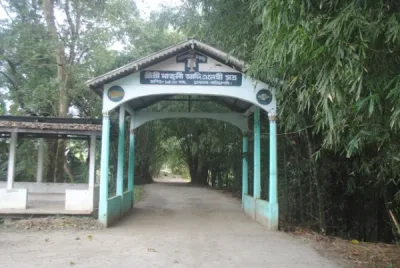
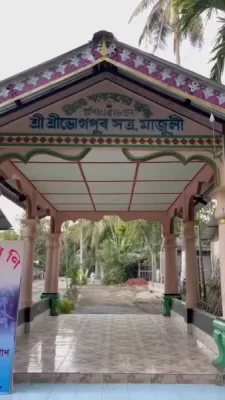
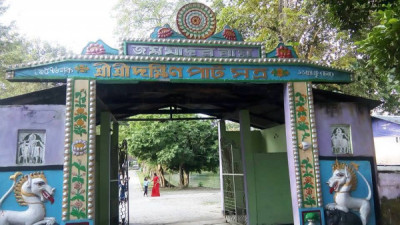
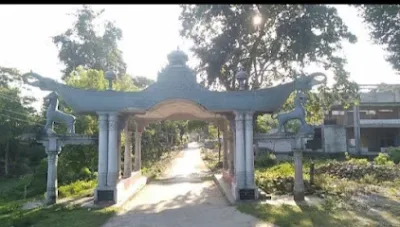
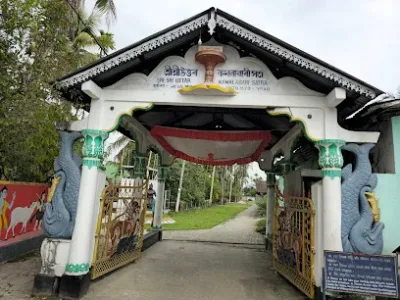
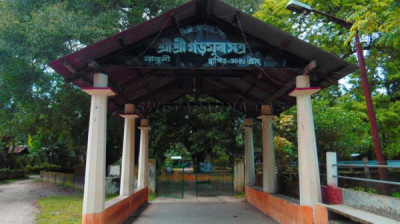
Garamur Satra has a traditional Assamese monastic layout surrounded by greenery and mature trees. Its peaceful atmosphere and carefully maintained surroundings create a distinctive setting for visitors.
The main attractions within the complex include:
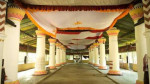
Namghar: The large common prayer hall is the spiritual centre of the Satra. Its substantial wooden pillars and traditional construction reflect Assamese architectural craftsmanship. Religious gatherings, devotional singing and community prayers take place here.
Satradhikar's Residence: The traditional residence of the religious head is an important part of the Satra's historical layout.
Bhakat Residential Quarters: These residential spaces accommodate members of the religious community and reflect the institution's semi-monastic way of life.
Ponds and Open Courtyards: The Satra premises include ponds and open spaces that contribute to its quiet and traditional atmosphere.
Heritage Buildings: Some older structures preserve architectural elements associated with the institution's historical development.
Visitors can observe the relationship between the religious, residential and community spaces that define the traditional structure of a Majuli Satra.
Historical Artefacts and Museum Collection
Garamur Satra preserves several objects that reflect the artistic, religious and political history of Assam. Although parts of its earlier collection were lost during periods of political unrest, invasions and colonial-era disturbances, the remaining heritage objects continue to hold considerable historical value.
Notable items associated with its collection include:
Traditional cannons, locally known as Bortop, associated with the Ahom period.
Wooden and ivory religious idols and sculptures.
Silver and metal ceremonial utensils.
Traditional Assamese Xorais and decorated plates.
Eight-metal ceremonial objects.
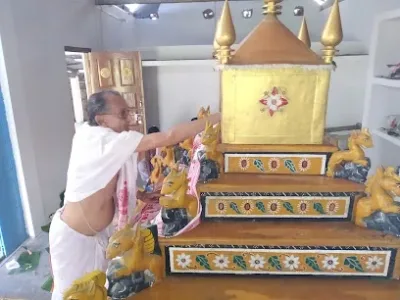
Mayur Ghanta and other traditional ritual items.
Historical manuscripts written on Sanchi-pat.
Elephant-cart wheels, including historically notable imported examples.
A large ceremonial brass tray associated with Atan Buragohain.
Traditional objects connected with Assamese religious and performing arts.
These collections offer visitors an opportunity to understand the craftsmanship, religious practices and material culture that developed around the royal Satras of Assam. Access to individual artefacts may depend on local arrangements.
Cultural Heritage and Raas Leela Festival
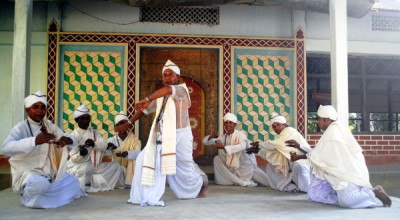
Garamur Satra is particularly famous for its Raas Leela celebrations, which are among the major cultural events associated with Majuli. The festival is generally organised during November and presents episodes from the life of Lord Krishna through traditional theatre, dance, devotional music and elaborate costumes.
One distinctive feature of Garamur's Raas Leela is the participation of both men and women in its performances, reflecting its own cultural traditions.
The performances take place at the Garamur Vamshigopal Natya Mandir, a traditional venue associated with the Satra's performing arts. Bhaona, Sattriya dance, devotional music and traditional Assamese drama are important elements of its cultural activities.
Other celebrations include Janmashtami, Bihu, Phalgutsav and religious anniversaries associated with the Satra's spiritual lineage. These events help maintain the artistic traditions passed down through generations.
What to See and Experience at Garamur Satra
A visit to Garamur Satra offers more than an opportunity to explore an old religious building. Visitors can observe its large Namghar, traditional residential quarters, heritage structures and peaceful surroundings.
The historical collection is particularly interesting for those who want to learn about Ahom-era weapons, traditional Assamese craftsmanship, religious sculptures and old manuscripts.
Travellers interested in performing arts should consider visiting during the Raas Leela festival, when the Satra becomes an important centre of cultural activity. Outside festival periods, visitors can experience the quieter atmosphere and learn about the daily religious traditions of the institution.
Garamur's location near the administrative centre of Majuli also makes it a convenient starting point for exploring other Satras and cultural attractions across the island.
Best Time to Visit Garamur Satra
October to February is generally the most comfortable period to visit Garamur Satra. The weather is relatively pleasant, making it easier to explore Majuli's cultural attractions and travel between different parts of the island.
November is particularly recommended for visitors interested in witnessing the Raas Leela celebrations. The festival offers a memorable opportunity to experience the religious and performing arts traditions of Majuli.
The monsoon season, especially June to September, may bring heavy rainfall, flooding and changes in ferry operations. Travellers should check local weather and transport conditions before planning their visit.
Visiting Hours and Entry Information
Garamur Satra is generally accessible to visitors during daytime hours. Available visitor listings indicate timings of approximately 7:00 AM or 8:00 AM to 6:00 PM, while some listings mention 9:00 AM to 7:00 PM.
These timings should be treated as indicative rather than guaranteed. Visitors are advised to confirm access locally, particularly if they wish to explore the historical collection or attend religious activities.
There is no standard entry fee confirmed in the available information. Visitors should check with the Satra authorities before their visit.
How to Reach Garamur Satra from Guwahati
Garamur Satra is situated in Garamur town on Majuli Island. Travellers coming from Guwahati generally reach Jorhat first and then cross the Brahmaputra by ferry.
By Air: Jorhat Airport (Rowriah Airport) is the nearest practical airport. From Guwahati, take an available flight to Jorhat and hire a taxi to Nimati Ghat. Dibrugarh Airport is another possible alternative depending on flight availability and travel plans.
By Train: Travel from Guwahati to Jorhat Town Railway Station or Mariani Junction. From the railway station, hire a taxi or use local transport to reach Nimati Ghat.
By Road: Jorhat is connected to Guwahati through the national highway network. The road journey generally takes around 6–7 hours, depending on traffic and road conditions. From Jorhat town, continue towards Nimati Ghat.
By Ferry: Board a ferry from Nimati Ghat to Majuli. Depending on the schedule and river conditions, services operate to landing points such as Kamalabari and other designated ghats.
From Kamalabari to Garamur: After reaching Majuli, hire a local taxi, auto-rickshaw or shared vehicle to Garamur. Garamur is approximately 5 km from Kamalabari, although the actual distance depends on the route and landing point.
Ferry services are subject to river conditions and operating schedules, so check the latest information before departure.
Where to Stay Near Garamur Satra
Garamur is a convenient base for exploring Majuli because it has local shops, eateries and transport facilities. However, Garamur Satra itself does not generally provide overnight accommodation to ordinary tourists.
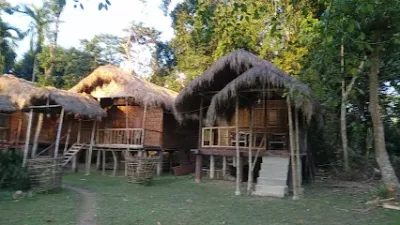
Visitors should plan to stay in nearby hotels, homestays, guesthouses or bamboo cottages around Garamur and Kamalabari.
Some local accommodation and booking contacts mentioned in available tourism listings include:
Visit Majuli: +91 9209510723
Email: bookings@visitmajuli.com
Enchanting Majuli: 9957186356
Ratul Homestay: 9365153707
Travellers can also enquire about accommodation through local tourism operators and homestay owners. Confirm room availability, facilities, rates and exact locations directly before booking.
Some accommodation options and contact details supplied for travellers are listed below. Please call before visiting to confirm current operation, room availability, tariffs and exact directions.
Whom to Contact for Visiting Garamur Satra
Garamur Satra is an active religious institution, and visitors can generally explore its accessible areas during visiting hours without arranging a formal tour package.
For guided visits, local transport and travel assistance, the following contacts have been provided in available reference information:
Contact the Satra administration for specific permissions related to photography, special access or cultural programmes. Verify the current validity of third-party contact details before relying on them.
Travel Tips for Visitors
Wear modest clothing when entering the religious premises.
Visit in the morning if you prefer a quieter atmosphere.
Respect ongoing prayers and religious activities.
Ask permission before photographing residents or restricted areas.
Check whether the historical collection is open to visitors.
Confirm ferry timings before travelling from Jorhat.
Arrange accommodation in advance during the Raas festival.
Garamur Satra is an important part of Majuli's historical and cultural identity. Its royal connections, unique semi-monastic tradition, historical artefacts and vibrant Raas Leela celebrations make it a rewarding destination for anyone exploring Assam's religious heritage.
Garamur Satra – Quick Information Table
Information | Details |
|---|---|
Name | Sri Sri Garamur Satra |
Location | Garamur, Majuli, Assam, India |
PIN Code | 785104 |
Established | 1656 (commonly cited) |
Founder | Historical accounts associate its foundation with Jayaharideva |
Royal Patronage | Ahom King Jayadhwaj Singha and other Ahom rulers |
Category | Raj Satra |
Famous For | Ahom heritage, Raas Leela and historical artefacts |
Religious Tradition | Neo-Vaishnavism |
Monastic System | Semi-monastic / Grihasti |
Main Attraction | Namghar and historical collection |
Important Historical Figure | Sri Sri Pitambardev Goswami |
Cultural Activities | Bhaona, Sattriya dance and Raas Leela |
Major Festival | Raas Mahotsav |
Other Festivals | Bihu, Janmashtami and Phalgutsav |
Nearest Town | Garamur |
Nearest Ferry Point | Kamalabari |
Distance from Kamalabari | Approximately 5 km |
Best Time to Visit | October to February |
Visiting Hours | Indicatively 7:00 AM–6:00 PM |
Entry Fee | No standard fee confirmed |
Overnight Accommodation | Not generally available for tourists inside the Satra |
Nearby Accommodation | Homestays, guesthouses and bamboo cottages |
District Administration | Office of the District Commissioner, Majuli |
Contact Number | 03775-274475 |
Frequently Asked Questions About Garamur Satra, Majuli
1. Where is Garamur Satra located?
Garamur Satra is located in Garamur town, the administrative headquarters of Majuli district in Assam. It is one of the four historically recognised Raj Satras of Majuli and can be reached by ferry from Nimati Ghat near Jorhat.
2. Who established Garamur Satra in Majuli?
Garamur Satra dates back to the mid-17th century, with 1656 commonly cited as its establishment year. Historical accounts associate its foundation with Jayaharideva and the patronage of Ahom King Jayadhwaj Singha.
3. Why is Garamur Satra famous?
Garamur Satra is famous for its royal Ahom heritage, historical artefacts, traditional Assamese architecture, ancient manuscripts and annual Raas Leela celebrations. It is also known for its distinctive semi-monastic tradition.
4. Why is Garamur Satra called Rajaghariya Satra?
Garamur Satra was historically known as Rajaghariya Satra because its Satradhikars enjoyed considerable privileges and ceremonial status resembling those of royalty. The institution also received extensive land grants and financial support from Ahom kings.
5. What are the main attractions inside Garamur Satra?
The main attractions include the large Namghar, traditional residential quarters, historical buildings, ponds and heritage collections. Visitors can also learn about its Ahom-era artefacts, traditional sculptures, manuscripts and cultural traditions.
6. What is the best time to visit Garamur Satra?
October to February is generally the best time to visit Garamur Satra because of the pleasant weather. November is particularly suitable for experiencing the famous Raas Leela celebrations of Majuli.
7. Can tourists stay overnight at Garamur Satra?
No, Garamur Satra does not generally offer overnight accommodation to ordinary tourists. Visitors can explore the monastery during daytime hours and arrange their stay at nearby homestays, guesthouses, hotels or bamboo cottages around Garamur and Kamalabari.
8. How can I reach Garamur Satra from Guwahati?
Travel from Guwahati to Jorhat by road, train or flight. From Jorhat, reach Nimati Ghat and board a ferry to Majuli. After reaching Kamalabari, hire a local taxi or auto-rickshaw to reach Garamur Satra, approximately 5 km away.
9. Which festivals are celebrated at Garamur Satra?
Raas Leela is the most prominent festival celebrated at Garamur Satra. Other important occasions include Janmashtami, Bohag Bihu, Magh Bihu, Phalgutsav and religious observances associated with the Satra.
10. Who was Pitambardev Goswami of Garamur Satra?
Sri Sri Pitambardev Goswami was an influential Satradhikar of Garamur Satra known for his religious leadership, social reforms and participation in India's freedom movement. He introduced the semi-monastic system in 1915, allowing resident devotees to marry and live as householders.