In Depth
Pottery production is traditionally associated with the Kumar community, particularly in villages and hamlets such as Barboka, Kamjan Elengi and Besamora. The craft is closely connected to everyday Assamese life, as earthen vessels have long been used for storing water, preparing curd, serving food and performing religious ceremonies. Items such as tekeli, koloh, earthen lamps and other household vessels reflect the practical and cultural importance of pottery in the region.
What Makes Salmora Pottery Unique?
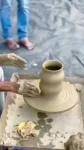
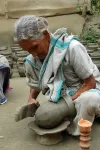
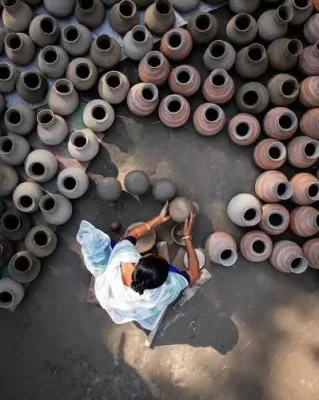
Unlike many pottery traditions that depend on a rotating wheel, artisans in Salmora shape their vessels entirely by hand. They use simple traditional implements and a distinctive beating technique to create pots with balanced shapes and smooth surfaces.
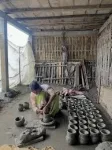
The process begins with preparing suitable clay, locally known as lodha mati. Traditionally, men have been involved in collecting and preparing the clay, while women play a central role in shaping the vessels. The clay is kneaded with water and sand until it reaches the required consistency. It is then placed on a flat base called pat and shaped with a wooden tool known as aphori. Other implements, including a wooden beater and stone tool, help refine the outer and inner surfaces.
One particularly interesting part of the technique is the way artisans rotate the base with their toes while shaping the clay by hand. Once completed, the vessels are left to dry in the sun before being fired together in traditional mud furnaces. This combination of hand skills, locally available materials and inherited knowledge makes Salmora pottery a distinctive craft tradition of Assam.
Life and Work of the Salmora Potter Community
Pottery is more than a handicraft in Salmora; it is a traditional livelihood closely connected to family and community life. Skills are commonly passed from mothers and grandmothers to younger generations. Women traditionally spend several hours shaping clay vessels, while other family members assist with gathering raw materials, firing, transporting and selling the finished products.
The pottery-making season is influenced by the Brahmaputra's changing water levels. During the monsoon, flooding can affect clay collection, drying areas, homes and storage spaces, interrupting production. The river therefore plays a complex role in the lives of local artisans: it provides the natural material that supports their craft, but seasonal floods and erosion also create challenges for the community.
Traditional Clay Products and What to See
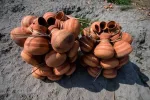
During a visit to Salmora, travellers may come across rows of handmade earthen pots arranged around village homes and courtyards. Depending on the season and the artisans' work schedule, visitors may have an opportunity to observe different stages of pottery production.
Some traditional products to look for include:
Tekeli: Earthen pots traditionally used for preparing or storing curd and other household purposes.
Koloh: Traditional earthen water containers.
Mola Charu: A type of traditional clay vessel.
Dunori and Xarai: Traditional pottery forms associated with Assamese household and ceremonial use.
Diyas: Small clay lamps used during festivals and religious occasions.
Storage vessels: Handmade containers used for water, food and traditional preparations.
The availability of particular products depends on the artisans' current production.
Challenges Facing the Traditional Pottery Industry
Despite its cultural importance, Salmora's pottery industry faces several difficulties. Changing consumer preferences, competition from plastic and metal products, limited market access and low returns have made traditional pottery less profitable for many families. The availability and cost of suitable clay, along with seasonal flooding and riverbank erosion, also affect production.
There is growing interest in preserving this craft through cultural tourism, artisan demonstrations and better market opportunities. Responsible visitors can contribute by purchasing directly from local makers where possible, learning about the process and respecting the community's traditional knowledge. Sustainable tourism should support local households while protecting Majuli's fragile river island environment.
Nearby Attractions to Explore in Majuli
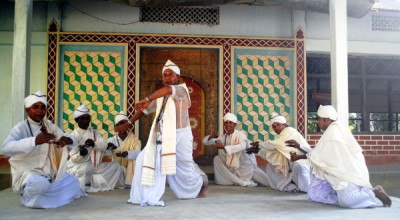
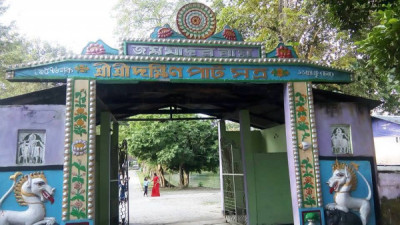
A trip to Salmora can be combined with other cultural and natural attractions across Majuli. Samaguri Satra is known for its traditional mask-making heritage and the use of handmade masks in Bhaona performances. Visitors can also explore Kamalabari Satra, Auniati Satra and Dakhinpat Satra to learn about the island's Neo-Vaishnavite traditions.
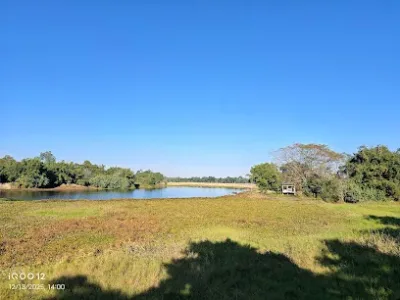
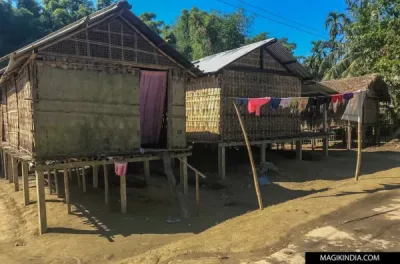
Mishing villages are another interesting addition to a Majuli itinerary, particularly for their traditional Chang Ghar stilt houses, handloom weaving and river-based lifestyle. The island's wetlands and open riverbanks also offer opportunities for birdwatching, cycling and photography.
How to Reach Salmora Pottery Village from Guwahati
Salmora is located in the southern part of Majuli, near Chakuli Pathar and Bongaon, with Garamur approximately 25 km away.
By Air: Jorhat Airport (Rowriah) is a convenient airport for reaching the Majuli ferry connection. Travellers from Guwahati can also fly to Jorhat or Dibrugarh and continue by road. Guwahati's Lokpriya Gopinath Bordoloi International Airport is another option, followed by an onward journey to Jorhat.
By Train: Travel to Jorhat Town Railway Station or Mariani Junction. From there, hire a taxi or use local transport to reach Nimati Ghat.
By Road: Guwahati to Jorhat is approximately 300-350 km by road, depending on the route. Buses, private taxis and personal vehicles are available for the journey. From Jorhat, continue to Nimati Ghat.
By Ferry: Government ferry services connect Nimati Ghat with Majuli, with services commonly operating towards Kamalabari and other island ferry points. Crossing times can vary from around one to three hours depending on the vessel, route and river conditions. After reaching Majuli, hire a local taxi, auto-rickshaw or two-wheeler to travel to Salmora.
Check ferry schedules and local road conditions before departure, as services may be affected by weather and river levels.
Where to Stay in Majuli
Salmora is primarily a working artisan village rather than a conventional hotel destination. Visitors can stay in nearby parts of Majuli, including Garamur, Kamalabari and Doria Gaon, and travel to Salmora for a day visit. Accommodation options include bamboo cottages, eco-stays, homestays and family guesthouses.
Bamboo Cottages and Eco-Stays
Local Homestays and Guesthouses
Please contact the accommodation providers directly to confirm current availability, rates, facilities and booking arrangements.
Whom to Contact and Responsible Village Visits
Salmora is an active residential and artisan settlement, not a managed tourist attraction with a central visitor office. For pottery demonstrations, photography or a closer look at the production process, visitors should arrange their visit through a local host, artisan household or Majuli-based guide. No verified central booking number for Salmora pottery demonstrations is available in the supplied details.
Ask permission before entering private courtyards, photographing artisans or handling unfinished pottery. Purchasing directly from local households, where possible, is a practical way to support the people keeping this traditional craft alive.
Best Time to Visit Salmora Pottery Village
October to March is generally a comfortable period to explore Salmora and other parts of Majuli. The weather is more suitable for village walks, photography and observing pottery activities. Winter is also a good time to see finished earthen vessels displayed around homes and courtyards.
The monsoon months, generally June to September, can bring flooding, river erosion and disruption to local roads and ferry services. If you plan to visit during this period, check the weather, ferry operations and local access conditions in advance.
Quick Information Table About Salmora Pottery Village
Information | Details |
|---|---|
Destination | Salmora Pottery Village |
Location | Salmora, Chakuli Pathar, near Bongaon, Majuli, Assam |
PIN Code | 785110 |
District | Majuli |
Main Attraction | Traditional handmade pottery without a potter's wheel |
Artisan Community | Kumar community |
Nearby Villages | Barboka, Kamjan Elengi and Besamora |
Nearest Major Town | Garamur |
Distance from Garamur | Approximately 25 km |
Best Time to Visit | October to March |
Ideal For | Cultural tourism, traditional crafts, photography and village experiences |
Entry Fee | No confirmed standard entry fee; check locally |
Visiting Hours | Daytime visits are generally suitable; coordinate with local artisans |
FAQs About Salmora Pottery Village
1. Where is Salmora Pottery Village located?
Salmora Pottery Village is situated in Majuli district, Assam, near Chakuli Pathar and Bongaon. It is known for its traditional handmade clay pottery and artisan households.
2. Why is Salmora village famous?
Salmora is famous for its distinctive pottery-making tradition in which artisans shape clay vessels by hand without using a conventional potter's wheel.
3. Which community traditionally makes pottery in Salmora?
The Kumar community has traditionally been associated with pottery production in Salmora. The craft is practised across villages such as Barboka, Kamjan Elengi and Besamora.
4. What is special about Salmora pottery?
The pottery is made using a traditional hand-beating technique. Artisans shape the clay on a flat base and rotate it with their toes while working by hand, rather than using a potter's wheel.
5. What types of clay products are made in Salmora?
Artisans produce earthen water containers, tekeli, koloh, traditional cooking and storage vessels, festival lamps and other household pottery items.
6. Can tourists watch pottery being made in Salmora?
Visitors may be able to observe pottery-making activities when artisans are working. It is best to coordinate with a local household or guide in advance and ask permission before entering work areas or taking photographs.
7. How far is Salmora from Garamur?
Salmora is approximately 25 km from Garamur, although the actual travel distance and time depend on the starting point and road conditions.
8. How can I reach Salmora Pottery Village from Guwahati?
Travel from Guwahati to Jorhat by road, train or air. Continue to Nimati Ghat and take a ferry to Majuli. From the island ferry terminal, hire local transport to reach Salmora near Chakuli Pathar.
9. What is the best time to visit Salmora Pottery Village?
October to March is generally the best period because of the more comfortable weather and easier travel conditions. Monsoon visits may be affected by flooding, river conditions and road access.
10. Where can I stay when visiting Salmora Pottery Village?
Visitors can stay in bamboo cottages, eco-stays, homestays and guesthouses around Garamur, Kamalabari and Doria Gaon. These locations provide a convenient base for exploring Salmora and other Majuli attractions.