In Depth
Dakhinpat Satra is one of the four recognised Raj Satras of Assam, a distinction reflecting the historical patronage it received from Ahom rulers. The institution is dedicated to Lord Jadav Rai, a form associated with Lord Krishna, and continues to serve as a centre of religious activities, devotional music and traditional cultural practices.
History and Establishment of Dakhinpat Satra
Dakhinpat Satra was established in 1654 by Banamali Dev Goswami, a disciple of Vamshigopal. Its foundation is closely associated with Ahom King Jayadhwaj Singha, who held Banamali Dev in high regard and provided land for the establishment of the monastery near the southern bank of the Lohit River, historically associated with the Brahmaputra river system.
The Satra subsequently received support from several Ahom rulers, including Chakradhwaj Singha, Udayaditya Singha and later monarchs. Royal contributions helped strengthen the institution and expand its religious and cultural influence.
Dakhinpat Satra follows the Brahmasamhati branch of Assamese Neo-Vaishnavism, associated with the teachings of Damodardeva. It is counted among the four Raj Satras, together with Auniati Satra, Garamur Satra and Kuruabahi Satra.
The institution is headed by a Satradhikar, assisted by a Deka-Adhikar who traditionally serves as the successor. Its religious community includes Bhakats, who dedicate themselves to devotional practices and the preservation of the Satra's traditions.
Main Deity and Religious Significance
The principal deity worshipped at Dakhinpat Satra is Lord Jadav Rai, associated with Lord Krishna. Daily prayers, devotional singing and religious observances form an important part of the institution's activities.
The Namghar is the central place for congregational prayers and religious gatherings. Traditional prasangas, devotional recitations and Sankari cultural practices help maintain the spiritual atmosphere of the monastery.
Dakhinpat Satra represents the broader influence of the Neo-Vaishnavite movement initiated by Srimanta Sankardeva and developed through the contributions of other religious leaders. Its connection with the Brahmasamhati tradition gives it a distinct place among the Satras of Assam.
Architecture and Main Attractions
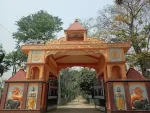
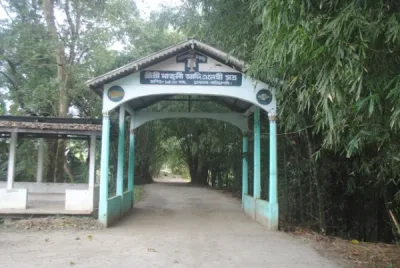
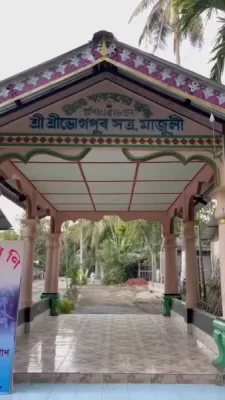
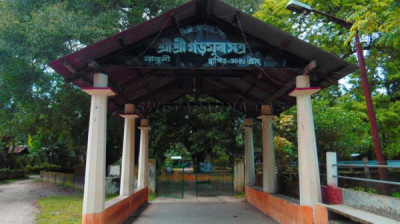
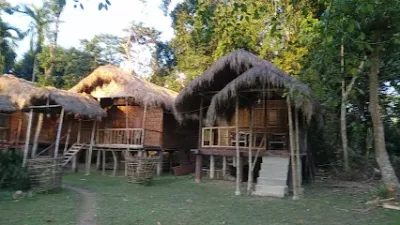
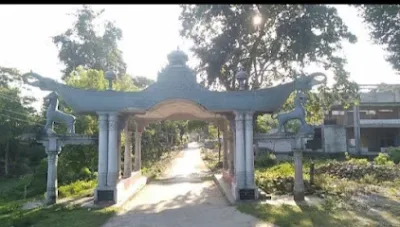
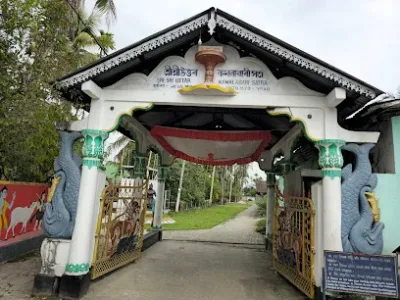
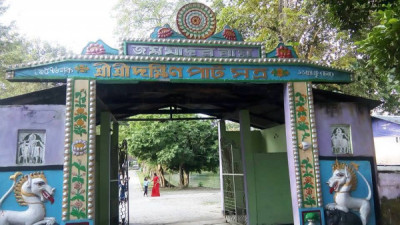
The Satra complex features traditional Assamese monastic architecture, with religious, residential and community spaces arranged around the central prayer area. Its entrance gateway, known as Batkora, provides access to the main premises and reflects the historical character of the institution.
Important structures and areas include:
Namghar: The principal prayer hall where devotees gather for worship and religious programmes.
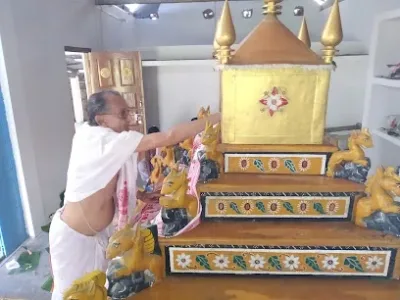
Monikut: The sacred inner area associated with the main deity, Lord Jadav Rai.
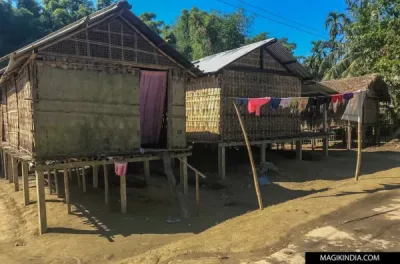
Hati: Traditional residential quarters used by the Bhakats and members of the monastic community.
Batkora: The entrance gateway to the Satra complex.
Museum and Manuscript Collection: Areas associated with the preservation of historical objects, religious texts and cultural materials.
Courtyards and Ponds: Open spaces and water bodies that form part of the traditional monastery surroundings.
Religious motifs, traditional decorations and artistic elements reflect the influence of Assamese craftsmanship and devotional art.
Ancient Manuscripts and Historical Artefacts
One of the important features of Dakhinpat Satra is its collection of historical manuscripts and religious artefacts. The institution is reported to preserve approximately 500 manuscripts written on Sanchi-pat, a traditional writing material prepared from the bark of the Sanchi tree.
Some manuscripts contain illustrated religious texts and provide valuable information about Assam's literary, artistic and spiritual history. Their preservation is important for understanding the development of Assamese manuscript traditions.
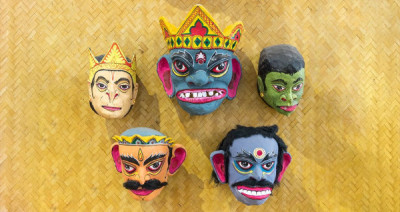
The collection also includes historical objects associated with the Ahom period, traditional masks, sculptures and materials used in Sankari performances. Conservation initiatives have helped draw attention to the importance of protecting these fragile cultural resources.
Visitors interested in history, manuscript studies and traditional Assamese art will find this aspect of Dakhinpat Satra particularly interesting. Access to individual collections may depend on local arrangements and preservation requirements.
Raas Leela Festival at Dakhinpat Satra
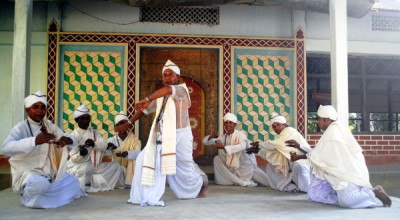
The most celebrated cultural event at Dakhinpat Satra is its annual Raas Leela festival, generally organised during November. The celebration depicts different episodes from the life of Lord Krishna through devotional performances, traditional theatre, music and dance.
The festival attracts large numbers of devotees, artists and tourists from across Assam and other parts of India. Performers present stories from Krishna's childhood and divine activities through traditional costumes, expressive acting and devotional music.
Bhaona and other Sankari performing traditions are important elements of the cultural celebrations. The event offers visitors an opportunity to experience the living religious and artistic heritage of Majuli rather than simply observing its historical buildings.
Another distinctive religious observance associated with Dakhinpat Satra is Brahmaputra Puja, traditionally held once every twelve years. Other celebrations include Janmashtami, Falgutsav (Holi) and Bihu festivals.
Natural Surroundings and Scenic Beauty
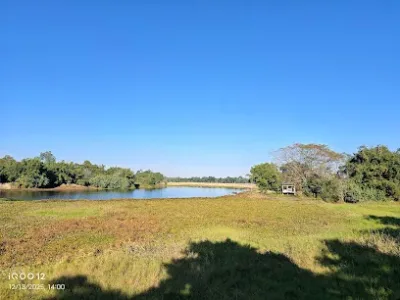
The surroundings of Dakhinpat Satra reflect the natural character of Majuli, where river landscapes, wetlands, bamboo vegetation and agricultural areas form an important part of everyday life.
The green surroundings and open spaces create a peaceful atmosphere for visitors. Seasonal water bodies and nearby vegetation can also attract different varieties of birds, making the area interesting for nature enthusiasts.
Like other settlements on Majuli, the Satra's geographical surroundings have been influenced by the Brahmaputra and its changing river channels. Flooding and erosion have affected the island over generations, making the conservation of its cultural institutions and natural environment especially important.
What to See and Experience at Dakhinpat Satra
Visitors can explore the traditional architecture, prayer areas and cultural surroundings of the monastery. The Namghar and its association with Lord Jadav Rai are among the important religious attractions.
The manuscript collection and historical artefacts provide insight into Assam's Ahom-era heritage and traditional literary practices. Travellers visiting during Raas Mahotsav can experience the elaborate cultural performances and devotional celebrations for which Dakhinpat Satra is widely known.
Visitors should also take time to understand the monastery's religious traditions, its connection with the Ahom rulers and its role in preserving Assamese classical performing arts.
As this is an active religious institution, visitors should follow local instructions and respect restricted areas.
Best Time to Visit Dakhinpat Satra
October to April is generally a suitable period to visit Dakhinpat Satra. The weather is more comfortable during these months, allowing travellers to explore Majuli's cultural attractions without the difficulties associated with heavy monsoon rainfall.
November is particularly recommended for visitors interested in witnessing the famous Raas Leela celebrations. The festival provides a unique opportunity to experience the religious and artistic traditions of Majuli.
During June to September, heavy rainfall, flooding and changes in river conditions can affect transportation and ferry services. Travellers should check weather forecasts and ferry schedules before planning their visit.
How to Reach Dakhinpat Satra from Guwahati
Dakhinpat Satra can be reached from Guwahati through Jorhat, followed by a ferry journey across the Brahmaputra and local road travel within Majuli.
By Air: Jorhat Airport (Rowriah Airport) is the nearest practical airport for most visitors. Travellers can take an available flight from Guwahati to Jorhat and continue by taxi to Nimati Ghat. Dibrugarh Airport is another possible alternative depending on flight availability and the overall itinerary.
By Train: Travellers can take a train from Guwahati to Jorhat Town or Mariani Junction. From the railway station, hire a taxi or use local transport to reach Nimati Ghat.
By Road: Guwahati is connected to Jorhat by road through the national highway network. The journey generally takes around 6–7 hours, depending on traffic and road conditions. From Jorhat, continue towards Nimati Ghat, which usually takes approximately 30–60 minutes.
By Ferry: Board a government-operated or available ferry from Nimati Ghat to Majuli. Ferry services connect the mainland with landing points such as Kamalabari, depending on the operating schedule and river conditions. The crossing generally takes around 1–1.5 hours, although actual travel time can vary.
From Kamalabari to Dakhinpat Satra: After reaching Majuli, hire a local taxi, auto-rickshaw or shared vehicle. The road journey from Kamalabari to Dakhinpat Satra can take approximately one hour, depending on the route and local conditions.
Ferry timings, landing points and road travel conditions should be confirmed before departure.
Where to Stay at Dakhinpat Satra and Majuli
Unlike many other religious institutions, Dakhinpat Satra has a guesthouse where visitors may be able to arrange accommodation. However, facilities are basic, and rooms are subject to availability and permission from the Satra authorities. Travellers should contact the guesthouse in advance rather than depend on walk-in accommodation.
Dakhinpat Satra Guest House
Contact Number: 8136072100
PIN Code: 785102
Visitors should confirm room availability, food arrangements, facilities and applicable rules before making their journey.
For additional accommodation, Majuli offers homestays, bamboo cottages, eco-resorts and budget guesthouses around Dakhinpat, Kamalabari and Garamur.
Other local accommodation contacts mentioned in available tourism listings include:
Enchanting Majuli: 9957186356
Ratul Homestay: 9365153707
For assistance with local accommodation and trip arrangements, visitors can also contact:
Visit Majuli: +91 92095 10723
Email: bookings@visitmajuli.com
Avathi Outdoors: +91 89712 02915
Please verify the current availability and booking arrangements directly with these providers.
Some accommodation options and contact details supplied for travellers are listed below. Please call before visiting to confirm current operation, room availability, tariffs and exact directions.
Whom to Contact for Visiting Dakhinpat Satra
For information about religious activities, guesthouse accommodation, festival schedules and visitor permissions, travellers should contact the Satra administration before visiting.
The following contact numbers have been provided in available reference information:
03775-274475
9435019784
03775-274424
Dakhinpat Satra Guest House: 8136072100
Confirm that the numbers are currently operational and ask for the appropriate person or office before travelling.
Visitor Guidelines and Travel Tips
Dress modestly when visiting the religious premises.
Follow the Satra's instructions regarding traditional clothing in prayer areas.
Remove footwear before entering designated sacred spaces.
Respect restricted areas, particularly the inner sanctum.
Ask permission before photographing religious ceremonies, residents or historical objects.
Confirm guesthouse arrangements and food availability in advance.
Check ferry operations and weather conditions before leaving Jorhat.
Dakhinpat Satra is an important destination for discovering Majuli's religious traditions, historical manuscripts and classical Assamese culture. Its association with Ahom royalty and the spectacular Raas Leela festival make it one of the most rewarding heritage destinations for travellers exploring Assam.
Dakhinpat Satra – Quick Information Table
Information | Details |
|---|---|
Name | Sri Sri Dakhinpat Satra |
Location | Southern Majuli Island, Assam, India |
Established | 1654 |
Founder | Banamali Dev Goswami |
Main Deity | Lord Jadav Rai (Lord Krishna) |
Religious Sect | Brahmasamhati |
Religious Tradition | Neo-Vaishnavism |
Historical Patron | Ahom King Jayadhwaj Singha |
Category | Raj Satra |
Famous For | Raas Leela, ancient manuscripts and Assamese culture |
Manuscripts | Approximately 500 Sanchi-pat manuscripts (reported) |
Main Attractions | Namghar, Monikut, Batkora, museum and historical artefacts |
Major Festival | Raas Mahotsav |
Other Festivals | Janmashtami, Falgutsav, Bihu and Brahmaputra Puja |
Nearest City | Jorhat |
Nearest Ferry Point | Nimati Ghat |
Ferry Destination | Kamalabari, Majuli |
Best Time to Visit | October to April |
Ideal Visiting Duration | 1–2 hours |
Entry Fee | No standard entry fee confirmed; check locally |
Accommodation | Satra guesthouse, homestays and eco-resorts |
Guesthouse Contact | 8136072100 |
PIN Code | 785102 |
Frequently Asked Questions About Dakhinpat Satra, Majuli
1. Where is Dakhinpat Satra located?
Dakhinpat Satra is located in the southern part of Majuli Island in Assam. It is an important Neo-Vaishnavite monastery and one of the four historically recognised Raj Satras of Assam.
2. Who founded Dakhinpat Satra in Majuli?
Dakhinpat Satra was established in 1654 by Banamali Dev Goswami under the patronage of Ahom King Jayadhwaj Singha, who provided land and royal support for its establishment.
3. What is Dakhinpat Satra famous for?
Dakhinpat Satra is particularly famous for its grand annual Raas Leela festival, ancient Sanchi-pat manuscripts, Ahom-era historical artefacts, traditional Bhaona performances and Assamese Vaishnavite culture.
4. Which deity is worshipped at Dakhinpat Satra?
The principal deity worshipped at Dakhinpat Satra is Lord Jadav Rai, who is associated with Lord Krishna. Daily prayers and traditional devotional activities are important parts of the Satra's religious practices.
5. How can I reach Dakhinpat Satra from Guwahati?
Travel from Guwahati to Jorhat by road, train or flight. From Jorhat, reach Nimati Ghat and take a ferry across the Brahmaputra to Majuli. After reaching Kamalabari Ghat, hire a taxi or auto-rickshaw to reach Dakhinpat Satra.
6. What is the best time to visit Dakhinpat Satra?
October to April is generally the best time to visit Dakhinpat Satra. November is particularly popular because of the annual Raas Leela festival, which attracts thousands of devotees and tourists.
7. Can tourists stay at Dakhinpat Satra?
Yes, Dakhinpat Satra has a guesthouse where visitors may be able to arrange accommodation. However, rooms are limited, facilities are basic and prior permission is recommended. Contact the guesthouse at 8136072100 to enquire about availability.
8. What is the contact number of Dakhinpat Satra Guest House?
The contact number provided for Dakhinpat Satra Guest House is 8136072100. Other listed contact numbers are 03775-274475, 9435019784 and 03775-274424. Visitors should verify that these numbers are currently operational.
9. Which festivals are celebrated at Dakhinpat Satra?
The major festival is Raas Leela, generally celebrated in November. Other important occasions include Janmashtami, Falgutsav, Bihu celebrations and Brahmaputra Puja, traditionally observed once every twelve years.
10. What are the main attractions inside Dakhinpat Satra?
The main attractions include the Namghar, Monikut, traditional Batkora entrance, Bhakat residential quarters, historical manuscripts, religious artefacts and the cultural performances associated with the Satra. The annual Raas Leela celebration is another major attraction.