In Depth
The waterfall is associated with the Toko Langso and Dokmaka region in different local references. It is also connected with the cultural landscape of the Karbi community, whose traditional villages and way of life form an important part of the region's identity.
Natural Beauty and Main Attractions
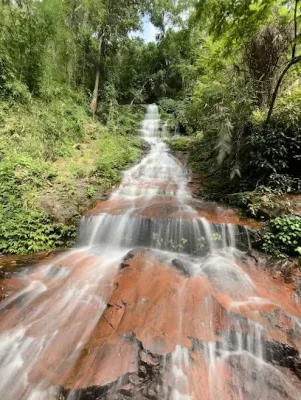
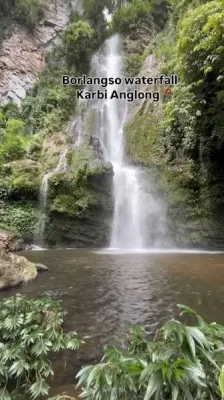
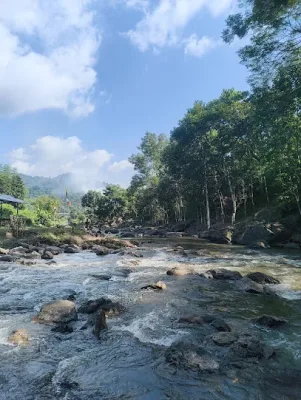
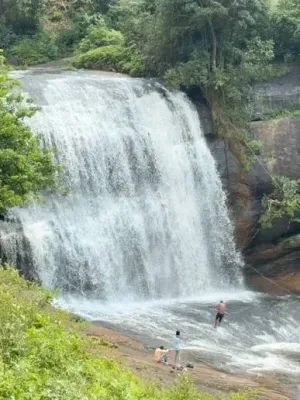
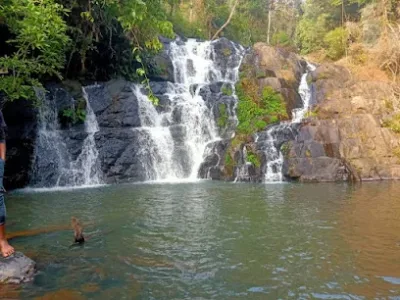
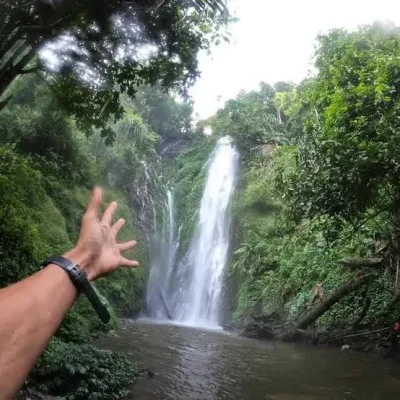
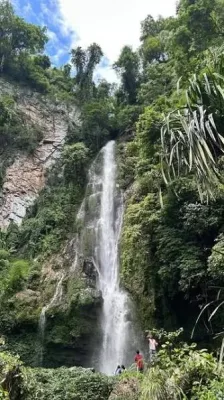
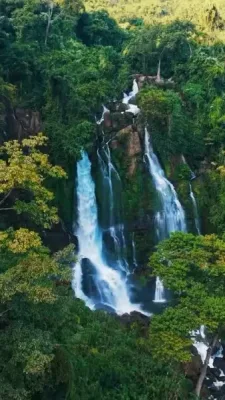
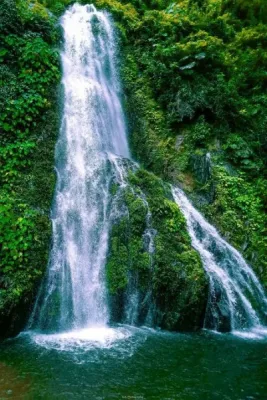
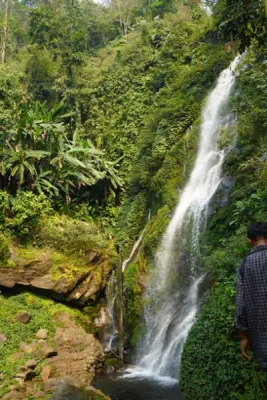
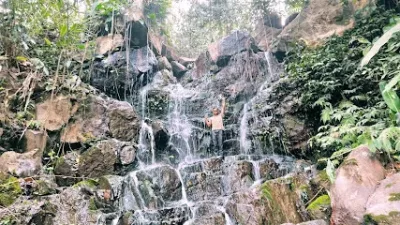
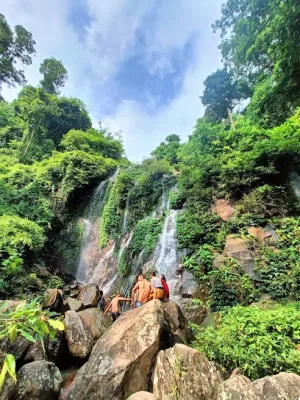
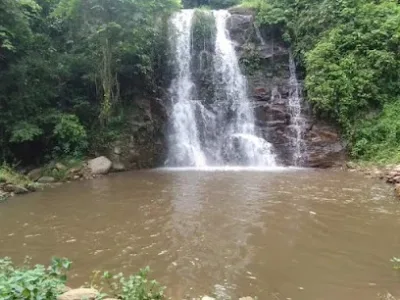
The waterfall flows over layered rocky formations and collects in a natural pool below. During the rainy season, the increased water flow adds to the beauty of the surrounding landscape. Smaller streams, green slopes and forest-covered hills create a pleasant setting for photography and relaxation.
Visitors can explore the different levels of the waterfall through short uphill paths, depending on the accessible route. The rocky surroundings offer attractive viewpoints, but extra care is necessary because wet surfaces can become slippery.
A natural spring is also associated with the area. Local traditions reportedly attribute medicinal qualities to its water, although these beliefs should not be treated as medically established benefits.
Things to Do at Kangthilangso Waterfall
Kangthilangso Waterfall is suitable for visitors who enjoy simple outdoor activities and natural surroundings. Popular experiences include:
Picnics: Spend time with family or friends in the green surroundings, while following local rules about food and waste disposal.
Nature photography: Capture the waterfall, rocky formations, streams and forest landscape.
Trekking: Explore the short uphill trails around the waterfall, where access permits.
Nature walks: Enjoy the vegetation, fresh air and quiet atmosphere of the Karbi hills.
Waterfront relaxation: Enjoy the natural pool and flowing streams from safe viewing areas. Swimming should only be considered after checking local conditions.
Local Culture and Village Experience
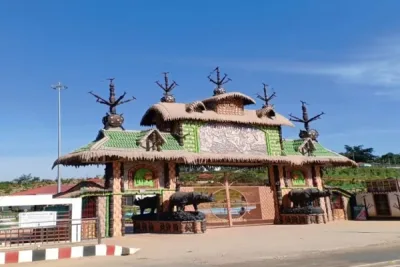
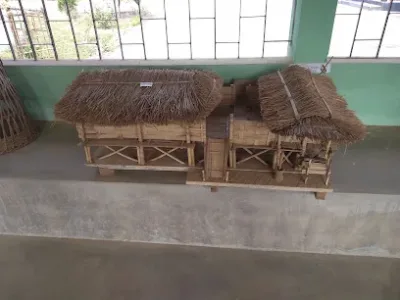
The area around Kangthilangso is connected with Karbi settlements and traditional community life. A visit can offer an opportunity to appreciate the cultural identity of Karbi Anglong, including its customs, local traditions and relationship with the natural environment.
Visitors should respect village privacy, seek permission before photographing residents or private property, and avoid disturbing local customs. Supporting local guides and small businesses can also contribute to responsible tourism.
Best Time to Visit Kangthilangso Waterfall
June to October is generally associated with stronger waterfall flow and lush green surroundings. However, heavy rainfall can make the trails, rocks and stream crossings slippery.
November to February is a comfortable period for trekking, photography and outdoor picnics because of the cooler weather. March to May can also be considered for a visit, although conditions may be warmer and the waterfall flow can vary.
How to Reach Kangthilangso Waterfall from Guwahati
Guwahati is the main gateway for visitors travelling to Karbi Anglong. The onward journey can be planned through Bokajan, Diphu or other nearby towns, depending on the confirmed access route.
By Road: Travel from Guwahati towards the Karbi Anglong region using the available highway connections. The supplied references mention Bokajan as a nearby access town, but the exact road distance and final approach should be confirmed locally. From Bokajan, visitors may arrange a private vehicle, shared taxi or local transport towards the waterfall.
By Train: Diphu and Dimapur are possible railway access points for travellers coming from Guwahati and other regional destinations. From either station, continue by road towards the confirmed starting point of the waterfall route.
By Air: Dimapur Airport in Nagaland is a nearby airport option. Guwahati International Airport is another choice for travellers arriving from outside Northeast India, followed by a road or rail journey.
Where to Stay Near Kangthilangso Waterfall
There may be limited accommodation options immediately around the waterfall. Visitors can consider staying in nearby towns such as Bokajan or Diphu, where hotels, guesthouses and homestays are available. Dimapur is another possible accommodation base, depending on the travel itinerary.
For a more convenient visit, arrange accommodation before travelling and confirm the distance to the waterfall's actual access point.
Travel Tips for Visitors
Wear sturdy footwear suitable for uneven forest paths. Carry drinking water, snacks, basic medicines and an extra set of clothes if you expect to get wet. Avoid swimming during heavy rainfall or when the current is strong. Do not climb slippery rocks or enter restricted areas.
Visitors should also confirm the current road conditions, access arrangements, entry charges and availability of local guides before departure. Keep the surroundings clean and avoid leaving plastic or other waste behind.
Why Visit Kangthilangso Waterfall?
Kangthilangso Waterfall offers a combination of scenic water features, forest surroundings and an opportunity to experience the natural and cultural landscape of Karbi Anglong. Whether you enjoy photography, short treks, picnics or discovering lesser-known destinations in Assam, this waterfall can be a rewarding addition to a trip through the region.
Quick information table
| Information | Details |
|---|---|
| Tourist attraction | Kangthilangso Waterfall |
| Alternate spelling | Kangthi Langso Waterfall |
| Location | Karbi Anglong district, Assam |
| Local area references | Toko Langso Village / Dokmaka region |
| Nearby towns | Bokajan, Diphu and Dimapur |
| Natural features | Waterfall, rocky formations, streams and natural pool |
| Surroundings | Green hills, forest vegetation and Karbi villages |
| Main activities | Trekking, picnics, photography and nature walks |
| Trek difficulty | Short uphill trails; conditions vary by route |
| Best time to visit | June-October for stronger flow; November-February for comfortable trekking |
| Nearest railway options | Diphu and Dimapur |
| Nearby airport | Dimapur Airport |
| Accommodation | Hotels and homestays in Bokajan, Diphu and Dimapur |
| Ideal for | Nature lovers, families, photographers and offbeat travellers |
| Visitor advice | Carry water, wear suitable footwear and check local access conditions |
Frequently Asked Questions About Kangthilangso Waterfall
1. Where is Kangthilangso Waterfall located?
Kangthilangso Waterfall is located in the Karbi Anglong district of Assam. Local references associate it with the Toko Langso and Dokmaka areas.
2. What is the other name of Kangthilangso Waterfall?
It is also spelled Kangthi Langso Waterfall. Some local references use variations of the name.
3. What is the best time to visit Kangthilangso Waterfall?
June to October is generally suitable for experiencing stronger water flow and green surroundings. November to February is more comfortable for trekking and picnics.
4. Is trekking required to reach Kangthilangso Waterfall?
Visitors may need to walk along short uphill and uneven trails to explore the waterfall. The exact walking distance depends on the access route.
5. Is Kangthilangso Waterfall suitable for a family picnic?
Yes, it can be considered for a family outing, particularly during the cooler months. Families should check trail conditions and supervise children near water and rocky areas.
6. Can visitors swim in Kangthilangso Waterfall?
A natural pool is reported at the base of the waterfall. However, swimming should only be considered when water conditions are safe and local guidance permits it.
7. How can I reach Kangthilangso Waterfall from Guwahati?
You can travel from Guwahati by road or train towards Bokajan, Diphu or Dimapur, followed by local road transport to the confirmed waterfall access point.
8. Which railway station is nearest to Kangthilangso Waterfall?
Diphu and Dimapur are possible railway access points. The most convenient station depends on the final route and the confirmed location of the trail.
9. Where can I stay near Kangthilangso Waterfall?
Visitors can look for hotels, guesthouses and homestays in Bokajan, Diphu or Dimapur. Booking ahead is recommended, particularly during holidays.
10. Are there restaurants and visitor facilities at Kangthilangso Waterfall?
The availability of restaurants, toilets, parking and other facilities may vary. It is advisable to carry drinking water and snacks and confirm current facilities with local residents before visiting.