In Depth
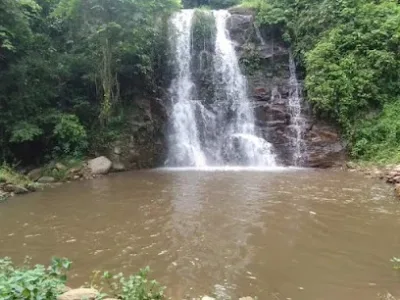
Declared a wildlife sanctuary in 2003, Marat Longri forms part of the larger Dhansiri-Lungding Elephant Reserve. Its forests and surrounding habitats are particularly significant for the conservation of Asian elephants and other threatened wildlife. For visitors interested in nature, forest ecosystems and biodiversity, the sanctuary represents an important natural destination in Assam.
Location and Natural Landscape
Marat Longri Wildlife Sanctuary is situated in the Karbi Anglong region, approximately 10 km from Diphu, although the distance to individual access points may vary. The protected landscape includes four reserve forest areas: Disama, the Karbi Anglong portion of Kaki, Inglongkiri and Miyungdisa.
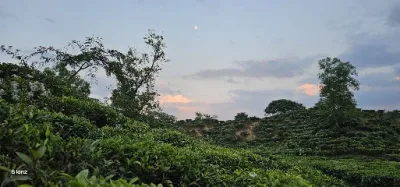
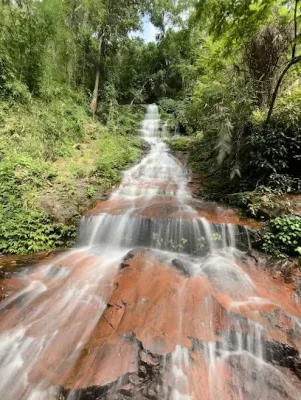
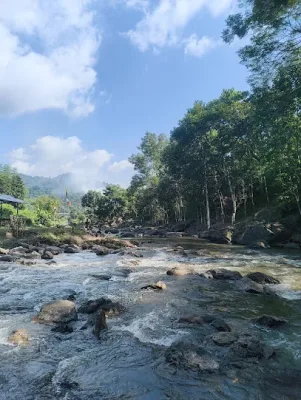
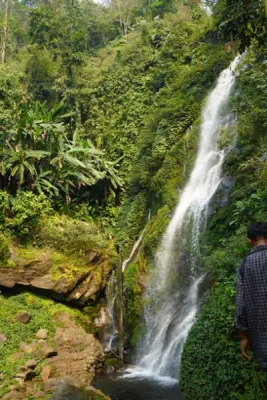
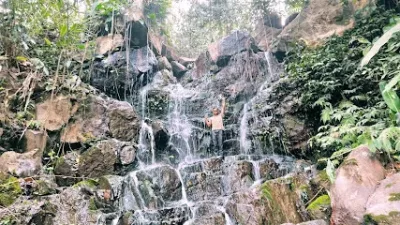
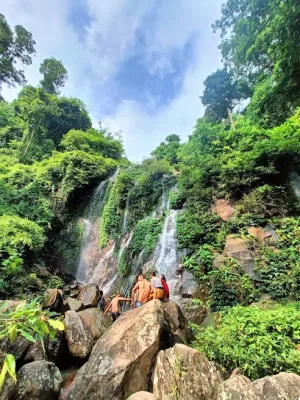
The terrain consists of plains, gently undulating land and low hills associated with the Karbi Plateau. Elevations in the wider landscape range approximately from 100 to 500 metres. Several streams and tributaries connected with the Dhansiri River basin contribute to the area's natural environment.
The sanctuary experiences a tropical monsoon climate, with warm conditions and seasonal rainfall. Its combination of forest cover, hills and water sources supports a variety of habitats for wildlife.
Flora and Forest Diversity
The vegetation of Marat Longri Wildlife Sanctuary is primarily characterised by tropical semi-evergreen and tropical moist deciduous forests. These forest ecosystems contain a variety of trees, bamboo formations, woody climbers and orchids.
The forest vegetation plays an important role in maintaining ecological balance, providing food and shelter for animals and protecting the region's natural water systems. The area is also associated with a diverse range of wild edible plants traditionally used by local communities.
Around 91 species of wild edible plants have been documented in the sanctuary landscape in the supplied reference material. These plants are significant not only for biodiversity but also for the traditional knowledge and food practices of communities such as the Karbi, Dimasa and Hmar.
Wildlife and Mammals
Marat Longri is recognised for its diverse mammal population. The sanctuary landscape provides habitat for Asian elephants, gaurs, leopards and other forest-dwelling animals. The wider wildlife list also includes the Royal Bengal Tiger, clouded leopard, Himalayan black bear and Chinese pangolin.
Primates are another important part of its biodiversity. Seven primate species have been reported from the area, including the hoolock gibbon, capped langur, slow loris and different macaque species such as Assamese, rhesus, pig-tailed and stump-tailed macaques.
Other mammals associated with the sanctuary include sambar, barking deer, hog deer, serow, dhole, binturong, leopard cat and marbled cat. Many of these animals are shy or nocturnal, so sightings are not guaranteed. Visitors should appreciate the sanctuary as a protected habitat rather than expect a conventional wildlife safari experience.
Birds, Reptiles and Birdwatching
The sanctuary is also an important destination from a biodiversity perspective for bird enthusiasts. More than 240 bird species have been reported in the wider sanctuary landscape. Notable species mentioned in the reference material include the white-winged wood duck and great pied hornbill.
The forest environment also supports reptiles, including species such as the Indian rock python and king cobra. These animals are an important part of the natural food chain and should never be approached or disturbed.
Birdwatching and nature observation are best undertaken quietly and with guidance from authorised local personnel. Carrying binoculars and maintaining a respectful distance from wildlife can make a visit more rewarding.
Conservation Importance
Marat Longri Wildlife Sanctuary contributes to the conservation of Assam's forest ecosystems and wildlife corridors. Its association with the Dhansiri-Lungding Elephant Reserve makes it particularly relevant to elephant habitat protection in the region.
The sanctuary is also recognised as a Key Biodiversity Area in the supplied reference information. Protecting its forests helps conserve threatened species, maintain ecological connectivity and safeguard plant diversity.
Responsible tourism can support awareness of these conservation values. Visitors should avoid littering, loud noise, feeding animals or entering restricted forest areas without permission.
Places and Cultural Attractions Nearby
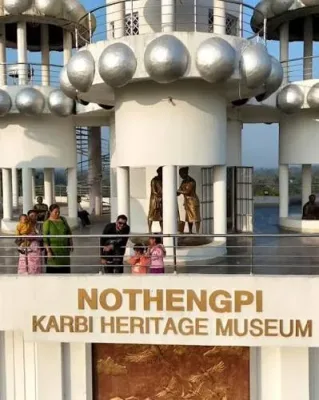
The wider Karbi Anglong region has a rich cultural and natural heritage. Chokri Rock is mentioned in the reference material as a nearby point of cultural interest, associated with ancient carved figures and local stories. Visitors can also explore the Karbi Heritage Centre in the region to learn about traditional artefacts, cultural practices and the heritage of the Karbi community.
Diphu, the district headquarters of Karbi Anglong, is a convenient base for exploring the surrounding region. Travellers can combine a visit to the sanctuary area with other attractions around Diphu, depending on travel time and local accessibility.
Best Time to Visit Marat Longri Wildlife Sanctuary
The period from November to March is generally suitable for exploring the Karbi Anglong region. The weather is comparatively pleasant, making road journeys and outdoor activities more comfortable.
The monsoon season brings substantial rainfall, which can make forest roads and walking routes difficult. Before travelling, visitors should check local weather conditions, forest access rules and whether any authorised visitor activities are available.
How to Reach Marat Longri Wildlife Sanctuary from Guwahati
By Road
Guwahati is the main transport gateway for many visitors travelling to Karbi Anglong. From Guwahati, travellers can drive towards Diphu using the available highway and regional road connections. The journey is approximately 250-270 km depending on the route and destination access point. From Diphu, local road transport can be arranged towards accessible areas around the sanctuary.
By Train
Diphu Railway Station is a convenient railhead for reaching the Karbi Anglong region. Visitors can travel from Guwahati to Diphu by train and arrange a taxi or other local transport for the onward journey. The actual distance to the sanctuary depends on the entry or access point, so confirm the route locally.
By Air
Dimapur Airport in Nagaland is a possible nearby air gateway, approximately 60 km from the Diphu area according to the supplied reference. Visitors can arrange a taxi from the airport towards Diphu and enquire locally about onward access.
Guwahati's Lokpriya Gopinath Bordoloi International Airport is another major option, particularly for travellers with more flight connections. From Guwahati, the remaining journey can be completed by road or train.
Where to Stay Near Marat Longri Wildlife Sanctuary
There are no dedicated luxury resorts or established commercial forest lodges inside the sanctuary mentioned in the supplied information. Diphu is the most practical accommodation base for most visitors, with homestays, hotels and guest houses offering options for different budgets.
The following accommodation details and contact numbers have been retained from your references. Please confirm current availability, rates and contact details directly before booking.
Homestays in Diphu
1. Runme Aboha Homestay
Address: Taralangso, near Karbi People's Hall, Diphu, Karbi Anglong, Assam - 782446
Phone: +91 6006356818
2. Lir-etso Homestay
Address: Near Miniso, Rongkhelang, Diphu, Assam - 782460
Phone: +91 70029 24416
3. Lakeland Homestay
Address: Beside D.A.V. Lake, P.H.E. Colony / DC Colony Road, near Talo Park, Diphu, Assam - 782462
Phone: +91 6901-821389, +91 8135993703
4. Skye Homestay
Address: Timungpi Building, Thana Road, Diphu, Karbi Anglong, Assam - 782462
5. Kangcho Homestay
Address: Rongmongve, near ITI, P.H.E. Colony, Diphu, Assam - 782460
6. KRO Hemthengsong Homestay / Resort
Address: VCCV+J8J, SH 36A, Diphu, Karbi Anglong, Assam - 782460
Phone: +91 86380 41359, +91 98640 67552
Hotels and Guest Houses in Diphu
7. Hotel Hempi
Address: NH 329, Diphu-Manja Main Road, Lower Dilaji, Diphu, Assam - 782460
Phone: +91 93954 94523
8. Hambi Hotel
Address: Gurudwara Road, near Kasa Stadium, Diphu, Assam - 782460
Phone: +91 60025 09210
9. Singhason Hotel & Restaurant
Address: Dharamnala, Diphu, Assam - 782460
Phone: +91 3671 271 458
10. AHSIDC Kanch Hotel & Resort
Address: Dilajee Complex, Diphu-Manja Road, near Assam Rifles, Diphu, Assam - 782460
Phone: +91 86385 52432
Other accommodation options mentioned in Diphu include The Cozy Nest, Rains Inn Eco Hotel, Tucking Hotel, Ashoka Hotel and Maa Hotel. Check their current operating status and availability before making travel arrangements.
Whom to Contact Before Visiting
Since Marat Longri is a protected wildlife sanctuary, visitors should contact the local Forest Department or the relevant forest range office before planning an excursion. Ask about permitted access points, entry requirements, local guidance, restricted areas and any available nature or birdwatching activities.
For accommodation, contact the homestays and hotels listed above directly. No dedicated sanctuary booking number or verified official tourism contact was included in the supplied references.
Marat Longri Wildlife Sanctuary: Divisional Forest Officer, Karbi Anglong West Division, Diphu, Tel.– +91-3671-272247/272221.
Responsible Travel Tips
Confirm forest access and any required permissions before entering the sanctuary.
Do not assume that all forest areas are open for independent sightseeing.
Avoid feeding, chasing or approaching wild animals.
Keep noise to a minimum, particularly during birdwatching.
Carry drinking water, essential medicines and suitable walking footwear.
Do not leave plastic, food waste or other litter in the forest.
Follow instructions from forest staff and local guides.
Why Visit Marat Longri Wildlife Sanctuary?
Marat Longri Wildlife Sanctuary offers an opportunity to understand the natural richness of Karbi Anglong beyond its better-known towns and tourist attractions. Its forests, elephant habitats, primate diversity, birdlife and traditional plant resources make it an important part of Assam's conservation landscape.
For nature enthusiasts, birdwatchers and travellers interested in the biodiversity of Northeast India, Marat Longri is a destination worth learning about and exploring responsibly, subject to forest permissions and local access arrangements.
Quick information table
| Particulars | Details |
|---|---|
| Name | Marat Longri Wildlife Sanctuary |
| Location | Karbi Anglong district, Assam |
| Nearest Town | Diphu |
| Distance from Diphu | Approximately 10 km (access-point dependent) |
| Approximate Area | 451 sq. km |
| Year of Declaration | 2003 |
| Conservation Landscape | Dhansiri-Lungding Elephant Reserve |
| Component Reserve Forests | Disama, Kaki (Karbi Anglong portion), Inglongkiri and Miyungdisa |
| Forest Types | Tropical semi-evergreen and tropical moist deciduous |
| Major Wildlife | Asian elephant, tiger, leopard, clouded leopard, gaur and primates |
| Notable Primates | Hoolock gibbon, capped langur, slow loris and macaques |
| Bird Diversity | More than 240 reported species |
| Notable Birds | White-winged wood duck and great pied hornbill |
| Best Time to Visit | November to March |
| Nearest Railway Station | Diphu Railway Station |
| Nearby Airport Option | Dimapur Airport |
| Major Airport Option | Guwahati International Airport |
| Accommodation Base | Diphu town |
| Popular Activities | Nature observation, birdwatching and learning about forest biodiversity |
| Visitor Access | Confirm permissions and access with the Forest Department |
FAQs About Marat Longri Wildlife Sanctuary
1. Where is Marat Longri Wildlife Sanctuary located?
Marat Longri Wildlife Sanctuary is located in Karbi Anglong district of Assam, near Diphu. It is an important protected forest landscape in the Karbi Plateau region.
2. What is the total area of Marat Longri Wildlife Sanctuary?
The sanctuary covers approximately 451 square kilometres, according to the supplied reference information.
3. When was Marat Longri Wildlife Sanctuary established?
Marat Longri was declared a wildlife sanctuary in 2003.
4. Which animals can be found in Marat Longri Wildlife Sanctuary?
The sanctuary landscape supports Asian elephants, tigers, leopards, clouded leopards, gaurs, deer, pangolins and several primate species. Wildlife sightings are not guaranteed.
5. Is Marat Longri Wildlife Sanctuary part of an elephant reserve?
Yes. Marat Longri is part of the larger Dhansiri-Lungding Elephant Reserve landscape, which is important for elephant habitat conservation in the region.
6. What is the best time to visit Marat Longri Wildlife Sanctuary?
November to March is generally a suitable period to explore the Karbi Anglong region because of the comparatively comfortable weather and more convenient outdoor travel conditions.
7. How can I reach Marat Longri Wildlife Sanctuary from Guwahati?
You can travel from Guwahati to Diphu by road or train. From Diphu, arrange local transport towards an accessible sanctuary area. Confirm the route and entry permission with the Forest Department.
8. Which is the nearest railway station to Marat Longri Wildlife Sanctuary?
Diphu Railway Station is a convenient railhead for visitors travelling to the sanctuary region. Local transport can be arranged from the station.
9. Where can I stay when visiting Marat Longri Wildlife Sanctuary?
Diphu town is the most practical accommodation base. Visitors can choose from local homestays, hotels and guest houses, including Runme Aboha Homestay, Lir-etso Homestay, Lakeland Homestay and Hotel Hempi.
10. Is Marat Longri Wildlife Sanctuary open for tourists and safaris?
Marat Longri is a protected wildlife area, and visitor access may depend on forest regulations and local permissions. Do not assume that regular safari facilities are available. Contact the Forest Department before planning your visit.