In Depth
According to local belief, Singri Hill—where the temple stands—was once a secluded region where Lord Shiva meditated during a celestial conflict. The name "Gupteswar" is derived from the word gupta meaning "hidden," indicating that the divine presence of Lord Shiva manifested here in a concealed form. Ancient texts also mention the meditation of Sringi Rishi in the nearby hills. It is said that when demons tried to disrupt his penance, he hid inside a natural pool—now considered sacred by devotees. This mythological significance continues to attract thousands of pilgrims during Maha Shivratri, one of the biggest festivals celebrated at this temple.
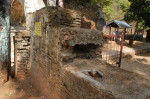
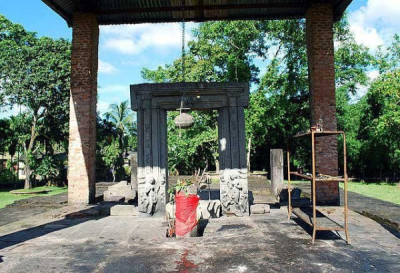
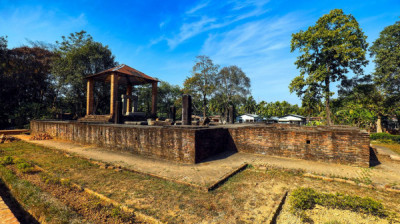
Archaeological findings reveal that Gupteswar Devalaya stands on a site that dates back to the 9th–12th century CE, with visible remnants from different dynastic periods. Excavations have uncovered stone lintels depicting Shiva, Vishnu, lions, and celestial beings, along with carved pillars, ceiling slabs, and decorative sculptures. The temple architecture reflects the ancient pancharatha style, with a mandapa and brick boundary wall aligned in an east-west direction. Discoveries of iron clamps, ancient brick formations, and artistic fragments from multiple time frames indicate that the structure evolved over centuries. Much of this evidence points to early construction during the Salasthambha dynasty, followed by renovations by Ahom kings such as Swargadeo Siva Singha and Gadadhar Singha.
Historically, the temple also served a strategic role. The Ahom chronicles mention the establishment of a military camp and marketplace near Singri during the Mughal conflicts of the 17th century. The Bhutanese, deeply reverent toward this shrine, once offered a silver cap adorning the main idol. However, the artifact was plundered and damaged during the Ahom–Mughal war. The Ahoms subsequently restored the temple and used the Singri region as a check post to safeguard traders and travellers along the river routes. The region’s ancient names—Chungari, Chowari, and Singari—appear frequently in literature and Buranjis, further confirming its historical importance.
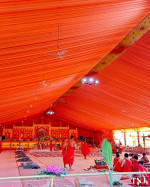
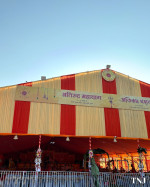
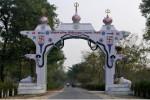
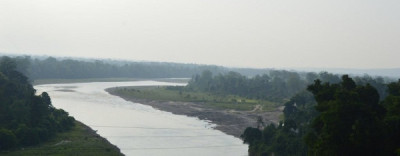
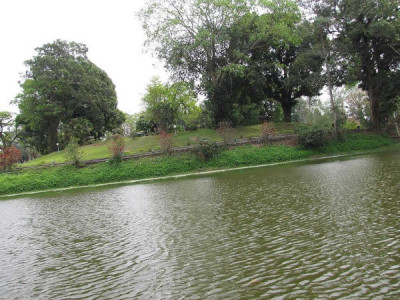
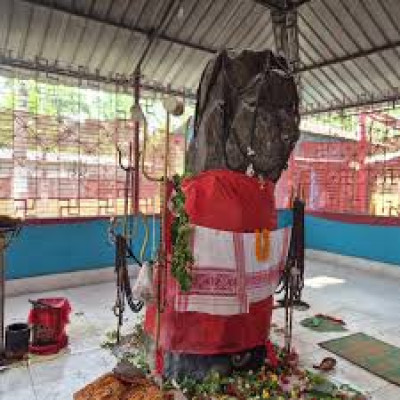
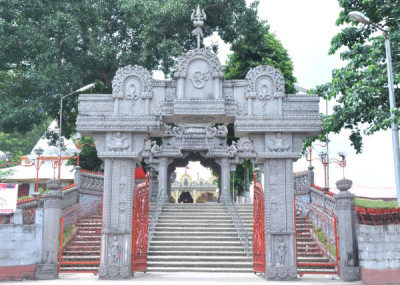
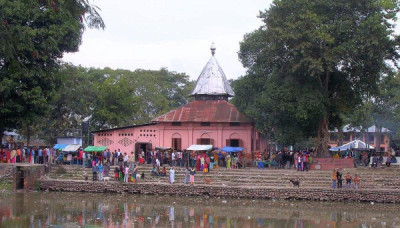
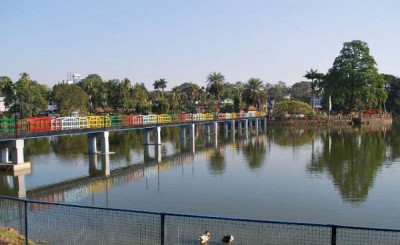
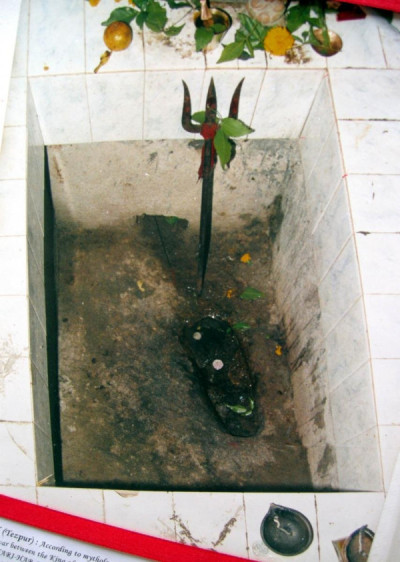
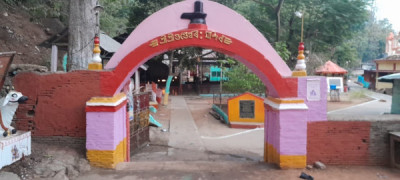
Today, Sri Sri Gupteswar Devalaya is not just a place of worship but a peaceful retreat amidst nature. The temple surroundings are blessed with lush greenery, serene river views, and an enchanting ambiance filled with the sound of chanting, bells, and burning diyas. A sacred pond near the temple, believed to be centuries old, houses turtles that devotees consider auspicious. Hundreds of tridents (trishuls) offered by pilgrims as a symbol of devotion can be seen around the complex, creating a spiritually uplifting atmosphere.
Every year, the temple witnesses a massive footfall during Maha Shivratri and other auspicious days dedicated to Lord Shiva. A grand fair, cultural events, and even a traditional circus are organized, attracting visitors from across Assam and neighbouring states. The temple’s heritage, combined with its natural beauty and ongoing archaeological studies, makes it a captivating destination for history lovers, pilgrims, researchers, and travellers.
How to Reach Sri Sri Gupteswar Devalaya
-
By Road:Dhekiajuli is well-connected by road with Tezpur, Guwahati, and other major towns. Local buses, auto-rickshaws, and shared taxis are available.
-
Nearest Town: Dhekiajuli (approx. 7–12 km depending on the entry route)
-
Nearest Railway Station: Rangapara North Railway Station (about 35 km)
-
Nearest Airport: Tezpur Airport (Saloni) – approx. 40 km; Guwahati Airport – approx. 160 km
-
By River Route: Historically, Singri was a river mart; travellers can enjoy scenic riverfront views today.
Best Time to Visit Sri Sri Gupteswar Devalaya
The ideal time to visit the temple is:
-
October to March – Pleasant winter weather, great for sightseeing
-
During Maha Shivratri – The biggest festival with fairs, rituals, and thousands of devotees
-
Early morning or evening – For peaceful darshan and meditation
Monsoon months (June to September) offer greenery but may have limited accessibility due to heavy rainfall.
Quick Info Table on Sri Sri Gupteswar Devalaya
| Topic | Details |
|---|---|
| Location | Singri, near Dhekiajuli, Sonitpur district, Assam |
| Dedicated To | Lord Shiva (Gupteshwar Mahadev) |
| Temple Age | Estimated 9th–12th century CE |
| Nearest Town | Dhekiajuli |
| Major Festival | Maha Shivratri |
| Best Time to Visit | October–March |
| Nearest Airport | Tezpur Airport (40 km), Guwahati Airport (160 km) |
| Nearest Railway Station | Rangapara North (35 km) |
| Architectural Style | Pancharatha style with mandapa & stone carvings |
| Special Features | Sacred pond, ancient carvings, tridents, scenic hill surroundings |
FAQs on Sri Sri Gupteswar Devalaya
-
What is Sri Sri Gupteswar Devalaya famous for?It is renowned as an ancient Shiva temple linked to meditation legends, archaeological remains, and major Shiva festivals.
-
Where is Gupteswar Devalaya located?The temple is located near Dhekiajuli in Sonitpur district, Assam, close to Singri Hill and the Brahmaputra River.
-
How old is the Gupteswar Temple at Singri?Excavations indicate that parts of the temple date back to the 9th–12th century CE.
-
What is the best time to visit the temple?October to March and the Maha Shivratri festival period are the best times for a pleasant visit.
-
Is there any mythological significance of the temple?Yes, it is believed that Lord Shiva meditated here during a divine war, and Sringi Rishi performed penance in the nearby hills.
-
Are there archaeological findings at the site?Numerous ancient bricks, stone carvings, lintels, and mandapa structures have been discovered during excavations.
-
How do I reach Sri Sri Gupteswar Devalaya?It is easily accessible by road from Dhekiajuli, Tezpur, and Guwahati. The nearest airport is Tezpur Airport.
-
Is photography allowed inside the temple?Photography is generally allowed outside; visitors should confirm onsite for inner sanctum rules.
-
What festivals are celebrated at the temple?Maha Shivratri is the grandest festival, accompanied by fairs, rituals, and cultural events.
-
Is the temple suitable for family visits?Yes, it is a peaceful and family-friendly pilgrimage destination with natural and historical attractions.