In Depth
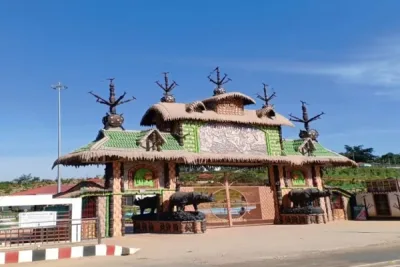
Located approximately 25 km from Golaghat, Garampani offers visitors a different experience from conventional tourist attractions. It is a forest-based natural destination rather than a commercial spa or resort. The surrounding sanctuary, streams and walking areas make it an interesting stop for nature lovers, families and travellers exploring the Golaghat-Karbi Anglong region.
Garampani Wildlife Sanctuary and Natural Beauty
Garampani Wildlife Sanctuary is among the older protected forest areas of Assam. Notified in 1952, it covers approximately 6.05 square kilometres and forms part of an important forest ecosystem connected with the surrounding Nambor region.
The sanctuary features tropical semi-evergreen vegetation, dense tree cover and diverse plant life. The wider Nambor-Garampani landscape is also known for its orchid diversity, with around 51 rare orchid species reported in the area. This natural environment adds to the attraction of visiting the hot springs.
Main Attractions at Garampani
The natural hot water spring is the main highlight of the destination. Visitors can observe the warm water emerging naturally from the ground and explore the surrounding thermal areas. Some visitor areas have been associated with shallow pools or foot-dipping facilities, but access and bathing arrangements should be confirmed locally.
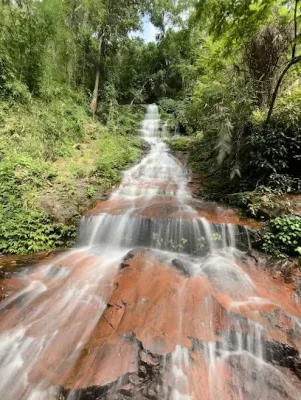
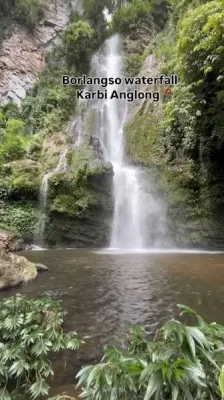
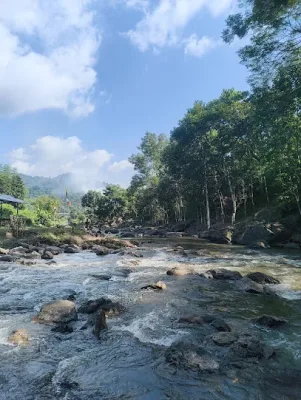
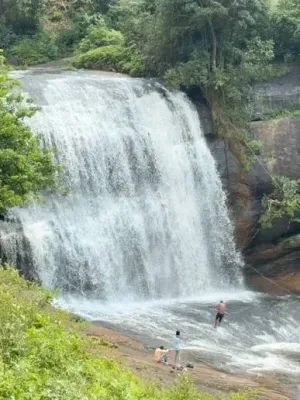
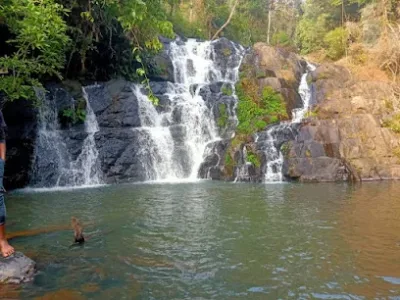
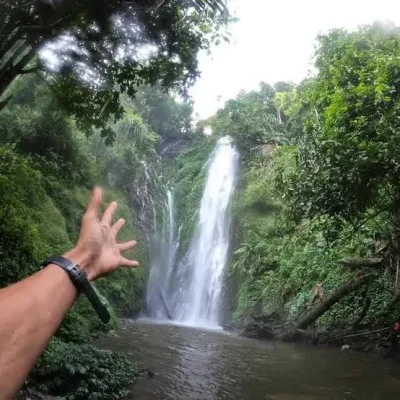
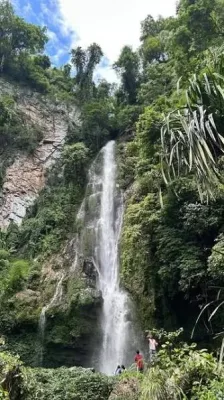
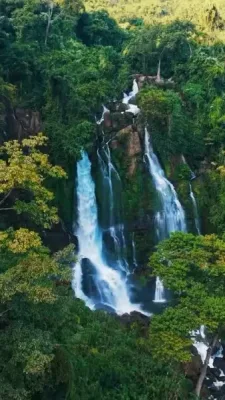
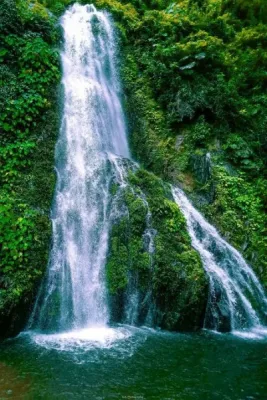
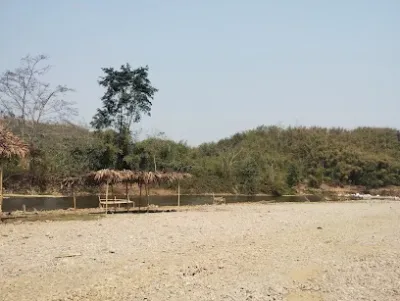
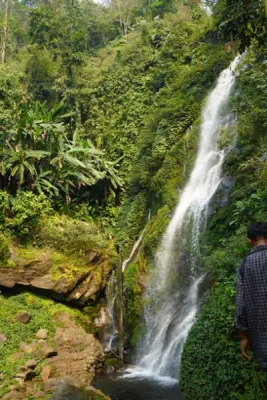
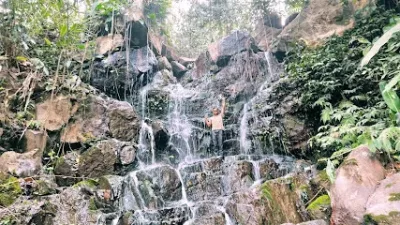
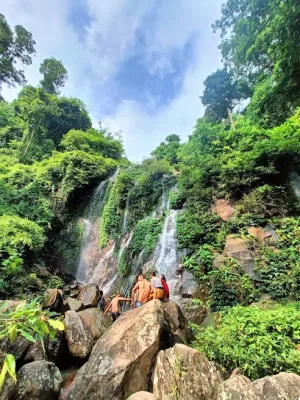
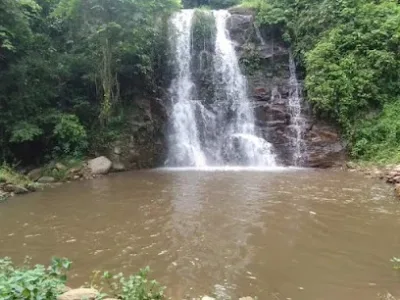
Apart from the springs, the surroundings offer small streams, forest paths and scenic water features. An old-style hanging bridge is another attraction often associated with the site. There are also reports of a basic children's play area, making the location suitable for a short family outing when these facilities are accessible.
The peaceful forest setting provides opportunities for nature photography, leisurely walks and enjoying the sounds of the surrounding woodland.
Wildlife and Birdwatching
Garampani and the adjoining forest landscape support a variety of wildlife. Species reported in the wider area include hoolock gibbons, capped langurs, golden langurs, Asian elephants, gaurs, sambar and barking deer. Leopards and several reptile species are also associated with the forest ecosystem.
Birdwatchers may find the region interesting because of its diverse birdlife, including hornbills and kingfishers. Wildlife sightings are never guaranteed, particularly in dense forest habitats. Visitors should maintain a safe distance from animals and follow forest department instructions.
Best Time to Visit Garampani Hot Springs
October to March is generally a comfortable period to explore Garampani Hot Springs. November to April can also be suitable for visitors interested in forest walks and birdwatching. During the monsoon, the surrounding vegetation becomes lush, but heavy rainfall may make trails slippery and access more difficult.
How to Reach Garampani Hot Springs from Guwahati
Garampani Hot Springs is approximately 330 km from Guwahati by road, with journey time depending on the route, traffic and road conditions. Visitors can travel towards Golaghat and continue to the sanctuary area. The destination is also accessible from nearby towns and Kaziranga.
By Road: Golaghat is the nearest major town, approximately 25-35 km away according to route references. Visitors can hire a taxi or use private transport. The route is accessible through the regional road network, including the NH-39 corridor.
By Train: Furkating Junction is a nearby railway station, approximately 20 km from the destination according to supplied route information. Taxis and other local transport can be arranged for the onward journey.
By Air: Dimapur Airport in Nagaland is approximately 55 km away, while Jorhat Airport is around 85 km away. Travellers can arrange a taxi from either airport, subject to availability.
Travel Tips for Visitors
Wear comfortable walking shoes because forest paths and natural surfaces may be uneven or damp. Carry drinking water and essential supplies, as facilities around the sanctuary may be limited. Before travelling, confirm current access rules, entry arrangements and visiting hours with the local Forest Department or the Golaghat forest office. Avoid entering restricted forest areas, disturbing wildlife or leaving waste behind.
Why Visit Garampani Hot Springs?
Garampani Hot Springs combines a natural thermal water feature with the biodiversity and greenery of an Assam wildlife sanctuary. Its forest surroundings, small water features, wildlife habitat and proximity to Golaghat make it a worthwhile destination for travellers interested in nature and lesser-known places in Assam. It can also be included in a wider itinerary covering Golaghat, Karbi Anglong and Kaziranga.
Quick information table
| Information | Details |
|---|---|
| Tourist destination | Garampani Hot Springs |
| Location | Garampani Wildlife Sanctuary, Karbi Anglong, Assam |
| Nearest major town | Golaghat |
| Distance from Golaghat | Approximately 25-35 km |
| Sanctuary area | Approximately 6.05 sq. km |
| Sanctuary notification | 10 July 1952 (reported notification date) |
| Main attraction | Natural thermal water springs |
| Other attractions | Hanging bridge, streams, forest paths and water features |
| Surrounding vegetation | Tropical semi-evergreen forest |
| Wildlife | Hoolock gibbons, langurs, elephants, gaurs and deer |
| Birdlife | Hornbills, kingfishers and other forest birds |
| Best time to visit | October to March; November to April is also suitable |
| Nearest railway station | Furkating Junction |
| Nearby airports | Dimapur Airport and Jorhat Airport |
| Distance from Guwahati | Approximately 330 km by road |
| Recommended visit | Short nature outing; allow extra time for nearby destinations |
| Visitor advice | Confirm entry rules, facilities and timings before travelling |
Frequently Asked Questions About Garampani Hot Springs
1. Where is Garampani Hot Springs located?
Garampani Hot Springs is located inside Garampani Wildlife Sanctuary in the Karbi Anglong district of Assam, approximately 25-35 km from Golaghat.
2. Why is Garampani Hot Springs famous?
The destination is known for its naturally warm thermal springs surrounded by forest vegetation. Its wildlife habitat and peaceful natural setting make it an interesting nature attraction in Assam.
3. What does the name Garampani mean?
Garampani combines two words: "garam", meaning hot, and "pani", meaning water. The name describes the naturally warm water springs found in the area.
4. What is the best time to visit Garampani Hot Springs?
October to March is generally suitable for a comfortable visit. November to April can also offer favourable conditions for exploring the surrounding forest areas.
5. How far is Garampani Hot Springs from Guwahati?
Garampani Hot Springs is approximately 330 km from Guwahati by road. The journey time depends on the route, traffic and road conditions.
6. Which railway station is nearest to Garampani Hot Springs?
Furkating Junction is one of the nearest railway stations, located approximately 20 km from the destination according to available route references. Local transport is needed for the onward journey.
7. Which airport is nearest to Garampani Hot Springs?
Dimapur Airport is approximately 55 km away, while Jorhat Airport is around 85 km away. Travellers can arrange road transport from either airport.
8. What wildlife can be found around Garampani Wildlife Sanctuary?
The wider forest ecosystem supports species such as hoolock gibbons, capped langurs, golden langurs, elephants, gaurs, deer and several bird species. Actual wildlife sightings depend on natural conditions.
9. Can visitors bathe in Garampani Hot Springs?
The area is known for its natural thermal water, and foot-dipping or bathing facilities have been reported. However, visitors should confirm whether bathing is currently permitted and follow local safety instructions.
10. Is Garampani Hot Springs suitable for a family visit?
It can be considered for a family nature outing, particularly for visitors interested in forest scenery and natural springs. Check the current condition of walking paths, visitor facilities and access arrangements before travelling.