In Depth
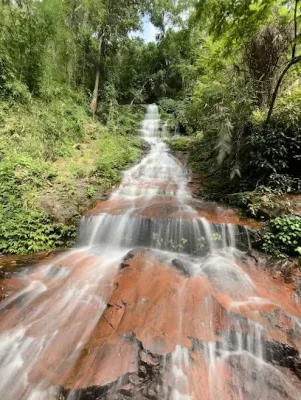
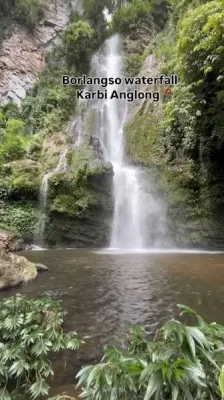
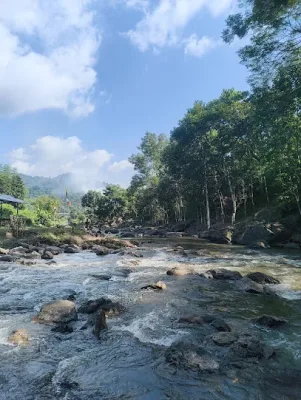
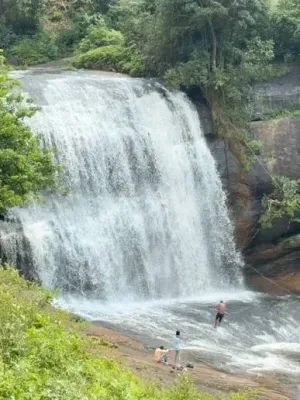
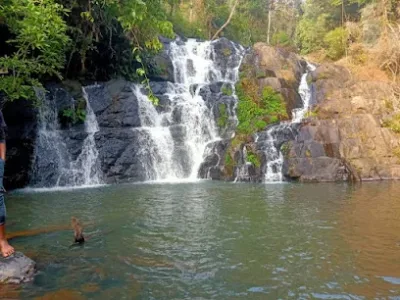
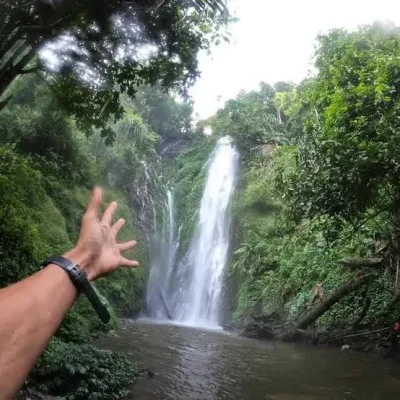
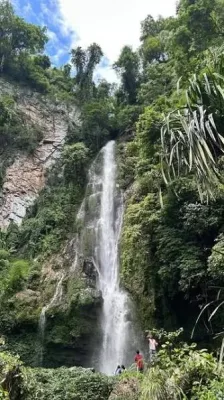
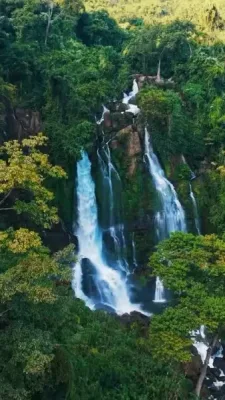
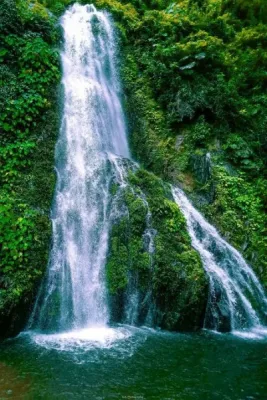
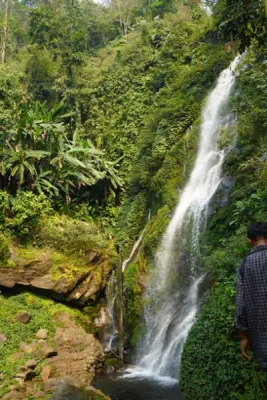
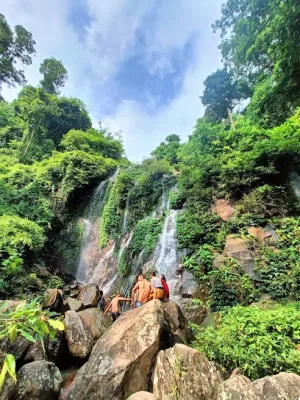
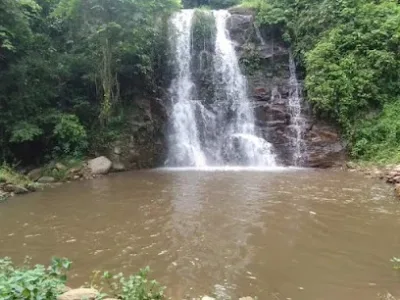
The waterfall is reported to have a height of approximately 140 feet (43 metres). Fed by the Bablang stream, its water descends over a forested hillside and collects in a natural pool below. The surrounding landscape of green slopes, rocky surfaces and thick vegetation creates an attractive setting for visitors interested in nature, photography and outdoor exploration.
Mythology and Religious Importance
Akashiganga holds an important place in local religious tradition and is associated with the Shakti cult. According to a popular Hindu legend, the head of Goddess Sati fell at this location when Lord Vishnu used his Sudarshan Chakra to separate Sati's body while Lord Shiva carried it in grief. This belief gives the site its sacred identity and makes it a place of pilgrimage for devotees.
The Kalika Purana is also cited in connection with the religious significance of Akashiganga. A temple dedicated to Lord Shiva stands near the waterfall, attracting worshippers throughout the year. The number of visitors increases considerably during Magh Bihu, which coincides with Makar Sankranti, and Maha Shivaratri. Devotees traditionally visit the site to offer prayers and take a ritual bath in the holy water.
Ancient Ruins and Historical Interest
Apart from its religious importance, the area is associated with archaeological remains believed to date from around the 10th to 12th centuries. Visitors may come across old stone fragments and architectural elements, including carved designs, pillar sections and remnants of temple structures. These remains add another dimension to the visit, offering a glimpse into the region's historical and cultural heritage. Visitors should avoid touching, moving or damaging any archaeological material.
Nature, Trekking and Visitor Experience
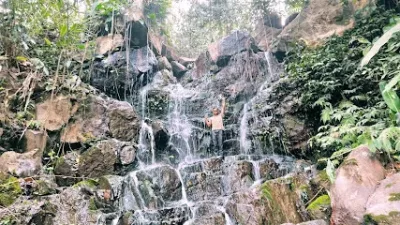
The waterfall is surrounded by forested hills and natural vegetation, making the journey enjoyable for those who appreciate outdoor scenery. Reaching the main waterfall area generally involves a walk along steps or uneven paths from the entrance and temple vicinity. Some routes may include rocky and slippery sections, particularly during the rainy season.
The wider forest belt is known for wildlife movement, including elephants. Visitors should remain alert, follow local instructions and avoid wandering into unfamiliar forest areas. The temple surroundings may also have monkeys, so keep food and belongings secure.
How to Reach Akashiganga Waterfall
Akashiganga is situated along NH-36, approximately 11–12 km from Doboka according to the supplied route information. Nagaon is another useful starting point, while travellers coming from Guwahati can reach the area by road or use available rail connections towards Hojai and nearby towns. From the nearest transport point, local taxis or other vehicles can be arranged for the remaining journey.
Best Time to Visit and Travel Tips
October to March is generally suitable for a comfortable visit, as the weather is comparatively pleasant and walking conditions are often better. The monsoon months bring heavier rainfall and stronger water flow, but trails and steps can become slippery. Festival periods offer a distinctive spiritual experience but also attract large crowds.
Wear comfortable footwear, carry drinking water and keep the surroundings clean. Check local weather and road conditions before travelling, and follow safety instructions near the waterfall and temple. Akashiganga offers a memorable combination of natural scenery, religious tradition and historical interest, making it a worthwhile destination to explore in Assam.