In Depth
Unlike established tourist parks, Timlangpong is a relatively undeveloped natural site. Its appeal lies in the surrounding landscape, the sound of flowing water and the journey through the rural and hilly areas of Karbi Anglong.
Natural Beauty and Surroundings
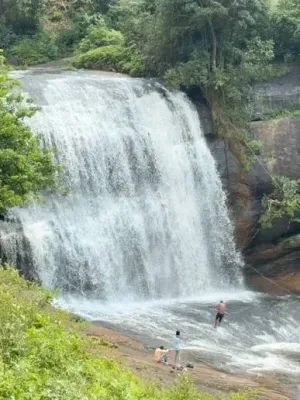
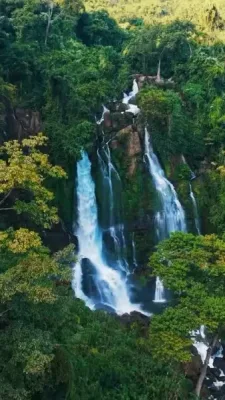
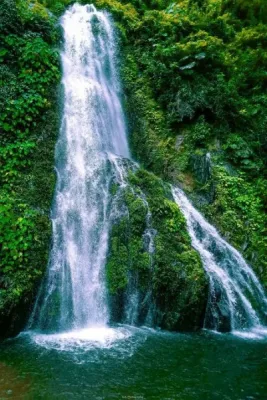
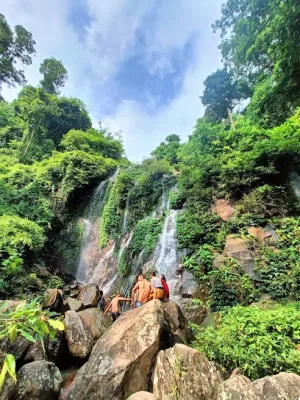
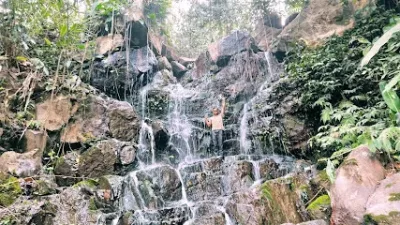
The waterfall forms as a stream flows over the rocky slopes of the region, creating a scenic cascade among the vegetation. During periods of good rainfall, the water becomes more prominent and adds to the beauty of the forested surroundings. The combination of green hills, exposed rocks and flowing streams gives the area a distinct natural character.
The nearby Longnit River and other local landscapes add to the appeal of this part of Karbi Anglong. Visitors exploring the area may also plan to see Longsokangthu Eco-Tourism Park and Siloni Picnic Spot, which are mentioned among the nearby attractions. These places can make a wider local sightseeing trip, depending on road conditions and available time.
Best Time to Visit Timlangpong Waterfall
The monsoon season, generally from June to September or October, is when the waterfall is likely to have its strongest flow. Rainfall brings fresh greenery to the hills and makes the cascade more noticeable. However, heavy rain can also make access roads and walking paths difficult, muddy and slippery.
Water flow may reduce considerably during the winter and drier months, so visitors looking for a fuller waterfall experience should consider the rainy season while keeping safety in mind. The post-monsoon period may offer a balance between scenic surroundings and more manageable travel conditions, depending on recent rainfall.
Before setting out, check the local weather and ask residents about the condition of the approach road and trail.
Things to See and Experience
A visit to Timlangpong Waterfall is as much about the surrounding landscape as the cascade itself. The route through Chala Kathar and Dilawjan features rural scenery, hilly stretches and rugged road sections. Travellers who enjoy motorcycle rides and off-road journeys may find the approach interesting, although suitable vehicles and careful driving are important.
At the waterfall, visitors can spend time enjoying the natural setting, taking photographs and observing the local environment. Since the location is not heavily developed for tourism, facilities may be limited. It is best suited to visitors who prefer simple nature outings rather than organised recreational activities or a fully equipped picnic destination.
How to Reach Timlangpong Waterfall
Timlangpong Waterfall is located near Chala Kathar and Dilawjan in Karbi Anglong district, Assam, with the supplied reference listing the PIN code as 782461. Diphu and Dimapur are possible regional travel bases, from where visitors can continue by taxi or other local road transport. Dimapur Airport in Nagaland and Lokpriya Gopinath Bordoloi International Airport in Guwahati are possible air gateways, but the most convenient option depends on the starting point and available transport.
The final approach may involve remote roads and directions through nearby settlements. Travellers are advised to confirm the exact route locally and consider hiring a driver or guide familiar with the area. Do not rely only on online map directions for the last stretch.
Travel Tips and Responsible Tourism
Carry drinking water, snacks, suitable footwear and essential supplies, as shops and visitor facilities may not be available near the waterfall. Avoid visiting during severe rainfall or when streams are in flood. Wet rocks can be extremely slippery, so do not climb the cascade or enter unfamiliar pools.
The surrounding area has reportedly experienced environmental pressure from activities such as mining. Visitors can help protect the landscape by avoiding littering, disturbing vegetation or leaving waste behind. Respect local communities and follow any access restrictions in place.
Timlangpong Waterfall offers an opportunity to experience a quieter side of Karbi Anglong. With its seasonal cascade, rugged approach and green hill scenery, it can be a rewarding destination for travellers interested in Assam's lesser-explored natural attractions.