In Depth
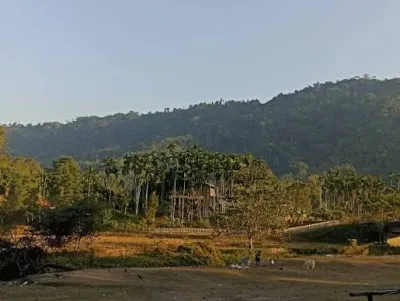
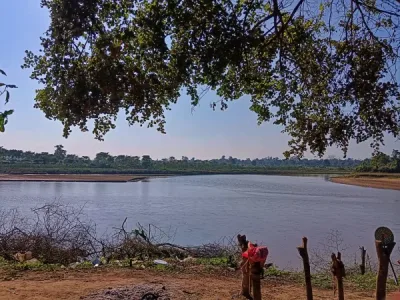
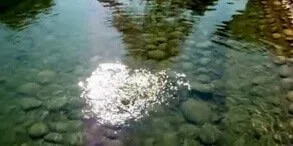
The sanctuary is renowned for its tropical semi-evergreen forests with pockets of pure evergreen vegetation and small forest marshes. One of its most unique natural attractions is the presence of hot water springs, which makes Nambor-Doigrung Wildlife Sanctuary distinct among the protected areas of Assam. The forest provides an ideal habitat for a wide variety of mammals including Asian elephants, Gaur or Indian bison, Hoolock Gibbons, tigers, leopards, fishing cats, barking deer, sambar, wild pigs, and several species of macaques and slow lorises.
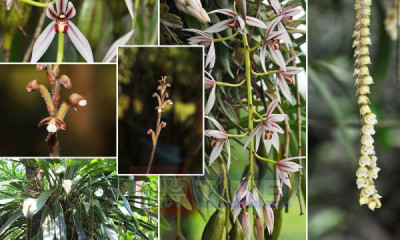
Birdlife is equally rich, with notable species such as the white winged wood duck, great pied hornbill, wreathed hornbill, and adjutant stork found in the sanctuary. Reptiles and amphibians like tortoises, monitor lizards, and pythons further add to its ecological diversity. The area also supports diverse flora including Bhelu, Gomari, Ajar, Nahor, Udiyam, Poma, Bon Som, and rare orchid species.
The best time to visit Nambor-Doigrung Wildlife Sanctuary is from October to March, when the weather is pleasant and wildlife sightings are more frequent. Visitors can enjoy nature walks, wildlife viewing, guided tours, photography, and exploration of nearby attractions such as Kaziranga National Park and Manas National Park. Due to limited accommodation near the sanctuary, most tourists prefer staying in Golaghat, Hojai, Nagaon, or near Kaziranga for comfortable lodging options.
Is Nambor-Doigrung Wildlife Sanctuary and Nambor Wildlife Sanctuary same?
No, Nambor-Doigrung Wildlife Sanctuary and Nambor Wildlife Sanctuary are not the same, although they are closely connected. Nambor-Doigrung Wildlife Sanctuary is located in the Golaghat district and was declared in 2003, while Nambor Wildlife Sanctuary lies in the Karbi Anglong district. Both sanctuaries, along with Garampani Wildlife Sanctuary, form an interconnected wilderness zone under the Kaziranga-Karbi Anglong Elephant Reserve. They share a common ecosystem, rich biodiversity, elephant corridors, and forest continuity, but remain separate administrative units.
Quick Info Table on Nambor-Doigrung Wildlife Sanctuary
| Particulars | Details |
|---|---|
| Location | Morangi, Golaghat district, Assam |
| Area | 97.15 sq. km |
| Declared | 2003 |
| Forest Type | Tropical semi-evergreen and evergreen |
| Famous For | Hot water springs, elephants, Gaur |
| Elephant Reserve | Kaziranga-Karbi Anglong Elephant Reserve |
| Best Time to Visit | October to March |
| Nearest Airport | Rowriah (Jorhat) Airport – 68 km |
| Distance from Guwahati | 318 km |
| Nearby Attraction | Kaziranga National Park |
FAQ on Nambor-Doigrung Wildlife Sanctuary
1. Where is Nambor-Doigrung Wildlife Sanctuary located?
Nambor-Doigrung Wildlife Sanctuary is located at Morangi in the Golaghat district of Assam, about 25 km from Golaghat town.
2. When was Nambor-Doigrung Wildlife Sanctuary declared?
It was officially declared a wildlife sanctuary in 2003.
3. What is Nambor-Doigrung Wildlife Sanctuary famous for?
The sanctuary is famous for its natural hot water springs, elephants, Gaur, and Hoolock Gibbons.
4. What is the best time to visit Nambor-Doigrung Wildlife Sanctuary?
The best season to visit is from October to March.
5. Which animals can be seen in Nambor-Doigrung Wildlife Sanctuary?
Visitors may spot elephants, tigers, leopards, Gaur, Hoolock Gibbons, macaques, barking deer, sambar, and wild pigs.
6. Is Nambor-Doigrung Wildlife Sanctuary part of an elephant reserve?
Yes, it is part of the Kaziranga-Karbi Anglong Elephant Reserve.
7. How far is Nambor-Doigrung Wildlife Sanctuary from Guwahati?
It is approximately 318 km from Lokpriya Gopinath Bordoloi International Airport, Guwahati.
8. Are guided tours available inside the sanctuary?
Yes, guided tours are available and are recommended for wildlife viewing and learning about conservation.
9. Where can tourists stay while visiting Nambor-Doigrung Wildlife Sanctuary?
Tourists can stay in Golaghat, Hojai, Nagaon, or near Kaziranga where better accommodation options are available.
10. Is photography allowed in Nambor-Doigrung Wildlife Sanctuary?
Yes, nature and wildlife photography are popular activities, subject to forest department rules.