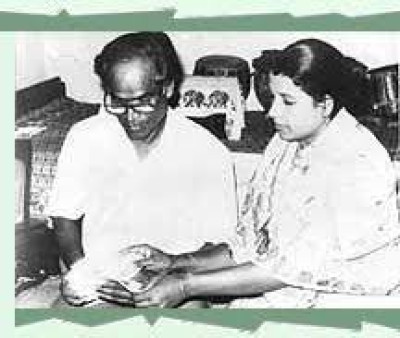
Life & Legacy
Early Life
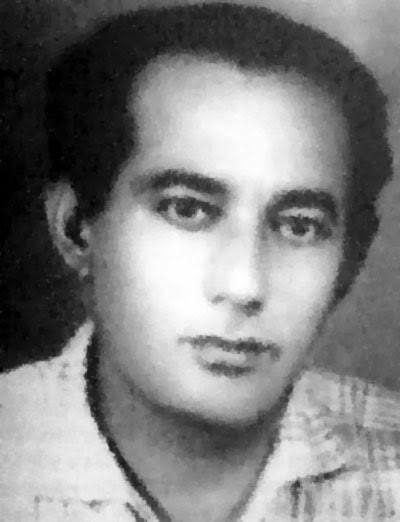
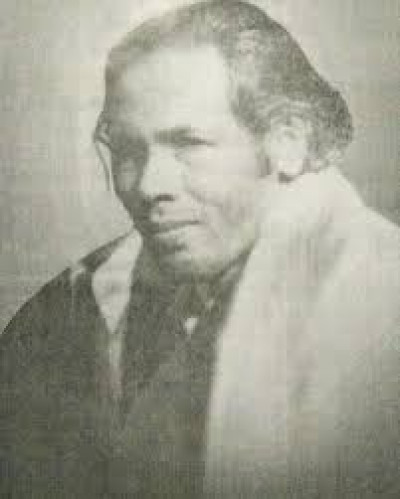
Moghai Ojha was born in 1916 in Naosolia village under Hatigarh Mouza in present-day Jorhat district, Assam. He belonged to a humble family and spent his childhood facing financial difficulties after losing his father at a young age. Raised by his widowed mother, he learned the value of hard work and perseverance from an early age. Despite economic hardships, his love for traditional music remained strong throughout his childhood.
Education
Due to poverty, Moghai Ojha was able to complete only his primary education. Financial responsibilities prevented him from pursuing higher studies. Although he briefly worked in a tea garden to support his family, his true passion always remained music. He eventually dedicated his life to mastering the Assamese dhol.
Musical Journey
Moghai Ojha developed exceptional skill in playing the dhol through years of continuous practice and dedication. His performances soon became popular throughout Assam because of his energetic style, flawless rhythm, and ability to create unique sound patterns. Audiences admired his extraordinary control over the instrument, and he earned immense respect as one of the finest traditional drummers in the state.
His performances during Bihu festivals became especially famous. He elevated the status of the dhol from a supporting musical instrument to the central attraction of Assamese folk celebrations. His innovative techniques allowed him to imitate natural sounds such as rainfall, thunder, trains, birds, and animals, demonstrating his exceptional creativity and musical intelligence.
Career and Contributions
Moghai Ojha played a significant role in preserving and promoting Assamese folk music during a period when traditional arts were receiving limited national recognition. He performed in numerous cultural festivals, public events, and theatre productions across India, introducing Assamese folk traditions to wider audiences.
He was associated with several renowned artists, including Dr. Bhupen Hazarika and Hemanga Biswas, and actively participated in cultural movements that promoted peace, unity, and Assamese heritage. His association with the Indian People's Theatre Association (IPTA) helped him showcase Assamese folk music on national platforms.
His contribution also extended to cinema, radio, and gramophone recordings, allowing his musical legacy to reach audiences beyond live performances.
Films and Musical Recordings
Moghai Ojha contributed his dhol performances to several well-known films, including:
- Piyoli Phukan (Assamese)
- Trishna (Hindi)
- Mahut Bandhure (Bengali)
- Ronga Police (Assamese)
- Pratidhwani (Assamese)
- Maram Trishna (Assamese)
He also performed in radio dramas, stage productions, and gramophone recordings, including:
- Khora Sialor Biya
- Bharat Swadhinata
- Meghe Goja
- Boroxun Ona
- Relgari Chola
These recordings remain valuable examples of traditional Assamese percussion music.
Major Achievements
- Widely recognized as one of the greatest Assamese dhol players.
- Popularized the Assamese dhol throughout India.
- Played an important role in preserving traditional Assamese folk music.
- Represented Assam at major cultural festivals and national events.
- Worked alongside legendary artists including Dr. Bhupen Hazarika and Hemanga Biswas.
- Contributed to Assamese, Bengali, and Hindi cinema.
- Inspired generations of folk musicians and dhol players.
- Helped strengthen Assamese cultural identity through music.
- Brought national recognition to Assam's traditional percussion art.
- Remains one of the most respected folk artists in Assamese cultural history.
Awards and Recognition
Although many folk artists of his era received limited formal recognition during their lifetime, Moghai Ojha's contributions have been honoured posthumously through several memorial initiatives.
- Moghai Ojha Award established to recognize contributions to Assamese folk culture.
- Ganashilpi Moghai Ojha Award instituted by cultural organizations.
- Moghai Ojha Memorial Hall established in Assam.
- Documentary films and biographies created to preserve his life and legacy.
- Continues to be remembered during Bihu festivals and cultural events across Assam.
Death
Moghai Ojha passed away on 15 March 1978 at his residence in Meleng, Jorhat district, Assam. Although he is no longer among us, his music continues to inspire performers and lovers of Assamese culture. His powerful dhol beats remain an inseparable part of Assam's cultural heritage.
Legacy
Moghai Ojha is remembered as a cultural icon whose dedication helped preserve one of Assam's most treasured musical traditions. Every Bihu celebration echoes the influence of his artistry, and countless young musicians continue to learn from the style he popularized. His contribution has ensured that the Assamese dhol remains an enduring symbol of the state's rich cultural heritage.
FAQs about Moghai Ojha
1. Who was Moghai Ojha?
Moghai Ojha was a legendary Assamese folk musician and one of the greatest dhol players in Assam, known for popularizing traditional Assamese percussion music across India.
2. Why is Moghai Ojha famous?
He is famous for his exceptional mastery of the Assamese dhol and for preserving and promoting Assam's folk music and Bihu traditions.
3. When was Moghai Ojha born?
Moghai Ojha was born in 1916 in Naosolia village of Jorhat district, Assam.
4. Which musical instrument made Moghai Ojha famous?
He became famous for his extraordinary skill in playing the traditional Assamese dhol.
5. Which films featured Moghai Ojha's performances?
His performances appeared in films including Piyoli Phukan, Trishna, Mahut Bandhure, Ronga Police, Pratidhwani, and Maram Trishna.
6. Did Moghai Ojha work with Bhupen Hazarika?
Yes. Moghai Ojha worked alongside Dr. Bhupen Hazarika and other leading cultural personalities in promoting Assamese folk music and culture.
7. What are the major contributions of Moghai Ojha?
He popularized the Assamese dhol, preserved traditional folk music, inspired future musicians, and represented Assamese culture at national cultural events.
8. When did Moghai Ojha die?
He passed away on 15 March 1978 in Jorhat district, Assam.
9. Is there any award named after Moghai Ojha?
Yes. Cultural organizations in Assam have established awards in his memory to recognize outstanding contributions to Assamese folk arts and culture.
10. Why is Moghai Ojha important in Assamese culture?
He transformed the dhol into a globally recognized symbol of Assamese identity and remains one of the most respected folk artists in the history of Assam.