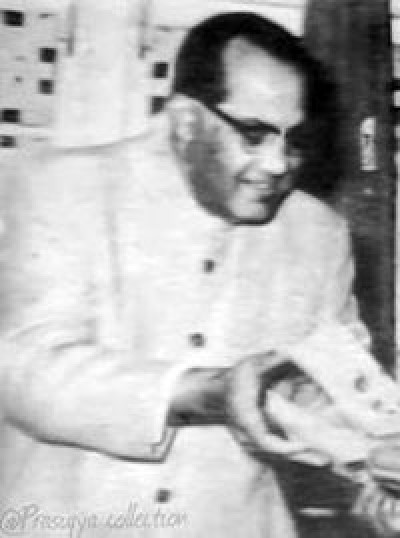
Life & Legacy
Early Life
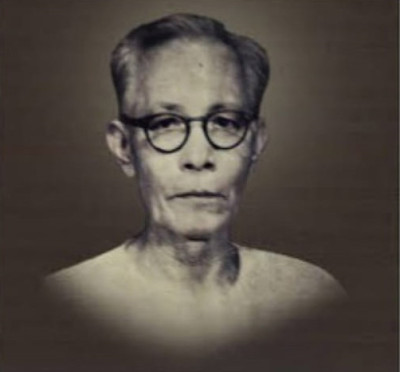
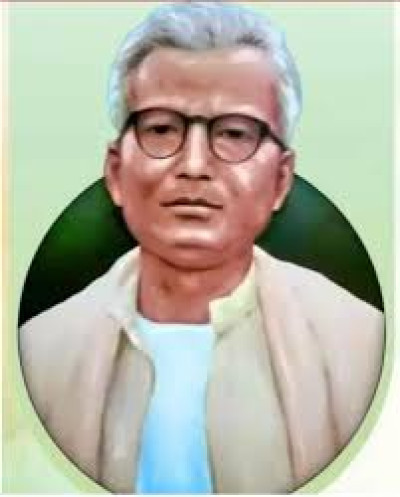
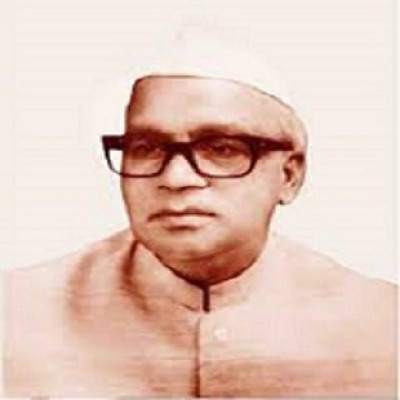
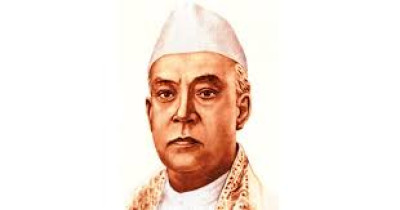
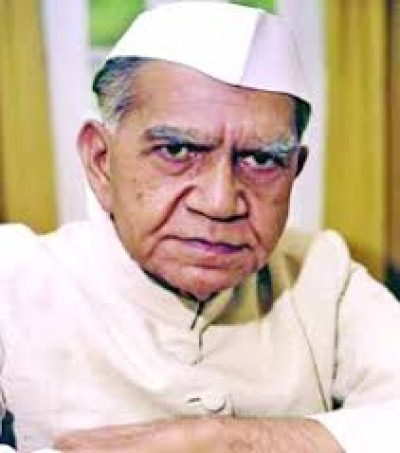
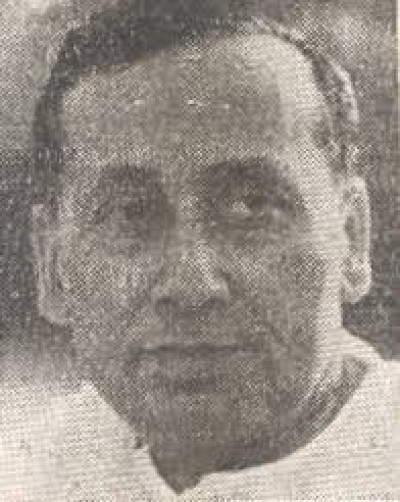
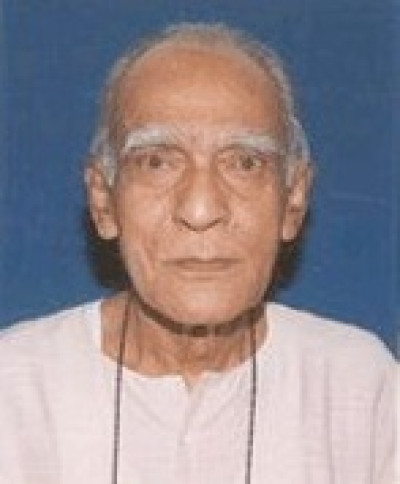
Sarat Chandra Sinha was born on 1 January 1914 in Bhakatpara village near Chapar in present-day Dhubri district, Assam, into a Rajbanshi farming family. Growing up in a modest rural environment, he experienced the challenges faced by ordinary villagers from an early age. His father, Lalsingh Sinha, encouraged practical learning by teaching him arithmetic through everyday activities such as counting footsteps while walking to the local market. These experiences helped shape his disciplined personality, strong work ethic, and deep understanding of rural life.
Education
He completed his early education in his native village before joining Indra Narayan Academy at Bilasipara for secondary education. Every day he travelled nearly 25 kilometres on foot or by bicycle to attend school, demonstrating remarkable determination and commitment towards learning. After completing his schooling, he graduated from Cotton College in Guwahati. He later obtained a law degree from Banaras Hindu University. Although he briefly practised law after returning to Assam, his passion for education and social service inspired him to become a teacher.
Teaching Career
Before entering politics, Sarat Chandra Sinha worked as a science teacher in rural schools and later served as headmaster in educational institutions in Dhubri and Bongaigaon districts. A firm follower of Mahatma Gandhi, he always wore khadi and encouraged self-reliance among students. He even taught practical skills such as making paper from straw, believing that education should prepare students for both intellectual and practical life. His years as a teacher strengthened his connection with rural communities and reinforced his belief that education was essential for social progress.
Political Career
Sarat Chandra Sinha entered public life in 1945 after being elected to the Dhubri Local Board. His honesty became evident from the beginning when he returned unused campaign funds after the 1946 Assembly election. He was elected several times to the Assam Legislative Assembly from the Bilasipara East constituency and gradually emerged as one of the state's most respected Congress leaders.
In 1972, he became the Chief Minister of Assam and served until 1978. His tenure came during an important period in Assam's history following the creation of Meghalaya and the establishment of Dispur as the new state capital. He handled several administrative challenges with patience and integrity while focusing on long-term development instead of short-term political gains.
Major Achievements
During his tenure as Chief Minister, Sarat Chandra Sinha introduced several reforms that had a lasting impact on Assam's development.
His government promoted Panchayati Raj institutions to strengthen grassroots democracy and encourage local participation in governance. He actively supported cooperative societies to improve rural livelihoods and agricultural productivity. Land reforms and welfare programmes were implemented to benefit landless and economically weaker families.
He played a significant role in promoting the establishment and expansion of important public institutions and infrastructure projects, including Gauhati Medical College and Hospital and the Bongaigaon Refinery. His administration also expanded irrigation facilities, strengthened the Public Distribution System, increased rural electrification, and encouraged employment opportunities through various development projects.
Sinha was known for maintaining financial discipline, encouraging transparent administration, and promoting balanced development across the state. His government also focused on improving agriculture, rural infrastructure, and public welfare schemes that benefited thousands of families.
Leadership Style and Ideals
Sarat Chandra Sinha became widely known as a symbol of clean politics. He believed that public office was a responsibility rather than a privilege. His simple lifestyle earned him the nickname "Barefoot Chief Minister." Even while holding the state's highest office, he preferred modest living, travelled without unnecessary luxury, and remained closely connected with ordinary citizens.
His commitment to Gandhian values, honesty, and ethical leadership distinguished him from many contemporary politicians. He strongly believed that development should reach villages and weaker sections of society, making inclusive growth one of his primary objectives.
Personal Life
Sarat Chandra Sinha was married to Labanya Sinha, and together they built a close-knit family. Despite his busy political career, he remained humble, approachable, and deeply connected with his roots. Even in his later years, he actively participated in literary discussions, social movements, public meetings, and educational programmes, reflecting his lifelong dedication to society.
Death
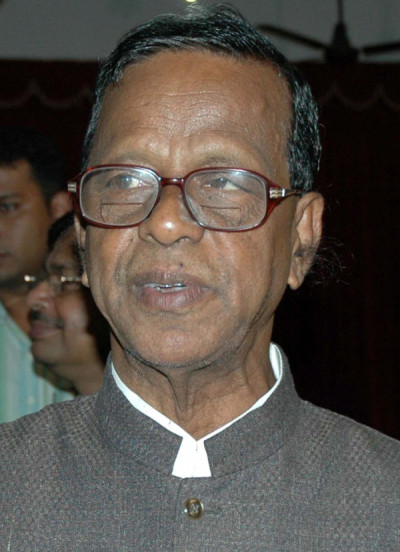
Sarat Chandra Sinha passed away on 25 December 2005 in Guwahati at the age of 91 after suffering from age-related health complications. The Government of Assam honoured him with full state honours, and leaders from across the political spectrum paid tribute to his lifelong service, honesty, and contribution to the state's development.
Legacy
Sarat Chandra Sinha continues to be remembered as one of Assam's most respected Chief Ministers. His birth centenary was commemorated through the unveiling of statues, memorials, and cultural complexes in his honour. The Sarat Chandra Singha College of Agriculture in Dhubri also stands as a lasting tribute to his contribution to education and rural development. His life remains an enduring example of integrity, selfless leadership, and dedication to public welfare. Even today, he is regarded as one of Assam's finest political leaders whose values continue to inspire future generations.
Awards and Recognition
Although Sarat Chandra Sinha did not receive many national civilian awards, he earned widespread respect for his exceptional public service. Several statues, memorials, educational institutions, and public programmes have been established in his memory, recognizing his lifelong contribution to Assam's political, educational, and rural development.
FAQs about Sarat Chandra Sinha
1. Who was Sarat Chandra Sinha?
Sarat Chandra Sinha, also known as Sarat Chandra Singha, was a renowned Indian politician, Gandhian leader, educationist, and the fifth Chief Minister of Assam. He served from 1972 to 1978 and is remembered for his honesty, simple lifestyle, and commitment to rural development and public welfare.
2. When and where was Sarat Chandra Sinha born?
Sarat Chandra Sinha was born on 1 January 1914 in Bhakatpara village near Chapar in the present-day Dhubri district of Assam. He belonged to a humble Rajbanshi farming family and spent his early years in rural Assam.
3. What was Sarat Chandra Sinha's educational background?
He completed his schooling at Indra Narayan Academy in Bilasipara, graduated from Cotton College in Guwahati, and later earned a law degree from Banaras Hindu University. Before entering politics, he worked as a teacher and briefly practised law.
4. When did Sarat Chandra Sinha become the Chief Minister of Assam?
Sarat Chandra Sinha became the Chief Minister of Assam in 1972 and remained in office until 1978. His tenure focused on strengthening rural development, improving governance, expanding infrastructure, and promoting social welfare programmes.
5. What were the major achievements of Sarat Chandra Sinha?
Some of his major achievements include promoting Panchayati Raj institutions, supporting cooperative movements, implementing land reforms, strengthening the Public Distribution System, expanding irrigation projects, encouraging rural electrification, and contributing to the development of Gauhati Medical College and the Bongaigaon Refinery.
6. Why is Sarat Chandra Sinha remembered as a Gandhian leader?
Sarat Chandra Sinha followed the principles of Mahatma Gandhi throughout his life. He wore khadi, believed in honesty, simplicity, self-reliance, and ethical leadership, and remained dedicated to serving ordinary people without seeking personal luxury or political gain.
7. Why was Sarat Chandra Sinha called the 'Barefoot Chief Minister'?
He earned the nickname 'Barefoot Chief Minister' because of his simple lifestyle and humility. Even while serving as Chief Minister, he avoided unnecessary luxury, travelled modestly, and remained closely connected with the common people of Assam.
8. What political parties was Sarat Chandra Sinha associated with?
During his political career, Sarat Chandra Sinha was associated with the Indian National Congress. Later, he joined the Indian National Congress (Socialist) and eventually became a leader of the Nationalist Congress Party (NCP) in Assam.
9. When did Sarat Chandra Sinha pass away?
Sarat Chandra Sinha passed away on 25 December 2005 in Guwahati, Assam, at the age of 91 due to age-related health complications. He was cremated with full state honours in recognition of his outstanding public service.
10. What is the legacy of Sarat Chandra Sinha?
Sarat Chandra Sinha is remembered as one of Assam's most respected political leaders. His contributions to education, rural development, democratic governance, and ethical politics continue to inspire future generations. Several statues, memorials, and the Sarat Chandra Singha College of Agriculture have been established to honour his lasting contribution to Assam.