Life & Legacy
Early Life
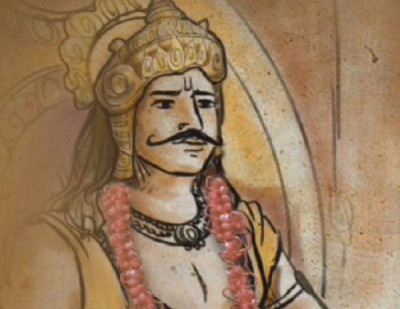
Chaolung Sukapha was born around 1189 AD in Mong Mao, a Tai kingdom located near present-day Yunnan in China and northern Myanmar. He belonged to the Tai-Shan royal family and was the son of Chao Chang Nyeu and Nang Mong Blak Kham Sen. From an early age, Sukapha received training in governance, military strategy, diplomacy and administration, preparing him for royal responsibilities.
Originally known as Siu-Ka-Pha, he was expected to inherit an important position within the royal family. However, changing circumstances regarding succession encouraged him to seek a new homeland instead of competing for the throne. This decision ultimately changed the course of Assam's history forever.
Journey to Assam
Around the early thirteenth century, Sukapha began an extraordinary westward journey with approximately 9,000 followers, including members of the royal family, soldiers, nobles, priests, artisans, farmers and skilled craftsmen. The expedition also included horses, elephants, agricultural tools, seeds and sacred religious objects necessary for establishing a new kingdom.
The migration across the Patkai Hills was extremely difficult. Dense forests, steep mountains, unpredictable weather and unfamiliar terrain made the journey challenging. It took several years before Sukapha and his followers finally entered the Brahmaputra Valley in 1228 AD, an event that is today regarded as one of the most significant milestones in Assam's history.
The arrival of Sukapha is commemorated every year as Asom Divas (Assam Day) on 2 December, celebrating the beginning of the Ahom era and the emergence of a united Assamese society.
Foundation of the Ahom Kingdom
After entering Assam, Sukapha carefully explored different regions before selecting a suitable place for permanent settlement. Instead of immediately establishing a capital, he spent many years studying the geography, agricultural potential and local communities of Upper Assam.
His settlements gradually expanded through areas such as Namrup, Tipam, Habung, Abhoipur, Simaluguri, Demow and surrounding regions. Finally, around 1253 AD, he established his permanent capital at Charaideo, which later became the political, cultural and spiritual centre of the Ahom Kingdom.
Charaideo remained one of the most sacred places of the Ahom dynasty and served as the royal burial site for many Ahom kings. Today, the historic Charaideo Maidams are internationally recognised for their historical significance.
Administration and State Building
Chaolung Sukapha proved himself to be an exceptional administrator. Rather than relying solely on military conquest, he focused on building a stable and organised government that could support long-term development.
He divided his territories into administrative units managed by trusted officials and introduced an efficient system of governance that combined Tai traditions with local customs. Responsibilities were clearly distributed among military officers, village heads and administrative leaders, ensuring effective management of agriculture, taxation and public welfare.
His administration encouraged discipline, justice and cooperation, creating a strong foundation that enabled the Ahom Kingdom to survive for nearly six centuries under successive rulers.
Policy of Peace and Cultural Integration
One of Sukapha's greatest achievements was his policy of peaceful coexistence with indigenous communities. At a time when many rulers expanded their kingdoms through warfare alone, Sukapha preferred diplomacy, cooperation and mutual respect.
He established friendly relations with the Moran, Borahi, Naga, Chutiya, Kachari and several other indigenous communities living in Assam. Instead of displacing local populations, he encouraged alliances, recognised local leaders and respected their customs and traditions.
Sukapha also promoted intermarriage between the Tai-Ahom settlers and indigenous communities. This policy strengthened social unity and gradually created a multicultural society that became the foundation of modern Assamese identity.
His inclusive leadership remains one of the defining characteristics of his reign and is regarded as a remarkable example of nation-building through cultural harmony.
Agricultural Development and Economic Growth
Sukapha understood that a prosperous kingdom depended on strong agriculture. He introduced advanced wet rice cultivation techniques brought from the Tai regions and encouraged systematic farming across fertile river valleys.
Large agricultural settlements were established around Charaideo and neighbouring areas. Irrigation methods, organised cultivation and planned village settlements improved food production and ensured long-term economic stability.
These agricultural reforms not only strengthened the Ahom Kingdom but also transformed Upper Assam into one of the most productive regions of Northeast India. His emphasis on farming, water management and organised settlement became the economic backbone of the kingdom for centuries.
Military Leadership
Although Sukapha preferred peaceful negotiation, he maintained a disciplined military capable of protecting his growing kingdom. His army was organised to defend settlements, secure trade routes and respond to external threats whenever required.
He successfully overcame difficult geographical challenges and protected his followers during their migration. His strategic planning, leadership and diplomatic approach allowed the Ahom Kingdom to expand steadily without depending solely on continuous warfare.
His balanced approach to governance earned him the honorary title "Chaolung," meaning "Great Lord," a title that reflects the immense respect he received from his people.
Major Achievements
Chaolung Sukapha's achievements transformed the political, social and cultural landscape of Assam. His vision extended far beyond founding a kingdom; he established institutions and traditions that influenced the region for centuries.
His major achievements include:
- Founded the Ahom Kingdom in 1228 AD, which ruled large parts of Assam for nearly 600 years.
- Established Charaideo as the first permanent capital of the Ahom Kingdom around 1253 AD.
- Successfully united various indigenous communities through diplomacy and cooperation.
- Introduced efficient administrative practices that strengthened governance.
- Promoted peaceful coexistence among different ethnic groups.
- Encouraged intermarriage between the Tai-Ahoms and local communities, creating social harmony.
- Expanded organised wet rice cultivation and improved agricultural productivity.
- Established planned villages and administrative centres across Upper Assam.
- Strengthened regional trade and economic development.
- Created the foundation of the Ahom administrative system that continued under later rulers.
- Preserved Tai traditions while respecting the customs of indigenous communities.
- Laid the political and cultural foundation for the development of modern Assamese society.
Administrative Reforms
Chaolung Sukapha introduced several administrative reforms that ensured stability and efficient governance.
Some of his important administrative contributions include:
- Division of territories into administrative units for better governance.
- Appointment of trusted nobles and officers to supervise local administration.
- Development of an organised taxation and revenue system.
- Promotion of agricultural settlements to increase food production.
- Strengthening village-level administration.
- Maintenance of law and order through disciplined governance.
- Encouragement of cooperation between local chiefs and the royal administration.
These reforms enabled the Ahom Kingdom to remain one of the longest-lasting kingdoms in Indian history.
Social and Cultural Contributions
Sukapha's greatest legacy lies in his ability to integrate different communities into a unified society.
His social contributions include:
- Promotion of equality among different tribes and communities.
- Respect for indigenous traditions and customs.
- Encouragement of peaceful coexistence instead of forced conquest.
- Promotion of cultural exchange between Tai settlers and local inhabitants.
- Strengthening communal harmony through inter-community marriages.
- The establishment of a multicultural society later shaped Assamese identity.
- Preservation of Tai heritage while embracing local traditions.
His inclusive policies earned him lasting respect from people belonging to different ethnic and cultural backgrounds.
Awards and Recognition
Since Chaolung Sukapha lived during the thirteenth century, there were no formal awards during his lifetime. However, his contributions are widely recognised across Assam and India.
Some important recognitions include:
- Revered as the Founder of the Ahom Kingdom.
- Honoured as the Architect of Greater Assam (Bor Asom).
- Remembered as one of the greatest nation-builders in Northeast India.
- Asom Divas (Assam Day) is celebrated every year on 2 December to commemorate his arrival in Assam.
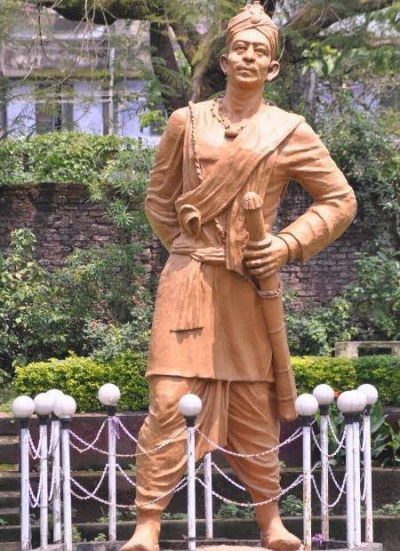
- Sukapha Samanway Kshetra near Jorhat was established in his memory.
- Numerous educational institutions, roads and public monuments are named after him.
- His life and achievements are included in history textbooks and academic research.
- Charaideo, founded by Sukapha, later became the royal burial site of the Ahom kings. The Charaideo Maidams have been recognised as a UNESCO World Heritage Site, highlighting the global significance of the Ahom legacy.
Books Written
There are no historically verified records that Chaolung Sukapha personally wrote any books, manuscripts or literary works.
Most information about his life, administration and achievements has been preserved through the Ahom Buranjis, the historical chronicles compiled by later Ahom scholars and court historians.
Death
Chaolung Sukapha passed away in 1268 AD after ruling the Ahom Kingdom for about four decades.
By the time of his death, he had successfully established a stable and prosperous kingdom stretching across much of Upper Assam. His son Suteuphaa succeeded him and continued expanding the Ahom Kingdom following the principles established by his father.
Sukapha was laid to rest at Charaideo, which later became the sacred burial ground of the Ahom kings and one of Assam's most important historical sites.
Legacy
Chaolung Sukapha's influence extends far beyond the foundation of a kingdom. His greatest achievement was creating a society where people from different ethnic, linguistic and cultural backgrounds could live together with mutual respect and shared purpose.
The kingdom he established survived for nearly six centuries and successfully resisted several external invasions, becoming one of the strongest regional powers in Indian history. His emphasis on diplomacy, agriculture, administration and cultural integration shaped the political and social development of Assam for generations.
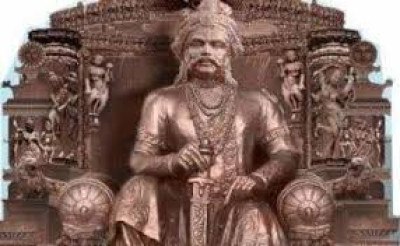
Today, Chaolung Sukapha is remembered as the father of the Ahom Kingdom, a visionary ruler, an exceptional administrator and a symbol of unity. His life continues to inspire historians, students, researchers and every Assamese citizen who values the rich heritage and identity of Assam.
FAQs on Chaolung Sukapha
1. Who was Chaolung Sukapha?
Chaolung Sukapha was the founder of the Ahom Kingdom in Assam. A Tai prince from Mong Mao, he entered Assam in 1228 and established a kingdom that ruled the region for nearly six centuries.
2. Why is Chaolung Sukapha called the founder of Assam?
He is regarded as the founder of the Ahom Kingdom and the architect of greater Assam because he united different indigenous communities through peaceful integration, administration, and cultural harmony.
3. Where was Chaolung Sukapha born?
Chaolung Sukapha was born around 1189 in Mong Mao, a Tai kingdom located near present-day Yunnan in China and northern Myanmar.
4. When did Chaolung Sukapha come to Assam?
He entered Assam in the year 1228 after a long journey across the Patkai Hills with thousands of followers.
5. What was the capital established by Chaolung Sukapha?
He established Charaideo as the first permanent capital of the Ahom Kingdom around 1253. Today, Charaideo is one of Assam's most important historical sites.
6. What were the major achievements of Chaolung Sukapha?
His major achievements include founding the Ahom Kingdom, promoting peaceful coexistence among different communities, introducing organized administration, encouraging wet-rice cultivation, and laying the foundation of a strong and prosperous state.
7. Why is Chaolung Sukapha important in Assam's history?
His policies of unity, diplomacy, and social integration transformed Assam into a stable kingdom that flourished for nearly 600 years and played a major role in shaping Assamese identity.
8. What is Asom Divas and why is it celebrated?
Asom Divas, celebrated every year on 2 December, commemorates the arrival of Chaolung Sukapha in Assam and honors his contribution to the state's history, unity, and culture.
9. When did Chaolung Sukapha die?
Chaolung Sukapha passed away in 1268 after establishing a stable kingdom and strong administrative system. His son Suteuphaa succeeded him as ruler.
10. What is the legacy of Chaolung Sukapha today?
Chaolung Sukapha's legacy continues through Assam's historical monuments, Charaideo Maidams, Asom Divas celebrations, educational institutions, and the enduring cultural unity that he inspired among the people of Assam.