Life & Legacy
Early Life
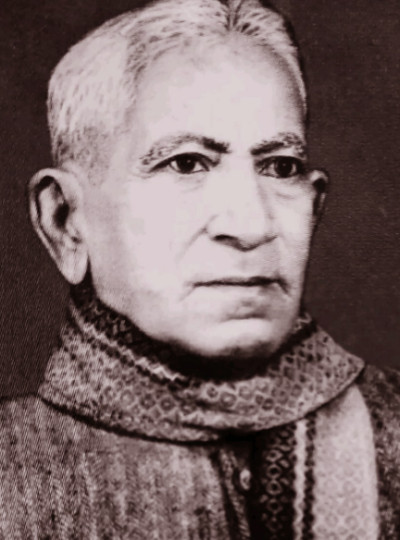
Maniram Dewan was born at Charing, near present-day Sivasagar (formerly Sibsagar), Assam, into a respected Assamese noble family. His father, Ramdutta Barua, served under the Ahom administration. During Maniram's childhood, Assam witnessed a period of political instability caused by the Moamoria Rebellion, the Burmese invasions and the eventual decline of the Ahom Kingdom. These turbulent events greatly influenced his outlook on governance, society and economic development.
When the Burmese occupied Assam, his family temporarily took shelter in Bengal. Following the signing of the Treaty of Yandabo in 1826, which ended the First Anglo-Burmese War, the family returned to Assam under British administration. Growing up during this period of transition allowed Maniram to understand both the strengths of the Ahom system and the changing policies of the British East India Company.
Education
Although detailed records of his formal education are limited, Maniram Dewan received an excellent traditional education suitable for an Assamese nobleman of his time. He developed proficiency in administration, finance, trade and regional affairs. His knowledge of local customs, agriculture and commerce enabled him to build successful relationships with both the Ahom nobility and British officials.
His practical understanding of business, combined with strong leadership skills, later helped him become one of Assam's earliest indigenous entrepreneurs.
Career under the British Administration
At the age of only twenty-two, Maniram entered government service under the British East India Company. In 1828, he was appointed Tehsildar and Sheristadar of Rangpur under the supervision of the British administrator David Scott. His efficiency, honesty and administrative abilities quickly earned him recognition among British officials.
When Purandar Singha was restored as the titular Ahom ruler in 1833, Maniram resigned from British service and accepted the position of Barbhandar (Prime Minister) in the Ahom administration. During this period, he worked closely with the royal family and gained valuable experience in governance, taxation and public administration.
However, after the British abolished Purandar Singha's rule in 1838, Maniram once again found himself under colonial administration. The political developments gradually changed his perception of British policies and eventually led him to oppose colonial rule.
Pioneer of Assam's Tea Industry
One of Maniram Dewan's greatest contributions was his pioneering role in the development of Assam's tea industry. During the early nineteenth century, he recognised the commercial value of indigenous tea plants traditionally cultivated by the Singpho community in Upper Assam.
He played an important role in introducing British tea explorers, including Robert Bruce and Charles Alexander Bruce, to the Singpho chiefs who possessed knowledge of tea cultivation. This interaction eventually led to the scientific recognition of Assam tea and the establishment of commercial tea plantations.
In 1839, Maniram became the Dewan (Manager) of the newly established Assam Tea Company at Nazira. While working with the company, he acquired extensive knowledge of tea cultivation, plantation management and commercial production.
After resigning from the company due to differences with European officials, Maniram established his own tea gardens at Cinnamara near Jorhat and Selung (Singlo) in present-day Sivasagar district. These plantations made him the first Indian entrepreneur to establish commercial tea gardens in Assam, earning him a permanent place in the history of India's tea industry.
Entrepreneur and Industrial Visionary
Maniram Dewan believed that Assam possessed enormous economic potential beyond tea cultivation. His entrepreneurial vision extended into several industries that contributed to regional development.
Apart from tea plantations, he invested in:
- Gold trading
- Salt production
- Iron smelting
- Brick manufacturing
- Boat building
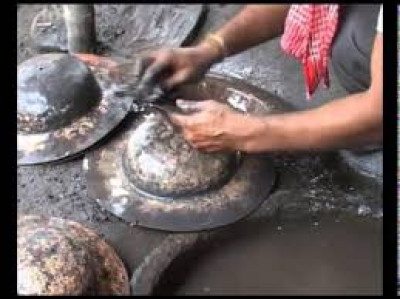
- Bell metal production
- Pottery and ceramics
- Handloom products
- Agricultural trade
- Elephant trade
- Coal supply
- Construction materials
He also established several important local markets that encouraged trade and commerce across different parts of Assam. His efforts created employment opportunities and promoted indigenous business long before industrialisation became common in the region.
Because of his business leadership and commitment to Assam's economic growth, Maniram Dewan is widely regarded as one of the state's earliest industrial pioneers.
Opposition to British Rule
Although Maniram initially worked closely with the British administration, his relationship with the colonial government gradually deteriorated. British policies increasingly favoured European tea companies while creating obstacles for Indian entrepreneurs. Many facilities previously available to Maniram were withdrawn, and administrative decisions caused him significant financial losses.
In 1852, he submitted a detailed petition to the British authorities highlighting the suffering of the Assamese people. He criticised excessive taxation, discriminatory economic policies, unemployment among local people and the neglect of Assam's traditional institutions. He also appealed for the restoration of indigenous administration under the Ahom royal family.
When his concerns were ignored, Maniram became convinced that British rule was exploiting Assam's resources without benefiting its people. This marked the beginning of his active opposition to colonial rule and eventually led him to participate in the freedom movement during the Revolt of 1857.
Role in the Revolt of 1857
The Revolt of 1857 provided Maniram Dewan with an opportunity to challenge British rule and restore indigenous governance in Assam. By this time, he had become deeply dissatisfied with British economic and administrative policies, which had weakened the Ahom nobility, disadvantaged local entrepreneurs and placed Assam's resources under colonial control.
While staying in Calcutta, Maniram maintained contact with influential Assamese leaders and members of the former Ahom royal family. He strongly supported the restoration of Kandarpeswar Singha, a descendant of the Ahom kings, believing that local leadership would better protect the interests of Assam.
To organise resistance, Maniram secretly exchanged coded letters with Piyali Baruah and other trusted associates in Upper Assam. The plan aimed to unite local nobles, villagers and Indian sepoys stationed in Assam to launch an uprising against the British administration. However, before the rebellion could begin, British intelligence intercepted the confidential correspondence, exposing the entire conspiracy.
Arrest and Trial
After the secret plan was uncovered, Maniram Dewan was arrested in Calcutta and brought to Jorhat to stand trial. The British authorities accused him of treason and conspiracy against the East India Company.
The trial was conducted under strict colonial supervision. His intercepted letters and the testimonies of government witnesses were used as evidence against him. Despite the serious charges, Maniram remained firm in his commitment to Assam and never publicly renounced his beliefs or his support for restoring indigenous rule.
The British administration viewed him as the principal leader behind the planned rebellion in Assam during the Revolt of 1857.
Major Achievements
Maniram Dewan's contributions extended across administration, business, agriculture and India's freedom movement. His achievements continue to hold a special place in Assam's history.
Some of his major achievements include:
- First Indian entrepreneur to establish commercial tea gardens in Assam.
- Introduced indigenous Assam tea to British tea explorers.
- Served as Dewan of the Assam Tea Company.
- Established the famous Cinnamara Tea Estate near Jorhat.
- Founded another successful tea plantation at Selung in present-day Sivasagar.
- Served as Tehsildar and Sheristadar under the British administration.
- Served as Barbhandar (Prime Minister) under Ahom ruler Purandar Singha.
- Promoted indigenous industries including iron smelting, salt production, brick making and boat building.
- Established several important local markets that strengthened Assam's economy.
- Became one of the earliest leaders in Assam to oppose British colonial rule.
- Played a leading role in organising the Revolt of 1857 in Assam.
- Remembered as one of Assam's earliest freedom fighters and nationalist leaders.
Businesses and Economic Contributions
Apart from tea cultivation, Maniram Dewan believed that Assam could become economically self-reliant through diversified industries. His entrepreneurial vision was far ahead of its time.
His business activities included:
- Commercial tea cultivation
- Gold trading
- Salt production
- Iron smelting
- Brick manufacturing
- Boat construction
- Bell metal craftsmanship
- Pottery and ceramic production
- Handloom products
- Agricultural trade
- Coal supply
- Elephant trade
- Establishment of regional marketplaces
These ventures created employment opportunities and encouraged local entrepreneurship during the early years of British rule.
Awards and Recognition
Although no formal awards existed during Maniram Dewan's lifetime, independent India and the Government of Assam have honoured his remarkable contributions in several ways.
Some notable recognitions include:
- Widely recognised as the First Indian Tea Planter of Assam.
- Honoured as one of Assam's earliest freedom fighters.
- Maniram Dewan Trade Centre in Guwahati is named in his honour.
- Maniram Dewan Boys' Hostel at Dibrugarh University commemorates his legacy.
- Numerous educational institutions, roads and public places across Assam bear his name.
- Folk songs known as Maniram Dewanar Geet continue to celebrate his courage and patriotism.
- His life is regularly included in school textbooks and historical research on Assam.
Death
Following the trial, Maniram Dewan and his close associate Piyali Baruah were sentenced to death by the British government.
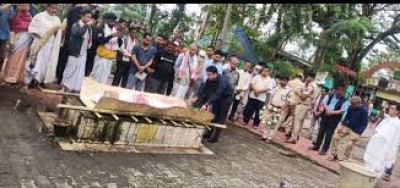
On 26 February 1858, Maniram Dewan was publicly hanged at Jorhat Jail, making him one of the earliest martyrs of Assam's freedom movement. His execution shocked the people of Assam, and many tea garden workers and local residents openly mourned his death.
His sacrifice inspired future generations to continue the struggle against British colonial rule and strengthened the spirit of nationalism across the region.
Legacy
Maniram Dewan remains one of the most influential figures in Assam's modern history. His pioneering role in commercial tea cultivation transformed Assam into one of the world's leading tea-producing regions, while his entrepreneurial vision encouraged indigenous business development during a challenging period of colonial rule.
Equally important was his contribution to India's freedom movement. He sacrificed wealth, position and ultimately his life in his effort to resist British rule and restore self-governance in Assam. His courage made him one of the earliest freedom fighters from Northeast India.
Today, Maniram Dewan is remembered as a visionary entrepreneur, a patriotic leader and a fearless martyr whose life continues to inspire students, historians, tea industry professionals and every citizen of Assam.
FAQs on Maniram Dewan
1. Who was Maniram Dewan?
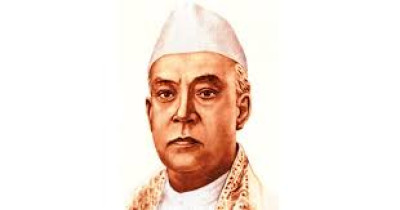
Maniram Dewan, originally known as Maniram Dutta Barua, was an Assamese nobleman, entrepreneur and freedom fighter. He is widely recognised as the first Indian to establish commercial tea gardens in Assam and one of the earliest leaders to oppose British colonial rule during the Revolt of 1857.
2. Why is Maniram Dewan famous?
Maniram Dewan is famous for pioneering the Indian tea industry in Assam, promoting indigenous entrepreneurship and leading an anti-British movement during the Revolt of 1857. His contributions to Assam's economy and India's freedom struggle made him one of the state's greatest historical figures.
3. When and where was Maniram Dewan born?
Maniram Dewan was born on 17 April 1806 at Charing, near present-day Sivasagar district, Assam, India.
4. Why is Maniram Dewan called the first Indian tea planter?
Maniram Dewan established commercial tea gardens at Cinnamara near Jorhat and Selung in present-day Sivasagar after gaining experience with the Assam Tea Company. He became the first Indian entrepreneur to own and successfully operate commercial tea plantations in Assam.
5. What was Maniram Dewan's role in the Revolt of 1857?
During the Revolt of 1857, Maniram Dewan secretly planned an uprising in Assam to overthrow British rule and restore the Ahom monarchy under Kandarpeswar Singha. The conspiracy was discovered before it could be carried out, leading to his arrest and execution.
6. How did Maniram Dewan die?
Maniram Dewan was arrested by the British for plotting an armed rebellion during the Revolt of 1857. After being convicted of treason, he was publicly hanged at Jorhat Jail on 26 February 1858 along with fellow patriot Piyali Baruah.
7. What were the major achievements of Maniram Dewan?
Maniram Dewan served as an administrator under both the British and the Ahom rulers, became the first Indian commercial tea planter in Assam, promoted several indigenous industries, established important trade centres and played a leading role in Assam's resistance against British colonial rule.
8. Did Maniram Dewan write any books?
There are no historically verified records of Maniram Dewan authoring any books or literary works. His legacy is associated with administration, entrepreneurship, tea cultivation and the freedom movement rather than published literature.
9. How is Maniram Dewan remembered today?
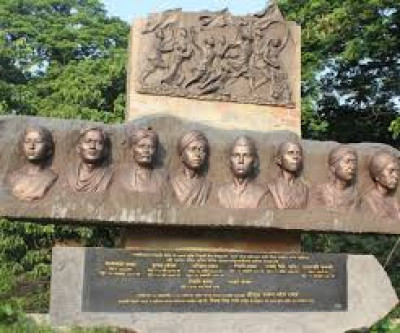
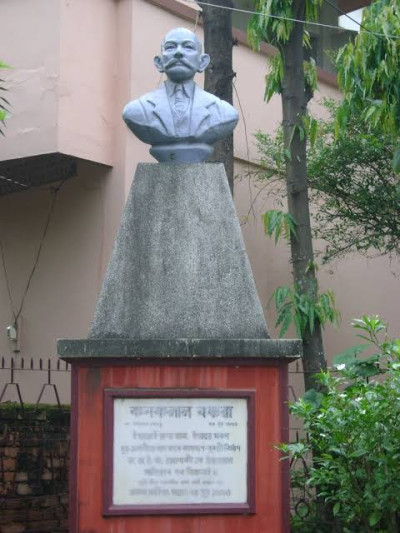
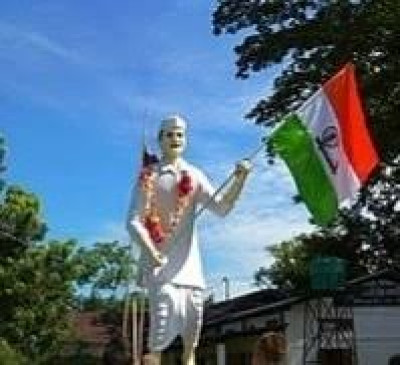
Maniram Dewan is honoured through institutions such as the Maniram Dewan Trade Centre in Guwahati, educational institutions bearing his name, memorials, statues and folk songs known as Maniram Dewanar Geet. Every year, people across Assam remember his sacrifice and contributions to the state's history.
10. What is the legacy of Maniram Dewan?
Maniram Dewan's legacy lies in his pioneering contribution to India's tea industry, his vision for Assam's economic development and his fearless resistance against British rule. He remains an enduring symbol of patriotism, entrepreneurship and selfless service, inspiring future generations across Assam and India.