Life & Legacy
Early Life and Family
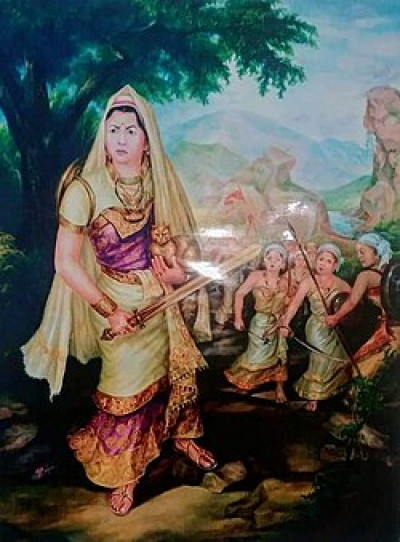
Joymoti was born during the seventeenth century in Maduri (also known as Mechagarh Maduri) in present-day Assam. She was the daughter of Laithepena Borgohain and Chandradaru and belonged to a respected Ahom noble family. Although historical records provide limited information about her childhood and formal education, she was known for her intelligence, strong moral values, courage, and devotion to her family. These qualities later became the defining characteristics of her remarkable life.
Marriage and Royal Life
Joymoti married Gadapani Konwar, an Ahom prince who later became Swargadeo Gadadhar Singha, the founder of the Tungkhungia dynasty. The couple shared a deep bond built on mutual trust, loyalty, and dedication to the welfare of the Ahom Kingdom. During this period, Assam was facing severe political instability due to palace conspiracies and violent struggles for the throne.
Political Crisis in the Ahom Kingdom
The reign of King Sulikphaa, popularly known as Loraa Roja, marked one of the most turbulent phases in Ahom history. Influenced by powerful nobles, especially Laluksola Borphukan, the administration targeted every prince who could potentially claim the throne. Many royal family members were either killed or physically mutilated because Ahom tradition required a king to be free from physical deformities.
Recognizing the danger, Joymoti urged her husband Gadapani to escape into the Naga Hills, believing that only he could save the kingdom from oppression and restore rightful leadership. Gadapani accepted her advice and went into hiding while she remained behind to protect his secret.
Supreme Sacrifice at Jerenga Pathar
Unable to locate Gadapani, the royal soldiers arrested Joymoti and brought her to Jerenga Pathar near present-day Sivasagar. She was repeatedly questioned about her husband's whereabouts. Despite continuous threats and severe torture, Joymoti refused to reveal any information.
For fourteen consecutive days she endured unimaginable physical and mental suffering. Historical accounts describe that she was tied in the open field and subjected to brutal punishment. Even under extreme pain, she remained determined and chose silence over betrayal. According to popular folklore, Gadapani secretly visited her during this period and pleaded with her to save herself, but Joymoti encouraged him to continue hiding for the greater good of the kingdom.
On 27 March 1680, Joymoti sacrificed her life without revealing her husband's location. Her unwavering courage ensured Gadapani's survival and ultimately changed the future of Assam.
Restoration of the Ahom Kingdom
After Joymoti's martyrdom, Gadapani gathered loyal supporters and successfully overthrew the oppressive rulers. He ascended the Ahom throne in 1681 as Swargadeo Gadadhar Singha and established the Tungkhungia dynasty, which ruled Assam for many decades. Historians widely acknowledge that this political transformation became possible because of Joymoti's unmatched sacrifice.
Major Achievements and Contributions
- Became a timeless symbol of sacrifice, courage, and patriotism in Assam.
- Protected the future of the Ahom Kingdom by refusing to betray Gadapani.
- Played an indirect but decisive role in the establishment of the Tungkhungia dynasty.
- Inspired generations of Assamese women through her bravery and determination.
- Strengthened the ideals of loyalty, justice, and resistance against tyranny.
- Became one of the earliest recorded female martyrs in Assamese history.
- Continues to be remembered as an icon of women's courage and selfless devotion.
- Her sacrifice remains an important chapter in Assam's historical and cultural identity.
Memorials and Legacy
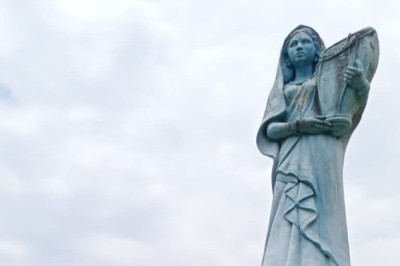
Sati Joymoti's memory has been preserved through several monuments and institutions across Assam. Her eldest son, King Rudra Singha, constructed the famous Joysagar Tank in 1697 in her honor at Sivasagar. He also built the Joy Dol, also known as Phakuwa Dol, to commemorate her sacrifice.
Every year, Sati Joymoti Divas is observed on 27 March throughout Assam to honor her courage and patriotism. The Government of Assam also presents the Sati Joymoti Award to recognize outstanding women for their achievements in different fields.
Her inspiring story became the subject of Joymoti (1935), the first Assamese feature film directed by Jyoti Prasad Agarwala, which remains a milestone in Assamese cinema. Another film based on her life was released in 2006, reflecting the continued relevance of her legacy.
Awards and Recognition
Although no awards existed during her lifetime, Sati Joymoti has received immense posthumous recognition.
- Revered as one of Assam's greatest historical heroines.
- Honored annually through Sati Joymoti Divas on 27 March.
- The Government of Assam instituted the Sati Joymoti Award in her memory.
- Joysagar Tank and Joy Dol stand as lasting memorials to her sacrifice.
- Her life is included in educational curricula, literature, theatre, and historical studies.
- Widely regarded as a symbol of women's courage and patriotism in India.
Death
Sati Joymoti died on 27 March 1680 at Jerenga Pathar after enduring fourteen days of brutal torture without revealing the whereabouts of her husband. Her sacrifice remains one of the greatest examples of loyalty and patriotism in Indian history.
Conclusion
Sati Joymoti's life is much more than a historical episode. She represents unwavering courage, selfless sacrifice, and unconditional devotion to justice and her motherland. Her determination not only protected the future of the Ahom Kingdom but also shaped the political destiny of Assam. More than three centuries later, her story continues to inspire people with the values of bravery, integrity, and resilience, making her one of the most respected personalities in Assamese history.
FAQs on Sati Joymoti
1. Who was Sati Joymoti?
Sati Joymoti, also known as Joymoti Konwari, was the wife of Ahom prince Gadapani, who later became King Gadadhar Singha. She is remembered as one of Assam's greatest heroines for sacrificing her life to protect her husband and save the Ahom Kingdom.
2. Why is Sati Joymoti famous in Assam?
Sati Joymoti is famous because she endured fourteen days of brutal torture without revealing the hiding place of her husband. Her sacrifice helped Gadapani survive, overthrow the oppressive rulers, and restore peace and stability to the Ahom Kingdom.
3. Who was the husband of Sati Joymoti?
Sati Joymoti was married to Gadapani Konwar, who later became Swargadeo Gadadhar Singha, the founder of the Tungkhungia dynasty of the Ahom Kingdom.
4. Where was Sati Joymoti tortured?
Sati Joymoti was tortured at Jerenga Pathar near present-day Sivasagar in Assam. This historic site is remembered as the place where she sacrificed her life for the future of the Ahom Kingdom.
5. How did Sati Joymoti die?
Sati Joymoti died on 27 March 1680 after enduring fourteen days of severe torture. Despite unimaginable suffering, she refused to disclose the whereabouts of her husband and ultimately sacrificed her life.
6. Why is Sati Joymoti called "Sati"?
She is called "Sati" because of her supreme sacrifice, unwavering loyalty, courage, and devotion to protecting her husband and the Ahom Kingdom. Her bravery earned her everlasting respect in Assamese history.
7. What is Sati Joymoti Divas?
Sati Joymoti Divas is observed every year on 27 March across Assam to commemorate her sacrifice, courage, and contribution to the state's history and cultural heritage.
8. What memorials were built in honor of Sati Joymoti?
King Rudra Singha, the eldest son of Joymoti and Gadadhar Singha, built the famous Joysagar Tank and Joy Dol (Phakuwa Dol) at Sivasagar to honor his mother's sacrifice.
9. Which film was based on Sati Joymoti's life?
The first Assamese feature film, "Joymoti" (1935), directed by Jyoti Prasad Agarwala, was based on the life and sacrifice of Sati Joymoti. Another film on her life was released in 2006.
10. Why is Sati Joymoti important in the history of Assam?
Sati Joymoti is regarded as one of the greatest women in Assamese history because her sacrifice ensured the survival of Gadapani, who later restored the Ahom Kingdom and established the powerful Tungkhungia dynasty. Her courage symbolizes patriotism, resilience, and selfless devotion.