In Depth
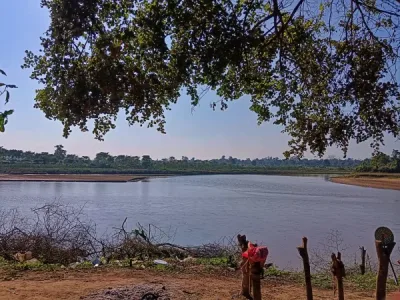
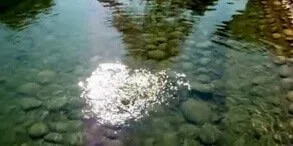
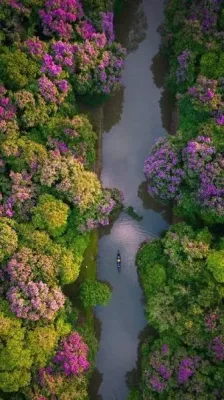
Covering an area of approximately 62.5 acres (around 100 bighas), Jugibari Beel attracts tens of thousands of visitors every year, especially nature lovers, families, birdwatchers, and photographers. The calm waters of the lake create mesmerizing sunrise and sunset views, making it one of the most peaceful picnic destinations in Golaghat district.
Natural Beauty and Biodiversity
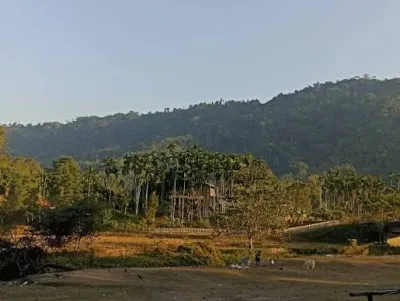
Jugibari Beel is surrounded by a clean, green, and well-maintained rural landscape, offering a refreshing escape from urban life. The wetland supports rich biodiversity, including aquatic plants, fish, and a wide variety of birds. During the winter season, the lake becomes a haven for migratory birds, turning the skyline into a lively spectacle.
Bird species commonly sighted here include common teal, garganey, white-eyed pochard, marsh harrier, peregrine falcon, along with many resident birds. Because of its food-rich waters and protected environment, the beel is considered one of the safest habitats for both resident and migratory avian species in the region.
Cultural and Community Significance
Jugibari Beel is not just a natural attraction but also a symbol of community-based tourism and women empowerment. The area is actively managed with the involvement of local communities and women SHGs, who sell traditional food items and handmade products to visitors. This initiative has strengthened local livelihoods while promoting sustainable tourism.
The wetland area originally belonged to the Ahom kingdom and is now looked after by local associations dedicated to wetland conservation and bird protection. Visitors can also observe traditional fishing and agricultural practices, offering an authentic glimpse into rural Assamese life.
Visitor Experience and Activities
Jugibari Beel is ideal for day trips, picnics, leisure walks, photography, and birdwatching. Facilities available for visitors include:
-
Picnic areas with seating
-
Children's playground with swings and slides
-
Walking paths around the lake
-
Clean and peaceful surroundings
-
Family-friendly recreational spaces
Due to its proximity to Kaziranga National Park (around 79 km), many tourists visiting the World Heritage Site also include Jugibari Beel in their itinerary.
How to Reach Jugibari Beel
By Road: Jugibari Beel is about 5 km from Golaghat town and around 20 km from Dergaon. Golaghat is well connected by road from Guwahati, Jorhat, and other towns of Assam. From Golaghat town, local taxis, auto-rickshaws, or tempos can be hired to reach Jugibari village.
By Rail: The nearest railway stations are Golaghat Railway Station and Furkating Junction, which connect Golaghat to major cities of Assam and Northeast India.
By Air: The nearest airport is Jorhat Airport (JRH), located approximately 55–60 km away. From Jorhat, taxis and buses are available to reach Golaghat.
Local Tip: While asking for directions, use the names Jugibari Beel or Jugibari Village, as it is a rural tourism spot.
Best Time to Visit
Jugibari Beel can be visited throughout the year, but the best time is from October to March, when the weather is pleasant and migratory birds arrive in large numbers. Winter mornings and evenings offer the most stunning views.
Where to Stay
There are good hotels and lodges in Golaghat town, suitable for budget and mid-range travelers. For more options, visitors can stay in Jorhat, which offers better connectivity and accommodation facilities.
Quick Info Table on Jugibari Beel, Golagat
| Information | Details |
|---|---|
| Name | Jugibari Beel (Lake) |
| Location | Jugibari Village, Khumtai LAC, Golaghat, Assam |
| Type | Freshwater Wetland |
| Area | Approx. 62.5 acres (100 bighas) |
| Famous For | Migratory birds, sunrise & sunset views |
| Distance from Golaghat | About 5 km |
| Distance from Kaziranga | Around 79 km |
| Best Season | October to March |
| Activities | Picnics, birdwatching, photography |
| Managed By | Local community & associations |
FAQs on Jugibari Beel, Golagat
1. Where is Jugibari Beel located?
Jugibari Beel is located at Jugibari village under Khumtai LAC in Golaghat district of Assam.
2. Why is Jugibari Beel famous?
It is famous for its scenic beauty, migratory birds, peaceful environment, and rural tourism experience.
3. What is the best time to visit Jugibari Beel?
The best time is from October to March, especially during winter for birdwatching.
4. How far is Jugibari Beel from Golaghat town?
Jugibari Beel is about 5 km from Golaghat town.
5. Are migratory birds found at Jugibari Beel?
Yes, many migratory birds visit Jugibari Beel during the winter season.
6. Is Jugibari Beel suitable for family outings?
Yes, it is a family-friendly destination with picnic spots and a children's playground.
7. How can I reach Jugibari Beel from Kaziranga?
Jugibari Beel is around 79 km from Kaziranga and can be reached by road via Golaghat.
8. Are food facilities available near Jugibari Beel?
Local women SHGs sell traditional food and handmade items near the lake.
9. Is Jugibari Beel good for photography?
Yes, it is ideal for nature, bird, sunrise, and sunset photography.
10. Are accommodation options available nearby?
Yes, hotels are available in Golaghat town and Jorhat.