In Depth
It is associated with the teachings of Srimanta Sankardeva and has contributed to the preservation of devotional practices, Assamese literature, music, art and traditional learning.
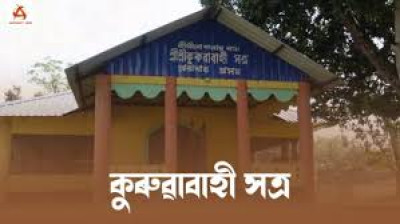
The history of Kuruabahi Satra dates back to 1614, when it was established by Misradeva in the Kaliabor region near the historical boundary of Nagaon and Golaghat. The institution belongs to the Brahmasamhati tradition and became an influential centre of Vaishnavite faith in Upper Assam. During the Ahom era, it received royal patronage and land support and was regarded among the Chari-Raj Satras, a group of four important satras associated with Ahom royal patronage. The other traditionally recognized royal satras include Auniati, Dakhinpat and Garmur.
Over the centuries, Kuruabahi Satra developed beyond a place of worship. It became a centre where religious teachings, traditional Assamese culture, devotional music and artistic traditions were practiced and passed on to successive generations. Visitors interested in Assam's satra culture can observe the connection between spirituality and the wider cultural traditions of the state.
Kuruabahi Satra is situated approximately 10 km from Bokakhat town and around 50 km from Golaghat. The destination can be reached by local transport, hired taxis or private vehicles, with road access available from nearby towns and routes connected to NH-37. Its location also makes it convenient to combine a visit with other attractions around Bokakhat and the Kaziranga region.
The period from October to March is generally suitable for visiting Kuruabahi Satra because of the more comfortable weather. Travellers can find accommodation in Bokakhat and the Kaziranga area, including budget stays, homestays and mid-range hotels. A visit to Kuruabahi Satra is particularly worthwhile for travellers interested in Assam's religious history, Vaishnavite traditions, Ahom-era heritage and traditional Assamese culture.