In Depth
d with Vishnu, Ganesha, Surya and Goddess Durga are positioned around it. The central shrine contains a large Banalinga, traditionally described as being about three feet in diameter. This arrangement brings several important Hindu deities together within the same temple complex and adds to the architectural and religious significance of Negheriting.
History of Negheriting Shiva Doul
The history of Negheriting is associated with several layers of tradition, legend and historical development. Some accounts trace an earlier temple at the site to the Kachari period, while historical traditions also connect an earlier Shiva shrine in the wider Dergaon area with the reign of Ahom ruler Pratap Singha. Over time, the earlier structure was damaged and the present temple complex was established on the Negheriting hillock.
The temple that visitors see today is particularly associated with Ahom King Swargadeo Rajeswar Singha. It is generally described as having been reconstructed during his reign in the 18th century after the earlier structure had suffered damage. The reconstruction is traditionally attributed to the renowned Ahom-period architect Ghanashyam Khonikar.
Because the history of the site includes both historical records and local traditions, several versions of its early origin and construction dates can be found. The temple's long association with the Ahom kingdom, however, remains an important part of its cultural identity.
Religious and Cultural Significance
Negheriting Shiva Doul is primarily a place of worship dedicated to Lord Shiva and attracts devotees throughout the year. Maha Shivaratri is particularly significant, when the temple receives increased numbers of visitors for prayers and religious observances.
The temple also represents the cultural interaction of different traditions that developed in Assam over many centuries. Traditional worship, devotional practices and local customs have continued to form an important part of the site's identity.
According to local tradition, the name Negheriting is connected with a bird known as the Negheri, which was believed to inhabit the area around the hillock. The word 'ting' is also associated with a hill or elevated place in regional usage, and this combination is commonly linked with the present name of the temple.
Another popular legend relates to the discovery of a Shiva linga in the area. Local traditions describe a sacred linga being discovered in a forested location and subsequently receiving royal attention. Such stories have become part of the oral heritage surrounding the temple and contribute to its spiritual appeal.
Architecture of Negheriting Temple
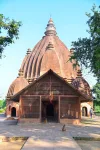
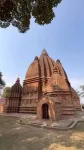
The temple stands on a hillock and is approached through a route leading upward from the surrounding area. Its most distinctive feature is the Panchayatana-style arrangement, with the principal Shiva shrine accompanied by four subsidiary shrines.
The four surrounding shrines are associated with Vishnu, Ganesha, Surya and Durga. This arrangement gives the complex a unique character and makes it interesting for travellers who want to understand traditional Hindu temple layouts in Assam.
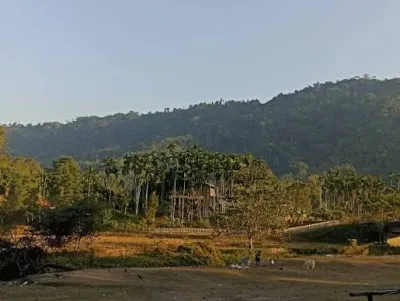
The main sanctum houses the Banalinga, which is one of the most notable religious features of the temple. The elevated location also provides a peaceful setting surrounded by trees and natural vegetation.
Negheriting Temple and Rhesus Macaques
Another feature frequently noticed by visitors is the presence of rhesus macaques around the temple hill. The monkeys have become a familiar part of the surroundings and can often be seen around the temple premises.
Visitors should avoid feeding or approaching the animals closely. Maintaining a safe distance and not carrying exposed food near them helps prevent unwanted interactions and protects both visitors and wildlife.
Location of Negheriting Shiva Temple
Negheriting Shiva Doul is located near Dergaon in Golaghat district of Assam. The temple is situated close to National Highway 37, making it relatively accessible from several important towns in Upper Assam.
Its location also makes it possible to include the temple in a broader Golaghat or Upper Assam travel itinerary. Visitors can combine a trip to Negheriting with nearby historical, religious, wildlife and nature destinations.
How to Reach Negheriting Shiva Doul from Guwahati?
The distance from Guwahati to Negheriting Shiva Doul is roughly 270 km, depending on the selected route. By road, travellers can proceed towards Nagaon and Golaghat and continue towards Dergaon. National Highway 37 provides an important road connection to the area, and the temple is located only a short distance from the highway.
Travellers coming by train can consider Furkating Junction or Jorhat as useful railway access points and continue the remaining journey by taxi or local transport. From Dergaon, local autos, taxis and other road transport can be used to reach the temple.
For visitors travelling by private car, the location is convenient to include as part of a road trip covering Golaghat, Jorhat and nearby attractions.
Best Time to Visit Negheriting Shiva Doul
October to March is generally a comfortable period for visiting Negheriting Shiva Doul because the weather in Assam is comparatively pleasant during these months. Winter also provides suitable conditions for combining the temple visit with other outdoor attractions in Golaghat.
Devotees who want to experience the temple during a major religious occasion can plan their visit around Maha Shivaratri. However, festival days can be considerably busier than ordinary days, so visitors should allow additional time for travel and parking.
Where to Stay Near Negheriting Temple?
There are accommodation options in Dergaon, Golaghat and nearby towns. Visitors can choose from budget hotels, guest houses and other local accommodation depending on their travel requirements. Jorhat and the Kaziranga area also provide a wider selection of hotels and resorts for travellers planning a longer Upper Assam itinerary.
Those visiting Negheriting as part of a Kaziranga trip can consider staying around Bokakhat or Kaziranga, while travellers exploring Golaghat and Dergaon may find it more convenient to stay closer to those towns.
Places to Visit Near Negheriting Shiva Doul
A visit to Negheriting can be combined with several attractions in and around Golaghat. Kaziranga National Park is one of the major destinations in the region and is well known for its wildlife and natural landscapes. Garampani Wildlife Sanctuary and Nambor-related forest areas are also associated with the natural heritage of Golaghat.
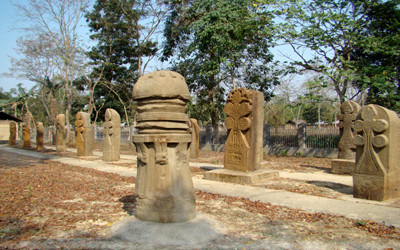
Deoparbat, also known as Deopahar, is another important historical attraction where visitors can explore archaeological remains and enjoy the surrounding landscape. Depending on the itinerary, travellers can also explore destinations around Jorhat and Bokakhat.
Negheriting Shiva Doul is more than a Shiva temple; it is a place where Assam's religious traditions, Ahom history, local legends and natural surroundings come together. Its hilltop location, Panchayatana temple arrangement and long cultural association make it a noteworthy destination for anyone interested in the heritage of Golaghat and Upper Assam.
Quick Information About Negheriting Shiva Doul
| Information | Details |
|---|---|
| Name | Negheriting Shiva Doul |
| Also Known As | Negheriting Shiva Temple, Negheriting Shiv Mandir |
| Location | Near Dergaon, Golaghat district, Assam |
| District | Golaghat |
| State | Assam |
| Main Deity | Lord Shiva |
| Temple Type | Hindu temple |
| Religious Style | Panchayatana arrangement |
| Other Shrines | Vishnu, Ganesha, Surya and Durga |
| Major Feature | Large Banalinga |
| Historical Association | Kachari and Ahom periods |
| Important Ahom Ruler | Swargadeo Rajeswar Singha |
| Nearest Major Road | National Highway 37 |
| Nearest Town | Dergaon |
| Best Time to Visit | October to March |
| Major Festival | Maha Shivaratri |
| Nearby Attractions | Kaziranga, Deoparbat, Garampani and Golaghat attractions |
Frequently Asked Questions About Negheriting Shiva Doul
1. Where is Negheriting Shiva Doul located?
Negheriting Shiva Doul is located near Dergaon in Golaghat district of Assam. The temple stands on a small hillock close to National Highway 37.
2. Why is Negheriting Shiva Temple famous?
Negheriting Shiva Temple is famous for its association with Shiva worship, Ahom-era heritage, hilltop setting and Panchayatana temple arrangement featuring Shiva along with Vishnu, Ganesha, Surya and Durga.
3. How far is Negheriting Temple from Guwahati?
Negheriting Shiva Doul is approximately 270 km from Guwahati by road, although the exact distance can vary according to the route taken.
4. Who rebuilt Negheriting Shiva Doul?
The present temple is traditionally associated with Ahom King Swargadew Rajeswar Singha, who is credited with rebuilding the temple during the 18th century after earlier structures were damaged.
5. What is special about the architecture of Negheriting Temple?
The temple complex follows a Panchayatana arrangement, with the main Shiva shrine surrounded by four subsidiary shrines dedicated to Vishnu, Ganesha, Surya and Durga.
6. What is inside the main Negheriting Shiva Temple?
The principal shrine is dedicated to Lord Shiva and contains a large Banalinga traditionally described as being about three feet in diameter.
7. What is the best time to visit Negheriting Shiva Doul?
October to March is generally considered a comfortable period for visiting because of the pleasant weather. Maha Shivaratri is also an important time for devotees to visit.
8. How can I reach Negheriting Temple from Dergaon?
Negheriting Temple can be reached from Dergaon by road using local taxis, auto-rickshaws or private vehicles. The temple is located close to National Highway 37.
9. Are there monkeys at Negheriting Shiva Temple?
Yes, rhesus macaques are commonly associated with the temple hill. Visitors should maintain a safe distance and avoid feeding or provoking the animals.
10. What places can I visit near Negheriting Shiva Doul?
Visitors can combine the temple with destinations such as Kaziranga National Park, Deoparbat and other historical and natural attractions around Golaghat, Bokakhat and the surrounding region.