In Depth
The sanctuary is widely known for being home to India's only gibbon species, the hoolock gibbon. Its forest canopy also supports several other primates, mammals, birds, reptiles and plant species. Unlike a conventional safari park, the sanctuary is best explored through an authorised guided walk, allowing visitors to learn about forest ecology and observe wildlife without unnecessarily disturbing the animals.
History of Hollongapar Gibbon Wildlife Sanctuary
The history of Hollongapar Gibbon Wildlife Sanctuary dates back to the late nineteenth century, when the area was designated as a reserve forest in 1881. The forest originally formed part of a more extensive stretch of woodland, but its landscape gradually changed as tea cultivation, railway infrastructure and human settlements expanded around it.
The area received formal wildlife sanctuary status in 1997 under the Assam government's conservation efforts. It subsequently became recognised as an important habitat for primates, especially the hoolock gibbon, whose survival depends on connected forest canopies.
The sanctuary takes its name from the hollong tree, a tall forest species associated with Assam's evergreen forests. Although the protected area is relatively small, it contains an important concentration of wildlife and vegetation. Today, its conservation value extends beyond tourism because it provides habitat for species that require dense tree cover and relatively undisturbed forest conditions.
Hoolock Gibbons: The Main Attraction
The hoolock gibbon is the most celebrated resident of the sanctuary. Gibbons are apes rather than monkeys, and they do not have tails. They are adapted to life in the trees, using their long arms to swing between branches in search of food and suitable resting places.
Hoolock gibbons are generally observed in family groups within the forest canopy. Their calls may carry through the trees, particularly during the quieter hours of the morning. Spotting them can require patience because they move quickly and are not always visible from the walking trail.
Visitors should maintain a respectful distance, avoid loud noises and never attempt to feed or approach the animals. Sightings are not guaranteed, as wildlife movements depend on weather, feeding patterns and other natural conditions.
The sanctuary is also notable for its other primates, making it an important destination for anyone interested in the wildlife of Northeast India.
Other Wildlife Found in the Sanctuary
Hollongapar is recognised for its diversity of non-human primates. Along with the hoolock gibbon, the forest supports capped langurs, stump-tailed macaques, northern pig-tailed macaques, Assamese macaques, rhesus macaques and Bengal slow lorises. The slow loris is nocturnal, so visitors are unlikely to see it during a regular daytime walk.
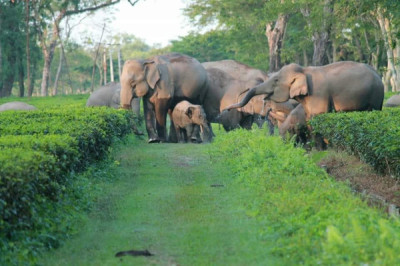
Other reported mammals include Asian elephants, leopards, leopard cats, jungle cats, wild boars, civets, squirrels and other small forest animals. Their presence does not mean that every species can be seen during a visit.
The sanctuary also supports a variety of birds, including hornbills, woodpeckers, bulbuls, barbets, drongos, doves and other forest-dwelling species. Birdwatchers should bring binoculars and remain attentive to movement and calls in the canopy. Reptiles, including snakes and lizards, are also part of the forest ecosystem.
Species counts can change with surveys and scientific assessments, so published totals should be treated as estimates rather than a guarantee of what visitors will encounter.
Flora and Forest Vegetation
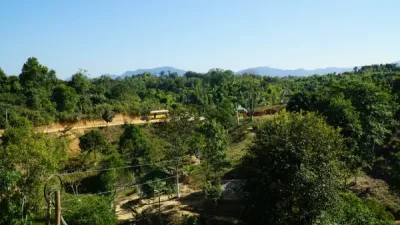
The vegetation of Hollongapar Gibbon Wildlife Sanctuary is one of its defining features. The upper canopy includes tall hollong trees, while nahar and other native tree species form parts of the middle canopy. Shrubs, herbs, climbers, bamboo, cane, ferns and orchids contribute to the lower layers of the forest.
This layered structure provides food, shelter and movement routes for arboreal wildlife. The dense canopy is especially important for gibbons, which depend on connected branches to travel between feeding and resting areas.
The Bhogdoi River flows along part of the surrounding landscape, contributing to the area's varied habitat conditions. Visitors may notice differences in vegetation and ground moisture along the forest trail, depending on the season.
Conservation Importance and Environmental Challenges
The sanctuary faces challenges associated with habitat fragmentation, encroachment, illegal tree felling and human activity around the forest boundary. Railway infrastructure and high-voltage power lines also affect parts of the wider landscape. Such barriers can restrict the movement of animals that rely on continuous tree cover.
Forest conservation measures, including canopy-crossing structures in relevant locations, can help reduce some risks to arboreal wildlife. However, long-term protection also depends on maintaining habitat connections, reducing disturbance and supporting responsible tourism.
Visitors can contribute by following forest department instructions, staying on permitted routes, carrying back all waste and avoiding flash photography or loud behaviour around animals.
Things to Do at Hollongapar Gibbon Wildlife Sanctuary
1. Take a Guided Forest Walk
A guided walk is the main way to explore the sanctuary. An authorised guide can explain the forest's ecology, identify animal calls and help visitors understand where wildlife may be found. Follow the designated route and all safety instructions.
2. Look for Hoolock Gibbons
Observe the upper canopy carefully, particularly during the quieter morning hours. Binoculars can make it easier to identify animals without approaching them.
3. Explore the Forest's Plant Diversity
Notice the different canopy layers, hollong and nahar trees, bamboo, climbers and other native vegetation. A knowledgeable guide can help explain the relationships between plants and wildlife.
4. Enjoy Birdwatching and Nature Photography
The forest provides opportunities to observe birds and photograph natural landscapes. A camera with a suitable telephoto lens can be useful because many animals remain high in the trees. Photography rules and any applicable camera charges should be checked before entry.
5. Visit Nearby Tea Gardens
Jorhat and Mariani are surrounded by tea-growing landscapes. A visit to a tea estate can complement a sanctuary trip, although access to working estates may require permission.
Best Time to Visit Hollongapar Gibbon Wildlife Sanctuary
October to April is generally a practical period for visiting the sanctuary. The weather is often more comfortable for walking, and trails may be easier to navigate than during heavy monsoon rainfall.
November to March is worth considering for travellers who prefer cooler conditions. Early morning visits may offer a quieter forest experience and better opportunities to listen for gibbon calls, although wildlife sightings cannot be guaranteed.
The monsoon months bring rain and lush vegetation, but trails can become slippery and leeches may be present. Before travelling during or after heavy rainfall, check whether guided visits and the intended routes are operating.
Timings, Entry Fees and Visitor Rules
The sanctuary is generally visited during daylight hours, with morning visits often preferred for wildlife observation. However, opening hours, access arrangements and permitted walking routes can change according to forest department rules, weather and conservation requirements.
Some published visitor information mentions an entry charge of approximately Rs. 250 per person and an additional charge of around Rs. 500 for a DSLR camera. These figures should not be treated as confirmed current rates. Contact the Jorhat Forest Division before your trip to verify the latest entry fees, camera charges, guide arrangements and any booking requirements.
Visitors should enter only through authorised access points, remain with their guide where required, avoid feeding wildlife and follow instructions issued by forest staff.
How to Reach Hollongapar Gibbon Wildlife Sanctuary from Guwahati
By Road: Guwahati is the main gateway for many visitors travelling to Upper Assam. The road journey to Hollongapar Gibbon Wildlife Sanctuary is approximately 300-320 km, depending on the route and starting point. Travellers can drive towards Jorhat via the main highways connecting central and Upper Assam, then continue towards Mariani and the sanctuary entrance.
By Train: Travelling by train from Guwahati to Mariani Junction is a convenient option when a suitable service is available. From Mariani, the sanctuary is approximately 5 km away, and visitors can arrange a local taxi or other suitable transport for the final stretch.
By Air: Jorhat Airport is the nearest airport. From the airport, visitors can hire a taxi to reach the sanctuary through Jorhat and Mariani. Flight availability and connections should be checked for your travel dates.
The journey can take around 6-8 hours or longer, depending on traffic, road conditions and stops. Starting early is advisable if you plan to reach the sanctuary in time for a morning visit.
Check the current railway schedule before booking because journey times and services vary.
Dibrugarh may be an alternative airport for some Upper Assam itineraries, but the onward road journey is longer.
Where to Stay Near Hollongapar Gibbon Wildlife Sanctuary
Gibbon Forest Rest House
The reference information lists a forest rest house within the sanctuary area. Availability, visitor eligibility, facilities and booking procedures should be confirmed directly with the forest authorities before making travel plans.
For reservation enquiries, contact the Divisional Forest Officer, Jorhat Division, using the details provided below.
Prasanti Tourist Lodge, Jorhat
Prasanti Tourist Lodge under the Assam Tourism Department has been listed as an accommodation option in Jorhat town. Confirm its current operating status, room availability and booking process with the tourism department before relying on it for your stay.
Hotels in Jorhat and Mariani
Jorhat offers a wider choice of hotels, guest houses and restaurants, while Mariani may be convenient for visitors who want to stay closer to the sanctuary. Choose accommodation based on transport availability, your budget and the timing of your guided visit.
Booking ahead is advisable during holidays and busy travel periods.
Whom to Contact for a Visit
The following contact details were included in the reference information supplied for this page. Please verify that the telephone numbers, email addresses and responsible officers are still current before travelling.
Divisional Forest Officer, Jorhat Division
Location: Jorhat, Assam - 785001
Telephone: +91-376-2320008 / 2320456
Purpose: Enquiries about sanctuary access, forest rest house reservations and official visitor arrangements.
Forest Range Officer, Mariani Range
Location: Mariani, Jorhat district, Assam
Telephone: +91-3771-244125
Purpose: Local forest-related enquiries and visitor guidance.
Private Wildlife Guide - Golap Gogoi
Telephone: +91 9864518364
Alternative telephone: +91 9401644899
Email: golap7@gmail.com
Additional email listed in the reference: golab_gogoi@yahoo.com
The private guide details above are reproduced from the supplied reference and have not been independently verified. Confirm availability, fees, credentials and any required permissions before arranging a guided visit. Official forest department instructions should take priority.
Places to Explore Near Hollongapar Gibbon Wildlife Sanctuary
Visitors can combine the sanctuary with other attractions in and around Jorhat, depending on available time.
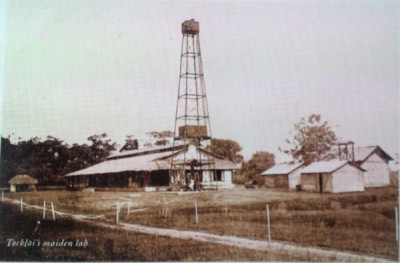
Tocklai Tea Research Institute: An important institution associated with tea research in Assam. Check visitor access before planning a visit.
Sukapha Samanway Kshetra: A cultural and historical destination associated with the legacy of Sukapha and the history of Assam.
Jorhat town: Explore local markets, Assamese food, cultural sites and the town's tea heritage.
Majuli: The well-known river island in the Brahmaputra, celebrated for its satras and distinctive Assamese cultural traditions. It requires separate travel planning and is better suited to an extended itinerary.
Travel Tips for Visitors
Reach early if you want to make the most of a guided forest walk.
Wear comfortable walking shoes, full-length trousers and suitable clothing for a humid forest environment.
Carry drinking water, insect repellent and rain protection when needed.
Use binoculars for observing gibbons and birds from a distance.
Avoid feeding, touching or calling out to wildlife.
Do not leave plastic, food wrappers or other waste inside the forest.
Confirm entry fees, opening hours, guide availability and accommodation before departure.
Allow enough time for the journey from Guwahati and avoid scheduling a tight return connection after the visit.
Hollongapar Gibbon Wildlife Sanctuary is an important destination for understanding the wildlife and forest ecology of Assam. Its population of hoolock gibbons, varied primate species and dense evergreen vegetation make it a rewarding stop for visitors interested in nature and conservation. With responsible planning and respect for the forest's rules, a visit can offer a meaningful introduction to the natural heritage of Upper Assam.
Quick Information About Hollongapar Gibbon Wildlife Sanctuary
| Information | Details |
|---|---|
| Name | Hollongapar Gibbon Wildlife Sanctuary |
| Also known as | Gibbon Wildlife Sanctuary, Hollongapar Reserve Forest |
| Location | Jorhat district, Assam, India |
| Nearest town | Mariani |
| Distance from Jorhat | Approximately 20-25 km, depending on the route |
| Distance from Mariani | Approximately 5 km |
| Total area | About 20.98 square kilometres |
| Reserve forest history | Designated in 1881 |
| Wildlife sanctuary status | Declared in 1997 |
| Famous for | Hoolock gibbons and seven primate species |
| Forest type | Tropical evergreen and semi-evergreen forest |
| Main activity | Guided forest walks and wildlife observation |
| Best time to visit | October to April |
| Nearest railway station | Mariani Junction |
| Nearest airport | Jorhat Airport |
| Recommended duration | Half a day to one day |
| Entry fee and timings | Confirm current rates and opening hours with the forest authorities |
FAQs About Hollongapar Gibbon Wildlife Sanctuary
1. Where is Hollongapar Gibbon Wildlife Sanctuary located?
Hollongapar Gibbon Wildlife Sanctuary is located in Jorhat district of Assam, near Mariani town. It is approximately 20-25 km from Jorhat town and around 5 km from Mariani, depending on the route.
2. Why is Hollongapar Gibbon Wildlife Sanctuary famous?
The sanctuary is famous for its hoolock gibbons, the only gibbon species found in India. It is also known for its diverse primate population, evergreen forest and opportunities for guided wildlife observation.
3. What is the best time to visit Hollongapar Gibbon Wildlife Sanctuary?
October to April is generally a suitable period to visit. November to March can be comfortable for forest walks, while heavy monsoon rainfall may make trails slippery and increase the presence of leeches.
4. What animals can be seen at Hollongapar Gibbon Wildlife Sanctuary?
The sanctuary is home to hoolock gibbons, capped langurs, several macaque species and Bengal slow lorises. Other reported wildlife includes elephants, wild boars, civets, jungle cats, leopard cats, birds and reptiles. Sightings depend on natural conditions.
5. How can I reach Hollongapar Gibbon Wildlife Sanctuary from Guwahati?
You can travel from Guwahati by road towards Jorhat and Mariani, take a train to Mariani Junction and arrange local transport, or fly to Jorhat Airport and continue by road. Check current transport schedules and allow enough time for the journey.
6. What are the entry fees and opening hours of the sanctuary?
Entry fees and visiting hours may change. Some published information mentions an entry fee of approximately Rs. 250 per person and a DSLR camera charge of around Rs. 500, but visitors should confirm the current rates and opening hours with the Jorhat Forest Division before travelling.
7. Is a guide compulsory at Hollongapar Gibbon Wildlife Sanctuary?
Guided walks are the usual way to explore the sanctuary, and a guide may be mandatory under current visitor rules. Contact the forest authorities before arrival to confirm guide requirements, access restrictions and booking arrangements.
8. Where can I stay near Hollongapar Gibbon Wildlife Sanctuary?
Visitors can look for accommodation in Jorhat or Mariani. A Gibbon Forest Rest House and Prasanti Tourist Lodge in Jorhat have been listed in the supplied reference information, but their current availability and reservation procedures should be confirmed before travelling.
9. How much time is needed to explore the sanctuary?
Allow approximately half a day to one full day, depending on the authorised walking route, guide availability and wildlife-observation opportunities. Travellers coming from Guwahati should account for the long journey separately and may prefer to stay overnight in Jorhat or Mariani.
10. What should I carry when visiting Hollongapar Gibbon Wildlife Sanctuary?
Carry comfortable walking shoes, drinking water, insect repellent, suitable clothing and binoculars if available. Rain protection can be useful during wet weather. Follow the guide's instructions, avoid feeding animals and carry all waste out of the sanctuary.