In Depth
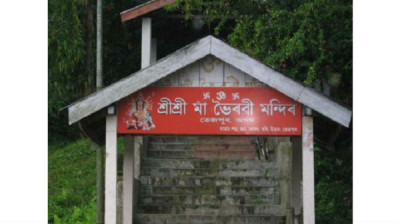
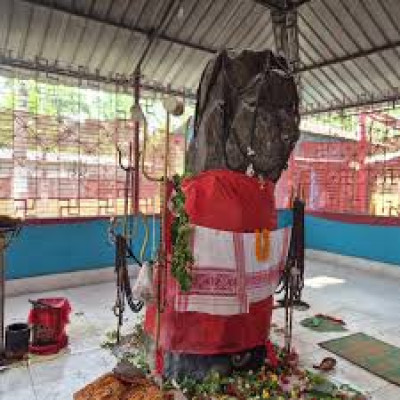
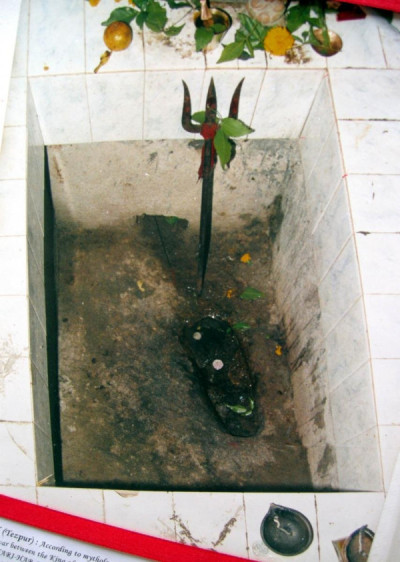
According to local tradition, the temple derives its name from the word "Halowa," meaning farmer. It is believed that a farmer discovered a sacred Shiva Linga while ploughing a field in this area. The miraculous discovery led to the establishment of a shrine at the site, which later gained prominence as an important place of worship. In 1705 AD, the Ahom king Rudra Singha reconstructed the temple, further enhancing its religious importance. The temple is unique because it is associated with both Shaivite and Vaishnavite traditions, making it a significant spiritual center for followers of different Hindu sects.
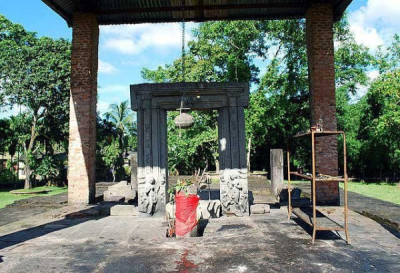
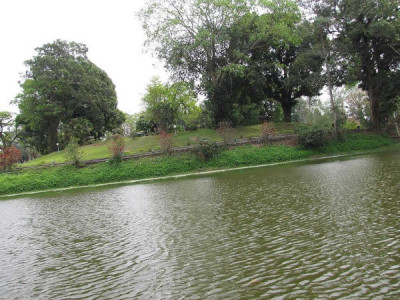
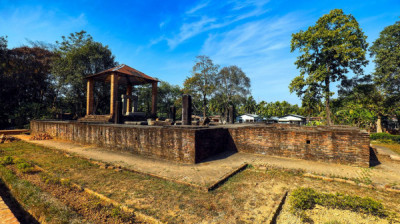
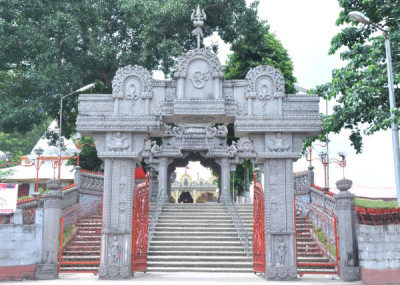
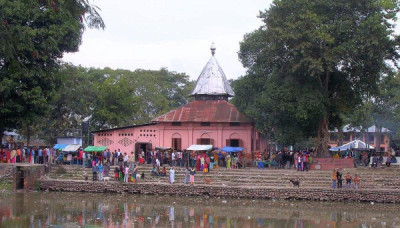
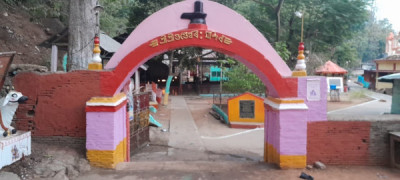
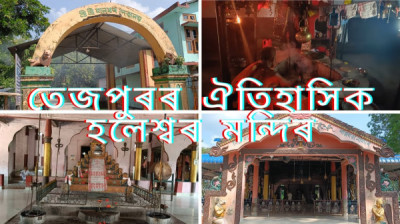
The temple complex features traditional Assamese architectural influences and offers a serene atmosphere ideal for prayer and meditation. Visitors often climb the temple steps to enjoy the tranquil surroundings and participate in daily worship rituals. Major Hindu festivals, especially Maha Shivaratri, witness large gatherings of devotees.
How to Reach Haleswar Temple: Haleswar Temple is easily accessible by road from Tezpur town. Tezpur Airport is approximately 2 km away, while Dekargaon Railway Station and Rangapara North Junction provide rail connectivity. Taxis and local transport are readily available.
Where to Stay at Haleswar Temple: Comfortable hotels, lodges, guest houses, and budget accommodations are available throughout Tezpur, making it convenient for visitors exploring the temple and nearby attraction