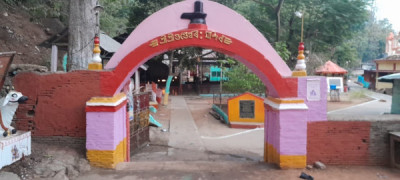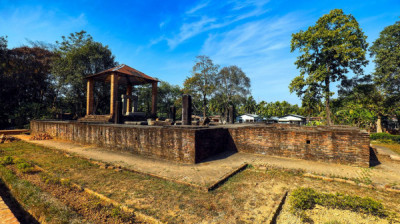
In Depth
Historical Significance
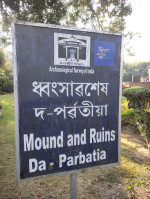
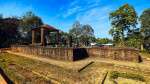
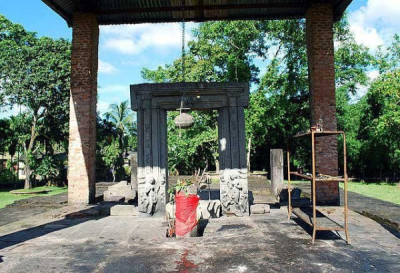
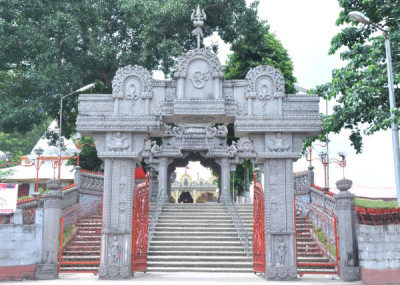
The temple site is believed to date back to the 5th–6th century CE, during the dominance of the Gupta Empire—an era known as the "Golden Age of Indian Art." Archaeological evidence discovered during excavations in 1924 reveals that the original temple was much larger than the portion visible today. Later, during the Ahom period, a brick Shiva temple was constructed over the older ruins, but it was destroyed in the devastating Assam earthquake of 1897, exposing the ancient stone gateway beneath. Today, Da Parbatia is a protected monument under the Archaeological Survey of India (ASI).
Architectural Highlights
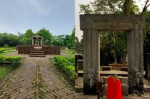
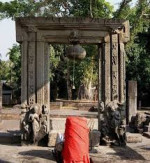
The most celebrated feature of Da Parbatia Temple is its intricately carved stone doorframe, considered one of the finest examples of early Indian sculptural art found in Assam. The craftsmanship resembles the Gupta School of Sculpture, known for its elegant human figures, flowing lines, and harmonious proportions.
The doorframe features two beautifully carved river goddesses—Ganga and Yamuna—placed on the right and left doorjambs respectively. Both are depicted in graceful postures holding garlands, accompanied by smaller attendants carved with remarkable detail. Above the jambs, five vertical decorative bands rise toward the lintel, featuring motifs such as creepers, lotus stems, human figurines, and ornate rosettes.
The lintel itself is a masterpiece, decorated with five chaitya-style windows housing figures of deities including Lakulisa (an avatar of Shiva), Krishna, Surya, and mythical bird-like creatures. The carving of Garuda holding intertwined serpent tails demonstrates the artistic depth and symbolic richness of the period.
Temple Layout as Revealed by Excavations
Archaeological studies suggest that the original temple followed a square layout—an architectural tradition common in early Hindu temples. The sanctum sanctorum (garbhagriha) measured roughly 5 meters on each side and was connected to a mandapa (pillared hall) and mukhamandapa (entrance porch). Several terracotta plaques recovered from the surrounding area display human figures in seated postures, reflecting the strong artistic presence that once flourished in the region.
Religious Importance
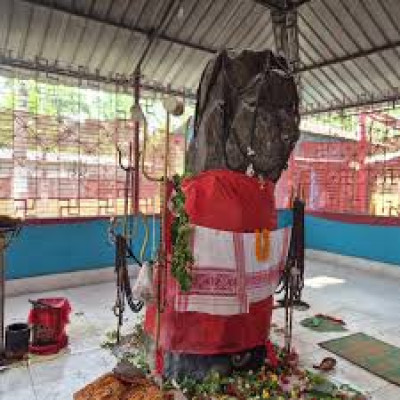
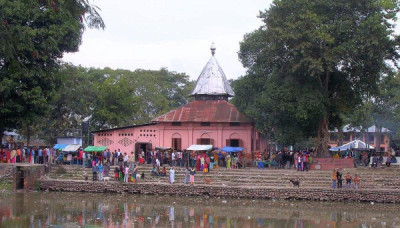
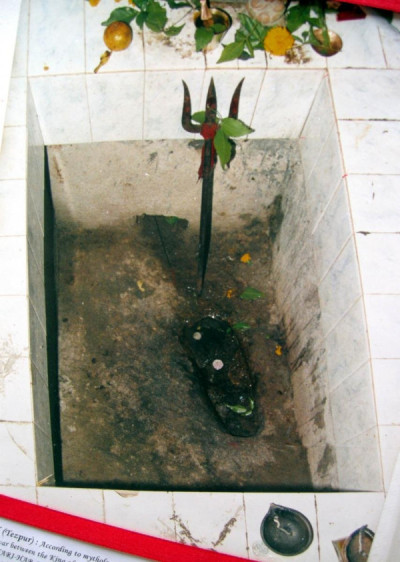
Da Parbatia has long been associated with Shaivism. Even today, the site continues to hold religious value for local devotees. Rituals such as Archana and Aarti are performed, while festivals like Maha Shivratri, Kartik Purnima, and Diwali draw visitors seeking blessings and historical insights. The ancient artifacts and architectural remnants found here indicate that Tezpur was an important spiritual and cultural center from early medieval times.
When to Visit Da Parbatia Temple
The ideal time to visit Da Parbatia is from October to March, when the weather is pleasant and perfect for exploring the open archaeological site. Winter and early spring offer clear skies and comfortable temperatures, making it easier to appreciate the fine carvings and surrounding landscape.
Monsoon months (June to September) should be avoided due to heavy rains and slippery pathways.
How to Reach Da Parbatia, Tezpur
Da Parbatia village is located just 3–4 km west of Tezpur town.
-
By Air:The nearest airport is Tezpur Airport (Salonibari Airport), around 10 km away. From there, taxis and auto-rickshaws are easily available.
-
By Road:Tezpur is well-connected to major Assam cities like Guwahati, Nagaon, and Jorhat. Upon reaching Tezpur, one can hire an auto, cab, or local transport to reach the archaeological site.
-
By Rail:The nearest railway station is Rangapara North Junction, 15 km away.
Nearby Tourist Attractions
To enhance your trip, you can also explore these beautiful places near Da Parbatia:
-
Mahabhairab Temple
-
Chitralekha Udyan
-
Bamuni Hills
-
Cole Park Tezpur
Together, these attractions create a rich cultural and historical travel circuit within Tezpur.
Quick Info Table on Da Parbatia Tezpur
| Parameter | Details |
|---|---|
| Location | Da Parbatia Village, West Tezpur, Assam |
| Built In | 5th–6th Century CE (Gupta Period) |
| Architectural Style | Gupta School of Sculpture |
| Famous For | Intricately carved stone doorframe |
| Best Time to Visit | October to March |
| Nearest Airport | Tezpur Airport (Salonibari) |
| Nearest Railway Station | Rangapara North Junction |
| Managed By | Archaeological Survey of India (ASI) |
| Main Deity/Theme | Associated with Shaivism |
| Nearby Attractions | Mahabhairab Temple, Agnigarh, Bamuni Hills |
FAQ on Da Parbatia Tezpur
1. What is Da Parbatia Temple famous for?
Da Parbatia Temple is famous for its 6th-century Gupta-style stone doorframe, considered one of Assam’s oldest and finest sculptural artworks.
2. Where is Da Parbatia Temple located?
The temple is located in Da Parbatia village, a few kilometers west of Tezpur in Assam.
3. Who built Da Parbatia Temple?
The original temple dates back to the Gupta period, while a later brick Shiva temple was built by the Ahoms.
4. What is the historical significance of Da Parbatia?
Its stone doorframe showcases early Gupta art, proving Assam's strong cultural links with ancient northern Indian architecture.
5. What are the main features of Da Parbatia Temple?
The temple is known for its carved doorframe featuring Ganga, Yamuna, floral motifs, mythical beings, and Gupta-style artwork.
6. Is Da Parbatia Temple protected by ASI?
Yes, Da Parbatia Temple is a protected archaeological site under the Archaeological Survey of India (ASI).
7. How old is Da Parbatia Temple?
The temple dates back to the 5th–6th century CE, making it around 1,400+ years old.
8. What is the best time to visit Da Parbatia Temple?
Winter (October–March) is the best time to visit due to pleasant weather.
9. How can I reach Da Parbatia Temple?
You can reach the temple by auto or cab from Tezpur town; the nearest airport is Tezpur Airport.
10. Are there places to visit near Da Parbatia Temple?
Yes, nearby attractions include Agnigarh Hill, Mahabhairab Temple, Bamuni Hills, and Chitralekha Udyan.