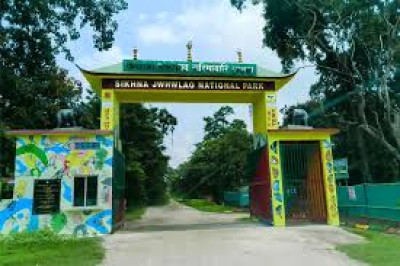
In Depth
The park is known for its rich biodiversity, scenic river systems, forest landscapes and strong connection with Bodo history. Areas such as Ultapani and Saralpara make the region especially interesting for nature lovers, photographers, birdwatchers and travellers exploring western Assam.
History and Significance of the Name
The national park is named after Sikhna Jwhwlao, also known as Joulia Dewan, a respected Bodo warrior and leader remembered for resisting British colonial forces during the Duar War of 1864-1866. His historic capital, known as Sikhnajhar or Chiknajhar, is associated with the forest landscape around Ultapani.
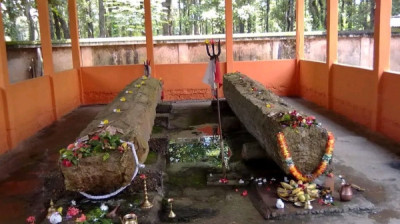
The area also holds cultural importance for local Bodo communities. Traditional practices and religious observances, including Bathou Puja and Kherai Puja, are connected with the region's heritage. The park therefore represents both a conservation landscape and an important part of local history.
Golden Langur and Wildlife of the Park
One of the most notable animals associated with Sikhna Jwhwlao National Park is the endangered golden langur. This rare primate, recognised by its distinctive golden-coloured coat, inhabits the forest belt along the Assam-Bhutan region. It is an important flagship species for conservation in Bodoland.
The wider forest ecosystem also provides habitat for Asian elephants, Royal Bengal tigers, one-horned rhinoceroses, clouded leopards, gaurs, hog deer and other wildlife. Species such as the pygmy hog and hispid hare are also associated with the broader grassland and forest conservation landscape of Assam. Wildlife sightings are never guaranteed, and visitors should explore only through permitted routes and responsible local guidance.
Ultapani Forest and Butterfly Diversity
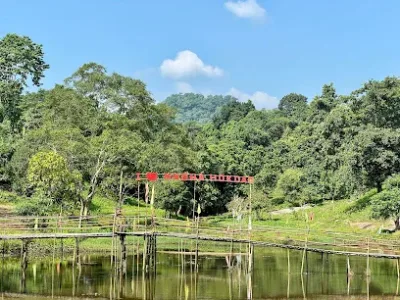
Ultapani is among the most recognised natural attractions within the park landscape. The area is particularly popular among butterfly enthusiasts, with reports of more than 460 butterfly species recorded in the wider Ultapani region. During the active season, colourful butterflies can be seen gathering around damp soil, forest paths and stream edges.
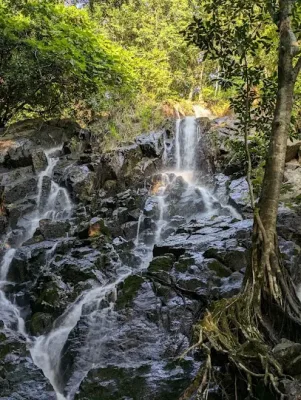
The forest also supports a variety of birds, including hornbills, eagles, parakeets and other woodland species. Its vegetation includes moist Sal forests, semi-evergreen patches, mixed deciduous woodland, riparian forests, bamboo groves and savannah areas. This variety of habitats contributes to the park's ecological importance.
Rivers, Water Bodies and Natural Attractions
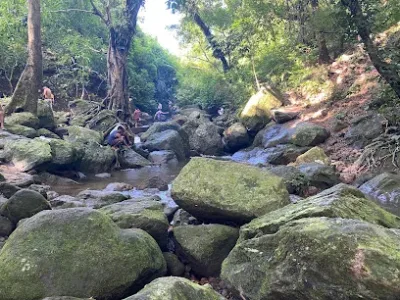
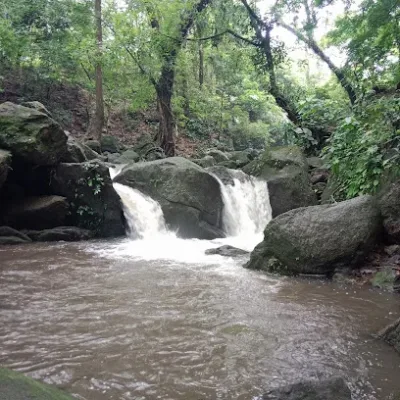
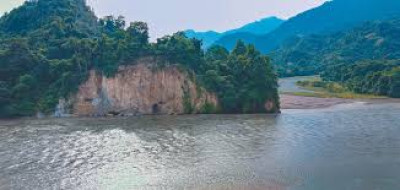
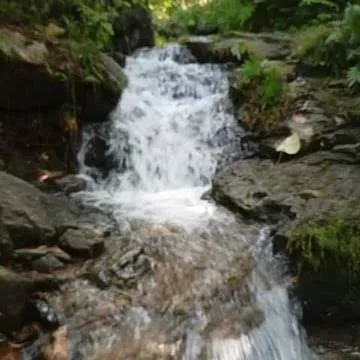
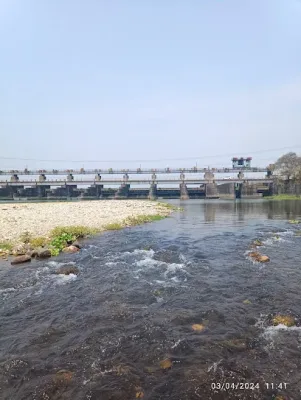
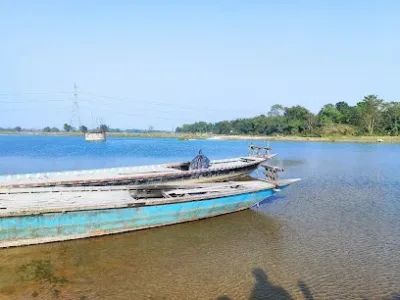
Several rivers and streams flow through or border the national park landscape. Important watercourses include the Saralbhanga, Samukha, Champabati, Bhur, Laopani and Dholpani rivers. Mashbhandar Lake is another water body associated with the region.
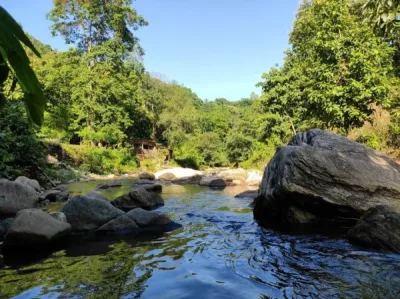
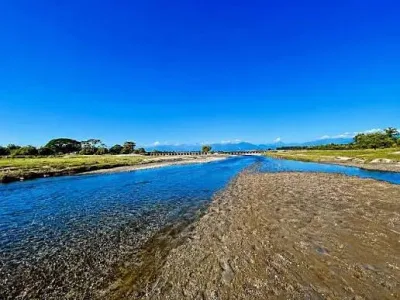
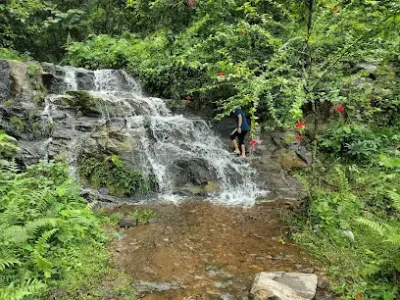
The changing landscapes around these waterways offer opportunities for nature photography and peaceful outdoor exploration. Saralpara, near the Bhutan foothills, is known for its clear flowing water and mountain scenery. Visitors should take care around riverbanks, particularly during the rainy season when water levels and currents can change quickly.
Things to See and Do
Butterfly Watching at Ultapani: Explore the forest surroundings and observe the remarkable butterfly diversity of the area. The experience is particularly interesting for nature photographers and wildlife enthusiasts.
Wildlife and Birdwatching: The park's forest habitats support a variety of mammals and birds. Guided excursions, where permitted, can help visitors learn about local species and conservation efforts.
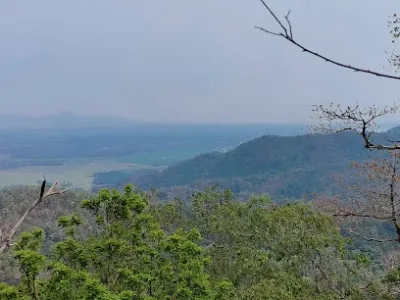
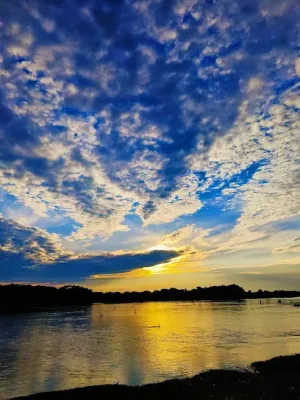
Nature Photography: River valleys, forest trails, green hills and seasonal butterfly activity provide opportunities for landscape and nature photography.
Visit Saralpara: The riverside landscape near the Bhutan foothills is a popular natural attraction for visitors interested in scenic views and a quiet outdoor experience.
Explore Bodo Heritage: The history of Sikhna Jwhwlao and the traditional practices of nearby communities add a cultural dimension to a visit.
Best Time to Visit Sikhna Jwhwlao National Park
November to March is generally considered a suitable period for exploring the region, as the weather is more comfortable and many forest routes are easier to access. The butterfly season around Ultapani is particularly associated with the warmer and wetter months, including the period from June to October, although heavy monsoon rain can affect road conditions and visitor access.
The park's actual entry permissions and seasonal operating arrangements should be checked before travelling. Do not assume that all forest routes remain open throughout the year.
How to Reach Sikhna Jwhwlao National Park from Guwahati
The national park extends across Kokrajhar and Chirang districts, so the best route depends on the entry point you intend to visit. Bismuri, Ultapani and Saralpara are among the locations associated with access to the wider park landscape.
By Road: From Guwahati, travel towards Bongaigaon and then Kokrajhar or Chirang. The Bismuri-Saralpara-Sarbhong road is one of the routes mentioned for accessing the region. Private vehicles and locally arranged taxis are useful for reaching forest-side destinations. Confirm the exact entry point and road condition before departure.
By Train: Kokrajhar Railway Station and New Bongaigaon Junction are convenient railway access points. From either station, arrange onward road transport to the selected park area.
By Air: Lokpriya Gopinath Bordoloi International Airport in Guwahati is the major airport for visitors arriving by air. Rupsi Airport may also be an option depending on flight availability. Continue by road or train towards Kokrajhar or Chirang.
Where to Stay Near the National Park
Formal accommodation inside the protected forest area may be limited. Visitors can use Kokrajhar town as a base or choose resorts and homestays in the wider Raimona, Chirang and Gossaigaon region. Options supplied for this area include Bathou Kherai Family Resort, Pinjillyn Resort, Aranyam Resort and Farm, Jomduar Resort and Serja Eco Cottage.
Homestays such as Aagor Homestay, Asomi Raimona Homestay and Vladimir Brahma Homestay offer alternatives for travellers interested in local hospitality. Contact each property to confirm its current operating status, availability, facilities and distance from the intended entry point.
Responsible Tourism and Visitor Guidelines
Sikhna Jwhwlao National Park is an important wildlife habitat. Visitors should avoid littering, loud music, feeding animals or disturbing birds and other wildlife. Follow forest department instructions, use authorised routes and arrange local guidance where required. Do not enter restricted areas or attempt off-road activities without permission.
Discover the Natural and Cultural Heritage of Bodoland
Sikhna Jwhwlao National Park brings together wildlife conservation, Bodo history and the natural beauty of Assam's Bhutan foothills. From the golden langur and butterfly-rich forests of Ultapani to the rivers and scenic surroundings of Saralpara, the region offers a varied experience for travellers. It is a valuable destination for anyone interested in discovering the biodiversity and cultural heritage of western Assam.
Quick information table
| Information | Details |
|---|---|
| National Park Name | Sikhna Jwhwlao National Park |
| Location | Kokrajhar and Chirang districts, Assam |
| Region | Bodoland Territorial Region (BTR) |
| Area | Approximately 316.29 sq. km |
| Notification | 2025 |
| Named After | Bodo warrior Sikhna Jwhwlao, also known as Joulia Dewan |
| Famous For | Golden langur, butterfly diversity, Ultapani forest and Bodo heritage |
| Important Wildlife | Golden langur, elephant, tiger, one-horned rhinoceros, clouded leopard and gaur |
| Butterfly Diversity | More than 460 species reported in the wider Ultapani region |
| Forest Types | Sal, semi-evergreen, mixed deciduous, riparian, bamboo and savannah habitats |
| Important Rivers | Saralbhanga, Samukha, Champabati, Bhur, Laopani and Dholpani |
| Other Water Body | Mashbhandar Lake |
| Nearby Attractions | Ultapani, Saralpara and the Bodo heritage landscape |
| Best Time to Visit | November to March for general sightseeing |
| Nearest Railway Stations | Kokrajhar and New Bongaigaon |
| Nearest Major Airport | Guwahati International Airport |
| Other Airport Option | Rupsi Airport, subject to flight availability |
| Accommodation | Hotels, resorts, lodges and homestays in the surrounding region |
| Popular Activities | Butterfly watching, birdwatching, nature photography and guided forest excursions |
| Safari / Entry Details | Confirm current access and booking rules with forest authorities |
Whom to Contact for a Visit
For information about visiting Sikhna Jwhwlao National Park, forest access, local tourism facilities and guided activities, contact Bodoland Tourism or the relevant local forest authorities.
Safari and Forest Access
Sikhna Jwhwlao National Park is a developing tourism destination. Safari availability, vehicle permissions, forest entry points, guide arrangements and operating hours may vary. Contact the relevant forest office or tourism representative before travelling. Do not rely on unverified safari prices or timings found in older travel listings.
Where to stay near Sikhna Jwhwlao National Park
Hotels and Lodges in Kokrajhar
- Hotel Gaurang Valley, Ward No. 4, J.D. Road, Kokrajhar, Assam - 783370, Phone: +91 84866 82766
PK Lodge & Restaurant, Jwhwlao Dwimalu Road, in front of Bodoland Secretariat Office, Kokrajhar, Assam - 783370, Phone: +91 60037 33094
Hotel SB Cum Lodge, Vivekananda Path, near Kokrajhar Railway Station, Kokrajhar, Assam - 783370, Phone: +91 8373053400
Anisha Lodge, Bazar Road, Tengapara, Kokrajhar, Assam - 783370, Phone: +91 92071 00234
Hotel Seven Brothers, Boro Bazar Road, Tengapara, Kokrajhar, Assam - 783370, Phone: +91 3661 270 027
Raimona Residency, Jwhwlao Dwimalu Road, opposite Bajwi Hotel, Tengapara, Kokrajhar, Assam - 783370, Phone: +91 60002 58419, +91 88008 42084, +91 73996 66688
Hotel Omshree, J.D. Road, opposite M.R.M. Hospital, Kokrajhar, Assam - 783370, Phone: +91 88119 75211, +91 95314 99788, +91 3661-271655
Kohinoor Hotel, RNB Road, Bagansali, Tengapara, Kokrajhar, Assam - 783370, Phone: +91 84730 58034, +91 70021 09929, +91 3661 270 574
Hotel Nagendra Bhawan and Lodge, Ward No. 3, near Reliance Smart Point, Kokrajhar, Assam - 783370, Phone: +91 88228 02088, +91 81239 89573
Hotel Rwisumwi, Tengapara, Titaguri, Kokrajhar, Assam - 783370, Phone: +91 9954319522, +91 9957424865
Bajwi Hotel, Jwhwlao Dwimalu Road, Ward No. 5, Tengapara, Kokrajhar, Assam - 783370, Phone: +91 83998 86494, +91 84533 07636, +91 69096 57745
Sahara Lodge, Patalpur Road, Kokrajhar, Phone: +91 3661-270824
Prashanti Lodge, R.N.B. Road, Kokrajhar, Phone: +91 3661-270094, +91 94352-55113
K.R. Lodge, J.D. Road, Kokrajhar, Assam - 783370, Phone: +91 97076 96959
Basumatary Lodge, R.N.B. Road, Kokrajhar, Assam, Phone: +91 3661 270094, +91 9435255113
Resorts in the Kokrajhar and Chirang Region
Bathou Kherai Family Resort, NH 27 / NH 31, Garubhasa Pt. II, Shyamtaibari, Chirang-Kokrajhar region, Assam - 783373, Phone: +91 78966 86437, +91 70865 60022, +91 78968 17727, +91 60028 81838
Pinjillyn Resort, Raimona F.V., after Mothambil Chariali, Kokrajhar, Assam - 783350, Phone: +91 97074 09009, +91 60011 33711, +91 60036 18476
Aranyam Resort and Farm, 121, Saraibil F.V., Srirampur F.V., Kokrajhar, Assam - 783350, Phone: +91 6900922206, +91 6900922207, +91 6901780354, +91 6003618476
Jomduar Resort, Oxyguri village, near Raimona National Park, Kokrajhar, Assam - 783350, Phone: +91 8876126270, +91 6000282194, +91 6003618476
29th Landmark, Gaurang, Chandamari, Borobhatarmari, Assam - 783370, Phone: +91 84730 45040
Serja Eco Cottage, Raimona F.V. / Western Range, Gossaigaon, Kokrajhar, Assam - 783350, Phone: +91 84738 70581, +91 86388 84518
Guest Houses in Kokrajhar
PWD Guest House, Depot Road, near Assam Oil, Brahmapuri, Tengapara, Kokrajhar, Assam - 783370.
Bodoland Guest House, Jwhwlao Dwimalu Road, Kokrajhar, Assam - 783370, Phone: +91 99541 27366, +91 70020 28521
Kokrajhar Guest Inn, Ward No. 4, Jwhwlao Dwimalu Road, Kokrajhar.
Homestays in Kokrajhar Region
Aagor Homestay, DTO Road, Romanpara, Boro Bhatarmari, Assam - 783370, Phone: +91 74350 43937, +91 70990 07127, +91 60022 05885
Asomi Raimona Homestay, C/O Ranjit Basumatary, Nasraibil F.V., Raimona National Park, Kokrajhar, Assam - 783350, Phone: +91 9957262292, +91 7086230522, +91 6003618476
Aldrina Homestay, Mothambil, under Raimona National Park Western Range, Kokrajhar, Assam - 783361, Phone: +91 6000801410
Iswary Homestay, Raimona National Park region, Oxiguri village area, Kokrajhar, Assam, Phone: +91 8638297368
Himalaya Home Stay, Kumguri, Mothambil, Raimona National Park, Assam - 783350, Phone: +91 95314 99788
Vladimir Brahma Homestay, Janaligaon, Saraibil F.V., Kokrajhar, Assam - 783350, Phone: +91 60000 59752, +91 60032 36702, +91 60013 18270
The listed properties are accommodation options in the wider Kokrajhar, Chirang and Raimona region. They are not all located beside Sikhna Jwhwlao National Park. Confirm the driving distance to your intended entry point, room availability and current tariffs before booking.
Frequently asked questions
1. Where is Sikhna Jwhwlao National Park located?
Sikhna Jwhwlao National Park is located across Kokrajhar and Chirang districts in Assam's Bodoland Territorial Region, along the Indo-Bhutan border.
2. When was Sikhna Jwhwlao National Park declared?
The park was notified in 2025 and is recognised as one of Assam's national parks. It covers approximately 316.29 square kilometres.
3. Who was Sikhna Jwhwlao?
Sikhna Jwhwlao, also known as Joulia Dewan, was a Bodo warrior and leader remembered for resisting British colonial forces during the Duar War of 1864-1866. The national park is named in his honour.
4. What is Sikhna Jwhwlao National Park famous for?
The park is known for its golden langur habitat, rich butterfly diversity, Ultapani forest, river systems and the cultural history of the Bodo community.
5. Can visitors see golden langurs in Sikhna Jwhwlao National Park?
Golden langurs inhabit the forest landscape of the park. Visitors may have opportunities to observe them during guided excursions, but sightings cannot be guaranteed.
6. Why is Ultapani famous?
Ultapani is known for its forest scenery and remarkable butterfly diversity. More than 460 butterfly species have been reported in the wider region, making it an interesting destination for butterfly enthusiasts and nature photographers.
7. What is the best time to visit Sikhna Jwhwlao National Park?
November to March is generally suitable for sightseeing and exploring the region. The butterfly season is associated with the warmer and wetter months, but heavy monsoon rainfall can affect access.
8. How can I reach Sikhna Jwhwlao National Park from Guwahati?
Visitors can travel from Guwahati towards Bongaigaon and then Kokrajhar or Chirang by road or train. Local taxis and private vehicles can be arranged for onward travel to locations such as Bismuri, Ultapani and Saralpara.
9. Are accommodation facilities available near Sikhna Jwhwlao National Park?
Visitors can stay in Kokrajhar town or choose resorts and homestays in the wider Kokrajhar, Chirang and Raimona region. Accommodation options include Bathou Kherai Family Resort, Pinjillyn Resort, Aranyam Resort and Farm, Jomduar Resort and several local homestays.
10. Is Sikhna Jwhwlao National Park connected to Manas and Raimona National Parks?
Yes. The park lies between Manas National Park towards the east and Raimona National Park towards the west. Together, these forest areas form an important connected conservation landscape along the Assam-Bhutan foothills.