In Depth
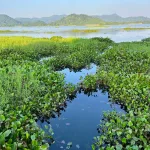
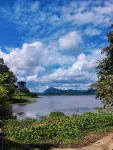
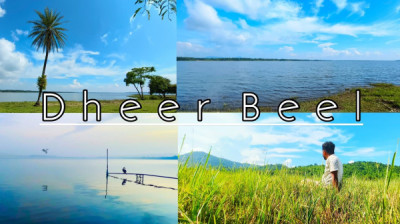
The wetland is connected through a channel to Dakra Beel and the wider Brahmaputra river system. Covering an area reported to be around 4.14 to 4.55 square kilometres, Diplai Beel forms an important part of the region's aquatic ecosystem and supports a variety of plants, fish and wildlife.
Birdwatching and Natural Biodiversity
One of the main attractions of Diplai Beel is its birdlife. The wetland provides feeding and resting grounds for resident as well as migratory birds. More than 100 bird species have been reported in the area, with winter being an especially interesting season for birdwatchers. Visitors may spot different waterbirds, including jacanas, swamphens and ospreys, depending on the season and conditions.
The nearby forested hills are also associated with sightings of the golden langur, locally known as Sonali Bandor. This rare primate is an important part of the biodiversity of the wider region. The surrounding landscape also supports other wildlife, reptiles and diverse aquatic life. Visitors should observe animals from a respectful distance and avoid disturbing their natural habitat.
Diplai Beel Park and Things to Do
The area has been developed as an eco-tourism destination by the Bodoland Territorial Council, with Diplai Beel Park providing facilities for visitors. Depending on seasonal conditions and local arrangements, visitors can enjoy activities such as:
Boating: Experience the calm waters and open wetland scenery through locally available boating facilities.
Birdwatching: Observe resident and migratory birds, particularly during the winter months.
Nature Photography: Capture reflections on the water, aquatic vegetation, birds and the surrounding countryside.
Picnics: Spend time with family or friends in designated picnic areas, while keeping the wetland clean.
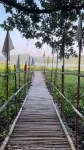
Walking and Exploration: Enjoy the park's accessible areas, walking paths and viewpoints.
Boating and other activities may not operate throughout the year, so check availability locally before planning your visit.
Best Time to Visit Diplai Beel
The cooler months from November to February are generally suitable for exploring the wetland. This period is particularly appealing to birdwatchers because migratory birds visit the region during winter. Early mornings are useful for observing bird activity and enjoying the quieter atmosphere. Weather and water levels can influence the experience during other seasons.
How to Reach Diplai Beel from Kokrajhar Town
By Road: Diplai Beel is approximately 22 km from Kokrajhar town. Visitors can hire a taxi or private vehicle for the journey, which may take around 30–45 minutes depending on road conditions. Local transport towards the Salkocha side may also be available.
By Train: Kokrajhar Railway Station is the nearest convenient railhead. From the station, taxis and other local vehicles can be hired to reach the wetland.
By Air: Lokpriya Gopinath Bordoloi International Airport in Guwahati is one of the major airport options for travellers. From there, visitors can continue to Kokrajhar by road or train before arranging local transport to Diplai Beel.
Food and Accommodation
There are limited dining options directly around the wetland. Kokrajhar town is the practical base for finding restaurants, local Bodo food, traditional meals and accommodation. Visitors planning a day trip should carry drinking water and light refreshments, and confirm their return transport in advance.
Travel Tips for Visitors
Carry binoculars if you enjoy birdwatching, wear comfortable footwear and follow park instructions. Do not feed wildlife, leave plastic waste or enter restricted wetland areas. Any applicable vehicle entry charges and activity fees should be confirmed with the park authorities, as rates and facilities may change.
Why Visit Diplai Beel?
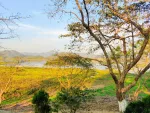
Diplai Beel offers a chance to experience the natural side of Kokrajhar beyond its town attractions. Its wetland scenery, seasonal birdlife and connection with the golden langur habitat make it an interesting destination for nature lovers, families and travellers exploring the Bodoland region of Assam.