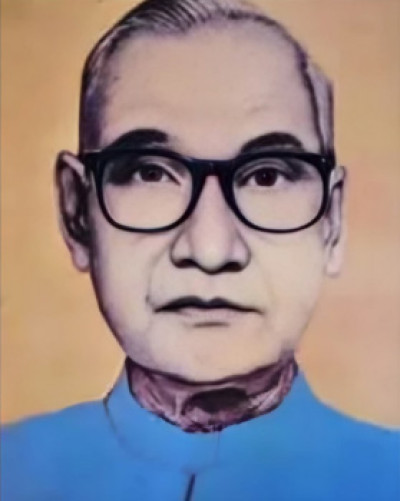
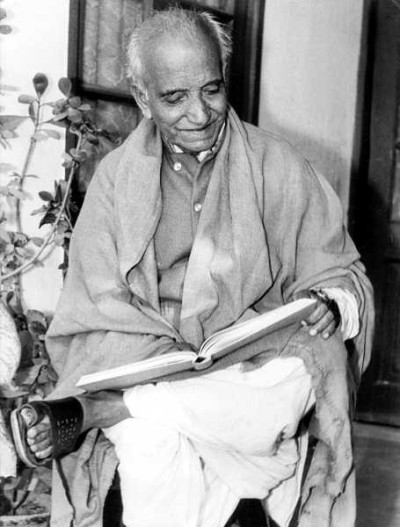
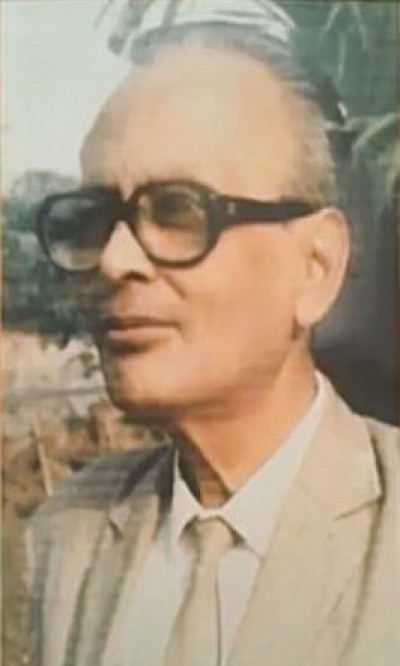
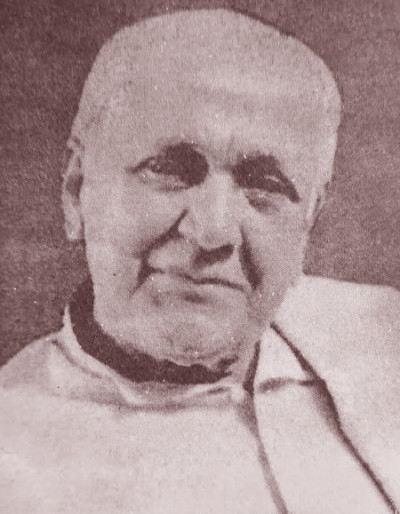
Life & Legacy
Early Life
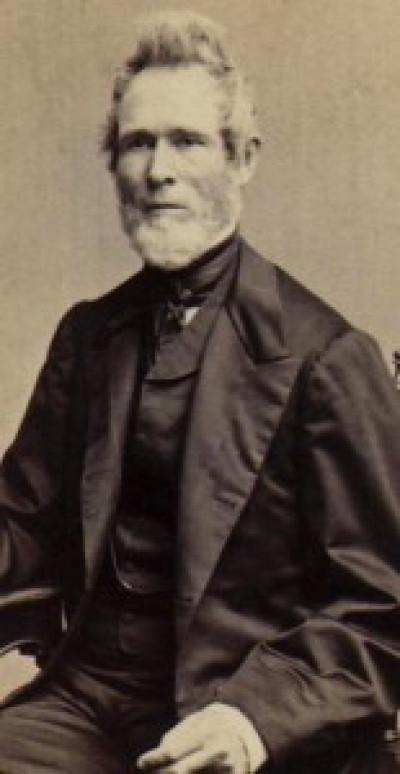
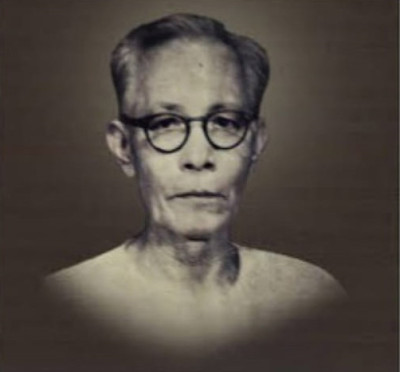
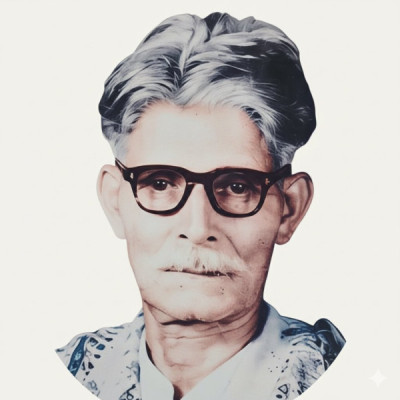
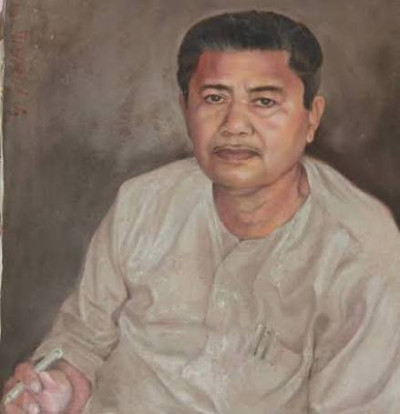
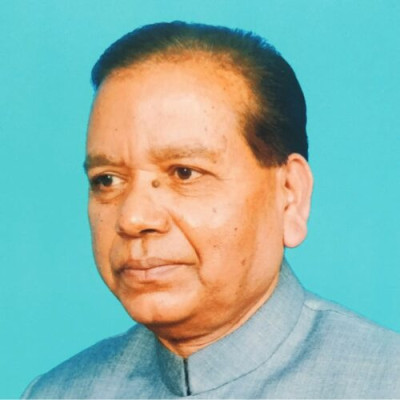
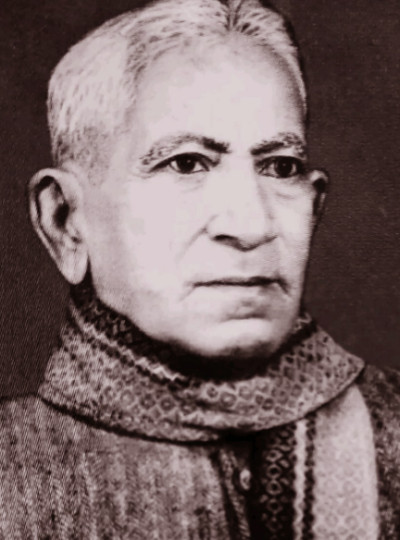
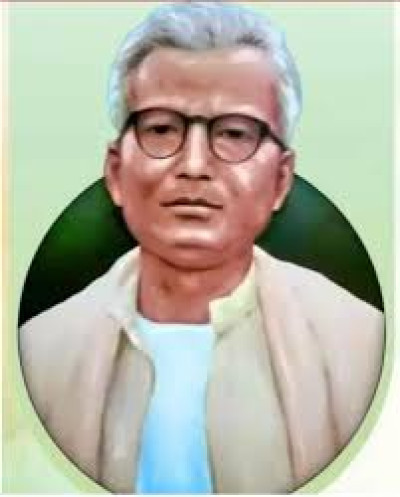
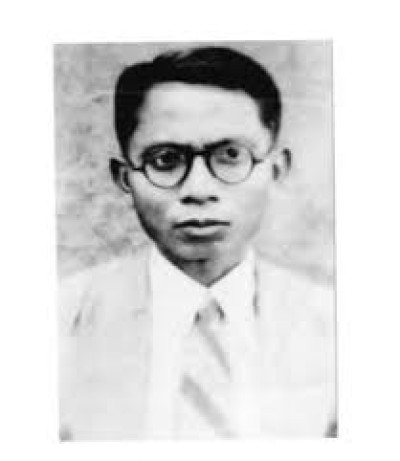
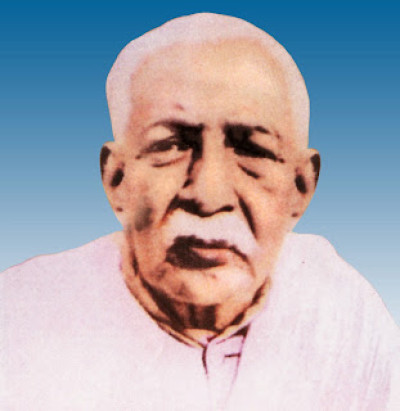
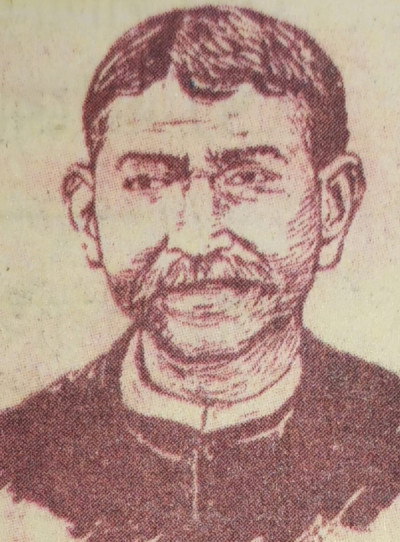
Sonaram Chutia was born on 8 June 1915 in Bam Kukurachowa village near Kakojan in present-day Jorhat district of Assam. His parents were Jagiram Chutia and Phuleswari Chutia. Raised in a family that valued education and moral principles, he displayed exceptional academic ability from a young age. His childhood was deeply influenced by Assamese traditions, village life and religious values, which later shaped his philosophy and public service.
Education
Sonaram Chutia began his education at Bam Kukurachowa Lower Primary School in 1922. He continued his studies at Kakajan Government Middle English School and later joined Jorhat Government Boys' School. In 1935, he passed the matriculation examination with distinction, securing letters in Mathematics, Advanced Mathematics, Assamese, Sanskrit and Mechanics. He then enrolled at Cotton College, where he completed his Bachelor of Science degree in 1939. Although he planned to pursue higher studies, the outbreak of World War II changed his career path, leading him into teaching and eventually public service.
Teaching Career and Public Service
After graduating, Sonaram Chutia joined Sivasagar Government Higher Secondary School as a science teacher. His commitment to education reflected his belief that knowledge was the foundation of social progress. However, inspired by the growing national movement for independence, he resigned from his teaching position in 1940 to join the Indian National Congress.
Following India's independence, he served in several administrative and educational positions, including Rural Development Officer, Block Development Officer, Principal of the Panchayati Raj Training Centre and Headmaster of Teok Rajabari High School. His work consistently focused on rural development, education and community welfare.
Role in India's Freedom Movement
Sonaram Chutia actively participated in the Quit India Movement of 1942 against British colonial rule. Because of his involvement in the freedom struggle, he was arrested by the British authorities and imprisoned in Jorhat Central Jail for more than two years. During his imprisonment, he came into close contact with several prominent leaders, including Gopinath Bordoloi, Fakhruddin Ali Ahmed and Pitambar Dev Goswami.
The experience strengthened his patriotic ideals and inspired him to dedicate his life to the service of society after his release. Even after leaving prison, he remained under house arrest for several months before resuming his public activities.
Spiritual Journey and Vaishnav Philosophy
A turning point in Sonaram Chutia's life came during his imprisonment when he developed a deep interest in the teachings of Srimanta Sankardev and Madhabdev. Influenced by Pitambar Dev Goswami, he devoted himself to studying the Vedas, Upanishads and Neo-Vaishnav philosophy.
In 1946, he formally joined the Srimanta Sankardev Sangha and began working as one of its dedicated propagators. His speeches, writings and guidance helped spread the teachings of Mahapurushiya Dharma throughout Assam. He believed that true religion should promote equality, compassion, discipline and service to humanity rather than social discrimination.
Leadership in Srimanta Sankardev Sangha
Sonaram Chutia became one of the most influential leaders of the Srimanta Sankardev Sangha. Between 1956 and 1978, he was elected President of the Sangha nine times, reflecting the immense respect he commanded within the organisation. After his retirement from government service in 1975, he devoted himself completely to religious and social work.
Later, he served as the Chief Advisor of the Sangha and played a major role in strengthening its educational, cultural and spiritual activities across Assam. Under his guidance, the organisation expanded its reach and continued promoting the inclusive teachings of Srimanta Sankardev.
Literary Contributions
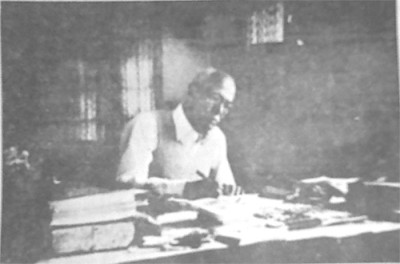
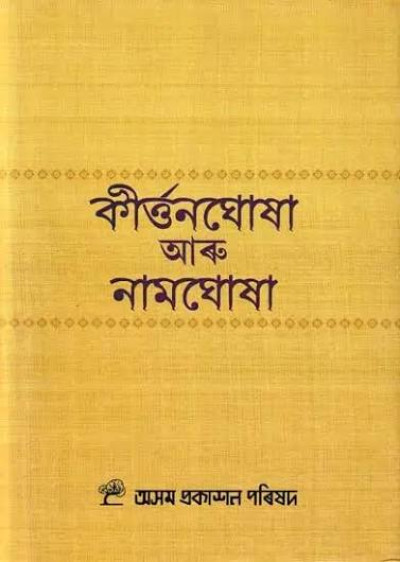
Vaishnav Pandit Sonaram Chutia was an accomplished author whose writings made the philosophy of Neo-Vaishnavism easier for ordinary readers to understand. His books combined religious knowledge with social awareness, encouraging readers to lead lives based on morality, devotion and humanity. His writings continue to serve as valuable references for students, researchers and followers of Srimanta Sankardev's teachings.
His first published book, Naam Dharma Prakash, appeared in 1954 and established him as a respected religious writer. Over the following decades, he authored numerous books and essays on Vaishnav philosophy, Assamese satras, religious traditions and spiritual values.
List of Books
- Naam Dharma Prakash (1954)
- Mahapurush Haridev Charit (1968)
- Axomor Vaisnav Darshanor Swarnarekha (1971)
- Bishodgaror Bichitra Kahani (1976)
- Mundan (1978)
- Mahapurushiya Dharma Aru Karmakanda
- Bhagawat Mahatyama
- Mahapurushiya Dharma Jigyassa
- Ved Aru Mahapushiya Dharma
- Bhakti Ratnawali (Annotated Edition)
- Huvor Okhodhi
- Ishwaror Sabbyabyapita
- Axomor Satra: Ek Anuhandhan (2003)
- Aami Bhagawanor Dakh (2003)
Besides these books, he also wrote more than forty essays on Assamese culture, Neo-Vaishnavism, philosophy and social reform. His literary works continue to inspire readers interested in Assam's religious and cultural heritage.
Social Reform and Public Service
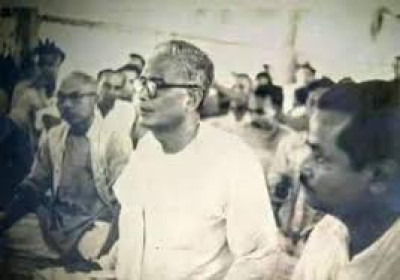
Sonaram Chutia strongly believed that religion should unite people instead of creating divisions. Throughout his life, he worked to eliminate social discrimination and encourage equality, compassion and mutual respect among different sections of society. His speeches inspired thousands of people to embrace the ideals of honesty, discipline and selfless service.
He also promoted education in rural Assam and encouraged young people to combine academic learning with moral values. His leadership in educational institutions and community organisations helped improve awareness about social responsibility and cultural preservation.
Awards and Recognition
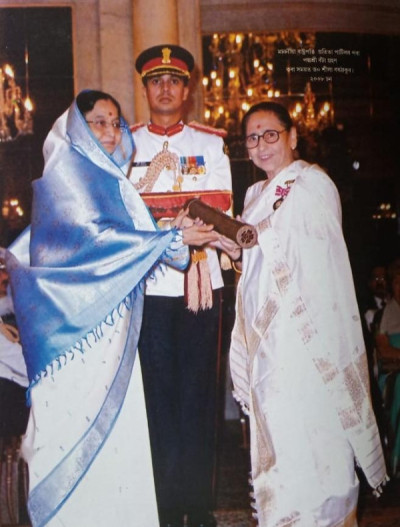
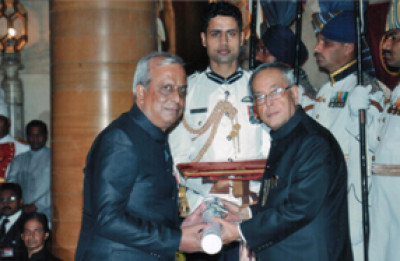
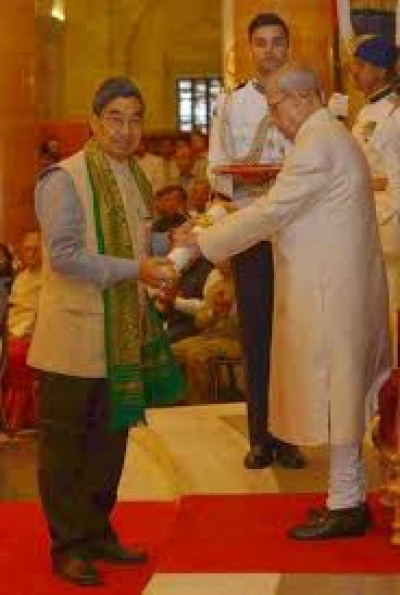
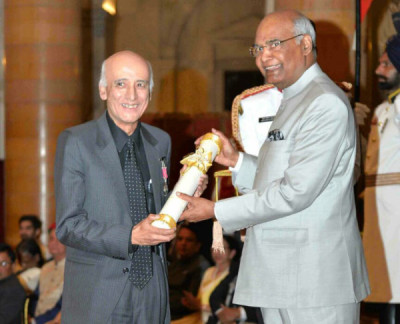
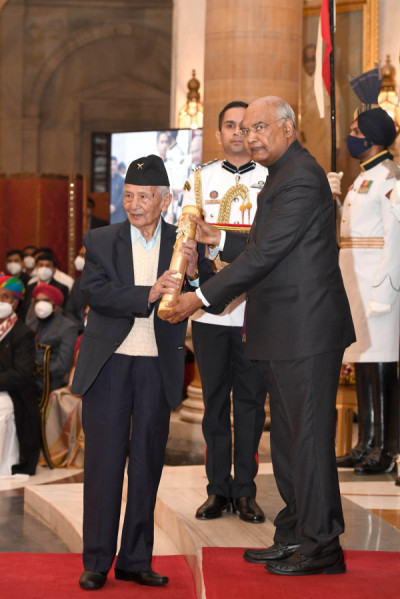
The remarkable contributions of Sonaram Chutia were recognised by both the Government of India and the Government of Assam, along with several cultural and religious organisations.
His major honours include:
- Freedom Fighter Recognition by the Government of India (1972)
- Freedom Fighter Recognition by the Government of Assam (1973)
- Srimanta Sankardev-Madhabdev Award (1994)
- Srimanta Sankardev Award by the Government of Assam (2000)
- Jorhat Ekalabya and Dalit Daradi Award (2005)
- Jorhat Ratna (2012)
- Honoured with the title "Vaishnav Pandit" by the Srimanta Sankardev Sangha for his outstanding scholarship in Neo-Vaishnav philosophy
These recognitions reflect his lifelong dedication to education, spirituality, literature and nation-building.
Achievements
Some of the major achievements of Vaishnav Pandit Sonaram Chutia include:
- Active participant in India's Freedom Movement and Quit India Movement.
- Imprisoned by the British for his role in the struggle for independence.
- Served as President of the Srimanta Sankardev Sangha on nine different occasions.
- Chief Advisor of the Srimanta Sankardev Sangha.
- Distinguished teacher, educationist and Headmaster.
- Rural Development Officer and Block Development Officer serving various parts of Assam.
- Authored numerous books on Neo-Vaishnav philosophy and Assamese culture.
- Played an important role in promoting the teachings of Srimanta Sankardev and Madhabdev.
- Inspired generations through religious discourses, social reform and educational service.
- Honoured by several government and cultural organisations for his lifelong contribution to Assam's society and culture.
Death
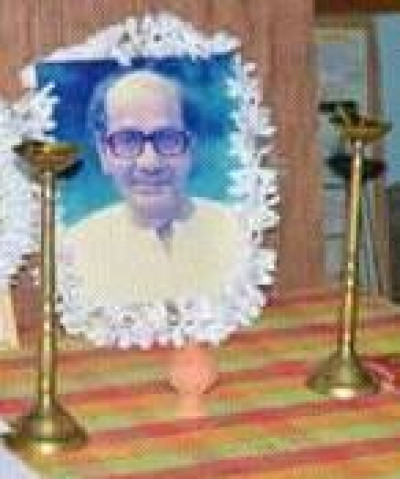
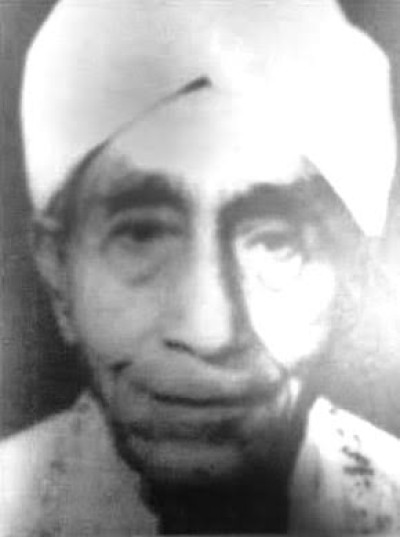
Vaishnav Pandit Sonaram Chutia passed away on 30 January 2013 at the age of 98 at Jorhat Medical College Hospital due to age-related health complications. His death marked the end of an extraordinary chapter in Assam's cultural, educational and spiritual history. People from different parts of the state, including scholars, freedom fighters, religious leaders, teachers and admirers, paid tribute to his lifelong service to society. His contributions continue to be remembered with deep respect by generations of Assamese people.
Legacy
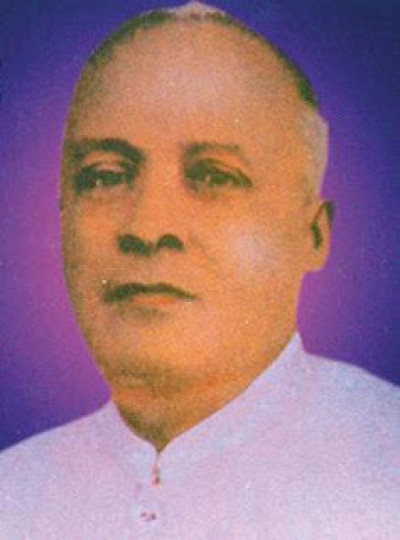
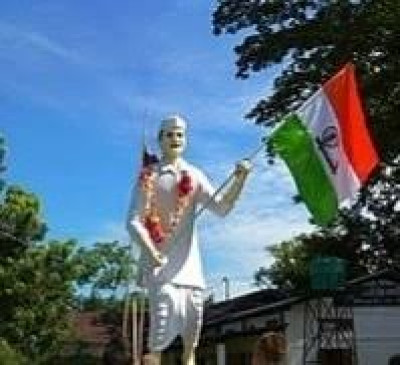
The legacy of Vaishnav Pandit Sonaram Chutia extends far beyond his books and public service. He is remembered as a fearless freedom fighter, an outstanding Vaishnav scholar, an inspiring teacher and a compassionate social reformer who dedicated his entire life to the welfare of society. His efforts to promote the teachings of Srimanta Sankardev helped preserve Assam's rich Neo-Vaishnav heritage for future generations.
His books continue to guide students, researchers and followers of Mahapurushiya Dharma, while his speeches and writings remain valuable sources of spiritual knowledge. The educational institutions, religious organisations and cultural groups associated with him still draw inspiration from his ideals of equality, honesty, devotion and humanity. His life serves as a timeless example of how knowledge, faith and patriotism can work together for the betterment of society.
FAQs on Vaishnav Pandit Sonaram Chutia