Life & Legacy
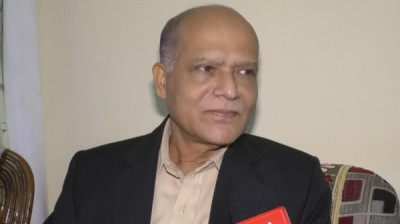
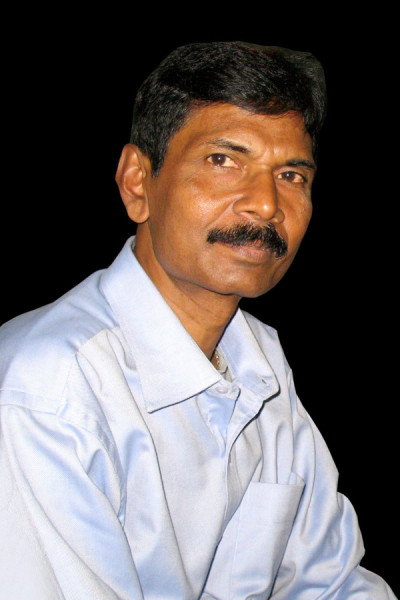
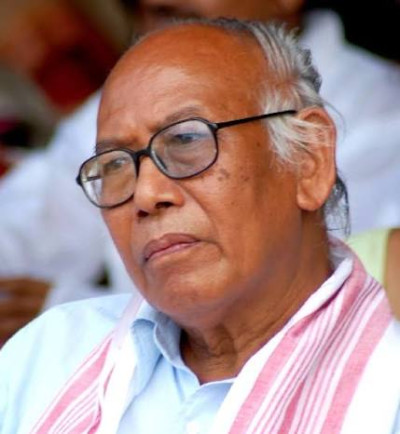
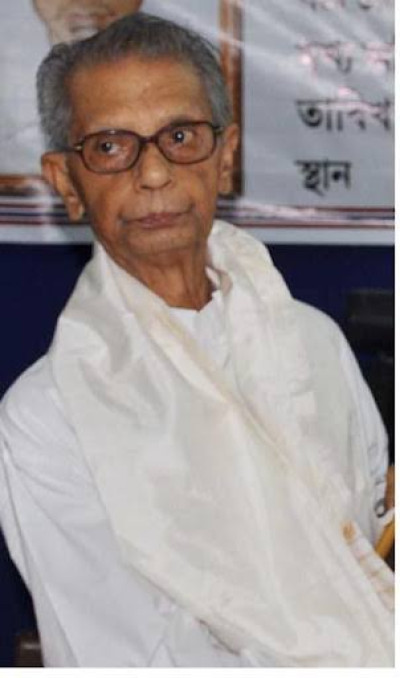
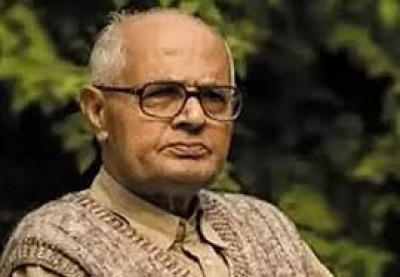
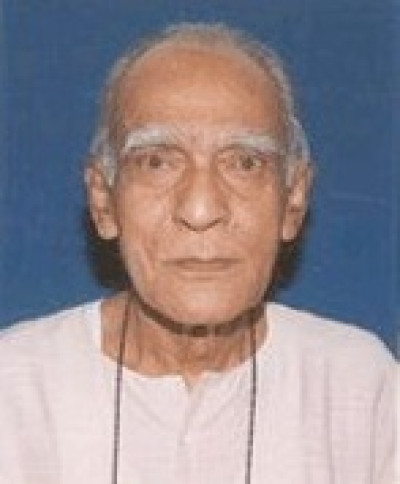
Born on 23 November 1933 at Dhai Ali in Sivasagar, Assam, Imran Shah grew up in an environment that encouraged education and cultural values. He was the youngest child of Muhammad Shah and Mariam Nessa. From an early age, he developed a deep interest in reading and writing. His childhood in historic Sivasagar, once the capital of the Ahom Kingdom, exposed him to Assam's rich cultural heritage, which later became an important influence on his literary works. His sensitivity towards people, society, and tradition gradually shaped his unique style of storytelling.
Early Life
Imran Shah spent his childhood in Sivasagar, where he completed his primary education at No. 2 Dhai Ali Primary School before joining Government High School, Sivasagar. Even during his school days, he displayed exceptional literary talent. Unlike many writers who begin publishing later in life, Imran Shah started writing poems and stories while still a student. His classmates and teachers quickly recognised his creativity, encouraging him to continue writing.
His first collection of poems, Banavashi, was published while he was studying in Class IX. The following year, while still in Class X, his first novel, Sangeetor Hkhipare, was published. These early achievements established him as a promising young literary talent in Assam and marked the beginning of an extraordinary literary journey.
Education
After completing his schooling, Imran Shah pursued higher education at Cotton College, Guwahati, where he studied in the Intermediate Science programme. He later completed his Bachelor of Arts degree from Sibsagar College in 1958. Driven by his passion for literature and language, he earned a Master of Arts (M.A.) in Assamese from Gauhati University.
His academic background provided him with a strong foundation in Assamese language, literary criticism, and cultural studies. The knowledge he gained during his university years significantly influenced his future career as a teacher, scholar, editor, and author.
Career in Education
Imran Shah began his professional career as a temporary teacher at Konwarpur High School in Sivasagar. After completing his postgraduate studies, he joined Gargaon College as a lecturer in Assamese in 1962. His dedication to teaching and academic excellence soon earned him recognition among students and colleagues.
A year later, he joined Sibsagar College as a lecturer in the Department of Assamese. Over the years, he became one of the institution's most respected faculty members and eventually retired in 1993 as the Head of the Department of Assamese. Throughout his teaching career, he inspired thousands of students by encouraging them to appreciate Assamese literature, language, and culture.
Even after retirement, his commitment to education remained unchanged. He established Arunudoi College near his hometown and served as its principal, continuing his mission of promoting quality education among young learners.
Literary Journey
Imran Shah's literary career spans more than seventy years, making him one of the most prolific writers in Assamese literature. He has written novels, poetry, short stories, essays, biographies, literary criticism, translations, and edited numerous anthologies. His writings often explore human emotions, social change, history, morality, culture, and the evolving identity of Assamese society.
Apart from writing under his own name, he also used several pen names, including Ishan Dutta, Anamika Baruah, Kumbhakarna, and Animesh Baruah. These pseudonyms allowed him to experiment with different literary styles while reaching diverse groups of readers.
His first published short story, Aparicheeta, appeared in 1958 and received appreciation from literary critics. Over the decades, he established himself as one of Assam's finest storytellers, admired for his simple yet powerful language, memorable characters, and insightful portrayal of everyday life.
His literary contributions extend beyond original writing. As an editor, translator, and literary organiser, he has played a significant role in preserving and promoting Assamese literature, ensuring that the language continues to thrive among future generations.
Contribution to Assamese Literature
Imran Shah occupies a unique position in Assamese literature because of the diversity and depth of his writings. Throughout his career, he has written novels, poetry, essays, short stories, biographies, translations, and literary criticism. His works reflect the emotions, aspirations, traditions, and social realities of Assamese society while maintaining high literary standards. Readers appreciate his ability to portray ordinary people and their struggles with honesty and compassion.
His novels often examine changing social values, relationships, rural life, cultural identity, and psychological conflicts. At the same time, his poems express human emotions, nature, philosophy, and reflections on life. This versatility has earned him immense respect among readers, scholars, and fellow writers.
Apart from creative writing, Imran Shah has translated several important literary works into Assamese, allowing readers to experience world literature in their own language. His editorial work has also helped preserve many valuable Assamese literary creations for future generations.
Editorial Contributions
Imran Shah has made significant contributions as an editor, helping document and promote Assamese literary heritage. He edited important anthologies such as Bosoror Galpa and Kalantoror Kothokotha, which brought together notable Assamese short stories from different periods.
His editorial work not only introduced readers to outstanding literary pieces but also preserved the evolution of Assamese fiction for researchers, students, and literature enthusiasts. Through these publications, he encouraged young writers while strengthening the foundation of modern Assamese literature.
Leadership in Asam Sahitya Sabha
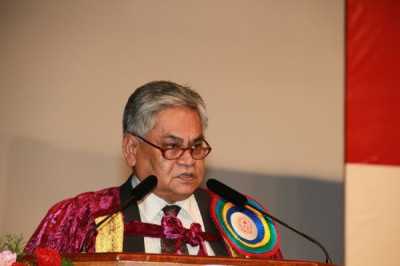
One of the most significant milestones in Imran Shah's literary career came when he was elected President of Asam Sahitya Sabha for the 2013-2015 term. Asam Sahitya Sabha is the premier literary organisation dedicated to the promotion and development of Assamese language and literature.
During his tenure, he actively encouraged literary discussions, supported young writers, promoted Assamese publications, and emphasized the preservation of Assam's linguistic and cultural heritage. His leadership further strengthened his reputation as one of the state's most influential literary personalities.
Works Adapted for Radio and Cinema
Imran Shah's literary works have successfully crossed the boundaries of books and reached audiences through radio and cinema.
His novel Jabanbandi was adapted into a radio programme by All India Radio, Dibrugarh, introducing his storytelling to thousands of listeners across Assam.
Another major achievement came when his novel Rajanigandha was adapted into the Assamese feature film Rasmirekha, released in 1973. The successful film adaptation demonstrated the emotional depth and cinematic appeal of his writing while bringing his stories to an even wider audience.
Writing Style and Literary Themes
One of the defining characteristics of Imran Shah's writing is its simplicity combined with emotional depth. Rather than relying on complicated language, he presents powerful ideas through natural storytelling that resonates with readers of all ages.
His literary works frequently explore themes such as:
- Human emotions and relationships.
- Assamese society and cultural identity.
- Rural life and changing social values.
- History and tradition.
- Education and moral values.
- Love, sacrifice, hope, and humanity.
- Psychological conflicts and personal growth.
His balanced storytelling and realistic characters have made his books timeless classics in Assamese literature.
Major Achievements
Some of Imran Shah's most notable achievements include:
- Published his first poetry collection while studying in Class IX.
- Published his first novel while studying in Class X.
- Authored more than nineteen novels along with numerous poetry collections, essays, short stories, biographies, and translations.
- Used multiple pen names including Ishan Dutta, Anamika Baruah, Kumbhakarna, and Animesh Baruah.
- Served as Head of the Assamese Department at Sibsagar College.
- Founded Arunudoi College after retirement and served as its principal.
- Edited several important Assamese literary anthologies.
- Served as President of Asam Sahitya Sabha (2013-2015).
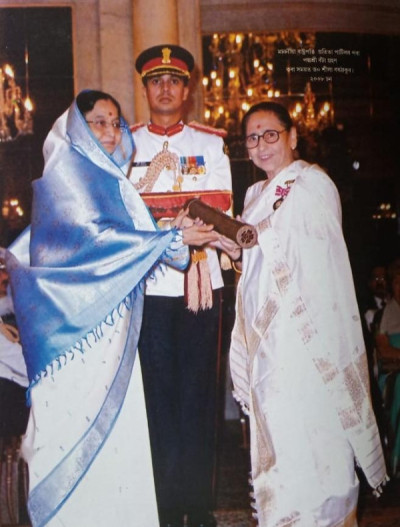
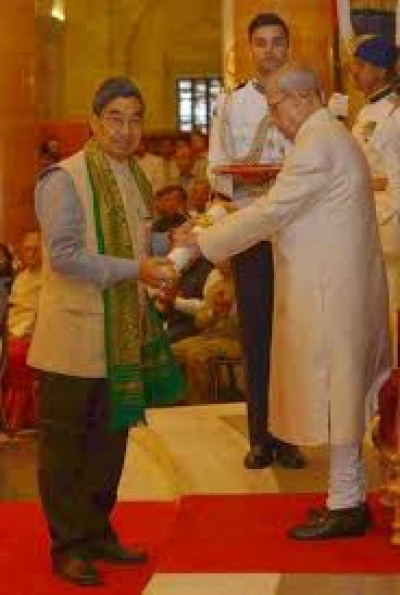
- Received the Padma Shri in recognition of his lifelong contribution to literature and education.
- Continues to be regarded as one of the finest living literary figures of Assam.
Influence on Assamese Society
Imran Shah's contribution extends far beyond literature. Through his books, teaching career, and literary leadership, he has inspired generations of students, writers, researchers, and readers. His writings preserve Assamese language, culture, and traditions while encouraging social awareness and intellectual growth.
His works are frequently studied in educational institutions and literary circles because they provide valuable insights into Assamese society and its evolving cultural identity. His lifelong dedication has made him an enduring symbol of literary excellence in Assam.
Awards and Recognition
Imran Shah has received numerous prestigious honours for his exceptional contribution to Assamese literature, education, and cultural preservation. His writings have influenced generations of readers and strengthened the foundation of modern Assamese literature. His major awards and recognitions include:
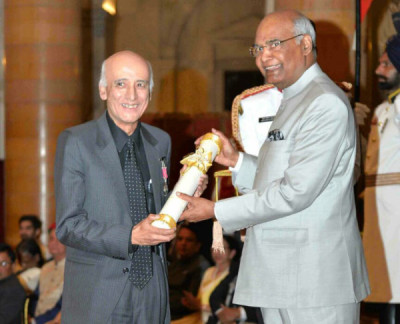
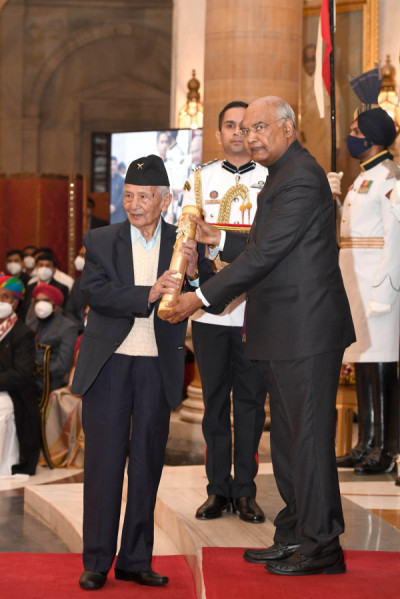
- Padma Shri (2021), India's fourth-highest civilian honour, for contributions to Literature and Education.
- Assam Valley Literary Award (2009).
- Ajan Peer Award (2008) presented by the Government of Assam.
- Sahityarathi Lakshminath Bezbarua Award (2022).
- Syed Abdul Malik Award.
- Rangpur Gaurav Award.
- Bor Asom Samannoy Award.
- Sabdwa Sahitya Award.
- Elected President of Asam Sahitya Sabha (2013-2015).
- Honoured by numerous literary and cultural organisations for his lifelong contribution to Assamese language and literature.
These recognitions reflect his outstanding influence as a writer, scholar, teacher, editor, and cultural ambassador of Assam.
Books Written by Imran Shah
Imran Shah has written a large number of books covering novels, poetry, short stories, essays, biographies, translations, and edited volumes.
Poetry
- Banavashi
- Nisanga Dhusar
- Dhou Bhangi Dhou
- Ishan Duttar Nirbachito Kabita
- Bandi Bihonggome Kaande
- Patheek
- Piyamukh Chanda
- Poora Maatir Malita
- Sparsharekha
Novels
- Sangeetor Hkhipare
- Kranti Rekha
- Bondho Duwar
- Jabanbandi
- Barnali
- Kavi Pulish
- Sagarikaa
- Tansen
- Tathapi Sagar
- Banjyotshna
Short Stories and Prose
- Aparicheeta
- Mur Phulanir Phool
- Kukuhaa
- Ityaadi
- Imran Shahor Nirbachito Galpa
- Xoru Xoru Kotha
Essays and Biography
- Asomiya Sanskritiloi Musalmanor Avadaan
- Vishwa Bandhu
Translated Works
- Kreetodasor Hahi
- Inkilaab
- Junakor Chobi
Edited Books
- Bosoror Galpa
- Kalantoror Kothokotha
Several of these works have become important references in Assamese literature and continue to be studied by students and researchers.
Legacy
Imran Shah is regarded as one of the greatest living literary figures of Assam. His remarkable journey from a young schoolboy publishing poems to becoming a Padma Shri awardee reflects his extraordinary dedication to literature and education. Throughout his career, he has preserved the richness of the Assamese language while inspiring countless writers, readers, teachers, and students.
As a novelist, poet, editor, translator, educationist, and literary leader, he has contributed immensely to the growth of Assamese literature. His books continue to remain relevant because they portray human emotions, cultural values, social transformation, and the everyday lives of Assamese people with remarkable sensitivity.
His leadership as President of Asam Sahitya Sabha further strengthened literary activities across Assam and encouraged young writers to contribute to regional literature. Even today, his writings remain an important part of Assamese literary studies and continue to inspire new generations.
Because of his lifelong commitment to literature, education, and Assamese culture, Imran Shah occupies a permanent place among the most influential literary personalities in the history of Assam.
FAQs on Imran Shah