Life & Legacy
Early Life
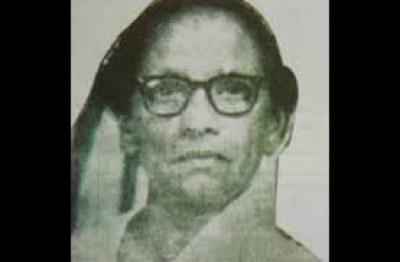
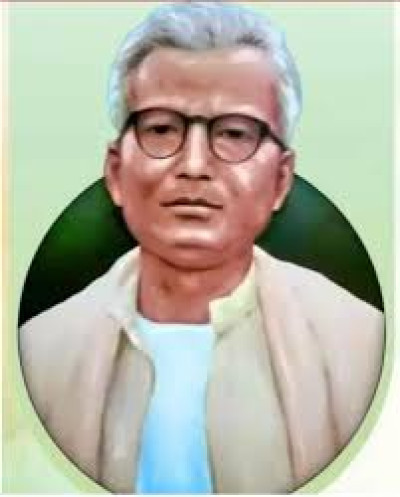
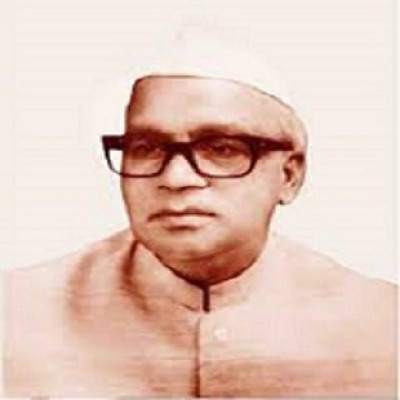
The exact date of birth of Piyoli Phukan is not recorded in historical documents, but he belonged to an influential Ahom aristocratic family of Upper Assam. He was the son of Badan Borphukan, a controversial Ahom noble whose political decisions during the Burmese invasions indirectly contributed to the arrival of British rule in Assam. Despite this family background, Piyoli Phukan devoted his life to protecting the sovereignty of Assam and opposing foreign domination.
Historical accounts mention that he suffered from physical disability, yet this never weakened his courage or leadership. Instead, he emerged as a determined leader who believed that Assam deserved self-rule rather than colonial administration.
Historical Background
Following the First Anglo-Burmese War, the Treaty of Yandabu was signed on 24 February 1826. Under this treaty, Assam came under the control of the British East India Company. Many Assamese nobles expected that the British would eventually restore Ahom rule after removing the Burmese forces. However, these expectations were soon shattered as the British established direct colonial administration across the region.
The introduction of new taxation systems, changes in administration, and the decline of traditional Ahom authority created widespread dissatisfaction among the people. This political situation encouraged several patriotic leaders to organize resistance against British rule, and Piyoli Phukan became one of the most prominent among them.
Leadership in the Anti-British Movement
After the capture of Gomdhar Konwar, another early Assamese revolutionary, Piyoli Phukan assumed a leading role in organizing resistance against the British administration. He worked closely with several prominent Assamese nobles and freedom fighters who believed that the independence of Assam could only be restored through united action.
His movement attracted support from different communities, including Ahoms, Khamtis, Nagas, Chutiyas, Mataks, Morans, Kacharis and other local groups. This broad alliance demonstrated his ability to unite people from diverse backgrounds under a common goal of ending British rule.
Piyoli Phukan believed that careful planning and cooperation were essential for success. Secret meetings were held, communication networks were established, and preparations were made to launch coordinated attacks on British establishments. His leadership reflected courage, discipline and a strong sense of responsibility toward his homeland.
Planning the Armed Rebellion
The revolutionary movement led by Piyoli Phukan was among the earliest organized armed resistance movements in Assam against British colonial rule. The rebels secretly collected weapons, trained volunteers, and prepared strategic plans to attack important British military locations.
One of their principal objectives was to destroy British arms depots and weaken the colonial administration before launching a larger campaign to restore indigenous rule. Local supporters assisted the movement by providing food, shelter, intelligence and logistical support.
The revolutionary network extended across different parts of Upper Assam, making it one of the most significant resistance efforts during the early years of British occupation. Unfortunately, before the entire plan could be successfully implemented, confidential information about the conspiracy reached British authorities through informers, placing the entire movement in serious danger.
The Attack on British Forces
Despite increasing risks, Piyoli Phukan and his companions launched attacks on British military positions around Rangpur and nearby areas. Their objective was to damage British military resources and demonstrate that Assamese patriots would not accept colonial domination without resistance.
The rebels reportedly attacked British arms storage facilities and attempted to destroy military supplies. Fierce fighting followed as British forces responded with reinforcements. Although the revolutionaries displayed remarkable bravery, they faced a much larger and better-equipped colonial army.
The failure of some planned operations and the betrayal of confidential information allowed the British to gain the upper hand. Several revolutionaries were killed during the conflict, while others were forced to retreat. Eventually, Piyoli Phukan was arrested after the rebellion was brought under British control.
Arrest and Trial
Following his capture, Piyoli Phukan was brought before British authorities and charged with treason for organizing armed rebellion against the East India Company. The colonial administration conducted a public trial intended to discourage further resistance among the people of Assam.
Throughout the proceedings, Piyoli Phukan remained firm in his commitment to the cause of his homeland. Rather than expressing regret, he became a symbol of courage and patriotism. The British eventually sentenced him to death, believing that his execution would suppress future uprisings.
Instead, his courage during the trial strengthened his reputation among the people of Assam, who regarded him as a fearless patriot willing to sacrifice everything for freedom.
Execution and Martyrdom
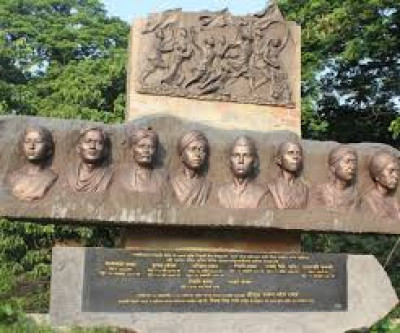
Piyoli Phukan was publicly executed by hanging in Sivasagar in 1830 after being convicted by the British authorities. His execution marked one of the earliest recorded sacrifices made by an Assamese revolutionary in the struggle against British rule. Even though his rebellion was unsuccessful, his martyrdom awakened patriotic feelings among the people of Assam and demonstrated that resistance against colonial oppression had begun much earlier than the nationwide revolt of 1857.
His sacrifice became a powerful reminder that freedom often demands extraordinary courage and personal sacrifice. Today, Piyoli Phukan is widely honoured as one of Assam's first freedom martyrs, and his story continues to inspire students, historians and citizens across the state.
Contribution to India's Freedom Movement
Although Piyoli Phukan did not witness India's eventual independence, his contribution occupies an important place in the history of the Indian freedom movement. His rebellion represented one of the earliest organized attempts to overthrow British authority in Northeast India.
Some of his major contributions include:
- Led one of the earliest organized armed revolts against British rule in Assam.
- Worked to restore indigenous governance after the Treaty of Yandabu.
- United different communities of Assam against colonial administration.
- Planned strategic attacks on British military establishments.
- Inspired future generations of Assamese freedom fighters.
- Became one of the earliest martyrs of the anti-British movement in Northeast India.
- Established a legacy of courage, patriotism and sacrifice that remains relevant today.
Legacy
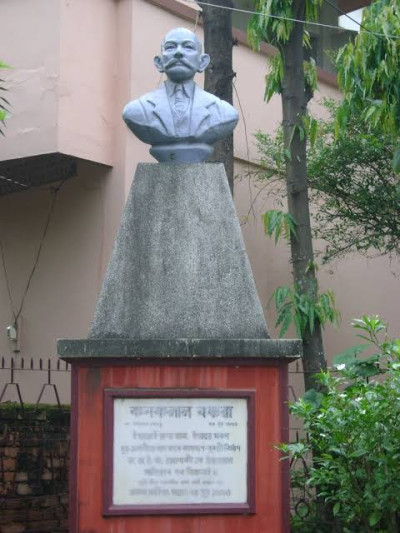
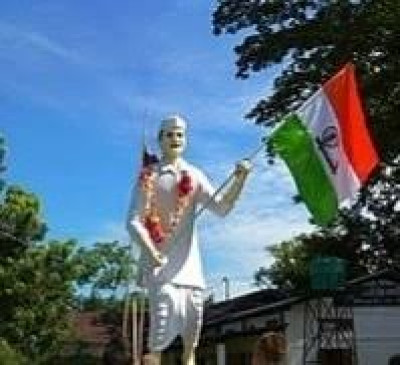
More than a century after his execution, Piyoli Phukan continues to be remembered as one of Assam's greatest patriots. Schools, educational institutions, roads, cultural programmes and historical writings frequently commemorate his sacrifice and contribution to the freedom movement.
His life reminds people that true patriotism is measured not by personal gain but by dedication to one's nation and willingness to fight injustice. His courage encouraged future generations of Assamese leaders to continue the struggle for self-rule and preserve the cultural identity of Assam.
Historians regard him as one of the earliest revolutionaries who challenged colonial authority through organized resistance. His sacrifice occupies a respected place alongside other pioneers of India's independence movement.
Piyoli Phukan in Assamese Literature and Cinema
The story of Piyoli Phukan has inspired writers, historians and filmmakers for decades. His heroic life became widely known through the acclaimed Assamese film Piyoli Phukan, directed by Phani Sharma and released in 1955. The film achieved historic recognition by becoming the first Assamese film to receive a National Film Award (Certificate of Merit).
One of the film's most memorable features is the patriotic song "Tejore Kamalapati", sung by the legendary Dr. Bhupen Hazarika. The song continues to evoke deep emotions among Assamese audiences and remains closely associated with the spirit of sacrifice and patriotism represented by Piyoli Phukan.
Numerous books, historical articles and academic studies also discuss his contribution, ensuring that his legacy remains an important part of Assam's historical consciousness.
Historical Significance
Piyoli Phukan occupies a unique position in Assamese history because his struggle occurred only a few years after British occupation began. At a time when colonial authority was still expanding, he displayed extraordinary determination by organizing armed resistance despite limited resources.
His movement demonstrated that the desire for freedom existed strongly among the people of Assam from the very beginning of British rule. Modern historians recognise his rebellion as one of the earliest expressions of organized anti-colonial resistance in Northeast India.
Although his immediate objective of ending British rule could not be achieved, the ideals he represented continued to influence later generations of freedom fighters who eventually contributed to India's independence in 1947.
Death
Piyoli Phukan was executed by hanging in 1830 at Sivasagar after being convicted of treason by the British administration for leading an armed rebellion. His execution transformed him into one of Assam's earliest freedom martyrs. Every year, historians, educational institutions and cultural organisations remember his sacrifice and honour his immense contribution to Assam's history and India's freedom struggle.
FAQs on Piyoli Phukan
1. Who was Piyoli Phukan?
Piyoli Phukan was one of the earliest freedom fighters from Assam who led an armed resistance against the British East India Company after the Treaty of Yandabu. He is remembered as one of Assam's first martyrs in the struggle for India's independence.
2. Why is Piyoli Phukan famous?
Piyoli Phukan is famous for organizing one of the earliest anti-British rebellions in Assam during the early nineteenth century. His courage and sacrifice made him a symbol of Assamese patriotism.
3. When was Piyoli Phukan executed?
Piyoli Phukan was executed by the British in 1830 after being convicted of leading an armed rebellion against colonial rule.
4. Where was Piyoli Phukan executed?
Historical records state that Piyoli Phukan was publicly executed in Sivasagar, Assam, following his trial by British authorities.
5. What was the objective of Piyoli Phukan's rebellion?
The primary objective of his rebellion was to overthrow British rule in Assam, restore indigenous governance and protect the sovereignty of the region.
6. What was the Treaty of Yandabu and how did it affect Assam?
The Treaty of Yandabu, signed in 1826 after the First Anglo-Burmese War, transferred Assam to the British East India Company, marking the beginning of British colonial rule in the region.
7. Was Piyoli Phukan physically disabled?
Yes. Historical accounts mention that Piyoli Phukan had a physical disability, but it never prevented him from leading one of the earliest resistance movements against British rule in Assam.
8. Was a film made on the life of Piyoli Phukan?
Yes. The Assamese film Piyoli Phukan, directed by Phani Sharma and released in 1955, was based on his life. It became the first Assamese film to receive a National Film Award.
9. Did Piyoli Phukan write any books?
No. There are no verified historical records confirming that Piyoli Phukan wrote any books or literary works.
10. Why is Piyoli Phukan remembered today?
Piyoli Phukan is remembered for his extraordinary courage, leadership and supreme sacrifice against British colonial rule. His life continues to inspire generations and occupies an important place in the history of Assam and India's freedom movement.