Life & Legacy
Early Life
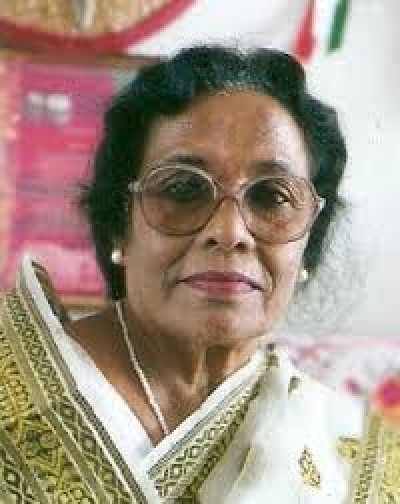
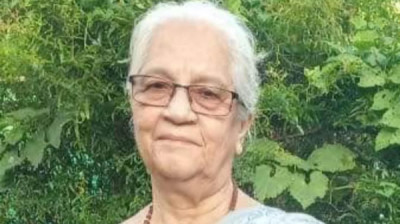
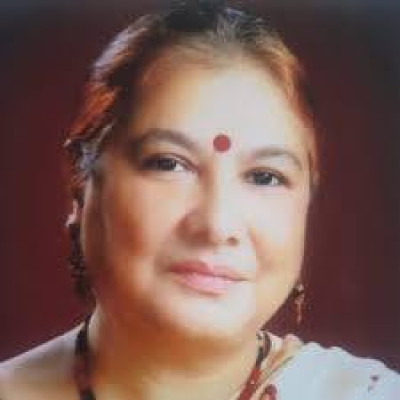
Pratima Barua Pandey was born on 3 October 1934 in Kolkata into the royal family of Gauripur in present-day Dhubri district, Assam. Her father, Prakritish Chandra Barua, affectionately known as Lalji, played an important role in nurturing her love for music and the traditions of rural Assam. Although she belonged to a royal household, Pratima Barua Pandey remained closely connected with ordinary people, especially the mahouts, boatmen, farmers, and villagers whose songs later became the foundation of her musical career.
She received her early education at Gokhale Memorial School in Kolkata before continuing her studies at Girls' High School in Gauripur. During her school years, she learned Rabindra Sangeet, but she never received formal training in Goalpariya folk music. Instead, she carefully listened to traditional songs sung by elephant mahouts, cattle herders, and rural communities, preserving their original style and emotional depth.
Musical Journey
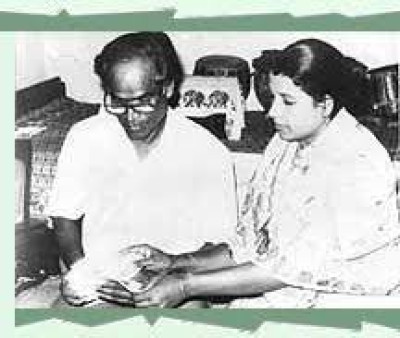
A defining moment in her career came in 1955 when Dr. Bhupen Hazarika visited Gauripur and heard her perform traditional Goalpariya folk songs at a local cultural gathering. Deeply impressed by her natural voice and authenticity, he encouraged her to continue singing these regional melodies and predicted that she would introduce Goalpariya folk music to audiences across India.
With his support, her songs were later featured in the Assamese film Era Bator Sur, bringing Goalpariya music into mainstream Assamese culture. Her performances on All India Radio, Guwahati, further increased her popularity and helped preserve a musical tradition that was slowly disappearing. Despite initial hesitation because of the regional dialect, listeners soon embraced her songs for their simplicity, emotional expression, and deep connection with rural life.
Over the following decades, she travelled extensively across India, performing in Assam, West Bengal, Bihar, Rajasthan, Delhi, Goa, Jammu and Kashmir, Uttar Pradesh, Arunachal Pradesh, Sikkim, Tripura, Manipur, and several other states. Her performances introduced thousands of people to the rich folk heritage of western Assam.
Contribution to Goalpariya Folk Music
Pratima Barua Pandey is regarded as the greatest ambassador of Goalpariya Lokgeet. She transformed songs traditionally sung by mahouts, fishermen, boatmen, and villagers into respected stage performances while preserving their original melodies and cultural identity.
Her music reflected the everyday lives, struggles, emotions, and aspirations of rural communities living along the rivers and forests of lower Assam. Rather than modernizing these songs, she retained their authenticity, allowing audiences to experience the true spirit of Goalpariya culture.
She also popularized traditional musical instruments such as the dotara, dhol, dhuluki, darinda, bashi, and junuka. Through her dedication, Goalpariya folk songs gained recognition not only across Assam but also in West Bengal, Bangladesh, Nepal, and other neighbouring regions where similar cultural traditions existed.
Popular Songs
Some of her most admired songs include:
- Hastir Kanya
- O Mor Mahut Bandhure
- Aaji Danrao Kala
- Afnla Kadamer Tale
- Bail Machhe Kheil Kare
- Dhick Dhick
- Dui Diner Bhalobasha
- Dung Nori Dung
- Ek Bar Hari Bolo Rasona
- Komola Sundori Nache
- Matir Manush
- Matir Pinjira
- O Birikha
- O Pare Kamrangar Gachh
- O Shyam Kaliya Re
- Sonar Chand Chandre
- We Are in the Same Boat, Brother
Achievements
Pratima Barua Pandey made an extraordinary contribution to preserving the folk heritage of Assam.
Her major achievements include:
- Revived and popularized Goalpariya folk songs across India.
- Introduced traditional rural music to urban and national audiences.
- Recorded hundreds of Goalpariya folk songs for All India Radio.
- Helped preserve the musical traditions of the Rajbanshi and Goalpariya communities.
- Inspired future generations of Assamese folk singers.
- Performed at numerous national cultural festivals and prestigious musical events.
- Promoted Assamese folk culture internationally through concerts and recordings.
- Became one of the most respected female folk artists from Northeast India.
Awards and Recognition
Pratima Barua Pandey received numerous honours for her outstanding contribution to Indian folk music.
Some of her major awards include:
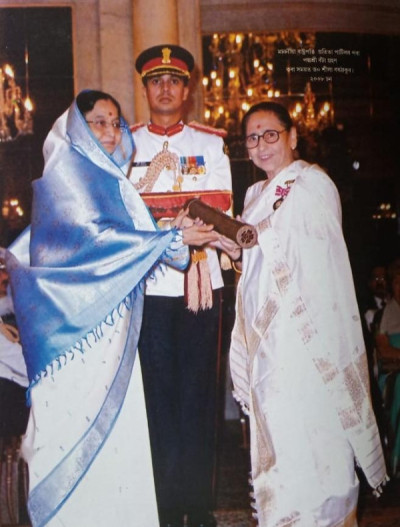
- Padma Shri by the Government of India.
- Sangeet Natak Akademi Award.
- Assam Silpi Divas Award.
- Bishnu Rabha Award.
- Joymoti Award.
- Honorary D.Litt. from the University of North Bengal.
- Recognition from Rabindra Bharati University.
- Numerous state and national honours for preserving Goalpariya folk traditions.
Personal Life
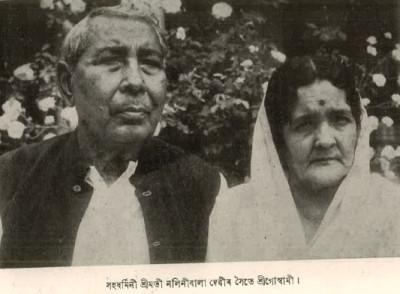
Pratima Barua Pandey married Gauri Shankar Pandey, who served as the Principal of Gauripur P.B. College. Despite belonging to an influential family, she led a simple life dedicated to music and culture. Her daughters also remained associated with the preservation of Goalpariya musical traditions, continuing the family's cultural legacy.
Death
Pratima Barua Pandey passed away on 27 December 2002 at GNRC Hospital in Guwahati. Her death was mourned throughout Assam, with thousands of admirers paying their final respects. Even today, she is remembered as one of the greatest voices in the history of Assamese folk music.
Legacy
Pratima Barua Pandey's contribution to Assamese culture extends far beyond her songs. She transformed Goalpariya folk music into a respected cultural identity and ensured that centuries-old traditions remained alive for future generations. Her life has been documented in the National Award-winning documentary Hastir Kanya, while the Assamese feature film Sonar Baran Pakhi was inspired by her remarkable journey. Today, music schools, researchers, and folk artists continue to study and perform her songs, making her an enduring symbol of Assam's rich musical heritage. Through her timeless voice and dedication to preserving traditional music, Pratima Barua Pandey remains one of the most influential cultural icons in the history of Assam
Books Written by Pratima Barua Pandey
Although Pratima Barua Pandey is primarily remembered as a legendary folk singer, she also documented and preserved the rich tradition of Goalpariya folk music through her writings. Some of her notable publications include:
- Hasti Kanyar Gaan
- Goalpariya Lokageet (Collection of Goalpariya Folk Songs)
- Goalpariya Lok Sangeet (Compilation and Documentation)
- Folk songs and research articles published in Assamese cultural journals
- Various essays and writings on Goalpariya culture and folk traditions
Her publications continue to serve as valuable references for researchers, musicians, and students interested in the folk heritage of Assam.
Documentary and Film Based on Her Life
Pratima Barua Pandey's remarkable life and contribution to Assamese folk music have inspired both documentary and feature films.
Hastir Kanya (1997)
Directed by acclaimed filmmaker Prabin Hazarika, the documentary Hastir Kanya chronicles her life, musical journey, and dedication to preserving Goalpariya folk songs. The film received the National Film Award for Best Biographical Film and was also screened at the South Asian Film Festival, earning widespread appreciation.
Sonar Baran Pakhi (2016)
Directed by Bobby Sarma Baruah, Sonar Baran Pakhi is a feature film inspired by the life of Pratima Barua Pandey. The film portrays her struggles, achievements, and lifelong commitment to preserving Assam's folk traditions while introducing her inspiring story to a new generation.
Cultural Legacy
Pratima Barua Pandey is widely regarded as the "Queen of Goalpariya Folk Songs." Her music preserved a priceless cultural tradition that may otherwise have disappeared with time. She gave dignity and recognition to the songs of mahouts, boatmen, farmers, and ordinary rural people, transforming them into an important part of Assam's cultural identity.
Her voice carried the emotions, language, and lifestyle of western Assam to audiences across India. Even decades after her passing, her songs continue to be performed at cultural festivals, educational institutions, radio programmes, and folk music concerts.
The annual Pratima Barua Pandey Memorial Award and various commemorative programmes celebrate her contribution to Assamese folk music. Her recordings remain valuable archives for researchers, musicians, and lovers of traditional music.
Influence on Assamese Folk Music
Pratima Barua Pandey inspired countless singers and researchers to preserve indigenous musical traditions. She proved that folk music could achieve national recognition without losing its authenticity.
Her work encouraged younger generations to appreciate regional languages, traditional instruments, and rural storytelling through music. Today, Goalpariya Lokgeet enjoys recognition across India largely because of her lifelong dedication.
Interesting Facts
- Born into the royal family of Gauripur, she chose to dedicate her life to preserving the songs of ordinary villagers.
- She never received formal training in Goalpariya folk music.
- Dr. Bhupen Hazarika played an important role in introducing her music to a wider audience.
- She performed more than 300 Goalpariya folk songs for All India Radio.
- She sang in Assamese, Goalpariya, Bengali, Hindi, and English.
- Her famous song "O Mor Mahut Bandhure" remains one of Assam's most iconic folk songs.
- The documentary Hastir Kanya won the National Film Award.
- She received the Padma Shri for her contribution to Indian folk music.
- Her music helped preserve the cultural identity of the Rajbanshi and Goalpariya communities.
- She remains one of the greatest folk singers in the history of Assam.
Faqs on Pratima Barua Pandey
1. Who was Pratima Barua Pandey?
Pratima Barua Pandey was a renowned Assamese folk singer from the royal family of Gauripur who popularized Goalpariya folk songs across India and received the Padma Shri for her contribution to Indian folk music.
2. Why is Pratima Barua Pandey famous?
She is famous for reviving and preserving Goalpariya Lokgeet, especially through timeless songs such as Hastir Kanya and O Mor Mahut Bandhure.
3. When and where was Pratima Barua Pandey born?
She was born on 3 October 1934 in Kolkata and later grew up in Gauripur, Dhubri district, Assam.
4. Which are the most popular songs of Pratima Barua Pandey?
Some of her best-known songs include Hastir Kanya, O Mor Mahut Bandhure, Aaji Danrao Kala, Matir Pinjira, Komola Sundori Nache, and O Shyam Kaliya Re.
5. Which awards did Pratima Barua Pandey receive?
She received the Padma Shri, Sangeet Natak Akademi Award, Assam Silpi Divas Award, Bishnu Rabha Award, Joymoti Award, and several other honours for preserving Assamese folk music.
6. Why is Pratima Barua Pandey known as the Queen of Goalpariya Folk Songs?
Pratima Barua Pandey earned the title "Queen of Goalpariya Folk Songs" because she dedicated her life to preserving, performing, and popularizing the traditional folk music of the Goalpara region. Her soulful voice brought national recognition to a musical tradition that was once confined to rural communities.
7. Who inspired Pratima Barua Pandey to promote Goalpariya folk music?
Dr. Bhupen Hazarika played a significant role in encouraging Pratima Barua Pandey. After listening to her performance in Gauripur in 1955, he recognized her exceptional talent and introduced Goalpariya folk songs to wider audiences through Assamese cinema and cultural platforms.
8. Which awards did Pratima Barua Pandey receive?
Pratima Barua Pandey received several prestigious honours, including the Padma Shri, the Sangeet Natak Akademi Award, an honorary D.Litt. from the University of North Bengal, and numerous state-level awards recognizing her outstanding contribution to Assamese folk music and Indian cultural heritage.
9. Which documentary and film are based on the life of Pratima Barua Pandey?
The National Award-winning documentary Hastir Kanya, directed by Prabin Hazarika, documents her life and musical journey. Her inspiring story also served as the basis for the Assamese feature film Sonar Baran Pakhi, directed by Bobby Sarma Baruah.
10. What is the legacy of Pratima Barua Pandey?
Pratima Barua Pandey transformed Goalpariya folk music into one of Assam's most treasured cultural traditions. Her songs continue to inspire musicians, researchers, and folk artists across India. In her memory, the Pratima Barua Pandey Memorial Award is presented annually to individuals who have made significant contributions to preserving Assam's folk culture and indigenous traditions.
Quick Facts about Pratima Barua Pandey
Full Name: Pratima Barua Pandey
Born: 3 October 1934
Birth Place: Kolkata (formerly Calcutta), India
Family: Royal family of Gauripur, Dhubri, Assam
Father: Prakritish Chandra Barua (Lalji)
Husband: Gauri (Ganga) Shankar Pandey
Profession: Folk Singer, Cultural Icon
Known For: Goalpariya Lokgeet (Goalpariya Folk Songs)
Popular Songs: Hastir Kanya, O Mor Mahut Bandhure, Matir Pinjira, Aaji Danrao Kala
Awards: Padma Shri, Sangeet Natak Akademi Award, Honorary D.Litt., Bishnu Rabha Award, Joymoti Award
Death: 27 December 2002, Guwahati, Assam
Timeline
1934 - Born in Kolkata into the royal family of Gauripur.
1955 - Discovered and encouraged by Dr. Bhupen Hazarika to promote Goalpariya folk music.
1960s - Began recording extensively for All India Radio, Guwahati.
1970s-1990s - Performed throughout India, making Goalpariya folk songs nationally recognized.
1988 - Received the Sangeet Natak Akademi Award.
1991 - Awarded the Padma Shri by the Government of India.
1997 - Documentary Hastir Kanya won the National Film Award for Best Biographical Film.
2002 - Passed away in Guwahati on 27 December.
2016 - Feature film Sonar Baran Pakhi was released based on her life.