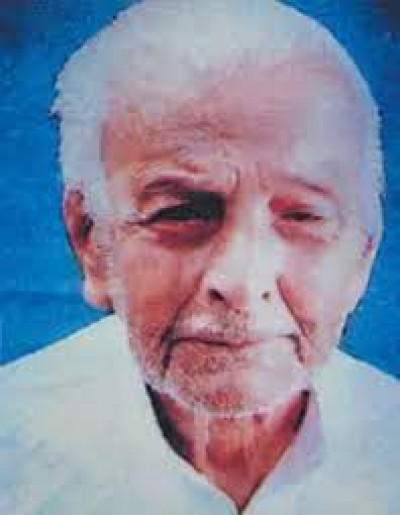
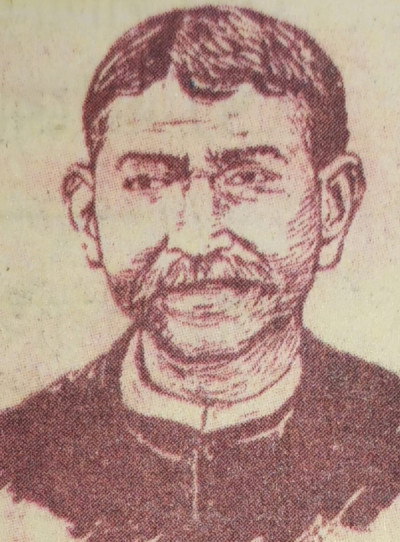
Life & Legacy
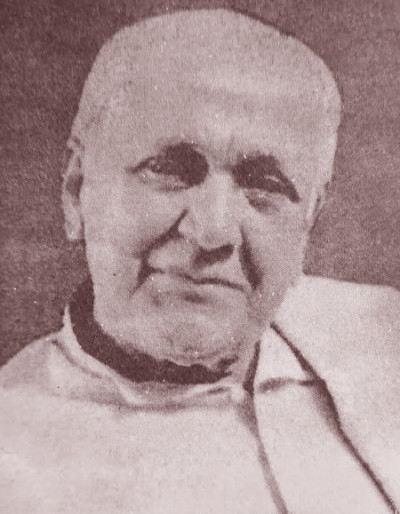
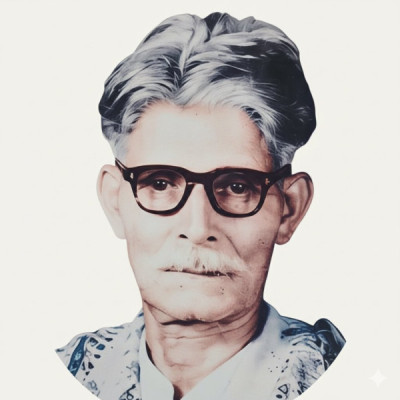
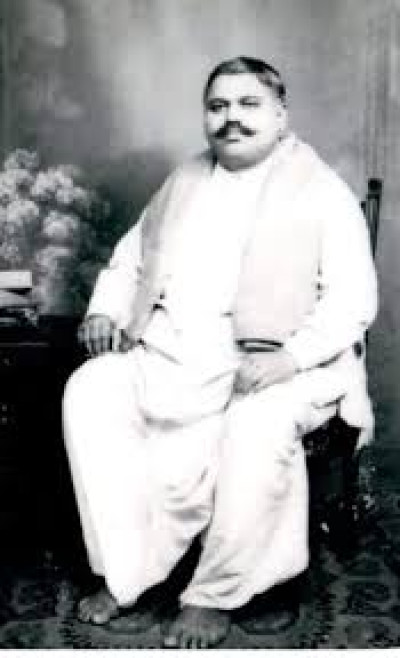
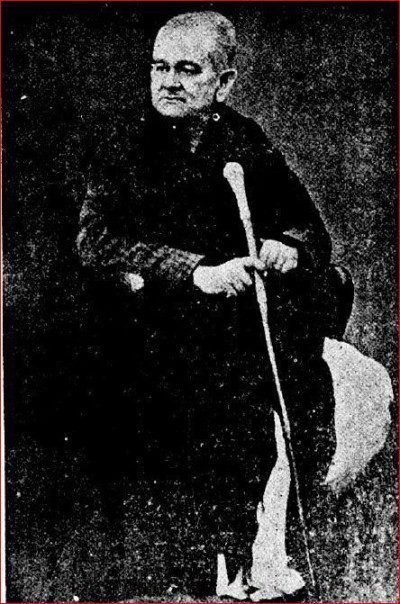
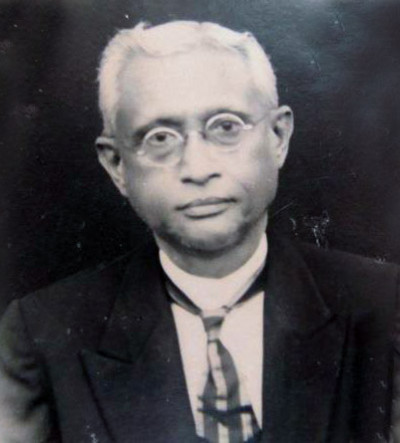
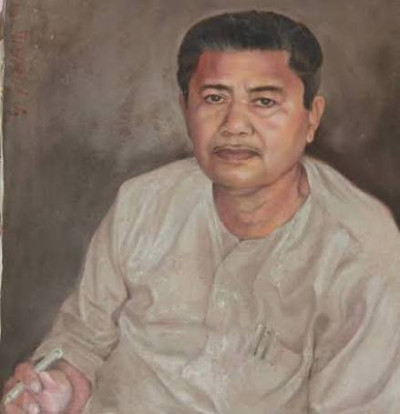
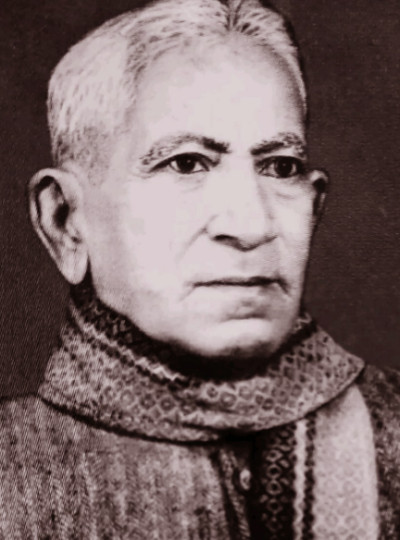
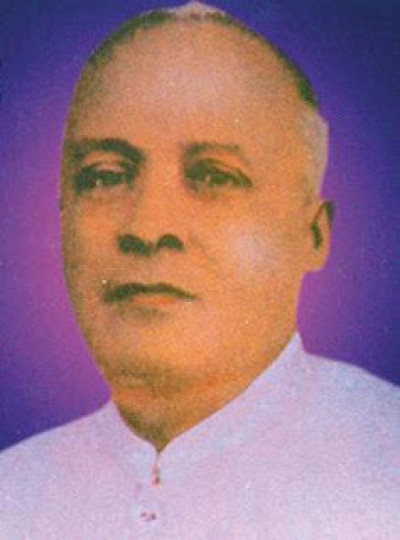
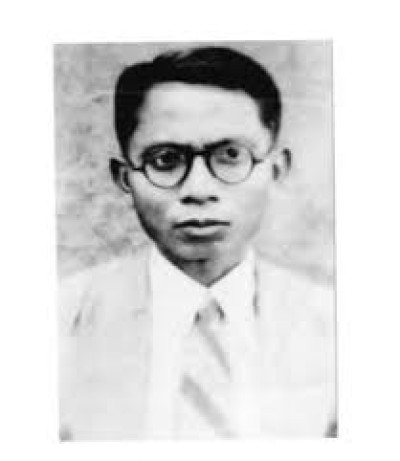
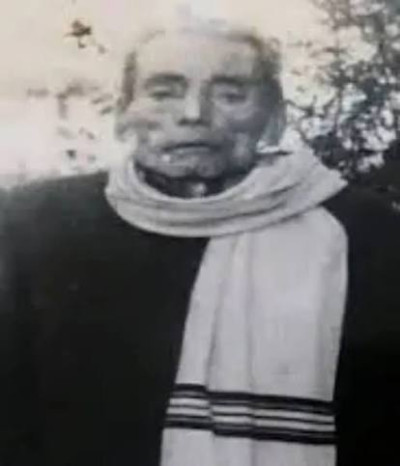
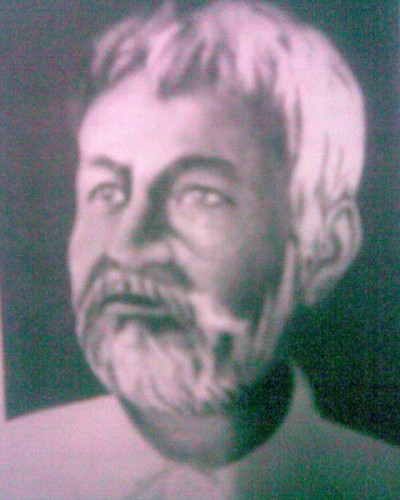
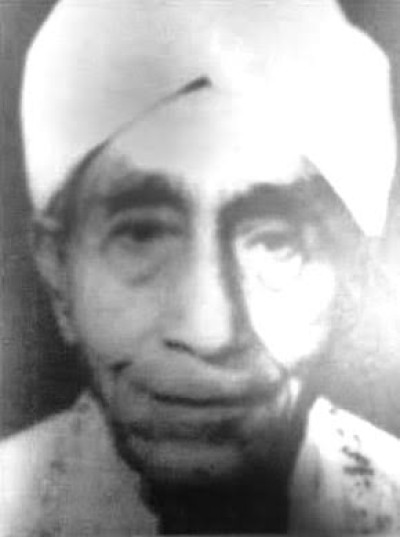
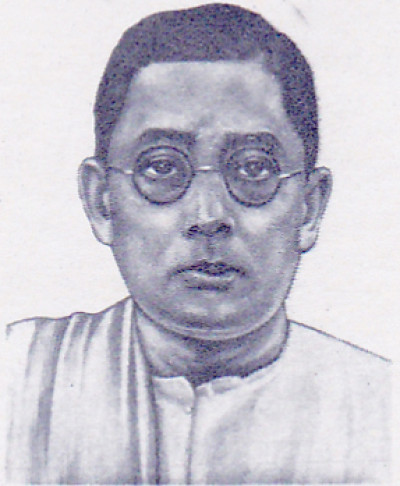
Padmanath Gohain Baruah Biography
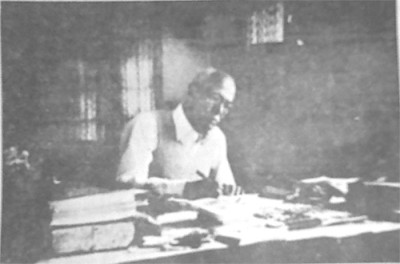
He is widely remembered as one of the pioneers of modern Assamese prose and drama. His novels introduced new standards of storytelling, while his plays brought Assamese history, humour and social issues to the stage with remarkable originality. Beyond literature, he worked tirelessly to promote education, develop Assamese textbooks, encourage journalism and inspire cultural pride among the people of Assam.
Padmanath Gohain Baruah was also closely associated with the Assamese literary renaissance that emerged through the Jonaki movement. His writings reflected patriotism, historical awareness, social responsibility and a deep love for his mother tongue. As the first President of the Assam Sahitya Sabha in 1917, he played a vital role in shaping one of the most influential literary organisations in Northeast India.
Today, his remarkable legacy continues to inspire students, writers, researchers and literature lovers. His contributions remain an essential chapter in the cultural history of Assam.
Early Life and Family Background
Padmanath Gohain Baruah was born on 24 November 1871 in Nakari village of present-day North Lakhimpur district, Assam. He was born into a respected Assamese family known for its cultural values and commitment to education.
His father was Ghinaram Gohain Baruah, while his mother was Lambidevi. His family traced its ancestry to the Ahom period, and the traditions of scholarship, discipline and public service greatly influenced his upbringing.
Growing up in rural Assam, Padmanath developed a close connection with Assamese customs, folklore, traditions and village life. These early experiences later became valuable sources of inspiration for his literary creations.
His childhood coincided with a significant period in Assam's history. The Assamese language was gradually recovering after years of administrative neglect, and intellectuals across the region were working to restore its rightful place in education and literature. These historical developments profoundly shaped his future vision.
Education and Intellectual Development
Padmanath Gohain Baruah began his education in a primary school at North Lakhimpur. During his childhood, Assamese education was undergoing important reforms following the restoration of Assamese as the medium of instruction in schools.
He later joined Sivasagar Government High School, where his interest in literature began to flourish. His teachers recognised his intellectual abilities, and he became increasingly involved in reading, writing and debating contemporary social issues.
Seeking higher education, he moved to Ripon College, Calcutta (now Surendranath College). Although he did not complete a bachelor's degree, his years in Calcutta proved extremely significant.
While studying there, he became an active member of the Asomiya Bhasar Unnati Sadhini Sabha, an organisation formed by Assamese students to promote their mother tongue. This association strengthened his commitment to Assamese literature and inspired him to dedicate his life to its development.
His exposure to the intellectual atmosphere of Calcutta broadened his outlook and introduced him to modern literary ideas, journalism and social reform movements that later influenced his own writings.
Beginning of His Professional Career
After returning to Assam, Padmanath Gohain Baruah began his professional career as a teacher. He served as the Headmaster of Kohima Middle English School, where he demonstrated his passion for education and discipline.
Later, he taught at several prestigious educational institutions, including Tezpur Normal School, Tezpur Government High School and Jorhat Government High School. His dedication to teaching earned him considerable respect among students and colleagues alike.
Apart from teaching, he also worked briefly as a revenue officer and later served as a First-Class Honorary Magistrate in Tezpur. These administrative responsibilities gave him practical insight into the social and economic conditions of Assam, which later found expression in many of his literary works.
Throughout his career, he believed that education and literature were the strongest instruments for building an enlightened society.
Personal Life
While serving as a teacher in Kohima, Padmanath Gohain Baruah married Lilawati. Unfortunately, her untimely death deeply affected him emotionally and personally.
Later, he married Hirawati, who supported him throughout his literary career. His personal experiences of love, loss and perseverance influenced several of his poems and literary works, particularly his poetry collection Leela Kavya, which was written in memory of his first wife.
Despite facing personal hardships, he remained committed to literature, education and public service throughout his life.
Entry into Assamese Literature
Padmanath Gohain Baruah developed a deep interest in literature during his student days. His literary career gained momentum after he became associated with Jonaki, the landmark Assamese literary magazine published by the Asomiya Bhasar Unnati Sadhini Sabha.
Jonaki introduced a new era in Assamese literature by encouraging originality, creativity and modern literary styles. Padmanath quickly established himself as one of its promising contributors through essays, poems and prose writings that reflected both literary excellence and social awareness.
His early writings displayed remarkable maturity, clear expression and an unwavering commitment to strengthening the Assamese language. These qualities soon earned him recognition among leading literary figures of his time.
Birth of Bijuli and Editorial Leadership
One of Padmanath Gohain Baruah's earliest contributions to Assamese journalism was his involvement in the publication of Bijuli, an influential Assamese literary magazine launched in 1890.
Together with distinguished contemporaries such as Benudhar Rajkhowa, Krishnaprasad Duarah and Neelkantha Baruah, he helped establish the magazine as a platform for modern Assamese literature. During its second year, Padmanath assumed editorial responsibility and encouraged original literary writing among young Assamese authors.
His editorial work reflected his belief that journals and magazines were essential for nurturing literature, promoting education and strengthening cultural identity.
Vision for Assamese Society
From the beginning of his literary journey, Padmanath Gohain Baruah believed that language, education and culture were inseparable. He encouraged Assamese people to preserve their linguistic heritage while embracing modern knowledge and progressive ideas.
His writings consistently promoted patriotism, moral values, education, historical awareness and social reform. He believed that literature should inspire positive change rather than merely entertain readers.
This vision would later establish him as one of the most respected literary leaders in Assam and prepare the foundation for his extraordinary achievements as a novelist, playwright, editor and public intellectual.
Bhanumati - The First Social Novel in Assamese Literature
One of Padmanath Gohain Baruah's greatest literary achievements is Bhanumati, which is widely regarded as the first successful social novel in Assamese literature. Published during a period of significant social transformation, the novel marked a turning point in Assamese fiction by introducing realistic characters, meaningful dialogues and thought-provoking social themes.
Unlike earlier literary works that primarily focused on mythology or historical narratives, Bhanumati explored the realities of contemporary Assamese society. Through the lives of its characters, Padmanath highlighted issues such as education, family values, women's position in society, moral responsibility and the changing social environment under colonial rule.
The novel reflected his belief that literature should encourage readers to think critically about society while promoting ethical values and progressive ideas. Its engaging narrative and realistic portrayal of Assamese life made it one of the most influential novels of its time.
Even today, Bhanumati is considered a milestone in the development of modern Assamese fiction and continues to be studied by students and researchers of Assamese literature.
Lahari and Other Notable Novels
Following the success of Bhanumati, Padmanath Gohain Baruah continued enriching Assamese literature through several remarkable novels. Among them, Lahari occupies an important place for its engaging storytelling and thoughtful exploration of human relationships.
His novels examined themes such as love, sacrifice, morality, patriotism, social reform and cultural identity. Rather than merely entertaining readers, his stories encouraged reflection on contemporary social issues while preserving the traditions and values of Assamese society.
Padmanath's writing style combined simplicity with literary elegance, making his novels accessible to ordinary readers while maintaining high artistic standards. His contribution helped establish the Assamese novel as a mature literary form capable of expressing complex emotions and social realities.
Poetry and Literary Expression
Padmanath Gohain Baruah was also a gifted poet whose works reflected deep emotional sensitivity, patriotism and philosophical thought. His poems celebrated nature, love, devotion, history and Assamese cultural traditions.
One of his most respected poetic works is Leela Kavya, written in memory of his first wife, Lilawati. The collection expresses profound grief, love and human emotions through graceful language and lyrical beauty.
His poetry demonstrated remarkable command over the Assamese language and contributed significantly to the growth of modern Assamese verse. Many literary critics consider his poems among the finest examples of emotional expression in early twentieth-century Assamese literature.
His poetic writings continue to inspire readers with their simplicity, elegance and timeless human values.
Contribution to Assamese Drama
Padmanath Gohain Baruah made invaluable contributions to Assamese theatre by writing historical, social and humorous plays that enriched the state's dramatic tradition.
His historical dramas highlighted the courage, sacrifice and achievements of Assam's great rulers and heroes, encouraging audiences to appreciate the state's glorious past. His social plays addressed issues affecting ordinary people, while his comedies entertained audiences through wit, satire and realistic situations.
Through carefully developed characters and meaningful dialogues, he demonstrated that theatre could serve as a powerful medium for education, entertainment and social reform.
Many of his dramatic works remain important references in the history of Assamese theatre and continue to influence playwrights and performers.
Journalism and Editorial Contributions
Padmanath Gohain Baruah believed that newspapers and literary magazines played a vital role in shaping public opinion and promoting education. Throughout his career, he remained actively associated with Assamese journalism.
After contributing to Jonaki, he became closely associated with Bijuli, one of the earliest Assamese literary magazines. As editor, he encouraged original writing, literary criticism and discussions on education, culture and social reform.
He also contributed to other respected publications, including Banti and Usha, using these platforms to promote Assamese language and literature. His editorials reflected balanced judgment, intellectual honesty and a deep commitment to public welfare.
His work in journalism significantly strengthened Assamese literary culture and encouraged young writers to contribute original works in their mother tongue.
Educational Books and Textbooks
Padmanath Gohain Baruah firmly believed that quality education in the mother tongue was essential for the progress of society. He therefore devoted considerable effort to preparing educational books and textbooks for Assamese students.
His textbooks were written in simple, clear and accessible language, enabling students to understand various subjects more effectively. He believed that children learn best when taught in their native language and encouraged the development of Assamese educational literature.
His contributions supported the expansion of modern education in Assam and helped strengthen Assamese as a medium of instruction.
Many of his educational writings continued to be used in schools for several years and influenced the preparation of later Assamese textbooks.
Role in the Jonaki Literary Renaissance
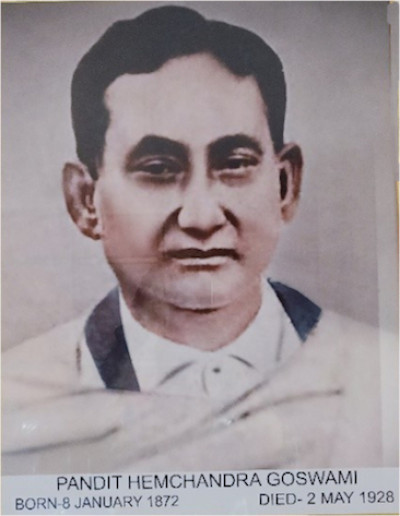
Padmanath Gohain Baruah was one of the leading figures of the Jonaki Era, which marked the beginning of modern Assamese literature. Together with literary giants such as Laxminath Bezbarua, Chandra Kumar Agarwala and Hemchandra Goswami, he helped reshape Assamese literary expression.
The Jonaki movement introduced modern poetry, prose, drama and literary criticism while encouraging writers to experiment with new themes and techniques. Padmanath's contributions greatly enriched this movement through his novels, plays, poems and essays.
His writings demonstrated that Assamese literature could successfully combine artistic excellence with social responsibility. This balanced approach made him one of the principal architects of the Assamese literary renaissance.
Public Service and Literary Leadership
Beyond his literary accomplishments, Padmanath Gohain Baruah devoted himself to public service and cultural leadership. His experience as an educator, administrator and social reformer strengthened his understanding of the challenges facing Assamese society.
He actively participated in educational initiatives, literary organisations and cultural activities aimed at promoting Assamese language and heritage. His leadership qualities earned him widespread respect among scholars, teachers and public intellectuals.
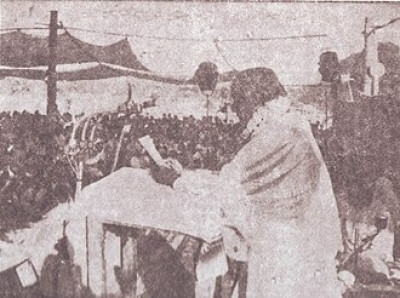
The most significant recognition of his leadership came in 1917, when he became the first President of the Assam Sahitya Sabha during its inaugural session at Sivasagar.
Under his guidance, the Sabha began its journey as an organisation dedicated to promoting Assamese literature, language, research and cultural preservation. Today, Assam Sahitya Sabha remains the largest literary organisation in Assam, and Padmanath's contribution to its foundation is remembered with great respect.
A Pillar of Modern Assamese Literature
By the early twentieth century, Padmanath Gohain Baruah had firmly established himself as one of the foremost literary personalities of Assam. His achievements as a novelist, poet, dramatist, editor, educationist and cultural leader transformed the direction of Assamese literature.
His writings encouraged readers to value education, preserve their cultural identity and contribute positively to society. Through literature, journalism and public service, he demonstrated that intellectual leadership could play a vital role in social progress.
His enduring contributions continue to inspire writers, students, researchers and literature enthusiasts, ensuring that his place among the greatest pioneers of modern Assamese literature remains secure.
Legacy and Lasting Influence
Padmanath Gohain Baruah's influence on Assamese literature extends far beyond his own lifetime. His remarkable contributions as a novelist, poet, playwright, editor, educationist and literary organiser helped shape the future of modern Assamese literature. At a time when the Assamese language was striving to establish its literary identity, he emerged as one of the strongest voices advocating linguistic pride, educational progress and cultural preservation.
His writings introduced realism, historical awareness and social consciousness into Assamese literature. Through his novels, dramas and essays, he encouraged readers to think critically about society while remaining deeply connected to their cultural roots. His literary vision inspired future generations of Assamese writers, many of whom regarded him as a guiding force in the evolution of modern Assamese prose.
Even today, scholars continue to study his works for their historical significance, literary excellence and contribution to the cultural awakening of Assam. His legacy remains deeply embedded in the literary and educational institutions of the state.
Awards, Honours and Recognition
Although Padmanath Gohain Baruah belonged to an era before many modern literary awards were introduced, he received immense respect and admiration throughout his lifetime for his exceptional contributions.
He was widely recognised as one of the leading literary figures of the Jonaki Era and earned the admiration of scholars, writers and readers across Assam. His election as the first President of Assam Sahitya Sabha remains one of the highest recognitions of his literary leadership.
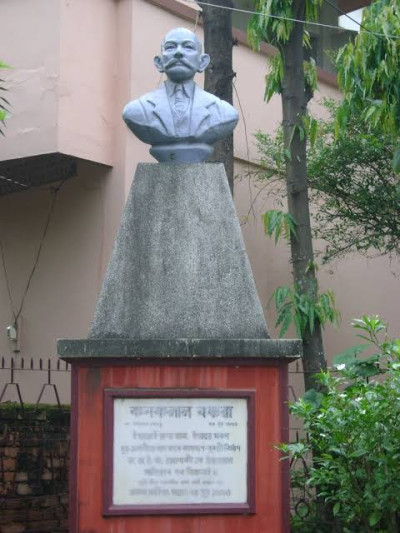
Today, several educational institutions, roads, libraries and cultural organisations honour his memory. His works continue to be included in school and university curricula, while literary seminars and research programmes frequently discuss his contribution to Assamese literature.
His name occupies a permanent place among the greatest pioneers of Assamese literary history.
- Padmanath Gohain Baruah was born on 24 November 1871 in Nakari village of present-day North Lakhimpur district, Assam.
- He was one of the leading writers of the Jonaki Era, which marked the beginning of modern Assamese literature.
- He became the first President of Assam Sahitya Sabha in 1917.
- His novel Bhanumati is regarded as the first successful social novel in Assamese literature.
- He worked as a teacher, headmaster, magistrate, editor and educationist during his distinguished career.
- He edited influential Assamese literary magazines including Bijuli and contributed to several other publications.
- His poetry collection Leela Kavya was written in memory of his first wife, Lilawati.
- He made valuable contributions to Assamese drama through historical, social and humorous plays.
- He strongly supported education through the mother tongue and prepared several educational books.
- His literary works continue to inspire writers, teachers, students and researchers throughout Assam.
Death and Remembrance
Padmanath Gohain Baruah passed away on 7 October 1946 at the age of 74 years. His death marked the end of a remarkable literary journey that had transformed Assamese literature for more than five decades.
People across Assam paid tribute to the great writer whose dedication to literature, education and cultural preservation had enriched the state's intellectual life. His passing was deeply mourned by scholars, students and admirers who recognised the immense value of his lifelong contributions.
Today, his memory is preserved through his books, educational institutions, literary organisations and continued scholarly research. His works remain relevant because they address universal themes of humanity, education, patriotism and social responsibility.
Why Padmanath Gohain Baruah Is Remembered Today
Padmanath Gohain Baruah is remembered not only for his literary achievements but also for his unwavering commitment to Assamese identity. He believed that education, language and literature formed the foundation of a progressive society.
His novels enriched Assamese fiction, his dramas strengthened the state's theatrical tradition, his poetry inspired emotional and patriotic expression and his educational writings promoted learning among young students.
His leadership in establishing Assam Sahitya Sabha created an enduring institution that continues to promote Assamese literature across the world.
His life serves as an inspiring example of how literature can preserve culture, encourage education and unite communities through shared values.
Conclusion
Padmanath Gohain Baruah remains one of the greatest literary personalities in the history of Assam. Through his novels, plays, poems, essays, journalism and educational work, he transformed Assamese literature into a powerful medium of cultural expression and social awareness.
His pioneering novel Bhanumati, his influential role in the Jonaki literary movement, and his historic leadership as the first President of Assam Sahitya Sabha established him as one of the principal architects of modern Assamese literature.
His commitment to education, language and cultural preservation continues to inspire generations of readers, writers and researchers. Today, Padmanath Gohain Baruah's legacy stands as a symbol of knowledge, creativity and unwavering dedication to the Assamese language. His extraordinary contributions ensure that he will always be remembered as one of the most respected literary pioneers of Assam.
FAQs on Padmanath Gohain Baruah
1. Who was Padmanath Gohain Baruah?
Padmanath Gohain Baruah was a renowned Assamese novelist, playwright, poet, editor, educationist and the first President of Assam Sahitya Sabha.
2. When was Padmanath Gohain Baruah born?
He was born on 24 November 1871 in Nakari village, present-day North Lakhimpur district, Assam.
3. Why is Padmanath Gohain Baruah famous?
He is famous for his pioneering contributions to modern Assamese literature, especially his novels, dramas and leadership in Assam Sahitya Sabha.
4. What is Padmanath Gohain Baruah's most famous novel?
His most famous novel is Bhanumati, regarded as the first successful social novel in Assamese literature.
5. What role did Padmanath Gohain Baruah play in Assam Sahitya Sabha?
He became the first President of Assam Sahitya Sabha in 1917 and helped shape its literary vision.
6. What literary movement was Padmanath Gohain Baruah associated with?
He was one of the leading figures of the Jonaki Era, which introduced modern Assamese literature.
7. What are some important works of Padmanath Gohain Baruah?
His notable works include Bhanumati, Lahari, Leela Kavya, numerous dramas, essays and educational books.
8. What were Padmanath Gohain Baruah's contributions to education?
He worked as a teacher, prepared Assamese textbooks and promoted education through the mother tongue.
9. When did Padmanath Gohain Baruah die?
He passed away on 7 October 1946.
10. What is the legacy of Padmanath Gohain Baruah?
His legacy lives on through Assamese literature, Assam Sahitya Sabha, educational institutions and his lasting contribution to the development of modern Assamese language and culture.