Life & Legacy
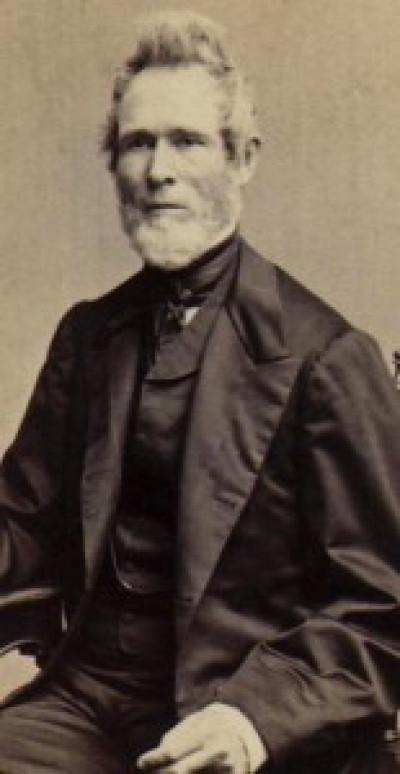
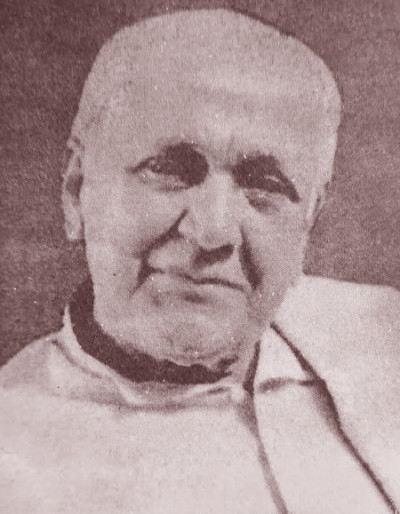
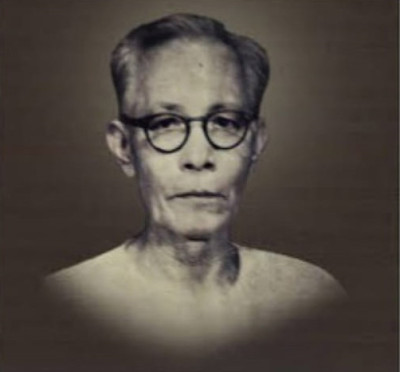
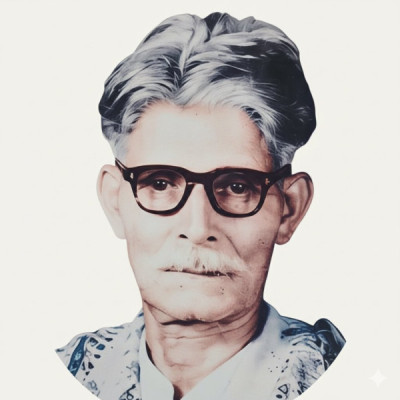
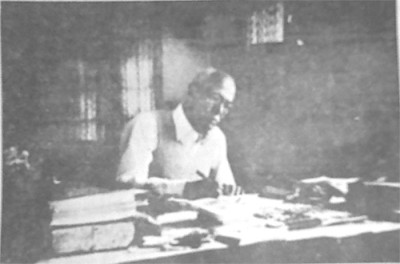
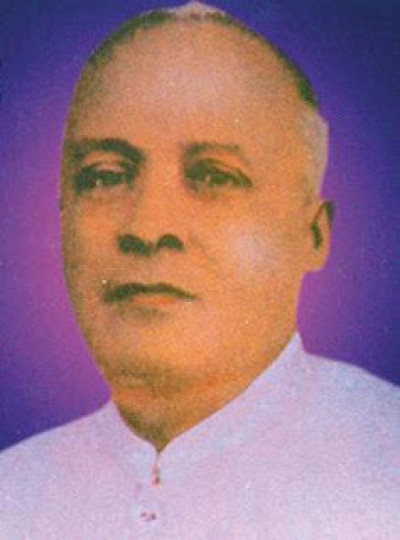
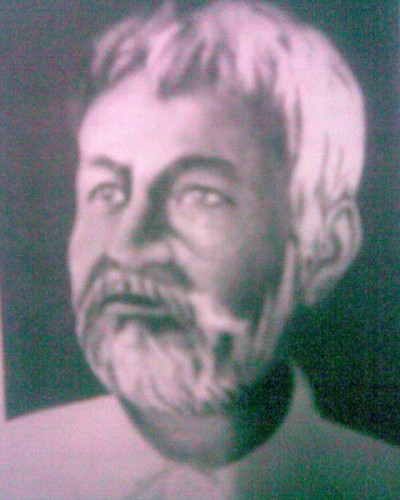
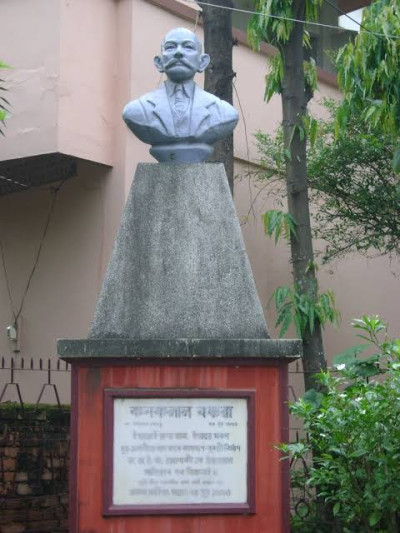
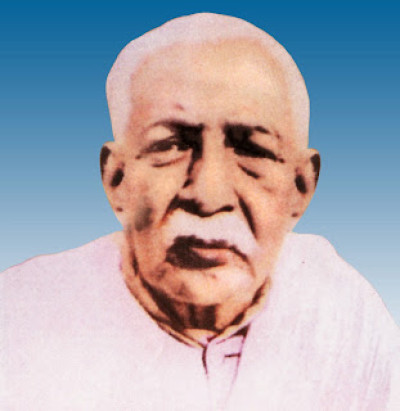
During the late nineteenth and early twentieth centuries, Assamese literature was undergoing a crucial period of transition. Through his creativity, intellectual leadership and relentless dedication, Laxminath Bezbarua became one of the principal architects of modern Assamese literature. His association with the Jonaki movement marked the beginning of a literary renaissance that gave new energy and direction to Assamese writing.
He is especially remembered for creating timeless works such as Burhi Aair Xadhu, Padum Kunwari, Joymati Kunwari and the immortal patriotic song O Mur Apunar Desh, which later became the State Anthem of Assam. Through humour, satire, folklore, drama and poetry, he captured the spirit of Assamese society and left behind a literary legacy that continues to inspire readers across generations.
Today, Laxminath Bezbarua is regarded not merely as a writer but as a cultural icon whose contributions shaped the modern identity of Assam.
Early Life of Laxminath Bezbarua
Laxminath Bezbarua was born on 14 October 1864 on a full-moon night of Lakshmi Puja near Ahatguri in present-day Nagaon district of Assam. His birth took place on a sandbank of the mighty Brahmaputra River, a unique event that he later described with humour and affection in his autobiography Mor Jiban Sowaran.
He was born into the respected Rajvaidya Bezbarua family. His father, Dinanath Bezbarua, served as a senior government official under the British administration and was known for his administrative ability and scholarship. Because of his father's transferable job, young Laxminath spent his childhood in several towns of Assam, including Barpeta, Tezpur, North Lakhimpur and Sivasagar.
This exposure to different regions of Assam gave him a deep understanding of Assamese society, folklore, customs and dialects. The diverse cultural experiences of his childhood later became a rich source of inspiration for his literary works.
Education and Intellectual Growth
Laxminath Bezbarua received his early education at Sivasagar Government High School, one of the leading educational institutions of Assam during that period. He was an intelligent and curious student who showed great interest in literature, language and public affairs.
After completing his schooling, he moved to Calcutta for higher studies. He studied at City College and later graduated with a Bachelor of Arts degree from the General Assembly's Institution (now Scottish Church College). He also enrolled for M.A. and B.L. (Law) studies at the University of Calcutta, although he did not complete those courses.
Calcutta during that era was the centre of the Bengal Renaissance. The intellectual atmosphere, literary debates and cultural movements of the city had a profound impact on the young Bezbarua. He came into contact with leading scholars, writers and reformers, which broadened his vision and strengthened his desire to work for the advancement of Assamese language and literature.
The Birth of the Jonaki Movement
While studying in Calcutta, Laxminath Bezbarua joined hands with fellow Assamese students such as Chandra Kumar Agarwala and Hemchandra Goswami. Together they formed the Axomiya Bhaxa Unnati Xadhini Xobha, an organisation dedicated to the development of the Assamese language.
In 1889, the group launched the literary magazine Jonaki, which became the symbol of a new literary era in Assam. The publication introduced modern ideas, romanticism, creative experimentation and fresh literary forms into Assamese literature.
Laxminath Bezbarua quickly emerged as one of the leading voices of this movement. Writing under the famous pen name Kripabar Barua, he published humorous and satirical pieces that became immensely popular for their wit, originality and sharp social commentary.
The Jonaki Era marked a turning point in Assamese literary history, and Bezbarua became one of its most influential architects.
Beginning of His Literary Career
Laxminath Bezbarua's literary journey formally began through the pages of Jonaki. His first published farce, Litikai, immediately attracted attention for its lively humour and realistic portrayal of society.
Unlike many writers of his time, Bezbarua possessed remarkable versatility. He could write poetry filled with emotion, short stories rich in human insight, satirical essays that exposed social hypocrisy and dramas that celebrated Assamese history and patriotism.
His language was elegant yet accessible, allowing readers from different backgrounds to connect with his ideas. He believed that literature should entertain, educate and inspire social progress.
Through his early writings, he demonstrated a rare ability to combine humour with serious social observation. This unique talent eventually earned him the title Rasaraj, meaning King of Humour.
A Cultural Visionary
From the beginning of his career, Laxminath Bezbarua viewed literature as a powerful tool for cultural revival. He was deeply concerned about the status of the Assamese language and worked tirelessly to strengthen its literary tradition.
He encouraged Assamese people to take pride in their language, history and folklore while also embracing modern education and progressive thinking. His writings reflected a balanced vision that respected tradition without rejecting innovation.
This combination of patriotism, creativity and intellectual leadership made him one of the most influential cultural figures in the history of Assam and prepared the ground for the extraordinary literary achievements that would follow in the later years of his life.
Burhi Aair Xadhu - A Timeless Collection of Assamese Folktales
One of Laxminath Bezbarua's most celebrated literary masterpieces is Burhi Aair Xadhu (Grandmother's Tales). Published in 1911, this remarkable collection of Assamese folk stories occupies a special place in the hearts of readers of all ages. The book preserved numerous traditional folktales that had been passed down orally through generations and transformed them into written literature for future generations.
The stories are filled with kings, queens, brave heroes, magical creatures, talking animals and moral lessons that reflect the values, imagination and cultural traditions of Assam. Through simple yet engaging language, Bezbarua successfully captured the essence of Assamese folklore while making it accessible to children and adults alike.
More than a century after its publication, Burhi Aair Xadhu continues to be one of the most widely read books in Assamese literature. It is regarded as a cultural treasure that has played a significant role in preserving Assam's rich storytelling tradition.
Pioneer of Assamese Short Stories
Laxminath Bezbarua is widely recognised as one of the pioneers of the modern Assamese short story. His stories introduced realistic characters, emotional depth and meaningful social themes that distinguished them from earlier forms of storytelling.
His narratives explored everyday human experiences, family relationships, morality, patriotism and the changing social conditions of Assam. Unlike traditional tales that focused mainly on fantasy, his short stories portrayed ordinary people facing real-life challenges.
His ability to combine humour, emotion and social observation gave Assamese prose a fresh literary identity. Many later writers drew inspiration from his storytelling techniques, making him one of the most influential figures in the evolution of Assamese fiction.
Novels and Literary Excellence
Although Laxminath Bezbarua earned immense popularity as a poet and storyteller, his contributions to Assamese fiction were equally significant.
Among his notable novels is Padum Kunwari, a work admired for its engaging narrative, memorable characters and rich cultural setting. Through his fiction, he explored themes such as love, sacrifice, honour, social values and personal responsibility.
His novels reflected Assamese society during a period of social transformation while promoting moral values and cultural awareness. His balanced storytelling appealed to readers from different generations and strengthened the development of modern Assamese prose.
His literary works demonstrated that Assamese could successfully express complex emotions and sophisticated narratives, thereby enriching the language's literary tradition.
Historical Dramas and National Pride
Laxminath Bezbarua made outstanding contributions to Assamese theatre through several historical plays that celebrated the glorious past of Assam.
Among his best-known dramatic works are Joymati Kunwari, Chakradhwaj Singha, Belimaar and Jaymati, which portrayed the courage, patriotism and sacrifice of legendary Assamese heroes and heroines.
These dramas combined historical research with artistic creativity, encouraging audiences to appreciate Assam's rich heritage. His plays were not merely theatrical performances but also instruments for awakening cultural pride and strengthening national consciousness.
Many of these dramas continue to be staged by theatre groups and educational institutions, reflecting their enduring popularity and literary significance.
Kripabar Barua and His Humorous Writings
One of the most fascinating aspects of Laxminath Bezbarua's literary career was his use of the pen name Kripabar Barua. Under this pseudonym, he wrote humorous essays, satirical sketches and social commentaries that remain classics of Assamese literature.
His humour was intelligent, refined and purposeful. Rather than entertaining readers through simple jokes, he used satire to expose social evils, hypocrisy, superstition and outdated customs.
His writings encouraged readers to examine society critically while maintaining optimism and compassion. Because of his extraordinary mastery of humour, he earned the honorary title Rasaraj, meaning King of Humour.
Even today, his satirical works continue to delight readers with their wit, wisdom and timeless relevance.
O Mur Apunar Desh - Assam's State Anthem
One of Laxminath Bezbarua's greatest contributions to Assamese culture is the patriotic song O Mur Apunar Desh.
Written with deep love for Assam, the song beautifully expresses the emotional bond between the people and their homeland. Its powerful lyrics celebrate the natural beauty, cultural heritage and enduring spirit of Assam while inspiring unity and pride among its people.
Over the years, the song became an integral part of public functions, educational institutions and cultural celebrations across the state. In recognition of its historical and emotional significance, it was officially adopted as the State Anthem of Assam.
Today, O Mur Apunar Desh remains one of the most cherished patriotic songs in Assamese history and continues to unite generations through its inspiring message.
Editor of Banhi Magazine
Laxminath Bezbarua also played an important role in Assamese journalism and literary publishing. He served as the editor of the influential Assamese monthly magazine Banhi, which became an important platform for promoting literature, social awareness and intellectual discussion.
Through Banhi, he encouraged young writers to develop original literary works and contributed articles on literature, culture, education and public affairs. The magazine played a significant role in strengthening modern Assamese prose and encouraging creative expression.
His editorial leadership helped create an active literary environment that nurtured many future writers and scholars.
Champion of Assamese Language and Culture
Throughout his life, Laxminath Bezbarua remained deeply committed to protecting and promoting the Assamese language. He believed that language formed the foundation of cultural identity and that literature should preserve the traditions, values and history of society.
His writings celebrated Assamese folklore, customs, festivals, history and everyday life while encouraging readers to embrace modern education and progressive ideas. This balance between tradition and modernity became one of the defining features of his literary philosophy.
He inspired Assamese people to take pride in their language without rejecting useful knowledge from other cultures. His efforts greatly strengthened Assamese linguistic identity during a crucial period in its development.
Personal Life and Professional Career
Beyond literature, Laxminath Bezbarua was also associated with business and public life. After completing his education, he spent many years outside Assam, particularly in present-day Odisha, where he became involved in the timber business managed by his father-in-law's family.
Although his professional responsibilities required him to remain away from Assam for extended periods, his emotional connection with his homeland never weakened. Most of his important literary works were written during this period, demonstrating his lifelong dedication to Assamese language and culture.
His personal life reflected simplicity, discipline and a deep commitment to intellectual pursuits. He continued writing across multiple literary genres throughout his career, earning widespread admiration as one of Assam's greatest cultural ambassadors.
A Literary Giant of Modern Assam
By the early twentieth century, Laxminath Bezbarua had established himself as the foremost literary figure of Assam. His contributions to poetry, drama, fiction, children's literature, satire, journalism and patriotic writing transformed the Assamese literary landscape.
His remarkable versatility, originality and commitment to cultural preservation earned him the prestigious title Sahityarathi, meaning Charioteer of Literature. Few writers in Assamese history have influenced as many literary genres with equal distinction.
The foundation that he built continues to inspire writers, poets, dramatists, journalists and scholars across Assam. His works remain relevant because they combine artistic excellence with enduring human values, making him one of the greatest literary icons in the history of Northeast India.
Legacy and Lasting Influence
Laxminath Bezbarua's contribution to Assamese literature and culture extends far beyond the books he wrote. His vision, creativity and dedication transformed Assamese literature into a modern and vibrant form of expression while preserving the state's rich cultural heritage. Through poetry, prose, drama, satire, children's literature and journalism, he inspired generations of writers and readers to appreciate the beauty of the Assamese language.
His literary philosophy combined patriotism, social awareness and artistic excellence. He believed that literature should not only entertain but also educate society, preserve cultural values and inspire moral responsibility. This vision made him one of the principal architects of the Assamese literary renaissance.
Even today, schools, colleges and universities across Assam include his works in their curricula. His stories, poems and plays continue to be read, researched and performed, ensuring that his legacy remains alive among new generations. Every major literary movement in Assam acknowledges the influence of Laxminath Bezbarua, whose writings laid the foundation for modern Assamese literature.
Contribution to Assamese Literature
Laxminath Bezbarua made remarkable contributions to almost every branch of Assamese literature. He wrote poetry, novels, plays, biographies, essays, humorous writings, children's literature, folk literature and literary criticism with equal excellence.
His literary works enriched the Assamese language by introducing refined prose, expressive vocabulary and modern storytelling techniques. He demonstrated that Assamese could effectively convey complex emotions, philosophical ideas and historical narratives while remaining accessible to ordinary readers.
His children's stories preserved traditional Assamese folklore, while his historical dramas inspired pride in Assam's glorious past. His satirical essays encouraged society to question superstition, social injustice and outdated customs through humour and thoughtful criticism.
Because of his extraordinary versatility, he is regarded as one of the greatest literary personalities in the history of Northeast India.
Contribution to Assamese Culture and Society
Beyond literature, Laxminath Bezbarua played an important role in strengthening Assamese cultural identity. At a time when regional languages and traditions faced numerous challenges, he encouraged people to value their heritage while embracing education and modern thinking.
His writings celebrated Assam's festivals, customs, folklore, traditions and natural beauty. Through his literary works, he helped preserve countless stories and cultural practices that might otherwise have disappeared with time.
He also encouraged young writers to produce original works in Assamese instead of depending on translations from other languages. His efforts inspired confidence in the Assamese language and contributed significantly to its development as a modern literary language.
His patriotic writings awakened a strong sense of unity among the people of Assam, making him not only a literary figure but also a cultural leader.
Awards, Honours and Recognition
Laxminath Bezbarua received immense respect during his lifetime for his extraordinary literary achievements. He was honoured with the title Sahityarathi, meaning Charioteer of Literature, in recognition of his unparalleled contribution to Assamese literature.
He was also affectionately known as Rasaraj, meaning King of Humour, because of his exceptional talent for satire and humorous writing.
Today, his achievements are commemorated through numerous educational institutions, roads, libraries, auditoriums and cultural organisations named in his honour. Literary societies across Assam regularly organise seminars, competitions and cultural programmes celebrating his works.
His birth anniversary is observed with literary discussions, cultural performances and educational events that introduce younger generations to his timeless contributions.
Death and Remembrance
Laxminath Bezbarua passed away on 26 March 1938 in Dibrugarh, Assam, at the age of 73 years. His death marked the end of one of the most remarkable literary careers in Assamese history.
Following his passing, people across Assam paid heartfelt tributes to the writer whose works had become an inseparable part of Assamese identity. His funeral drew admirers from different sections of society, reflecting the deep respect he had earned throughout his lifetime.
Although he is no longer with us, his literary creations continue to live in classrooms, libraries, theatres and homes across Assam. Every reading of Burhi Aair Xadhu, every performance of his plays and every rendition of O Mur Apunar Desh keeps his memory alive.
- Laxminath Bezbarua was born on 14 October 1864 near Ahatguri in present-day Nagaon district of Assam.
- He is popularly known as Sahityarathi, meaning Charioteer of Literature.
- He also earned the title Rasaraj for his outstanding humorous and satirical writings.
- He was one of the founders of the Jonaki Era, which transformed modern Assamese literature.
- His famous children's book Burhi Aair Xadhu remains one of the most widely read books in Assamese.
- He wrote the patriotic song O Mur Apunar Desh, which is the official State Anthem of Assam.
- He published many humorous works under the pen name Kripabar Barua.
- He made significant contributions as a poet, novelist, playwright, editor, essayist and biographer.
- He edited the influential Assamese literary magazine Banhi.
- His literary works continue to inspire writers, researchers and readers throughout Assam and beyond.
Why is Laxminath Bezbarua called Sahityarathi?
The title Sahityarathi, meaning Charioteer of Literature, perfectly reflects Laxminath Bezbarua's unparalleled contribution to Assamese literary development.
Like a skilled charioteer guiding a powerful vehicle, Bezbarua guided Assamese literature into the modern era through innovation, creativity and intellectual leadership. His writings enriched every major literary genre and established high standards of language, storytelling and artistic expression.
His leadership during the Jonaki movement inspired countless young writers to create original literature that reflected Assamese society and culture. His influence continues to shape modern Assamese writing more than a century after his most important works were published.
The title remains one of the highest literary honours associated with Assamese literature and is inseparably linked with his name.
FAQs on Laxminath Bezbarua
1. Who was Laxminath Bezbarua?
Laxminath Bezbarua was a renowned Assamese poet, novelist, playwright, satirist, editor and cultural reformer, widely honoured as Sahityarathi.
2. When was Laxminath Bezbarua born?
He was born on 14 October 1864 near Ahatguri in present-day Nagaon district, Assam.
3. Why is Laxminath Bezbarua called Sahityarathi?
He earned the title Sahityarathi because of his outstanding contributions to modern Assamese literature across multiple literary genres.
4. What is Burhi Aair Xadhu?
Burhi Aair Xadhu is Laxminath Bezbarua's famous collection of Assamese folktales and one of the most important books in Assamese children's literature.
5. Which patriotic song was written by Laxminath Bezbarua?
He wrote O Mur Apunar Desh, which has been adopted as the official State Anthem of Assam.
6. What was the Jonaki Era?
The Jonaki Era was a literary renaissance in Assam that introduced modern Assamese literature, with Laxminath Bezbarua serving as one of its principal leaders.
7. What pen name did Laxminath Bezbarua use?
He wrote many humorous and satirical works under the pen name Kripabar Barua.
8. What are some famous books written by Laxminath Bezbarua?
His notable works include Burhi Aair Xadhu, Padum Kunwari, Joymati Kunwari, Litikai and many poems, essays and satirical writings.
9. When did Laxminath Bezbarua die?
He passed away on 26 March 1938 in Dibrugarh, Assam.
10. What is the legacy of Laxminath Bezbarua?
His legacy continues through Assamese literature, the State Anthem of Assam, children's literature, historical dramas and his lasting influence on Assamese language and culture.