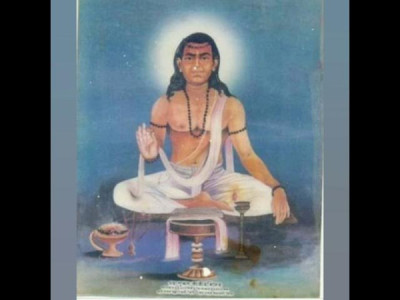
Life & Legacy
Early Life
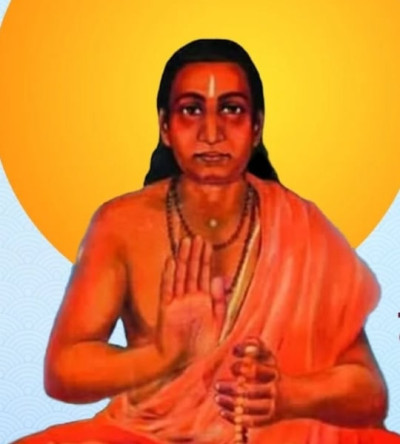
Sri Damodardev was born in 1488 in the village of Nalaca, near present-day Nagaon district of Assam. He was born into a respected Brahmin family to Satananda and Sushila. His father was known to have a close association with Srimanta Sankardev, creating an environment that encouraged learning and spirituality from an early age. Growing up in a family devoted to religious education, Damodardev developed a keen interest in philosophy, scriptures, and devotional practices.
Education
Damodardev received an extensive traditional education under the renowned scholar Kalpacandra at Navadwip in Bengal, one of the most important centres of Sanskrit learning during that period. Along with his brothers, he mastered Sanskrit grammar, the four Vedas, the Bhagavad Gita, Bhagavata Purana, and numerous Hindu scriptures. His deep understanding of religious philosophy later enabled him to become one of the finest spiritual teachers of medieval Assam.
Association with Srimanta Sankardev
The most significant turning point in Damodardev's life came when he met Srimanta Sankardev at Patbausi. Although he was older than Sankardev in age, he accepted him as his spiritual guide after being deeply impressed by his philosophy of devotion to Lord Krishna. Sankardev recognised Damodardev's exceptional scholarship and entrusted him with the responsibility of teaching and guiding Brahmin followers within the Ekasarana movement. Under his guru's guidance, Damodardev embraced the principles of Bhakti, focusing on devotion, humility, and the chanting of the holy name of Krishna.
Religious Contributions
Sri Damodardev made immense contributions to the spread of Neo-Vaishnavism across Assam. Following the passing of Srimanta Sankardev, he established the Brahma Sanghati, also known as the Damodariya Sanghati, one of the four major branches of Ekasarana Naam Dharma. While remaining committed to devotion towards Lord Krishna, this branch retained certain Brahminical customs and traditional practices, making the movement acceptable to many orthodox communities.
He promoted Naam-Prasanga, Bhagavata recitation, devotional singing, and moral living among ordinary people. His efforts strengthened the religious foundation of Assamese society and helped preserve the teachings of Bhakti for future generations.
Establishment of Satras
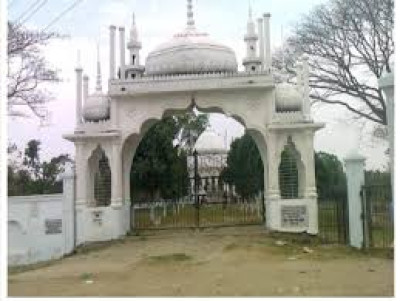
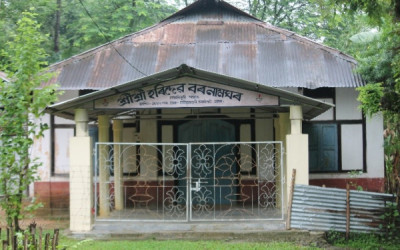
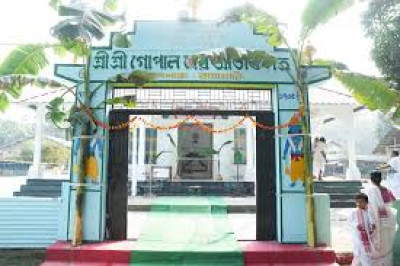
One of Sri Damodardev's greatest achievements was the establishment and development of Satras, which became centres of worship, education, literature, music, and social reform. Patbausi Satra emerged as one of the earliest and most influential institutions associated with his teachings. These Satras played a crucial role in preserving Assamese language, religious traditions, manuscripts, performing arts, and community life.
His disciple Bhattadeva later continued this tradition and further strengthened the institutional structure of the Satra system.
Philosophy and Teachings
Sri Damodardev believed that sincere devotion to Lord Krishna was the highest path to spiritual liberation. He encouraged devotees to cultivate faith through chanting God's name, reading the Bhagavata Purana, participating in congregational prayers, and living a disciplined moral life.
His philosophy emphasised complete concentration in devotion, often referred to as single-minded devotion. He also recognised the importance of the Guru in guiding devotees on their spiritual journey. Although his branch accepted certain traditional rituals, the essence of his teachings remained centred on love, compassion, humility, and devotion to the Supreme Lord.
Literary and Cultural Contributions
Although Damodardev is primarily remembered as a religious leader, his influence extended beyond spirituality. Through the Satra institutions established under his guidance, Assamese literature, devotional music, manuscript preservation, and religious discourse flourished. His movement contributed significantly to safeguarding the cultural identity of Assam during a transformative period in its history.
His disciples and later followers preserved numerous religious texts and helped spread Assamese devotional literature throughout the Brahmaputra Valley.
Major Achievements
- One of the foremost disciples of Srimanta Sankardev.
- Established the Brahma Sanghati (Damodariya Sanghati).
- Played a major role in spreading Ekasarana Naam Dharma.
- Founded and strengthened several Satras across Assam.
- Promoted Bhagavata recitation and Naam-Prasanga.
- Guided Brahmin scholars towards Neo-Vaishnavism.
- Preserved Assamese religious traditions through organised institutions.
- Influenced generations of spiritual leaders, scholars, and devotees.
- Helped strengthen Assamese religious and cultural identity.
- Remains one of the most respected Mahapurushs in Assam.
Awards and Recognition
Since Sri Damodardev lived during the medieval period, there were no formal awards or honours in the modern sense. However, his contributions have been recognised through:
- Reverence as one of the Mahapurushs of Assam.
- Annual observance of Damodardev Tithi across Assam.
- Public holiday in Assam on the occasion of Damodardev Tithi.
- Preservation of his teachings in Satras.
- Continued worship and remembrance by followers of Brahma Sanghati.
- Recognition as one of the pioneers of Assamese Neo-Vaishnavism.
Books and Religious Works
Sri Damodardev did not author widely recognised independent literary books comparable to some later Assamese scholars. However, his spiritual legacy is closely associated with:
- Teachings based on the Bhagavata Purana.
- Promotion of Bhagavad Gita studies.
- Interpretation and propagation of Ekasarana Naam Dharma.
- Preservation of Vaishnavite scriptures through Satra traditions.
Death
Sri Damodardev passed away around 1598 after dedicating more than a century of his life to religious service and spiritual leadership. His final years were spent guiding disciples, strengthening Satras, and preserving the Bhakti movement. His passing marked the end of an extraordinary life devoted to faith, scholarship, and social upliftment, but his teachings continue to live on through countless devotees and religious institutions across Assam.
Legacy
Sri Damodardev occupies a unique place in the religious history of Assam. As a scholar, saint, preacher, institution builder, and spiritual reformer, he ensured that the ideals of Bhakti reached every section of society. His establishment of the Brahma Sanghati enriched the Neo-Vaishnavite tradition by introducing an organised institutional framework while preserving devotion to Lord Krishna. Today, his Satras remain important centres of worship, education, and Assamese culture, making him one of the most influential spiritual personalities in the state's history. More than five centuries after his birth, Sri Damodardev continues to inspire millions through his timeless message of devotion, humility, righteousness, and service to humanity.
FAQs on Sri Damodardev
1. Who was Sri Damodardev?
Sri Damodardev was a renowned Vaishnavite saint, scholar, and religious reformer of Assam who became one of the foremost disciples of Srimanta Sankardev and played an important role in spreading Ekasarana Naam Dharma.
2. When and where was Sri Damodardev born?
Sri Damodardev was born in 1488 at Nalaca village in present-day Nagaon district of Assam into a respected Brahmin family.
3. Why is Sri Damodardev famous?
He is famous for founding the Brahma Sanghati, establishing Satras, promoting devotion to Lord Krishna, and preserving the Neo-Vaishnavite movement in Assam.
4. What is the Brahma Sanghati founded by Sri Damodardev?
The Brahma Sanghati, also known as the Damodariya Sanghati, is one of the four major branches of Ekasarana Naam Dharma established after the lifetime of Srimanta Sankardev.
5. What were the major contributions of Sri Damodardev?
His major contributions include spreading Neo-Vaishnavism, establishing Satras, promoting Bhagavata recitation, strengthening devotional practices, and preserving Assamese religious traditions.
6. What is Damodardev Tithi?
Damodardev Tithi is an important religious observance in Assam that commemorates the life, teachings, and spiritual contributions of Mahapurush Sri Damodardev. It is also observed as a regional public holiday in Assam.
7. What was Sri Damodardev's relationship with Srimanta Sankardev?
Sri Damodardev was one of the most respected disciples of Srimanta Sankardev and worked extensively to spread his teachings throughout Assam.
8. Which Satra is most closely associated with Sri Damodardev?
Patbausi Satra in Barpeta is one of the most significant Satras associated with Sri Damodardev and his religious activities.
9. Did Sri Damodardev write any books?
Sri Damodardev is mainly remembered for his religious teachings and institutional contributions. His legacy survives through the preservation of scriptures, Satra traditions, and the works of his disciples.
10. What is the legacy of Sri Damodardev?
Sri Damodardev is remembered as one of the greatest Mahapurushs of Assam whose teachings, Satras, and spiritual philosophy continue to influence Assamese religion, culture, and society even today.