Life & Legacy
Early Life
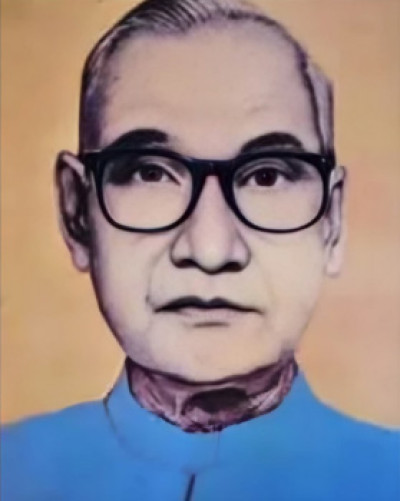
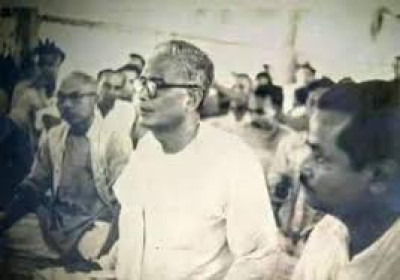
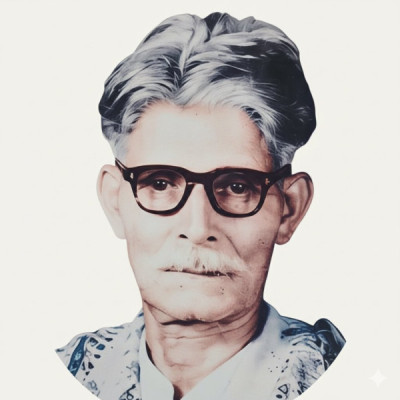
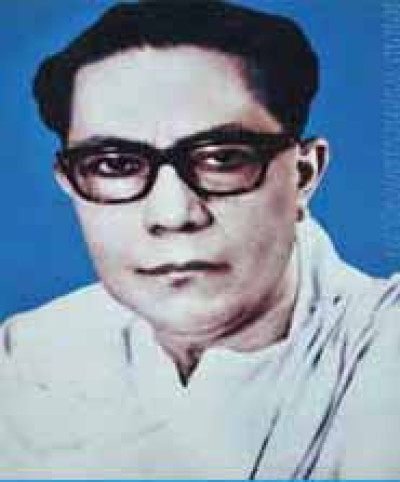
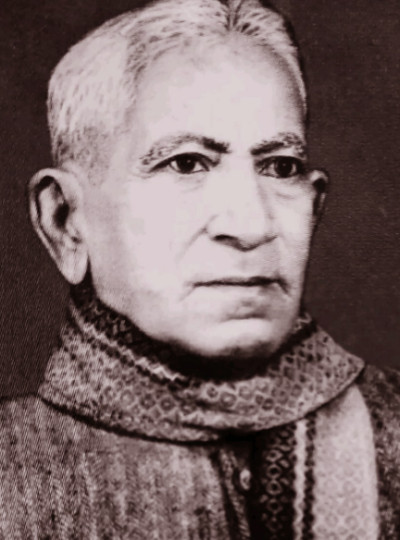
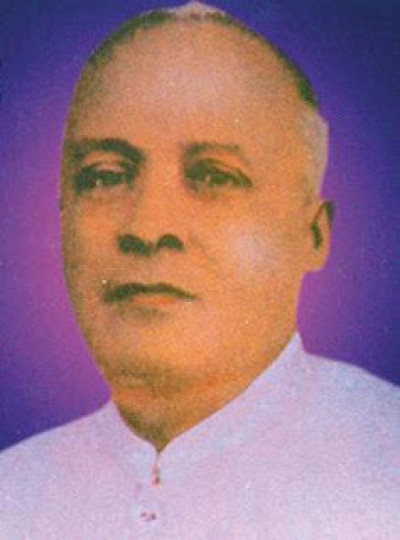
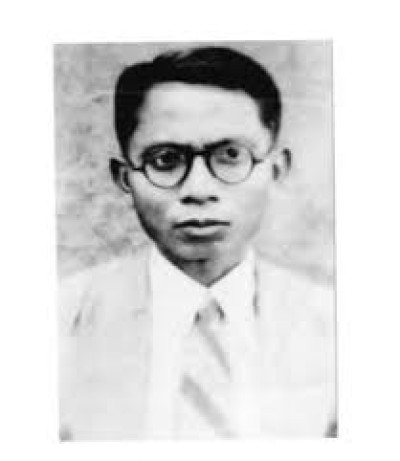
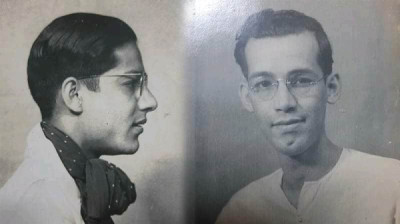
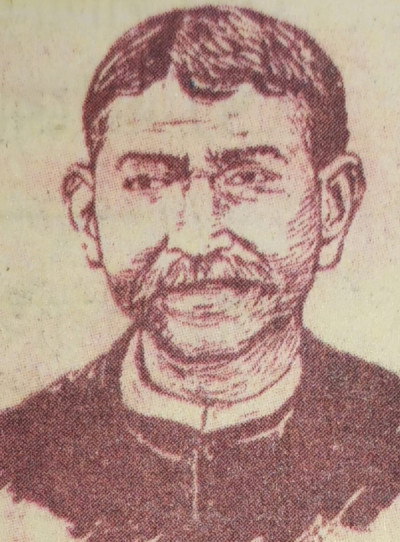
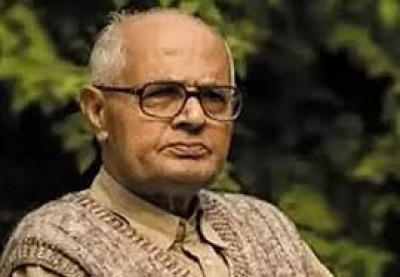
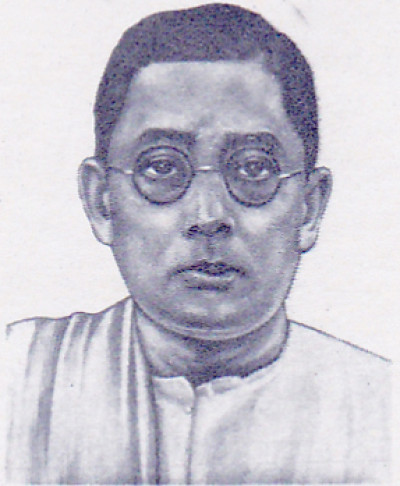
Parbati Prasad Barua was born on 19 August 1904 near the banks of the Dikhow River in Sivasagar (now Sibsagar), Assam. He was the son of Radhika Prasad Barua and Himala Devi. He belonged to an educated and culturally rich family that greatly influenced his literary interests. His great-grandfather, Jaduram Deka Barua, compiled one of the earliest bilingual Assamese dictionaries in 1839, while his elder brother Bhagavati Prasad Barua was a renowned Assamese poet popularly known as the "Shelley of Assamese Poetry." Growing up in such an environment inspired Parbati Prasad to develop a lifelong passion for literature, music, and performing arts.
Education
He began his education in Sivasagar and later completed his matriculation from Government High School, Sivasagar, in 1921. After studying at Cotton College in Guwahati, he moved to Kolkata and graduated in Philosophy from Scottish Church College under the University of Calcutta. During his stay in Kolkata, he regularly attended Rabindranath Tagore's dance dramas, musical performances, and theatrical productions. These experiences broadened his artistic vision while strengthening his determination to create a distinct identity for Assamese literature and music rather than following prevailing Bengali influences.
Literary and Cultural Journey
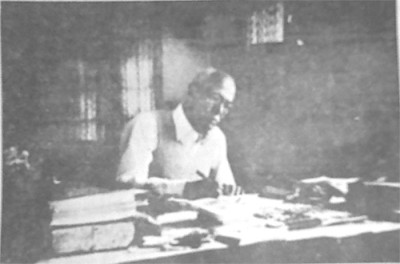
Parbati Prasad displayed remarkable artistic talent from an early age. At only ten years old, he appeared on stage in the role of Joymoti, earning appreciation for his performance. In 1921, he launched the handwritten literary magazine Jhupitora. Together with his elder brother and friends, he founded the literary society Bimalalaya, which encouraged literary discussions and later published another handwritten magazine, Ghar Jeuti. These initiatives played an important role in promoting Assamese literature among young writers.
Unlike many composers of his time, he blended Assamese folk tunes, Borgeets, indigenous melodies, and classical music to create a unique Assamese musical tradition. His songs reflected simplicity, emotional depth, patriotism, nature, and the everyday lives of ordinary people. Because of this remarkable contribution, he became widely known as Geetikavi, meaning "Poet of Songs."
Contribution to Assamese Music, Theatre and Cinema
Parbati Prasad Barua made extraordinary contributions to Assamese performing arts. He composed memorable dance dramas such as Lakhimi and Sonar Soleng, introducing innovative choreography inspired by traditional Assamese dance forms.
He was also among the pioneers of Assamese cinema. In 1940, he produced, directed, acted in, and composed the music for Rupohi, the fourth Assamese feature film. The film marked an important milestone in the growth of Assamese cinema. He even coined the Assamese term "Bol Sobi" for talking motion pictures, a term that became widely recognized.
His theatre productions combined Assamese folklore, indigenous music, and traditional dance with modern stage presentation, helping establish a unique cultural identity for Assamese theatre.
Tea Industry and Social Contributions
Although deeply devoted to literature and culture, Parbati Prasad Barua also successfully managed tea plantations. In 1939, he established the Raidang Tea Estate and later acquired the Sonarie Tea Estate in 1947. Despite his business responsibilities, he remained actively involved in literary, musical, and theatrical activities throughout his life.
During the Sino-Indian War of 1962, he joined Dr. Bhupen Hazarika in travelling across Assam, performing patriotic songs to inspire the youth and strengthen public morale during a challenging period for the nation.
Major Literary Works
Parbati Prasad Barua's literary works continue to be regarded as classics of Assamese literature.
Poetry Collections
- Bhonga Tukarir Sur
- Khel Bhonga Khel
Song Collections
- Gungunani
- Luiti
- Sukula Dawor Oi Kohuwa Phul
Dance Dramas
- Lakhimi
- Sonar Soleng
Other Published Collections
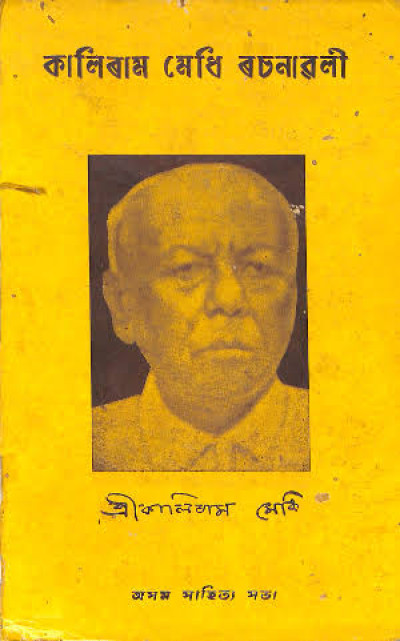
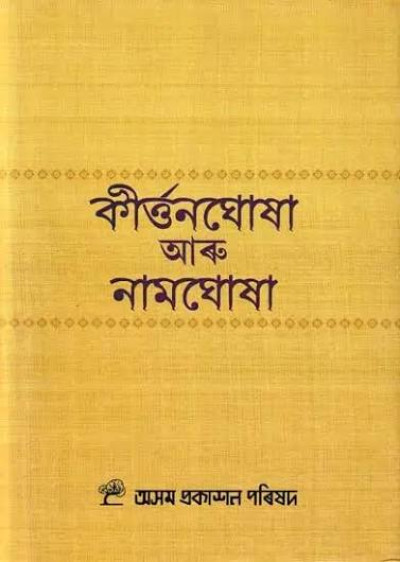
- Parvati Prasad Baruva Rachanawali
- Mayapi (published posthumously)
- Mou Tukari (published posthumously)
Film Contribution
- Rupohi (1940) – Producer, Director, Actor and Music Composer
Several of his unpublished works, including Mayapi and Mou Tukari, were later included in Parvati Prasad Baruva Rachanawali, published by the Asam Sahitya Sabha. His poems have also been translated into English, Hindi, and several Indian languages. The English translations If Life Be Lost and Life Awakens, translated by Paromita Das, received the Sahitya Akademi Golden Jubilee Literary Translation Award in 2007.
Achievements
- Popularly honoured as Geetikavi of Assam.
- Pioneer of modern Assamese songs based on indigenous folk traditions.
- Founder of handwritten literary magazines Jhupitora and Ghar Jeuti.
- Co-founder of the literary organization Bimalalaya.
- Producer, director, actor, and music composer of Rupohi, the fourth Assamese feature film.
- Coined the Assamese term "Bol Sobi" for talking films.
- Promoted Assamese cultural identity through literature, theatre, music, and cinema.
- Established Raidang Tea Estate and later acquired Sonarie Tea Estate.
- Inspired patriotic movements through music during the 1962 Sino-Indian War.
Awards and Recognition
Although many of his greatest contributions were recognised after his lifetime, Parbati Prasad Barua remains one of the most celebrated cultural personalities in Assam. His literary works continue to be widely studied, performed, and published. His translated poetry has also received national recognition through the Sahitya Akademi Golden Jubilee Literary Translation Award.
Personal Life
In 1934, Parbati Prasad Barua married Padma Kumari of Mangaldoi, Assam. Alongside his literary pursuits, he successfully managed his tea estates while remaining committed to promoting Assamese culture through music, poetry, drama, and social activities.
Death and Legacy
From 1953 onwards, Parbati Prasad Barua suffered a series of major strokes that affected his health. Despite prolonged illness, he continued to inspire Assamese society through his literary and cultural contributions. He passed away on 7 June 1964 after suffering his fifth stroke.
Parbati Prasad Barua's legacy continues to shape Assamese literature, music, theatre, and cinema. His poems celebrating the Brahmaputra, rural Assam, nature, and human emotions remain timeless masterpieces. Revered as one of Assam's greatest cultural architects, Geetikavi Parbati Prasad Barua continues to inspire generations of writers, musicians, filmmakers, and artists while preserving the rich heritage and identity of Assam.
FAQs Parbati Prasad Barua