Life & Legacy
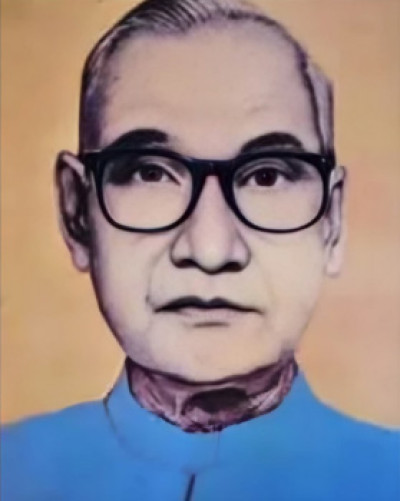
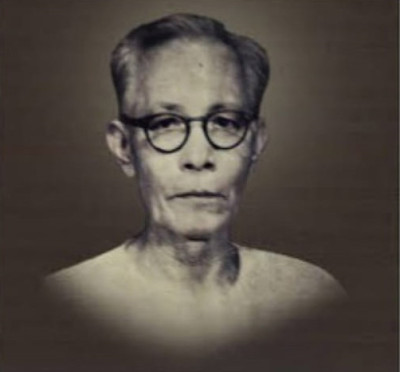
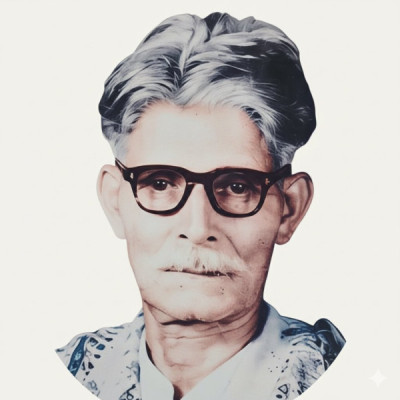
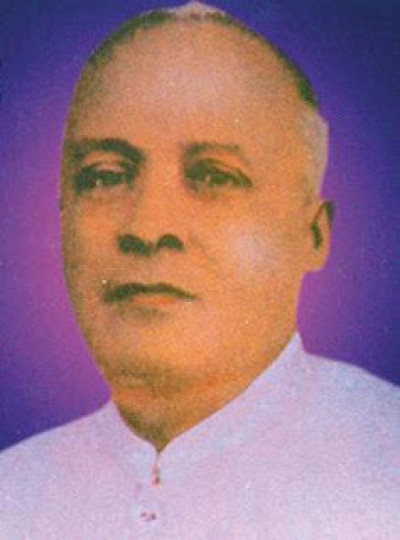
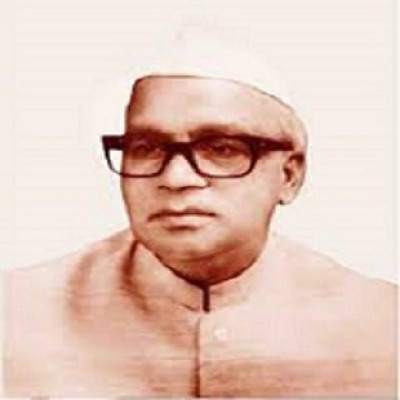
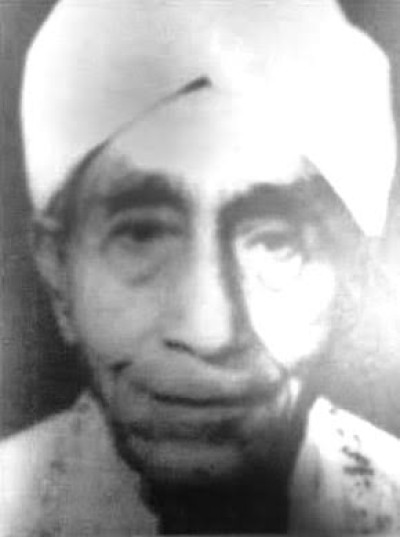
Lokapriya Gopinath Bordoloi: The Architect of Modern Assam
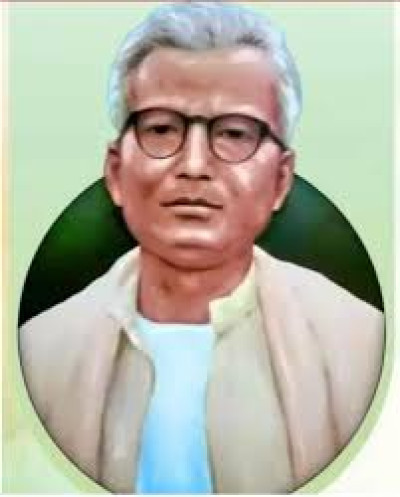
Known for his honesty, humility and selfless public service, Gopinath Bordoloi dedicated his entire life to the welfare of the people rather than personal ambition. His fearless stand against the partition proposal that threatened Assam's future changed the course of the state's history. Many historians believe that without his determined leadership, Assam's political and geographical landscape would have been drastically different after India's independence.
For his lifelong contribution to the nation, he was posthumously awarded the Bharat Ratna, India's highest civilian honour, in 1999. Today, his legacy lives on through educational institutions, public infrastructure, historical landmarks and the continued admiration of millions of people who regard him as one of Assam's greatest sons.
Early Life and Family Background
Lokapriya Gopinath Bordoloi was born on 6 June 1890 in Raha, located in the present-day Nagaon district of Assam. He was born into a respected family where education, discipline and moral values were deeply cherished. His father, Budheswar Bordoloi, served in the government's medical department, while his mother, Praneswari Devi, was known for her caring nature and strong family values.
Unfortunately, Gopinath lost his mother when he was only twelve years old. This personal tragedy greatly influenced his early life, and he was subsequently raised by his elder sister, who played an important role in nurturing his character and education. Despite facing emotional hardship during childhood, he remained focused on his studies and developed qualities of determination, compassion and responsibility that would later define his public life.
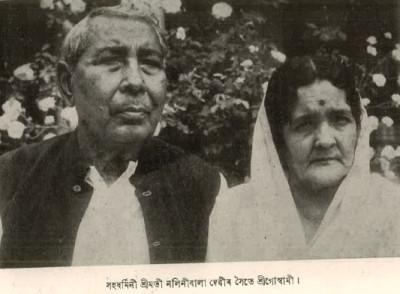
In 1910, he married Surabala Devi of North Guwahati. Throughout his political journey, his family remained a source of strength and encouragement, allowing him to dedicate himself fully to public service and the national movement.
From an early age, Bordoloi demonstrated qualities of honesty, discipline and leadership. Teachers and elders admired his calm temperament, intelligence and willingness to help others. These characteristics would eventually make him one of the most respected political leaders in Assam.
Education and Academic Journey
Education played a vital role in shaping the future of Gopinath Bordoloi. He completed his matriculation in 1907 and enrolled at the prestigious Cotton College in Guwahati, one of the leading educational institutions in Northeast India. He passed his Intermediate examination in First Division in 1909, reflecting his academic excellence.
To pursue higher education, he moved to Calcutta and joined the renowned Scottish Church College, where he graduated in 1911. He continued his studies at the University of Calcutta, earning a Master's degree in 1914.
Following his postgraduate studies, Bordoloi enrolled in law. Although he initially returned to Assam before completing his legal examinations, he accepted the responsibility of serving as the Headmaster of Sonaram High School in Guwahati at the request of Deshbhakta Tarun Ram Phookan. This decision reflected his belief that education was one of the strongest foundations for building a better society.
Later, he completed his law qualification and began practising as an advocate in Guwahati in 1917. His legal career earned him recognition for his integrity, fairness and deep understanding of justice. However, as the freedom movement gathered momentum across India, he gradually shifted his focus from legal practice to national service.
Inspiration from Mahatma Gandhi and the Freedom Movement
The early twentieth century witnessed a growing wave of nationalism throughout India. Inspired by the ideals of Mahatma Gandhi, Gopinath Bordoloi became deeply involved in the Indian freedom movement. Gandhi's principles of truth, non-violence and selfless service resonated strongly with his own values.
When the Assam Pradesh Congress Committee was established as the provincial unit of the Indian National Congress, Gopinath Bordoloi joined as an active volunteer. His dedication, sincerity and organisational abilities quickly made him one of the emerging leaders of the Congress movement in Assam.
He firmly believed that India's independence was essential not only for political freedom but also for social justice, educational development and economic progress. Throughout his political career, he consistently promoted peaceful methods of protest while encouraging people to participate in the national movement with discipline and courage.
His speeches inspired thousands of young Assamese to join the struggle for independence. Rather than using inflammatory rhetoric, he emphasised unity, sacrifice and constructive nation-building.
Participation in the Non-Cooperation Movement
One of the defining chapters of Gopinath Bordoloi's political life began during Mahatma Gandhi's Non-Cooperation Movement.
Believing that British rule could be challenged through peaceful resistance, Bordoloi gave up many comforts of his professional life and devoted himself entirely to the freedom struggle. He travelled extensively across Assam, encouraging people to reject British institutions, boycott foreign goods and embrace the ideals of Swadeshi and self-reliance.
His active participation attracted the attention of the colonial administration. In 1922, he was arrested and sentenced to one year of imprisonment. Although imprisonment brought physical hardship, it strengthened his resolve and enhanced his reputation among the people of Assam.
After the suspension of the Non-Cooperation Movement following the Chauri Chaura incident, Bordoloi resumed his legal practice while continuing his involvement in social welfare. Rather than becoming discouraged, he viewed the temporary setback as an opportunity to work more closely with local communities.
The experience of imprisonment reinforced his belief that freedom required patience, sacrifice and moral courage. These values remained central to his political philosophy throughout his life.
Commitment to Social Welfare and Public Service
Between 1930 and 1933, Gopinath Bordoloi temporarily reduced his active participation in national politics and concentrated on public welfare initiatives within Assam.
During this period, he served as a member of the Guwahati Municipal Board and the Local Board, where he focused on improving civic administration and public services. He advocated better sanitation, improved educational opportunities and stronger local governance.
One of his most visionary campaigns during this period was the demand for a separate High Court and a university for Assam. At a time when higher education opportunities in the region were limited, Bordoloi understood that educational institutions were essential for the long-term development of the state.
His persistent efforts eventually contributed to the establishment of institutions that transformed Assam's educational landscape in later years.
Unlike many politicians who focused solely on electoral success, Bordoloi believed that lasting development depended upon education, healthcare, justice and accountable governance.
Rise as the Leader of Assam Congress
The political landscape of Assam underwent significant change following the implementation of the Government of India Act, 1935, which introduced provincial elections.
In the 1936 elections, the Indian National Congress emerged as the largest political party in Assam. Gopinath Bordoloi was unanimously chosen as the Leader of the Opposition in the Assam Legislative Assembly.
His calm leadership, deep understanding of constitutional matters and ability to build consensus earned respect not only from Congress members but also from leaders of other political groups.
As Leader of the Opposition, Bordoloi consistently raised issues concerning education, agriculture, indigenous land rights, public welfare and responsible governance. He criticised policies that threatened the interests of the people while offering practical alternatives.
When the existing provincial government lost public confidence, the Governor invited Gopinath Bordoloi to form the government. On 21 September 1938, he assumed office as the Premier (Chief Minister) of Assam.
His appointment marked the beginning of a new era in Assam's political history. Under his leadership, the Congress government emphasised transparent administration, rural development, educational reforms and protection of the rights of indigenous communities.
Even during this early phase of governance, Bordoloi demonstrated the qualities that would later establish him as one of the greatest political leaders in Assam's history.
Premier of Assam and the Beginning of Responsible Governance
Gopinath Bordoloi's rise to the highest political office in Assam marked the beginning of a new chapter in the state's history. Following the provincial elections held under the Government of India Act of 1935, the Indian National Congress gradually emerged as the dominant political force in Assam. After the resignation of the existing ministry, the Governor invited Gopinath Bordoloi to form the government.
On 21 September 1938, he assumed office as the Premier of Assam, becoming the head of the provincial government. His administration was guided by the principles of honesty, accountability and public welfare. Unlike many political leaders of the colonial era, Bordoloi believed that government should work directly for the benefit of ordinary citizens rather than serving the interests of a privileged few.
His government introduced several measures aimed at improving education, strengthening local administration, supporting farmers and protecting the interests of indigenous communities. He also focused on reducing unnecessary taxation and ensuring that government policies addressed the needs of rural Assam.
Although his first tenure lasted for only a short period, it established his reputation as a capable administrator with exceptional integrity. The people of Assam recognised him as a leader who combined political wisdom with genuine concern for public welfare.
Resignation During the Second World War
The outbreak of the Second World War in 1939 created a constitutional crisis throughout British India. Without consulting elected Indian representatives, the British Government declared India's participation in the war.
Mahatma Gandhi and the Indian National Congress strongly opposed this unilateral decision. In protest against British policies, Congress ministries across various provinces resigned from office.
Following Gandhian principles, Gopinath Bordoloi also resigned from the post of Premier in 1939. His resignation demonstrated his unwavering commitment to democratic values and national self-respect. Rather than remaining in power under colonial authority, he chose to stand with the people and the national movement.
Soon afterwards, he was again arrested for participating in political activities against British rule. Despite repeated imprisonment, his determination remained unshaken. His sacrifices further strengthened his image as one of Assam's most respected freedom fighters.
Leadership During the Quit India Movement
When Mahatma Gandhi launched the historic Quit India Movement in August 1942, the British Government responded by arresting almost every major Congress leader across the country.
Gopinath Bordoloi was among the prominent leaders imprisoned during this period. Although the movement faced severe repression, his leadership continued to inspire the people of Assam.
Even while imprisoned, Bordoloi remained committed to Gandhian ideals of non-violence, communal harmony and democratic resistance. His willingness to endure imprisonment for the cause of independence earned widespread admiration among the people.
During the war years, Assam assumed great strategic importance because of its geographical location bordering Burma (Myanmar). The region became an important military base, and thousands of refugees fled into Assam due to the Japanese invasion of Burma.
Recognising the humanitarian crisis, Bordoloi supported efforts to assist displaced families and encouraged voluntary organisations to provide relief. His concern for human welfare extended beyond politics, reflecting his compassionate leadership.
When he was released from prison in 1944, he immediately resumed his work for the Congress organisation and intensified efforts to prepare Assam for the final phase of India's struggle for independence.
Return to Power and Becoming the First Chief Minister of Assam
The provincial elections of 1946 proved to be a turning point in Assam's political history. The Indian National Congress secured a decisive victory, winning the confidence of the people across the province.
Gopinath Bordoloi was unanimously chosen to lead the new government and once again assumed office as the Premier of Assam.
After India achieved independence on 15 August 1947, the office of Premier was redesignated as Chief Minister, making Gopinath Bordoloi the first Chief Minister of independent Assam.
His leadership during this historic transition was marked by stability, administrative efficiency and remarkable foresight. While many regions of the country faced political uncertainty and communal violence, Assam benefited from Bordoloi's balanced leadership and commitment to peaceful governance.
He viewed independence not as the end of the struggle but as the beginning of a new responsibility to build a prosperous, democratic and inclusive Assam.
The Historic Role in Saving Assam During Partition
Among all the achievements of Lokapriya Gopinath Bordoloi, his role in protecting Assam during the Partition of India remains his greatest contribution.
In 1946, the British Government proposed the Cabinet Mission Plan, which recommended grouping provinces into different administrative units before independence. Under this proposal, Assam was to be grouped with Bengal, where Muslims formed the majority population.
Bordoloi immediately recognised the serious implications of this proposal. If implemented, Assam's representatives would become a minority within the larger group, severely weakening the state's political voice and threatening its cultural identity.
He strongly opposed the grouping plan and firmly argued that Assam should have the right to determine its own constitutional future.
Despite facing immense political pressure, Bordoloi refused to compromise on this issue. He consulted national Congress leaders, organised public opinion and mobilised widespread support throughout Assam.
His determined resistance prevented Assam from being permanently merged into a Muslim-majority administrative group.
When the decision for Partition was finally taken in 1947, Assam remained within the Indian Union instead of becoming part of East Pakistan.
Many historians regard this achievement as one of the most significant political victories in Assam's modern history. Without Bordoloi's leadership, the political map of Northeast India could have been dramatically different.
His courage, constitutional understanding and diplomatic skills earned him lasting respect throughout the country.
Working Alongside Sardar Vallabhbhai Patel
Following India's independence, Gopinath Bordoloi worked closely with Sardar Vallabhbhai Patel, India's first Deputy Prime Minister and Home Minister.
Both leaders shared a common vision of building a united and secure India while protecting the interests of individual states.
Bordoloi played an important role in discussions relating to the integration of the Northeast with the rest of India. His understanding of the region's diverse ethnic communities helped shape policies that respected local traditions while strengthening national unity.
Patel greatly appreciated Bordoloi's administrative ability, political wisdom and commitment to democratic values. Their cooperation proved crucial in ensuring that Assam remained stable during the difficult years immediately following independence.
Together, they worked to strengthen internal security, improve governance and establish institutions capable of supporting long-term development.
Rehabilitation of Refugees After Partition
The Partition of India resulted in one of the largest human migrations in world history. Thousands of families crossed into Assam from East Pakistan seeking safety and shelter.
As Chief Minister, Gopinath Bordoloi faced the enormous challenge of rehabilitating displaced families while maintaining social harmony.
His government introduced organised rehabilitation programmes that provided temporary shelter, land for settlement and opportunities for livelihood.
At the same time, he carefully balanced humanitarian responsibilities with the need to protect the demographic and cultural interests of Assam.
His administration promoted communal harmony and prevented large-scale conflict during an extremely sensitive period.
His balanced approach demonstrated exceptional statesmanship and earned widespread appreciation from both the Central Government and the people of Assam.
Champion of Tribal and Indigenous Rights
One of Gopinath Bordoloi's lesser-known but highly significant contributions was his commitment to protecting the rights of tribal and indigenous communities.
As Chairman of the North-East Frontier (Assam) Tribal and Excluded Areas Committee, he worked to develop constitutional safeguards for tribal populations.
He believed that indigenous communities should be allowed to preserve their languages, customs, traditions and land rights while benefiting from education and development.
Many of the constitutional protections later incorporated into the Sixth Schedule of the Constitution of India were influenced by the recommendations of the committee led by Bordoloi.
These safeguards continue to protect the unique identity of tribal communities across Northeast India.
His vision ensured that development would take place without sacrificing the cultural heritage of indigenous peoples.
Building the Foundation of Modern Assam
Lokapriya Gopinath Bordoloi firmly believed that education, healthcare and an independent judiciary were essential pillars of a progressive society.
During his tenure as Chief Minister, he played a pivotal role in establishing several landmark institutions that transformed Assam's future.
His government strongly supported the establishment of Gauhati University, the first university in Assam, providing higher education opportunities for generations of students.
He also contributed significantly to the development of the Assam Medical College, strengthening medical education and healthcare services in the region.
Recognising the importance of judicial independence, he worked towards establishing the High Court of Assam, ensuring better access to justice for the people.
In addition, his administration promoted institutions such as the Assam Veterinary College and several educational initiatives aimed at expanding professional education.
These visionary investments created the foundation upon which modern Assam continues to grow.
Even today, thousands of students, doctors, lawyers and professionals benefit from institutions established through his farsighted leadership.
Literary Contributions and Writings
Although Lokapriya Gopinath Bordoloi is best remembered as a statesman and freedom fighter, he was also a thoughtful writer and scholar. His interest in literature, religion and philosophy reflected his well-rounded personality and deep intellectual curiosity. Even during his imprisonment by the British, he continued reading, writing and reflecting on subjects that promoted moral values, social harmony and national unity.
His writings reveal his belief that knowledge should be used to inspire people towards truth, compassion and selfless service. Rather than writing for personal recognition, he used literature as a means to educate society and encourage ethical living.
Some of his well-known literary works include:
- Annasaktiyog
- Shreeramachandra
- Hajrat Mohammad
- Budhhadeb
These books demonstrate his broad outlook and his respect for different religions and cultures. By writing about spiritual leaders from various faiths, he promoted mutual understanding and communal harmony. His literary works continue to be appreciated by historians and readers interested in Assam's intellectual and political heritage.
Simplicity, Gandhian Values and Personal Life
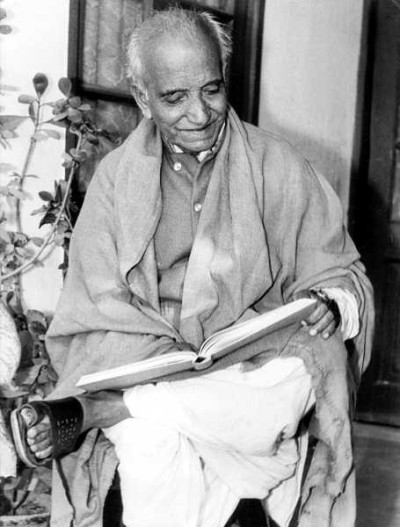
One of the most admired aspects of Gopinath Bordoloi's life was his simplicity. Despite holding the highest political office in Assam, he lived a modest lifestyle and remained closely connected with ordinary people. He never allowed power or position to change his character.
Strongly influenced by Mahatma Gandhi, Bordoloi followed the principles of truth, honesty, non-violence and selfless service throughout his life. He preferred wearing simple khadi clothes and believed that public representatives should lead by example rather than by privilege.
He maintained a disciplined daily routine and devoted considerable time to reading, spiritual reflection and meeting people from different sections of society. Whether interacting with farmers, students, tribal communities or government officials, he treated everyone with equal respect and dignity.
His humility earned him admiration not only from political colleagues but also from people across Assam, regardless of caste, religion or community.
Why He Was Called "Lokapriya"
The title "Lokapriya", meaning "Loved by the People," was not an official political designation but a heartfelt recognition of Gopinath Bordoloi's extraordinary popularity and public service.
The then Governor of Assam, Jayram Das Doulatram, conferred this title upon him in appreciation of his unwavering dedication to the welfare of Assam and its people.
The title perfectly reflected his personality. He was approachable, compassionate and deeply committed to solving public problems. Unlike many political leaders, he never sought personal fame or wealth. Instead, he devoted every stage of his career to protecting Assam's interests and improving the lives of its citizens.
Even today, the name "Lokapriya" remains inseparable from Gopinath Bordoloi and symbolises honest leadership, integrity and public trust.
Bharat Ratna and Other Honours
Lokapriya Gopinath Bordoloi's lifelong contributions received national recognition several decades after his passing.
In 1999, the Government of India posthumously honoured him with the Bharat Ratna, India's highest civilian award. The honour recognised his exceptional contribution to the Indian freedom movement, democratic governance, national integration and the protection of Assam's territorial and cultural identity.
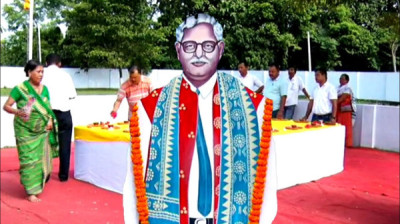
His achievements continue to be commemorated through numerous institutions and public landmarks.
Among the most notable recognitions are:
- Bharat Ratna (Posthumous, 1999)
- Title of Lokapriya conferred by Governor Jayram Das Doulatram
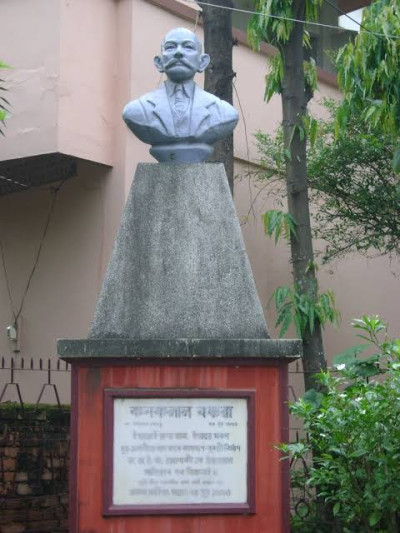
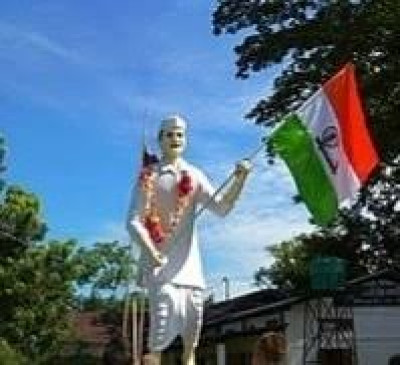
- Life-size statue in the Parliament House Complex, New Delhi
- Lokpriya Gopinath Bordoloi International Airport, Guwahati
- Various educational institutions, roads, parks and public buildings named in his honour
- Annual commemorative programmes organised across Assam
These honours reflect the nation's gratitude towards a leader whose vision continues to benefit future generations.
Legacy and Lasting Influence
Lokapriya Gopinath Bordoloi occupies a unique place in the history of Assam and modern India. His legacy extends far beyond politics and government. He is remembered as a visionary leader who safeguarded Assam's future at a critical moment in history and laid the foundation for the state's long-term development.
His leadership during the Partition ensured that Assam remained an integral part of India. His efforts to protect indigenous communities, strengthen democratic institutions and promote education continue to shape public policy even today.
Thousands of students study in educational institutions established through his vision. His contribution to preserving tribal rights continues to influence constitutional governance in Northeast India. Historians widely acknowledge that his role in opposing the Cabinet Mission Plan fundamentally changed the future of Assam.
His life also serves as an enduring example of ethical leadership. At a time when political life is often associated with personal ambition, Gopinath Bordoloi demonstrated that honesty, humility and public service can leave a lasting impact on society.
Today, schools, universities and government institutions across Assam celebrate his birth anniversary and remember his achievements through lectures, exhibitions and educational programmes. His ideals continue to inspire young leaders, administrators and students to work for the greater good.
Institutions and Landmarks Named After Lokapriya Gopinath Bordoloi
To honour his immense contribution, several important institutions and landmarks have been named after Lokapriya Gopinath Bordoloi.
The most prominent among them is the Lokpriya Gopinath Bordoloi International Airport in Guwahati, the primary gateway to Northeast India. Every year, millions of travellers pass through the airport, keeping alive the memory of one of Assam's greatest leaders.
Other important memorials include:
- Lokapriya Gopinath Bordoloi International Airport, Guwahati
- Statue at the Parliament House Complex, New Delhi
- Lokapriya Gopinath Bordoloi Regional Institute of Mental Health (LGBRIMH), Tezpur
- Educational institutions and colleges named in his honour
- Roads, parks and public buildings across Assam
- Memorial programmes organised annually on his birth and death anniversaries
These institutions continue to preserve his legacy and introduce future generations to his remarkable contribution to Assam and India.
Conclusion
Lokapriya Gopinath Bordoloi was far more than the first Chief Minister of Assam. He was a visionary freedom fighter, an able administrator, a champion of democracy and a guardian of Assam's identity. His courage during the freedom struggle, his decisive role during the Partition of India and his commitment to education, tribal welfare and institution-building transformed the future of the state.
His leadership was guided not by political ambition but by an unwavering commitment to justice, equality and public service. Whether protecting Assam's territorial integrity, strengthening democratic governance or promoting educational development, every decision he made reflected his deep love for the people.
More than seven decades after his passing, his ideals continue to inspire millions. His life reminds us that true leadership is measured not by power or popularity but by integrity, sacrifice and lasting service to society.
Lokapriya Gopinath Bordoloi will always be remembered as one of the greatest architects of modern Assam, whose vision and dedication helped shape the destiny of the state and contributed significantly to the making of modern India.
FAQs on Lokapriya Gopinath Bordoloi
1. Who was Lokapriya Gopinath Bordoloi?
Lokapriya Gopinath Bordoloi was a renowned freedom fighter, statesman and the first Chief Minister of independent Assam. He is remembered for protecting Assam's territorial integrity, promoting education and contributing significantly to India's freedom movement.
2. Why is Gopinath Bordoloi called Lokapriya?
He was given the title "Lokapriya," meaning "Loved by the People," by Governor Jayram Das Doulatram in recognition of his honesty, humility and dedicated public service.
3. When and where was Gopinath Bordoloi born?
Gopinath Bordoloi was born on 6 June 1890 in Raha, in present-day Nagaon district of Assam.
4. What was Gopinath Bordoloi's role in India's freedom movement?
He actively participated in the Non-Cooperation Movement, supported Mahatma Gandhi's principles, endured imprisonment and became one of the leading Congress leaders in Assam during the struggle for independence.
5. How did Gopinath Bordoloi save Assam during Partition?
He strongly opposed the Cabinet Mission Plan that proposed grouping Assam with Bengal. His determined leadership ensured Assam remained a separate state within the Indian Union after independence.
6. Why was Gopinath Bordoloi awarded the Bharat Ratna?
He was posthumously awarded the Bharat Ratna in 1999 for his exceptional contribution to India's freedom movement, democratic governance and the protection of Assam's identity and territorial integrity.
7. What institutions were established under Gopinath Bordoloi's leadership?
He played a key role in establishing Gauhati University, Assam Medical College, the High Court of Assam and other important educational and public institutions that contributed to the state's development.
8. What books did Gopinath Bordoloi write?
His notable works include Annasaktiyog, Shreeramachandra, Hajrat Mohammad and Budhhadeb, reflecting his interest in philosophy, spirituality and communal harmony.
9. Which airport is named after Gopinath Bordoloi?
The Lokpriya Gopinath Bordoloi International Airport in Guwahati, Assam, is named in his honour and serves as the principal international airport of Northeast India.
10. Why is Lokapriya Gopinath Bordoloi remembered today?
He is remembered as the architect of modern Assam for his leadership during the freedom movement, his role in safeguarding Assam during Partition, his commitment to education, tribal welfare and democratic governance, and his lifelong service to the people of Assam.