Life & Legacy
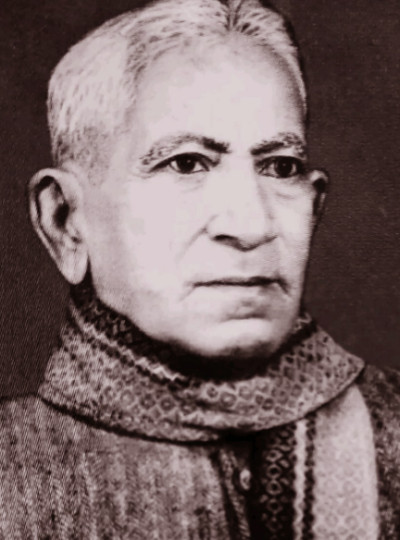
The story of Kushal Konwar is not merely about a man who lost his life during British rule. It is the inspiring journey of an ordinary individual who transformed himself into an extraordinary patriot through honesty, discipline, compassion and selfless service. His life demonstrates that true courage is not measured by physical strength but by the willingness to stand for justice, even when faced with overwhelming adversity.
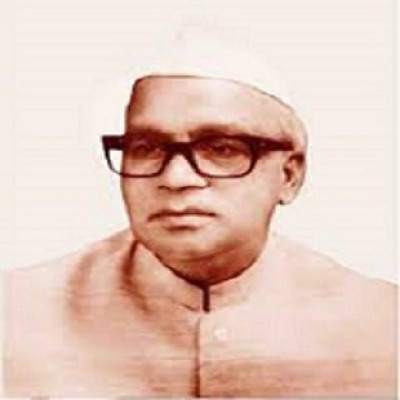
Today, Swahid Kushal Konwar occupies a special place among the greatest freedom fighters of Assam. Educational institutions, public roads, government programmes and memorials continue to honour his contribution to India's independence movement. Every year, thousands of students, historians and admirers remember his supreme sacrifice and learn valuable lessons from his remarkable life.
Early Life of Swahid Kushal Konwar
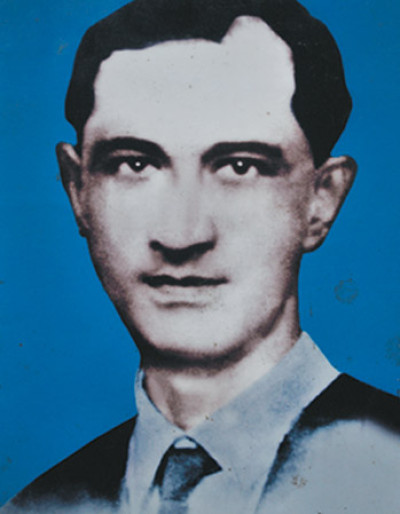
Swahid Kushal Konwar was born on 21 March 1905 in Chowdang Chariali, located in the present-day Golaghat district of Assam, which was then part of the larger Sivasagar district during British India. He was born into a respectable Assamese family headed by his father Sonaram Konwar and mother Kanakeswari Konwar. Kushal was the fifth child in the family and was raised in an environment that valued honesty, simplicity and hard work.
His family traced its ancestry to the royal Ahom dynasty, which traditionally used the surname "Konwar." Despite this historical connection, the family led a modest life and believed in moral values rather than social status. These family traditions greatly influenced Kushal's personality from an early age.
As a child, Kushal Konwar was widely admired for his calm temperament, honesty and compassion. He rarely quarrelled with others and preferred peaceful solutions to disagreements. His teachers and neighbours recognised him as a disciplined student who possessed strong moral character and a deep sense of responsibility.
Growing up in rural Assam during British colonial rule, he witnessed the economic hardships faced by ordinary people. These early experiences shaped his understanding of injustice and gradually strengthened his desire to work for the welfare of society.
Education and Childhood
Kushal Konwar received his primary education in his native village before enrolling at the well-known Bezbaruah Middle English School in Golaghat. He was considered an intelligent and hardworking student who showed equal interest in academics and social activities.
However, the political atmosphere of India was changing rapidly during his school years. The freedom movement led by Mahatma Gandhi was inspiring thousands of young Indians to reject British educational institutions and participate directly in the struggle for independence.
In 1921, when Gandhi launched the Non-Cooperation Movement, Kushal Konwar responded to the national call with immense enthusiasm. Like countless patriotic students across the country, he chose to leave formal education and dedicate himself to the service of the nation. This courageous decision reflected his strong commitment to India's freedom at a remarkably young age.
Although he discontinued his formal studies, Kushal never stopped learning. He believed that education extended beyond classrooms and that true knowledge came from understanding society, serving humanity and developing moral values.
Influence of Mahatma Gandhi
The teachings of Mahatma Gandhi profoundly transformed Kushal Konwar's life. Around 1925, he wholeheartedly embraced Gandhian principles of truth (Satya), non-violence (Ahimsa), simplicity and self-discipline. These ideals became the foundation of his personal and public life.
Inspired by Gandhi's philosophy, Kushal adopted a simple lifestyle. He became a strict vegetarian and maintained disciplined daily habits. During the Salt Satyagraha movement, he even gave up consuming salt as an act of solidarity with Gandhi's campaign against British taxation. This symbolic sacrifice reflected his unwavering commitment to the national movement.
The Bhagavad Gita became his constant companion. He regularly read its teachings and drew spiritual strength from its messages of duty, courage and righteousness. His faith gave him remarkable inner peace during difficult times and later helped him face imprisonment and death with extraordinary composure.
Unlike many political leaders who sought fame or personal gain, Kushal Konwar viewed public service as a sacred responsibility. He believed that serving the nation was equivalent to serving humanity, and he dedicated every aspect of his life to this noble purpose.
Family Responsibilities and Professional Life
Following financial difficulties within the family, Kushal Konwar accepted employment to support his parents and siblings. He worked as a clerk in a tea estate, where he gained valuable experience in administration and interacted closely with workers from different communities.
Despite holding a respectable position, his heart remained devoted to the freedom movement. He never allowed personal comfort or financial security to distract him from his larger mission of serving the nation.
During this period, he also became deeply involved in community development. He encouraged education among rural children, promoted social harmony and inspired villagers to overcome social divisions. His honesty and dedication earned him widespread respect throughout the Golaghat region.
As the national movement gathered momentum, Kushal gradually realised that his true calling lay in public service rather than government or private employment. Eventually, he left his professional career to devote himself entirely to India's struggle for independence, a decision that would ultimately define his legacy in the history of Assam.
Entry into India's Freedom Movement
As India's struggle for independence gained momentum during the 1930s, Kushal Konwar emerged as one of the most respected nationalist leaders in Upper Assam. Inspired by Mahatma Gandhi's vision of a free and self-reliant India, he devoted himself entirely to serving the nation. His commitment was driven not by political ambition but by a deep sense of duty towards his country and fellow citizens.
After leaving his regular employment, Kushal Konwar dedicated all his time to spreading awareness about the freedom movement across villages in the Golaghat region. He travelled extensively, encouraging people to unite against colonial rule through peaceful means. He believed that lasting freedom could only be achieved when ordinary citizens became active participants in the national movement.
His speeches focused on truth, self-discipline, unity and non-violence. Rather than promoting hatred against the British, he inspired people to develop courage, self-respect and confidence in their ability to build an independent India. His calm personality, honesty and simple lifestyle earned him the trust of people from every section of society.
Leadership in the Indian National Congress
Recognising his dedication and leadership qualities, local Congress workers entrusted Kushal Konwar with important organisational responsibilities. He became one of the leading figures of the Indian National Congress in the Sarupathar area and was elected as the President of the Sarupathar Congress Committee.
As president, he organised meetings, peaceful demonstrations, awareness campaigns and village-level discussions to educate people about India's freedom struggle. He encouraged farmers, labourers, students and traders to support the movement through peaceful resistance and constructive social work.
Kushal Konwar also helped establish local committees that worked for rural development, literacy and social reform. He believed that political freedom and social progress should go hand in hand. Under his leadership, the Congress organisation in the region grew stronger, attracting many young volunteers inspired by his integrity and selfless service.
Unlike many political leaders of the time, he never sought personal recognition. He remained humble, approachable and deeply connected with the people, making him one of the most respected leaders in eastern Assam.
The Quit India Movement in Assam
The historic Quit India Movement, launched by Mahatma Gandhi on 8 August 1942, marked a turning point in India's struggle for independence. Gandhi's powerful call of "Do or Die" inspired millions of Indians to demand an immediate end to British rule.
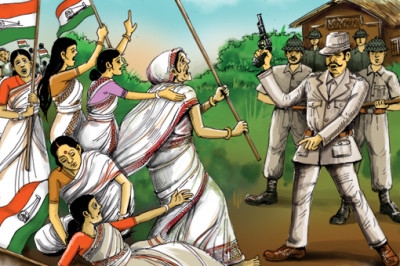
Across Assam, patriotic leaders and ordinary citizens joined the nationwide movement with great enthusiasm. Several senior Congress leaders were arrested soon after the movement began, but this only strengthened public determination to continue the struggle.
In the Golaghat and Sarupathar regions, Kushal Konwar played a significant role in maintaining public morale. He urged people to remain united and continue peaceful resistance despite widespread arrests and increasing government repression. He consistently reminded his followers that violence would only weaken the moral strength of the movement.
Even during this turbulent period, Kushal remained firmly committed to Gandhi's philosophy of non-violence. He believed that India's independence should be achieved through truth, sacrifice and peaceful resistance rather than revenge or bloodshed.
The Sarupathar Train Sabotage Incident
During the height of the Quit India Movement, political unrest spread rapidly throughout the country. While the Congress leadership advocated non-violent protest, some revolutionary groups resorted to acts of sabotage against British infrastructure.
On 10 October 1942, a military train travelling near Sarupathar in present-day Golaghat district was derailed after sections of the railway track were deliberately damaged. The train was carrying Allied military personnel, and the incident caused significant casualties and widespread panic within the British administration.
The colonial government immediately launched an extensive investigation. Determined to suppress the growing independence movement, British officials arrested numerous Congress workers and local leaders, often without sufficient evidence.
Although Kushal Konwar had consistently opposed violence and had no involvement in the railway sabotage, his position as a respected Congress leader made him an easy target for the colonial authorities.
False Accusation and Arrest
Following the train derailment, the British administration accused Kushal Konwar of being the principal conspirator behind the incident. The allegation shocked those who knew him personally because his lifelong commitment to non-violence was well known throughout Assam.
Many of his supporters advised him to go into hiding until the situation became clearer. However, Kushal Konwar firmly refused to escape or evade arrest. He believed that an innocent person should never fear the truth and that abandoning his principles would betray everything he had stood for.
He surrendered peacefully to the authorities and was taken into custody along with several other Congress workers. Throughout the investigation, he maintained complete dignity and repeatedly declared that he had no role in planning or executing any act of violence.
Despite the absence of convincing evidence, the colonial government remained determined to make an example of him. His popularity among the people and his influence within the Congress organisation made him a convenient victim of British repression.
Trial Under British Rule
The legal proceedings against Kushal Konwar have long been regarded as one of the most controversial episodes in Assam's freedom struggle. The trial was conducted under wartime emergency regulations that severely restricted the rights of the accused.
The prosecution relied heavily on questionable testimonies and circumstantial allegations rather than credible evidence. There was no conclusive proof linking Kushal Konwar to the railway sabotage, yet the colonial administration continued to portray him as the mastermind behind the incident.
Throughout the proceedings, Kushal Konwar remained calm, composed and spiritually strong. He refused to express bitterness or hatred towards his accusers. Instead, he accepted every development with remarkable courage, believing that truth would ultimately prevail, even if justice was temporarily denied.
The court eventually sentenced him to death by hanging. The verdict deeply saddened the people of Assam, many of whom believed that an innocent patriot had been condemned solely because of his commitment to India's freedom movement.
Life Inside Jorhat Jail
After receiving the death sentence, Kushal Konwar was lodged in Jorhat Jail, where he spent several months awaiting execution. Rather than losing hope, he transformed his prison cell into a place of spiritual reflection and inner strength.
He devoted much of his time to reading the Bhagavad Gita, praying and meditating. Fellow prisoners were inspired by his peaceful nature, unwavering faith and encouraging words. Even while facing death, he comforted others instead of seeking sympathy for himself.
Family members who visited him were amazed by his courage. He accepted his fate with dignity and reportedly expressed that sacrificing his life for the freedom of India was a privilege rather than a punishment.
His conduct inside prison demonstrated the same honesty, humility and discipline that had defined his entire life. He never allowed fear or anger to overpower his belief in truth and justice.
Martyrdom of Swahid Kushal Konwar
In the early hours of 15 June 1943, Kushal Konwar was taken to the gallows inside Jorhat Jail. He was only 38 years old when the British carried out the death sentence.
Witnesses remembered his extraordinary composure during his final moments. Holding firmly to his spiritual beliefs, he prayed for the freedom and prosperity of India. His courage, serenity and unwavering faith left a lasting impression on everyone who witnessed his final journey.
Although the British authorities intended his execution to suppress the freedom movement, it achieved the opposite effect. His sacrifice inspired countless young Indians to continue the struggle for independence with renewed determination.
From that day onward, Kushal Konwar came to be remembered as Swahid Kushal Konwar, a title reflecting the immense respect and gratitude that the people of Assam continue to hold for one of their greatest martyrs. His life remains a timeless reminder that truth, courage and selfless patriotism can never be defeated by injustice.
Legacy and Lasting Influence
The sacrifice of Swahid Kushal Konwar occupies a unique and honoured place in the history of India's independence movement. Although he lost his life before India achieved freedom in 1947, his courage, unwavering faith and commitment to truth became an enduring source of inspiration for future generations. His martyrdom demonstrated that even an innocent individual could willingly sacrifice everything for the greater good of the nation.
Across Assam, Kushal Konwar is remembered not merely as a freedom fighter but as a symbol of honesty, righteousness and selfless patriotism. His life continues to inspire students, historians, social workers and citizens who believe in justice, equality and peaceful resistance. His dedication to Gandhian principles has made him one of the finest examples of moral leadership in Indian history.
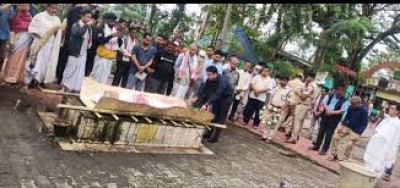
Every year, educational institutions, cultural organisations and government bodies commemorate his martyrdom through memorial events, seminars, essay competitions and patriotic programmes. These observances ensure that the younger generation remains aware of the sacrifices made by freedom fighters who helped secure India's independence.
Memorials and Honours
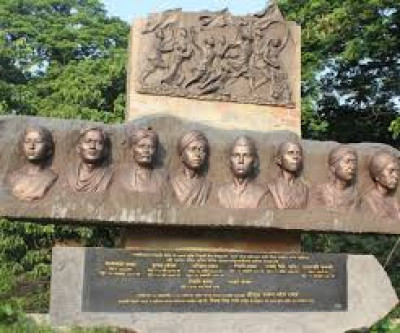
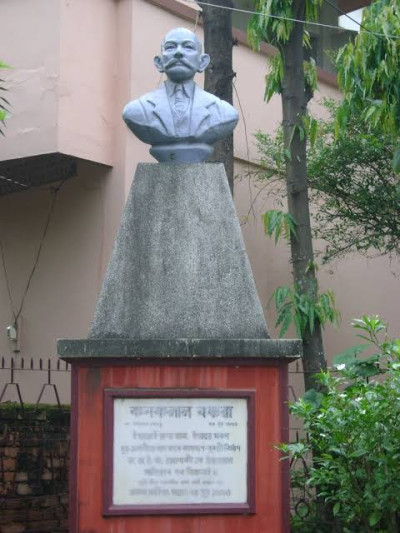
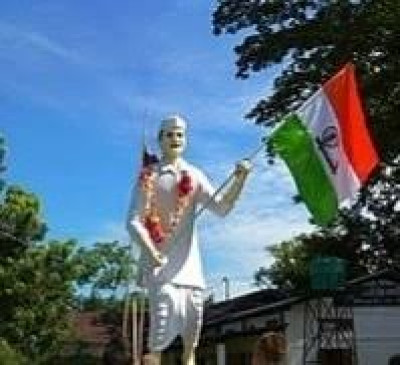
The Government of Assam and various public organisations have honoured Swahid Kushal Konwar in numerous ways. Schools, colleges, roads, public institutions and community centres across the state proudly bear his name as a tribute to his immense contribution to the nation.
His birthplace and areas associated with his life attract visitors who wish to learn more about his inspiring journey. Statues and memorials dedicated to him serve as reminders of his courage and commitment to India's freedom.
His story is also included in educational materials and history lessons across Assam, ensuring that students understand the significance of his sacrifice. Through literature, documentaries, cultural programmes and public commemorations, the legacy of Swahid Kushal Konwar continues to remain alive in the hearts of the Assamese people.
Why Swahid Kushal Konwar Is Remembered
Several qualities distinguish Swahid Kushal Konwar from many other freedom fighters of his era.
He was a devoted follower of Mahatma Gandhi and remained committed to non-violence throughout his life. Even when falsely accused of participating in a violent act, he never abandoned his principles or expressed hatred towards anyone.
His willingness to accept the death sentence without bitterness demonstrated extraordinary courage and spiritual strength. Rather than seeking revenge, he prayed for India's freedom and believed that truth would ultimately triumph over injustice.
His calm personality, moral character, humility and unwavering faith continue to inspire people who value honesty and integrity. For many in Assam, he represents the ideal citizen who placed the nation's welfare above personal interests.
Interesting Facts About Swahid Kushal Konwar
Swahid Kushal Konwar was born on 21 March 1905 in Chowdang Chariali, Golaghat district of Assam.
He was deeply influenced by Mahatma Gandhi's philosophy of truth and non-violence.
He voluntarily left formal education during the Non-Cooperation Movement to support India's freedom struggle.
He served as the President of the Sarupathar Congress Committee.
He strictly followed a simple lifestyle and remained a vegetarian for much of his adult life.
The Bhagavad Gita was his constant spiritual companion.
He was falsely implicated in the Sarupathar train sabotage case despite having no proven involvement.
He spent several months in Jorhat Jail before his execution.
He was hanged by the British on 15 June 1943 at the age of 38.
Today, he is regarded as one of Assam's greatest martyrs and one of the most respected freedom fighters in Indian history.
Contribution to India's Freedom Movement
Although Swahid Kushal Konwar's active role in the independence movement lasted only a few years, its impact was profound. He strengthened the Congress organisation at the grassroots level, encouraged peaceful participation in the freedom struggle and inspired countless people to stand against colonial oppression without abandoning moral values.
His life proved that patriotism is measured not by violence but by dedication, sacrifice and service to society. His refusal to compromise his ideals under immense pressure transformed him into an enduring symbol of courage and integrity.
The freedom that India enjoys today has been built upon the sacrifices of countless patriots like Swahid Kushal Konwar. Remembering his contribution is not only an act of gratitude but also a reminder of the importance of truth, justice and national unity.
Conclusion
Swahid Kushal Konwar's life represents one of the finest chapters in the history of Assam and India's struggle for independence. His unwavering commitment to truth, non-violence and national service continues to inspire generations long after his martyrdom.
Despite being falsely accused and sentenced to death, he never lost faith in justice or abandoned his principles. He accepted his fate with remarkable courage, leaving behind an unforgettable legacy of sacrifice and patriotism.
Today, Swahid Kushal Konwar is remembered as one of Assam's greatest sons, whose life reminds us that true heroes are those who willingly place the welfare of their nation above their own lives. His inspiring journey continues to encourage every Indian to uphold the values of honesty, courage, compassion and selfless service.
FAQs on Swahid Kushal Konwar
1. Who was Swahid Kushal Konwar?
Swahid Kushal Konwar was a renowned freedom fighter from Assam who actively participated in India's independence movement and sacrificed his life during British rule.
2. When was Swahid Kushal Konwar born?
He was born on 21 March 1905 in Chowdang Chariali, Golaghat district, Assam.
3. Why is Swahid Kushal Konwar famous?
He is remembered for his contribution to India's freedom struggle, his unwavering commitment to Gandhian principles and his supreme sacrifice for the nation.
4. When was Swahid Kushal Konwar executed?
He was executed by hanging on 15 June 1943 inside Jorhat Jail by the British colonial government.
5. What was the Sarupathar train sabotage case?
It was a railway sabotage incident that occurred during the Quit India Movement in 1942. Kushal Konwar was accused of involvement despite the absence of conclusive evidence.
6. What ideals did Swahid Kushal Konwar follow?
He followed Mahatma Gandhi's principles of truth, non-violence, simplicity, self-discipline and peaceful resistance.
7. Which organisation did Kushal Konwar lead?
He served as the President of the Sarupathar Congress Committee and played an important role in organising the freedom movement in the region.
8. Why is Swahid Kushal Konwar called a martyr?
He willingly accepted the death sentence while remaining committed to truth and India's freedom, making him one of Assam's most respected martyrs.
9. How is Swahid Kushal Konwar remembered today?
He is honoured through memorials, educational institutions, commemorative programmes and history lessons across Assam.
10. Why should people learn about Swahid Kushal Konwar?
His life teaches the values of courage, honesty, patriotism, sacrifice and peaceful leadership, making him an enduring role model for future generations.