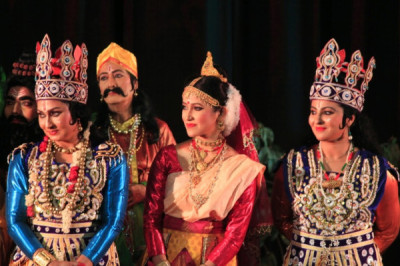
Detailed Narrative
Ankia Naat or Bhaona: Origins and Historical Background
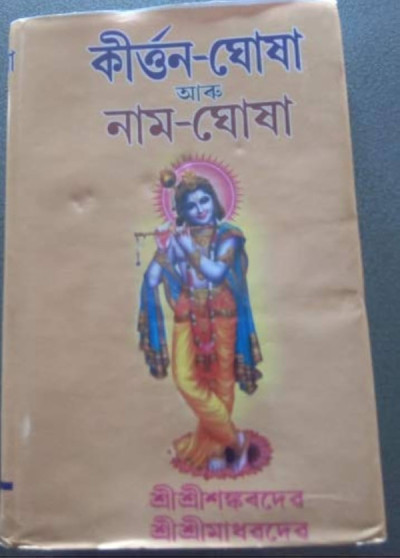
Ankia Naat emerged during the Neo-Vaishnavite movement led by Srimanta Sankardev. The 15th and 16th centuries were periods when Assam was deeply affected by political chaos, violent rituals, superstitions, and rigid social practices. Sankardev envisioned a peaceful, unified society and used art, music, literature, and performance as tools to spread his spiritual philosophy.
He introduced a new type of one-act play—Ankia Naat—written in Brajabuli, an artificial yet poetic language blending Assamese, Maithili, Braja, and Sanskrit. The plays were designed to be easy for common people to understand, making them accessible even to largely illiterate rural audiences.
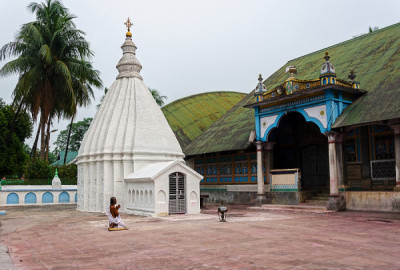
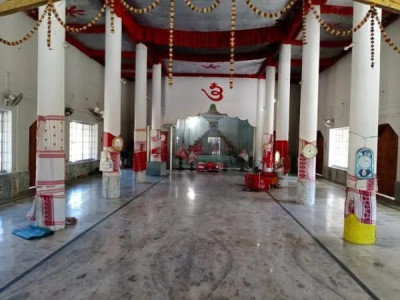
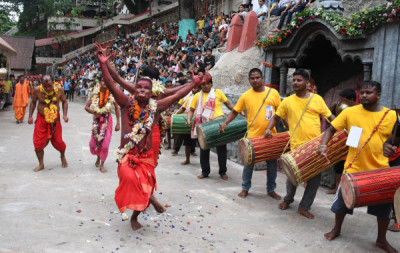
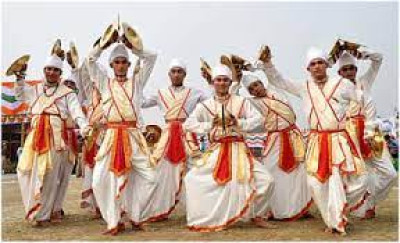
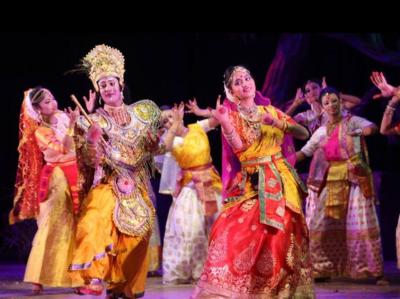
The staging of Ankia Naat is popularly known as Bhaona, which continues to be performed in Namghars, Satras, cultural festivals, and community gatherings across Assam.
Themes and Content Structure of Ankia Naat
Ankia Naats revolve primarily around the life and teachings of Lord Krishna, glorifying divine virtues such as righteousness, compassion, devotion, humility, and the victory of good over evil. The plays are based on the Bhagavata Purana, other Puranic stories, and Vaishnavite scriptures, but Sankardev added his own originality, humor, and artistic innovation.
The plays highlight:
-
Krishna’s childhood miracles
-
His role as the supreme deity
-
His divine interactions, adventures, and moral lessons
Unique Features of Ankia Naat
1. One-Act Format
Ankia Naat is always a single-act drama with a continuous flow of narration, music, and movement.
2. Role of Sutradhar
-
Introduces scenes
-
Explains the storyline
-
Interacts with the audience
-
Sings, dances, and coordinates the performance
Unlike other forms of drama, the Sutradhar remains on stage throughout the play.
3. Purvaranga (The Prelude)
Before the drama begins, a ritualistic musical prelude is performed by:
-
Gayan (singer)
-
Bayan (percussionist)
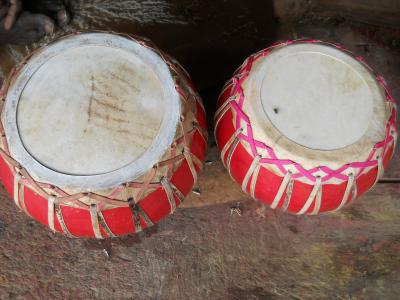
Using traditional instruments like:
-
Khol
-
Taal
-
Kanh
-
Flutes
-
Dhemali rhythms (Saru-Dhemali & Bor-Dhemali)
4. Elaborate Costumes and Masks
-
Silk robes
-
Mukha (masks)
-
Ornaments
-
Ethnic accessories
Male performers traditionally played even female roles.
5. Language
The plays are written in Brajabuli, a beautiful poetic mixture of several languages, with occasional Sanskrit verses, making the script melodious and devotional.
6. Community-Based Performance
Ankia Naat was created for the common people and usually performed in:
-
Namghars (community prayer halls)
-
Satras (monastic institutions)
Performances traditionally took place at night during festivals like Janmashtami, winter gatherings, or religious celebrations.
Cultural Importance of Ankia Naat
Ankia Naat is not just a theatrical form—it is the cultural backbone of Neo-Vaishnavism. It helped eliminate superstitions, reduce social divisions, and unite people under a peaceful devotional philosophy known as Eksarana Naam Dharma.
This tradition inspired:
-
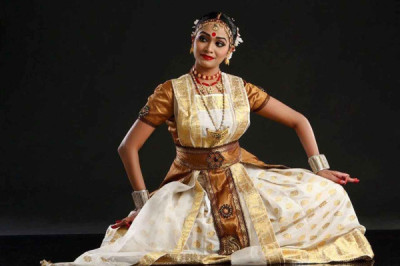
Sattriya Nritya (one of India’s classical dance forms)
-
Sankari Sangeet (a classical music system)
-
The Assamese dramatic tradition as a whole
Today, Ankia Naat remains a living heritage, preserved through Satras, cultural organisations, festivals, and thousands of Bhaona performances across Assam and beyond.
Quick Info Table on Ankia Naat
| Category | Details |
|---|---|
| Art Form | One-act devotional play |
| Founded By | Srimanta Sankardev |
| Period | 15th–16th century Assam |
| Language Used | Brajabuli (Assamese + Maithili + Sanskrit) |
| Main Theme | Life & worship of Lord Krishna |
| Performance Style | Bhaona (theatrical staging) |
| Key Character | Sutradhar (narrator) |
| Performance Venue | Namghars & Satras |
| Music Elements | Gayan-Bayan, Dhemali rhythms |
| Cultural Influence | Birth of Sattriya Dance & Sankari Sangeet |
FAQs on Ankia Naat
-
What is Ankia Naat in Assamese culture?Ankia Naat is a one-act play created by Srimanta Sankardev to spread Neo-Vaishnavism through music, drama, and devotional storytelling.
-
Who created Ankia Naat?It was created by the 15th-century saint, reformer, and playwright Srimanta Sankardev.
-
What is the main theme of Ankia Naat?The plays focus on the life, miracles, and teachings of Lord Krishna.
-
What language is used in Ankia Naat?Ankia Naat is written in Brajabuli, a poetic mixture of Assamese, Maithili, and Sanskrit.
-
What is Bhaona?Bhaona is the staged performance of an Ankia Naat, combining music, dance, acting, and narration.
-
What is the role of the Sutradhar in Ankia Naat?The Sutradhar narrates the story, guides the audience, sings, dances, and connects various scenes.
-
Where are Ankia Naats performed?They are traditionally performed in Namghars and Satras across Assam, especially during religious festivals.
-
What are the main instruments used in Ankia Naat?Khol, Taal, Kanh, flute, and traditional percussion used in Dhemali rhythms.
-
How is Ankia Naat different from Sanskrit drama?It is simpler, devotional, community-focused, and relies heavily on narration instead of complex dramaturgy.
-
Why is Ankia Naat important?It preserved Assamese culture, reformed society, and laid the foundation for Sattriya dance and Sankari music.