In Depth
Situated around 90 kilometers from Guwahati and approximately 25 to 30 kilometers from Barpeta town, Sarthebari is recognized as one of the largest handicraft centers in Assam. The town is especially famous for handcrafted bell metal products that continue to be made using traditional methods without heavy dependence on modern machinery.
For travelers interested in culture, heritage, and local craftsmanship, Sarthebari offers a unique experience that differs greatly from conventional sightseeing destinations. Instead of monuments or wildlife attractions, visitors come here to witness living traditions, artisan skills, and authentic Assamese craftsmanship in action.
The identity of Sarthebari is closely linked with its renowned bell metal artisans, locally known for preserving this traditional occupation for many generations. The craft has been passed down from fathers to sons, maintaining age-old hammering, shaping, and finishing techniques that have survived despite changing industrial practices.
The bell metal industry of Sarthebari is deeply rooted in Assamese culture and daily life. The products manufactured here are not simply utensils or decorative pieces; they hold social, cultural, and religious importance across Assam.
Among the most famous products made in Sarthebari is the traditional Assamese Xorai. The Xorai is a beautifully designed offering tray that symbolizes honor, hospitality, and Assamese identity. It is widely used during religious ceremonies, weddings, festivals, and cultural events.
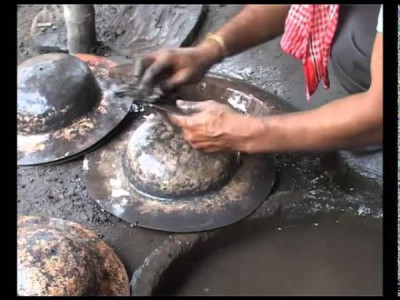
Apart from the Xorai, artisans of Sarthebari create Ban Bati, plates, bowls, water pots, glasses, decorative items, and brass musical cymbals used during Bihu performances and devotional gatherings. Every product reflects detailed craftsmanship and the artistic excellence of Assamese metal workers.
One of the most interesting aspects of visiting Sarthebari is the opportunity to observe artisans working inside family-operated workshops. Visitors can watch the entire process of transforming raw metal into finished handcrafted items using traditional tools, controlled hammering techniques, heating methods, and polishing skills.
Unlike factory-made products, every handcrafted item produced in Sarthebari carries small variations that make each piece unique. This handcrafted authenticity is one of the major reasons tourists, collectors, and cultural enthusiasts visit the town.
The history of metal craftsmanship in this region is believed to be several centuries old. Historical references associate the metalworking traditions of Assam with ancient royal patronage dating back to early Assamese kingdoms. Over time, Sarthebari evolved into a specialized center where craftsmanship, culture, and livelihood became closely connected.
Today, however, the traditional industry faces challenges due to mass-produced alternatives and changing consumer trends. Tourism and responsible shopping have therefore become important ways to support local artisans and help preserve this important cultural heritage.
Visitors traveling to Sarthebari often purchase handcrafted products directly from workshops and artisan families. Buying authentic items from the source not only guarantees originality but also directly supports the craftsmen and their traditional livelihoods.
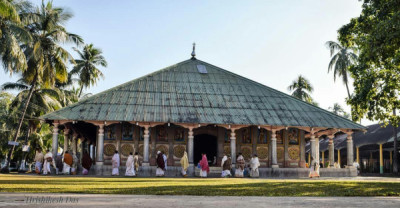
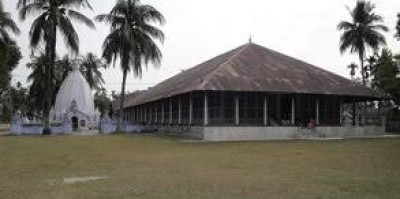
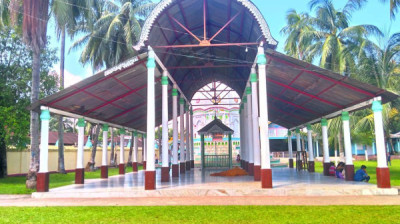
Apart from handicraft exploration, the surrounding areas of Barpeta district offer additional attractions for tourists. Travelers can combine a visit to Sarthebari with spiritual destinations such as Barpeta Satra, Sundaridiya Satra, Patbaushi Satra, and Ganakkuchi Satra. Nature enthusiasts may also plan an extended trip to Manas National Park.
Best Time to Visit Sarthebari
The best time to visit Sarthebari is between October and March when the climate remains cool, pleasant, and comfortable for travel. Winter and early spring months provide ideal conditions for exploring artisan workshops and nearby attractions.
Summer months in Assam can become warm and humid, which may be less comfortable for walking tours and outdoor exploration.
How to Reach Sarthebari
By Road : Sarthebari enjoys good road connectivity with Guwahati, Barpeta, Nalbari, and nearby towns. Travelers can easily reach the town by private car, taxi, shared vehicle, or bus service. A road trip from Guwahati is one of the most popular ways to visit Sarthebari.
By Train : The nearest major railway station is Barpeta Road Railway Station. From the station, tourists can hire taxis, buses, or local transport to reach Sarthebari.
By Air : The nearest airport is Lokpriya Gopinath Bordoloi International Airport in Guwahati. Visitors can continue their journey to Sarthebari by taxi or road transport.
Where to Stay Near Sarthebari
Sarthebari has limited accommodation facilities compared to larger tourist centers. Most visitors prefer staying in Barpeta town, Barpeta Road, or Guwahati where a wider range of hotels, lodges, guest houses, and budget accommodations are available.
Travelers planning a longer cultural tour may also stay near Manas National Park to combine heritage tourism with wildlife experiences.
Travel Tips for Visitors
- Visit local workshops to experience authentic craftsmanship.
- Purchase products directly from artisan families.
- Carry cash for local shopping in smaller workshops.
- Respect artisan workspaces and ask permission before photography.
- Combine the trip with nearby satras and cultural sites.
Sarthebari is more than just a craft town. It is a living museum of Assamese heritage where metal, art, tradition, and community come together. For travelers interested in authentic cultural tourism, local handicrafts, and traditional Assamese identity, Sarthebari offers a meaningful and memorable experience in the heart of Barpeta district.
Quick Info Table on Sarthebari
| Information | Details |
|---|---|
| Place Name | Sarthebari |
| District | Barpeta, Assam |
| Famous For | Bell Metal and Brass Handicrafts |
| Specialty Products | Xorai, Ban Bati, Cymbals, Plates, Bowls |
| Industry Type | Traditional Handcrafted Bell Metal Industry |
| Distance from Guwahati | Approx. 90 KM |
| Distance from Barpeta Town | Approx. 25-30 KM |
| Best Time to Visit | October to March |
| Nearest Railway Station | Barpeta Road Railway Station |
| Nearest Airport | Lokpriya Gopinath Bordoloi International Airport, Guwahati |
| Ideal Visit Duration | Half Day to Full Day |
| Suitable For | Culture Lovers, Shoppers, Heritage Travelers |
FAQ's on Sarthebari
1. Where is Sarthebari located?
Sarthebari is located in the Barpeta district of Assam, around 90 kilometers from Guwahati.
2. Why is Sarthebari famous?
Sarthebari is famous for its traditional bell metal and brass handicraft industry.
3. What products are made in Sarthebari?
Popular products include Xorai, Ban Bati, plates, bowls, cymbals, water pots, and traditional Assamese utensils.
4. Can tourists visit artisan workshops in Sarthebari?
Yes, visitors can explore workshops and observe traditional metal crafting techniques.
5. What is the best time to visit Sarthebari?
The best time to visit is between October and March.
6. Which is the nearest railway station to Sarthebari?
Barpeta Road Railway Station is the nearest major railway station.
7. Are hotels available in Sarthebari?
Limited accommodation exists in Sarthebari. Most visitors stay in Barpeta, Barpeta Road, or Guwahati.
8. How far is Sarthebari from Guwahati?
Sarthebari is approximately 90 kilometers from Guwahati.
9. Why should tourists buy products from Sarthebari?
Buying directly from artisans supports traditional craftsmanship and ensures authentic handcrafted products.
10. Which nearby places can be visited from Sarthebari?
Tourists can visit Barpeta Satra, Patbaushi Satra, Sundaridiya Satra, Ganakkuchi Satra, and Manas National Park.