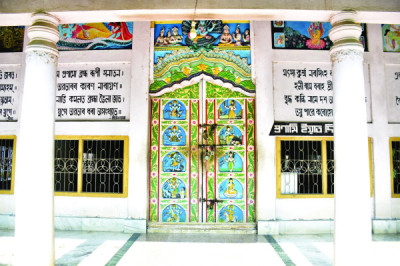
In Depth
The satra is considered one of the most important centers of Vaishnavism in Assam and attracts pilgrims, cultural researchers, historians, and tourists throughout the year. Known for its peaceful surroundings, rich heritage, and spiritual atmosphere, Patbaushi Satra remains an important destination for travelers seeking to explore the roots of Assamese culture and devotion.
Historical accounts suggest that Srimanta Sankardeva spent nearly eighteen years at Patbaushi Satra. During his stay here, he dedicated himself to spreading the teachings of Ekasarana Dharma while also contributing immensely to Assamese literature, music, drama, and art. It is believed that many of his famous Bargeets and Ankiya Naat dramas were composed during this period and continue to be preserved and performed even today.
Patbaushi Satra played a major role in spreading Sattriya culture and Neo-Vaishnavite philosophy across Assam. The monastery gradually became a center for devotional learning, artistic expression, and spiritual practices. Even today, the satra continues to preserve centuries-old traditions that form an essential part of Assamese heritage.
One of the key attractions inside the satra premises is the Shrimanta Sankardeva Museum. The museum has been developed to preserve valuable manuscripts, artifacts, religious items, and literary works connected with the life and teachings of Sankardeva. Visitors interested in Assamese history and culture often spend time exploring the preserved collections that showcase the rich legacy of the Vaishnavite movement.
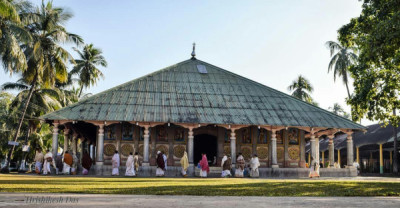
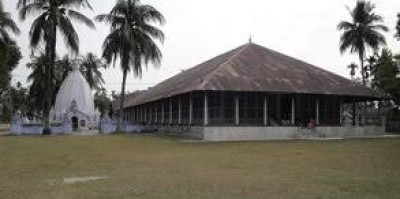
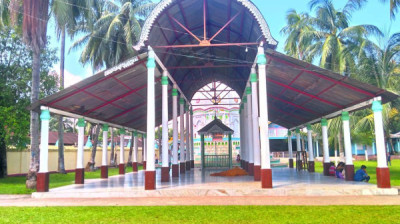
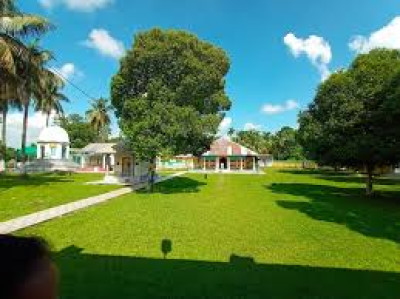
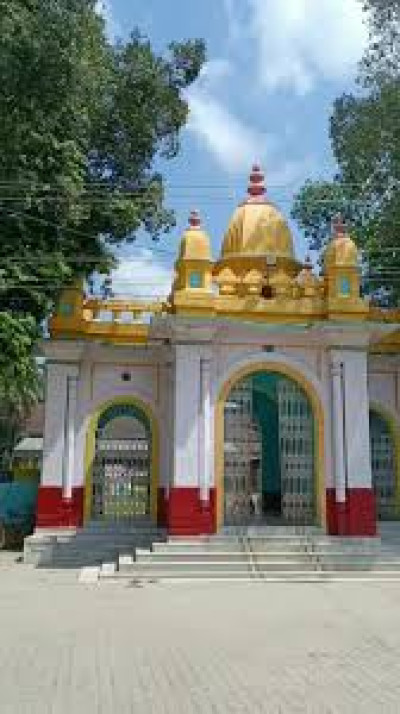
The satra is also known for its traditional Assamese architecture. The prayer halls, open courtyards, and sacred Namghar reflect the simplicity and spiritual values promoted by the Vaishnavite saints. The calm environment inside the monastery creates a peaceful atmosphere ideal for meditation, prayer, and reflection.
Patbaushi Satra is deeply connected with the devotional music traditions of Assam. The Bargeets composed by Srimanta Sankardeva are still performed during religious gatherings and festivals. The devotional songs, prayers, and chanting ceremonies create a spiritually uplifting experience for visitors and devotees.
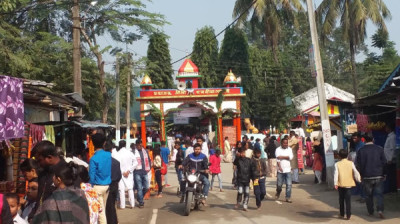
The monastery continues to function as a living cultural institution where traditional practices, spiritual education, and community gatherings remain active. Religious festivals and special occasions celebrated at the satra attract devotees from different parts of Assam and Northeast India.
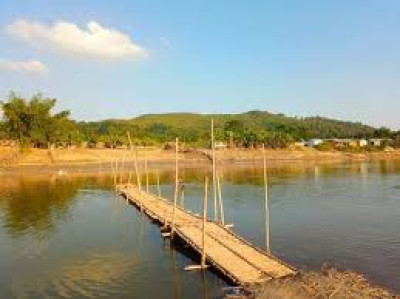
Apart from its spiritual importance, Patbaushi Satra also attracts nature lovers due to its scenic surroundings. The region around Barpeta offers green landscapes, peaceful rural views, and access to the Brahmaputra River. Tourists often enjoy exploring the calm natural beauty while visiting the religious institutions of the area.
Visitors coming to Patbaushi Satra can also explore nearby attractions including Damodardeva Satra, another important Vaishnavite institution founded by the saint Damodardeva. The nearby satra preserves important literary works such as Katha Bhagawat, Guru Lila, and Dron Parva, making it another culturally significant destination for spiritual travelers.
Barpeta Satra, one of the largest and most famous satras in Assam, is also located nearby and can easily be included in the same travel itinerary. Travelers interested in wildlife tourism often combine their spiritual trip with a visit to Manas National Park, a UNESCO World Heritage Site known for its biodiversity and jungle safari experiences.
Best Time to Visit Patbaushi Satra
The best time to visit Patbaushi Satra is between October and March when the climate remains cool and pleasant. Winter months are considered ideal for sightseeing, pilgrimage, and exploring the cultural attractions of Barpeta district.
Religious festivals and devotional gatherings organized during this period allow visitors to witness traditional Assamese music, prayer rituals, and spiritual celebrations associated with Neo-Vaishnavism.
How to Reach Patbaushi Satra
Where to Stay Near Patbaushi Satra?
Visitors can find several accommodation options in Barpeta town and Barpeta Road including budget hotels, lodges, guest houses, and mid-range hotels. These accommodations provide convenient access to major tourist attractions in the district.
Travelers interested in eco-tourism and wildlife experiences may also stay near Manas National Park where forest resorts and eco-lodges are available.
Some religious institutions in the region may also offer basic lodging facilities for pilgrims during special festivals and religious events.
Travel Tips for Visitors
- Respect the spiritual atmosphere of the monastery.
- Dress modestly while visiting prayer areas.
- Maintain silence during religious activities.
- Visit during morning hours for a peaceful experience.
- Carry comfortable footwear and water bottles.
Patbaushi Satra is not just a religious destination but also a symbol of Assam's spiritual heritage, literature, music, and cultural identity. The monastery continues to preserve the teachings and legacy of Srimanta Sankardeva while offering visitors a peaceful and enriching travel experience. Whether you are a pilgrim, historian, or cultural traveler, Patbaushi Satra provides a unique opportunity to explore the timeless traditions of Assam.
Quick Info Table on Patbaushi Satra
| Information | Details |
|---|---|
| Place Name | Patbaushi Satra |
| Location | Barpeta District, Assam |
| Famous For | Historic Vaishnavite monastery linked with Srimanta Sankardeva |
| Religious Importance | Neo-Vaishnavite spiritual and cultural center |
| Main Attractions | Ancient manuscripts, museum, Namghar, devotional heritage |
| Established By | Associated with Srimanta Sankardeva and Vaishnavite traditions |
| Best Time to Visit | October to March |
| Nearest Railway Station | Barpeta Road Railway Station |
| Nearest Airport | Lokpriya Gopinath Bordoloi International Airport, Guwahati |
| Distance from Barpeta Town | Approx. 2 KM |
| Nearby Attractions | Damodardeva Satra, Barpeta Satra, Manas National Park |
| Suitable For | Pilgrims, heritage travelers, culture enthusiasts |
FAQ's on Patbaushi Satra
1. Where is Patbaushi Satra located?
Patbaushi Satra is located in Barpeta district of Assam, around 2 kilometers from Barpeta town.
2. Why is Patbaushi Satra famous?
The satra is famous for its association with Srimanta Sankardeva and the Neo-Vaishnavite movement in Assam.
3. What can visitors see at Patbaushi Satra?
Visitors can explore prayer halls, ancient manuscripts, the Sankardeva Museum, and traditional Assamese architecture.
4. Did Srimanta Sankardeva stay at Patbaushi Satra?
Yes, it is believed that Srimanta Sankardeva spent around eighteen years at this satra.
5. What is the best time to visit Patbaushi Satra?
The best time to visit is between October and March.
6. Which is the nearest railway station to Patbaushi Satra?
Barpeta Road Railway Station is the nearest railway station.
7. Are hotels available near Patbaushi Satra?
Yes, several hotels, lodges, and guest houses are available in Barpeta and Barpeta Road.
8. Which nearby attractions can tourists visit?
Tourists can visit Barpeta Satra, Damodardeva Satra, and Manas National Park nearby.
9. Is Patbaushi Satra suitable for cultural tourism?
Yes, the satra is one of the best places in Assam to explore Vaishnavite culture and Assamese heritage.
10. Why should tourists visit Patbaushi Satra?
Tourists should visit the satra for its spiritual atmosphere, historical importance, and cultural heritage.